In the modern digital landscape, the marketing industry is suffering from a classic case of abundance-induced paralysis. Marketing leaders are currently inundated with an relentless torrent of reports, frameworks, case studies, and "must-read" LinkedIn think pieces. The prevailing consensus among experts, however, is shifting: the industry does not need more content—it needs better filters.
This shift has propelled the humble newsletter back to the forefront of communication strategy. As organizations grapple with the challenge of earning and retaining audience attention, they are increasingly abandoning the "content-dump" model in favor of highly curated, value-driven email experiences. A prime example of this pivot is Convince & Convert (C&C), which recently retired its long-standing ON newsletter to launch The Trendline—a strategic realignment designed to meet the modern marketer’s need for clarity over volume.
The Death of the "Link Farm" Newsletter
For years, the gold standard for brand newsletters was the "link farm"—a curated list of recent blog posts, podcast episodes, and white papers. While this format served its purpose in a less saturated digital environment, it has become increasingly ineffective.
The core issue is a shift in consumer expectations. Today’s marketing professionals are time-poor. They are not looking for more places to click; they are looking for someone to distill the signal from the noise. If a newsletter requires a user to click through multiple links to understand a topic, it is no longer providing value—it is creating work.
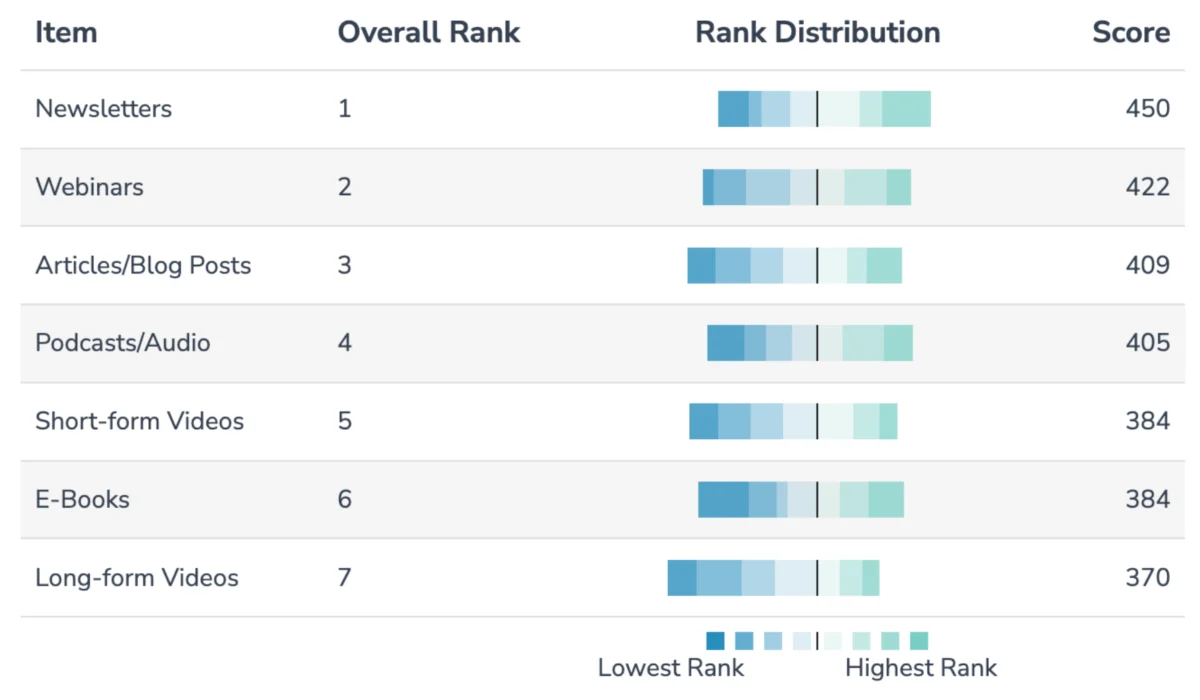
Industry data supports this sentiment. Recent audience surveys conducted by Convince & Convert revealed a startling statistic: newsletters are the preferred format for marketing leaders when consuming industry trends and insights, ranking significantly higher than short-form video, webinars, or even podcasts. When asked to rank seven content formats, respondents placed newsletters at the top, citing the ability to receive synthesized, actionable intelligence as the primary driver.
The Anatomy of the Pivot: From "ON" to "The Trendline"
The decision to rebrand and restructure the Convince & Convert newsletter was not a cosmetic choice; it was an operational overhaul based on specific audience pain points. The previous model, ON, was organized by content medium, which inadvertently forced the reader to navigate the brand’s output rather than the industry’s challenges.
"Marketing leaders don’t need more content in their inboxes," says the team at C&C. "We want to be entertained, inspired, and feel smarter."

This realization led to the development of The Trendline, which centers on a "debrief" philosophy. The new format is built on three fundamental pillars of transformation:
- Strategic Synthesis: Instead of listing what happened, the content explains what it means. By applying a "strategic lens" to industry news, the publication helps readers understand the implications for their own decision-making processes.
- Zero-Click Value: The new format aims to deliver the core insight directly within the email body. While links remain for those who want to dive deeper, the primary value proposition is that a reader can derive utility without ever leaving their inbox.
- Audience-Centric Hierarchy: Content is no longer categorized by "where it lives" (blog vs. podcast), but by its relevance and importance to the reader’s professional life.
The Psychology of the Curated Inbox
Why are newsletters enjoying a resurgence? The answer lies in the cognitive load of the average professional. The modern marketer is bombarded with thousands of marketing messages daily. The newsletters that succeed are those that act as a "trusted advisor" rather than a "content distributor."
When a publication successfully filters information, it does more than just save time; it initiates thought. Readers have reported that high-quality newsletters often serve as a catalyst for creative problem-solving. By providing a curated, thoughtful perspective, brands can build a level of authority that is nearly impossible to achieve through fragmented social media posts.
Furthermore, the "debrief" model acknowledges a fundamental truth about leadership: Executives do not need 20 charts to make a decision. They need the distilled essence of the research and the key questions they should be asking their teams. By adopting this executive-level communication style, brands can foster deeper loyalty among the most senior members of their audience.
Operational Challenges and the Cost of Quality
Transitioning to a high-value, curated newsletter is not a low-effort endeavor. In fact, for most organizations, it represents a significantly higher workload.
"This is not a lateral move," notes the C&C leadership. Producing The Trendline requires a team of strategists to review, synthesize, and format information consistently. This requires clear editorial guidelines and a commitment to brevity that is often at odds with traditional marketing tendencies to "maximize exposure" by including every link possible.
The payoff, however, is a more engaged and qualified audience. By utilizing metrics like "Sound Off"—a direct poll included in the footer of the email—brands can gather actionable feedback that is far more granular and meaningful than vanity metrics like open rates or raw click counts. These engagement signals allow for a continuous loop of improvement, ensuring the newsletter evolves alongside the changing needs of the marketing community.

Implications for Future Content Strategy
The evolution of the Convince & Convert newsletter serves as a case study for any brand looking to refine its content strategy in 2025 and beyond. As trust and attention become the scarcest commodities in the digital economy, the "spray and pray" approach to email marketing is effectively dead.
For marketing departments looking to replicate this success, the lessons are clear:
- Audit for Utility: Ask yourself if your newsletter is creating work for the reader or saving them time. If the answer is the former, the strategy needs an immediate reset.
- Prioritize the "Why": Shift your focus from reporting on industry news to analyzing the impact of that news.
- Invest in Curation: Quality curation is an editorial skill. It requires a deep understanding of your audience’s pain points and the ability to articulate complex trends in a concise, accessible way.
- Embrace Constraints: Limit the amount of content you share. By being more selective, you increase the perceived value of every piece of content you do include.
A New Era of Owned Media
The move toward The Trendline highlights a broader trend: the reclamation of owned media. In an era where social media algorithms are increasingly opaque and volatile, a direct line of communication with an audience is a brand’s most valuable asset.
However, the value of that line of communication is entirely dependent on the quality of the signal sent through it. As the marketing landscape continues to move at a breakneck pace, the most successful brands will be those that provide the most effective "filters."
By moving away from the noise and toward a more focused, strategic, and human-centric approach, marketing leaders can transform their newsletters from forgotten inbox clutter into indispensable professional tools. The era of "more" is over; the era of "useful" has begun. As the industry continues to iterate, the ultimate metric for success will not be the size of the subscriber list, but the degree to which a brand helps its audience think, learn, and succeed in a complex, fast-changing world.