By Oli Welsh
Published: July 5, 2026, 8:01 AM EDT
The landscape of video game distribution has been irrevocably altered this week with PlayStation’s landmark announcement: the company will cease all production of physical PlayStation games. This decision, conveyed through an official statement, marks a pivotal moment in gaming history, signaling a definitive shift towards an all-digital future for one of the industry’s giants. While the move has ignited passionate debate among players and industry watchers alike, this author contends that while the spirit of physical media must endure, the optical disc itself, as a format for interactive games, has long overstayed its welcome.
This article, an extended version of the weekly Patch Notes newsletter, delves into the multifaceted implications of PlayStation’s decision, exploring the historical context of game media, the technical shortcomings of optical discs, and the broader ramifications for game preservation, consumer ownership, and the future of the industry.
The Main Facts: An End to an Era
PlayStation’s announcement to discontinue physical game production for all its future titles and current-generation consoles (effectively meaning the PS5 and any subsequent hardware) sends ripples throughout the gaming ecosystem. For many, it represents a tragic blow to the cherished tradition of collecting, owning, and sharing video games. The existential fears surrounding the preservation of digital art, the legal ambiguities of digital "ownership," and the economic implications for consumers and retailers are palpable.
Yet, this author, while a staunch advocate for physical media across various art forms – from Blu-ray movies and vinyl LPs to real books and Nintendo Switch cartridges for his children – finds a curious relief in the specific demise of the optical disc for games. The core argument here is that the CD, DVD, and Blu-ray formats, championed by Sony since the original PlayStation, were fundamentally ill-suited for the dynamic, interactive nature of video games. They offered economic advantages and capacity gains, but their technical limitations created persistent frustrations for players and developers alike.
The paradox lies in this distinction: the idea of physical game ownership is vital, but the implementation via optical discs was deeply flawed.
A Chronology of Formats: From Cartridges to Cloud
To fully appreciate the significance of PlayStation’s move, one must trace the evolution of game storage media and understand the historical decisions that shaped the industry.
The Golden Age of Cartridges (Pre-PlayStation): Before Sony entered the console market, cartridges were the dominant physical medium for video games. From the Atari 2600 to the Nintendo Entertainment System (NES) and Super Nintendo Entertainment System (SNES), cartridges offered near-instant loading times, robust durability, and a tangible sense of ownership. They housed ROM (Read-Only Memory) chips that allowed for rapid data access, a crucial advantage for the fast-paced action and intricate worlds of early games. Their primary drawbacks were higher manufacturing costs and limited storage capacity compared to emerging optical formats.
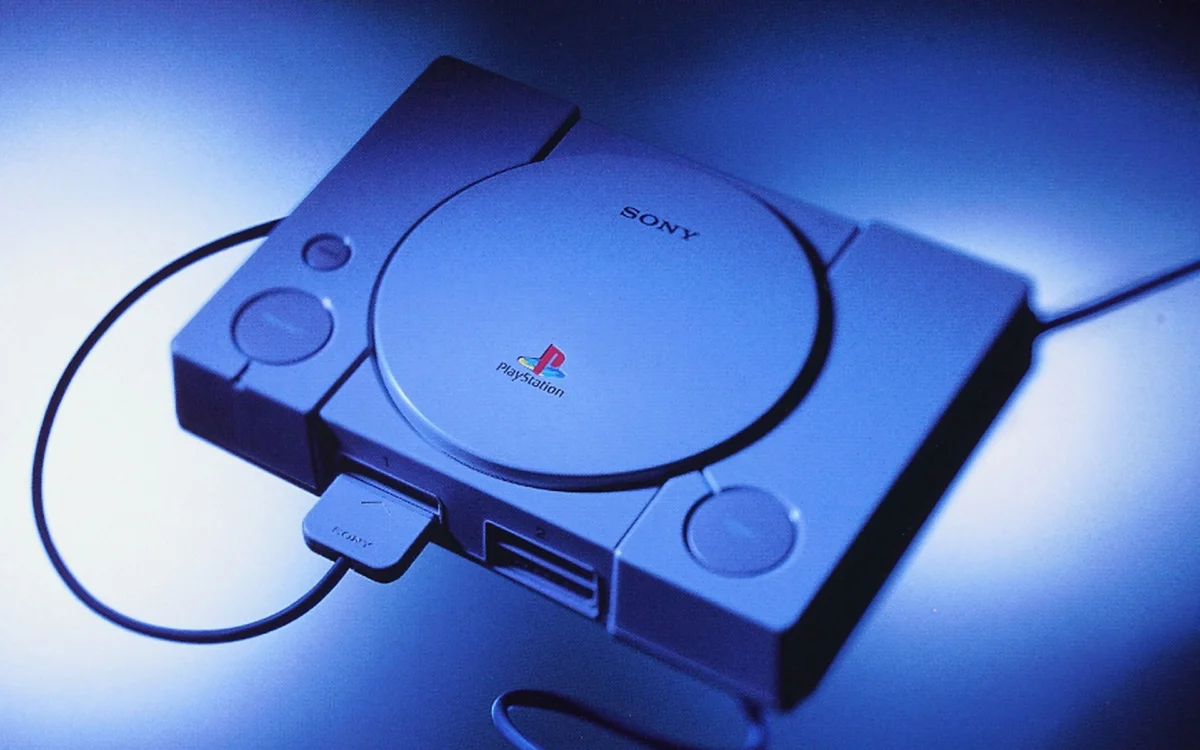
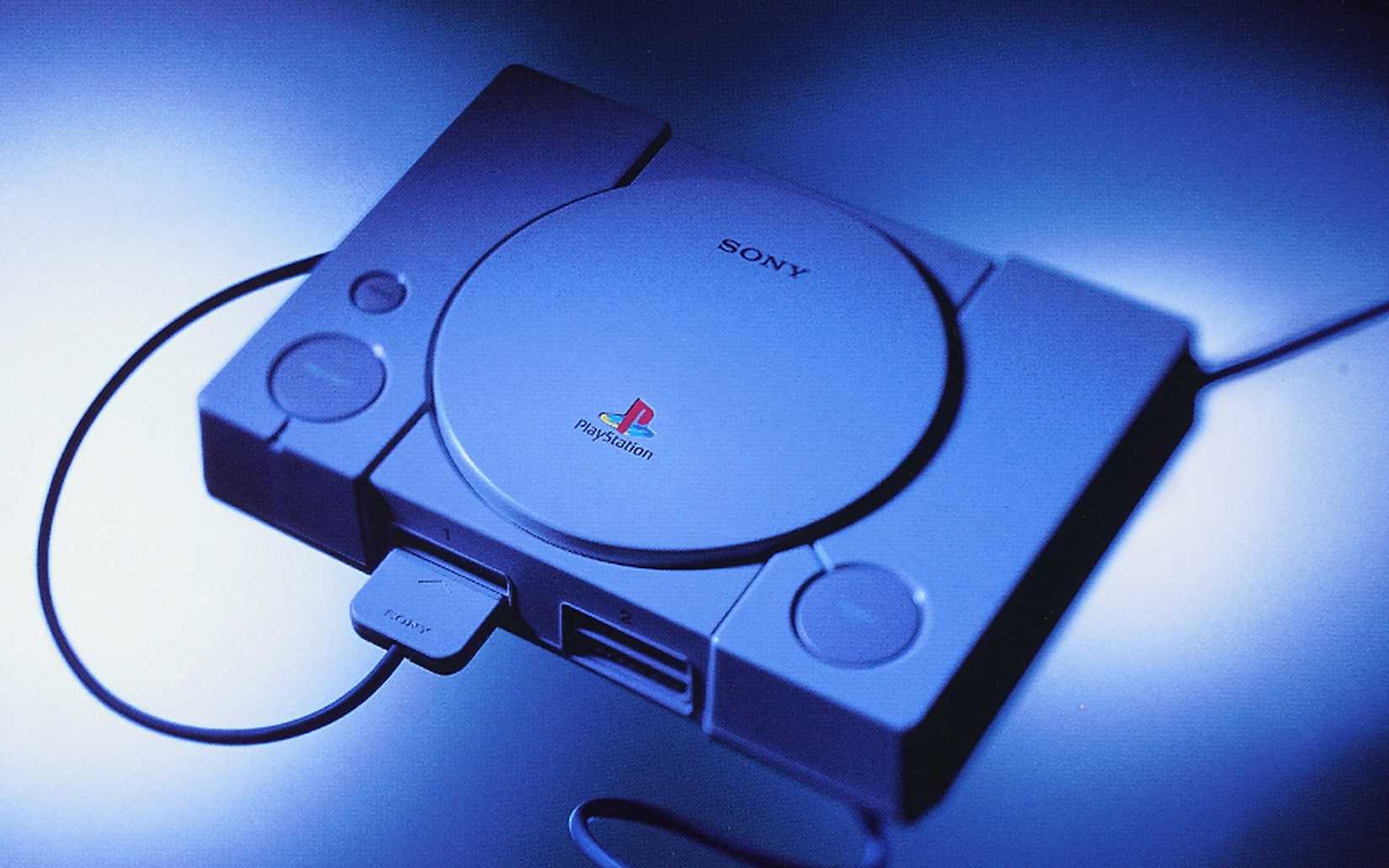
Sony’s Revolution: The Dawn of the CD-ROM (PlayStation 1, 1994): Sony’s entry into the console wars with the original PlayStation in 1994 was a game-changer, largely due to its embrace of the CD-ROM. This decision was strategic: CDs offered significantly larger storage capacity (up to 700 MB) and were far cheaper to produce than cartridges. This enabled developers to incorporate full-motion video (FMV) cutscenes, high-quality audio, and larger game worlds, features that defined the PlayStation era. The lower cost also allowed for more aggressive pricing of games, fueling rapid market expansion.
However, the CD-ROM brought its own set of problems for games. The rotational speed of disc drives meant slower data access times compared to cartridges. This often manifested as noticeable loading screens, a trade-off for the richer content. Furthermore, CDs were physically fragile, susceptible to scratches and dirt, which could render a game unplayable. Many early PlayStation owners recall anecdotal "fixes," such as turning the console upside down, to coerce a damaged disc into reading.
DVDs and Blu-rays: Capacity Gains, Persistent Problems (PlayStation 2, 2000 & PlayStation 3, 2006): The PlayStation 2 continued Sony’s optical disc legacy, adopting the DVD format. DVDs further expanded storage capacity (4.7 GB for single-layer, 8.5 GB for dual-layer), allowing for even grander game experiences. The PS2 became the best-selling console of all time, partly thanks to its affordability and its dual functionality as a DVD player, a significant selling point in the early 2000s.

The PlayStation 3 then ushered in the Blu-ray era. With capacities ranging from 25 GB to 50 GB, Blu-ray discs were essential for housing the increasingly complex and graphically intensive games of the high-definition generation. However, the fundamental issues of optical media for games persisted, and in some ways, became more pronounced. While Blu-ray offered vastly improved data transfer rates over DVD, games were still often bottlenecked by the drive’s mechanical nature. Access times remained a significant concern, especially for open-world titles that required constant streaming of assets.
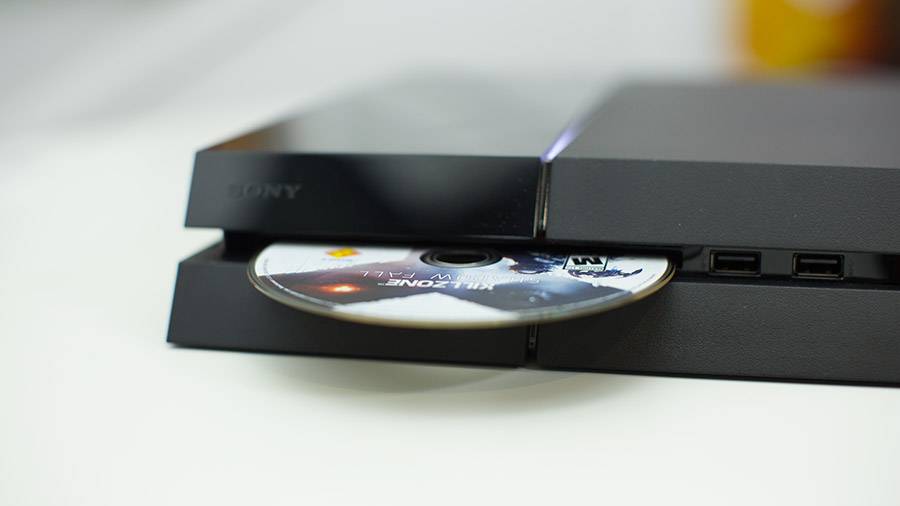
To circumvent these limitations, developers increasingly resorted to mandatory game installations from the disc onto the console’s internal hard drive. This practice, which became standard during the PS3 and Xbox 360 generations, ironically rendered the disc itself largely vestigial after the initial install. It became little more than a license key, taking up valuable hard drive space and adding an often lengthy installation period to the user experience. The physical disc, once the vessel for the entire game, was reduced to a mere key-card for software downloaded and stored digitally.
Nintendo’s Divergence and Return to Silicon: In stark contrast to Sony’s unwavering commitment to optical discs, Nintendo charted a different course. The legendary "Nintendo PlayStation" partnership fell apart, leading Nintendo to release the Nintendo 64 (N64) in 1996, stubbornly sticking with cartridges. While this decision was criticized for the N64’s limited capacity and higher game prices compared to the PlayStation, it upheld the instant-loading, robust nature that defined early console gaming.
Nintendo did experiment with optical discs for the GameCube (mini-DVDs) and Wii/Wii U (proprietary optical discs), but these never quite captured the same "feel" as their cartridge-based predecessors. The company’s triumphant return to flash-based cartridges with the Nintendo Switch in 2017 felt like a spiritual homecoming, aligning the medium perfectly with the console’s portable, instant-play ethos. This demonstrated that, for certain game experiences, silicon-based storage remained superior.
Supporting Data: Why Optical Discs "Sucked" for Games
The assertion that optical discs were a poor fit for games isn’t merely an opinion; it’s rooted in fundamental technical and conceptual disparities between the medium and the art form.
Technical Limitations:
- Slow Access Times: Optical drives rely on a laser reading a spinning disc. This mechanical process is inherently slower than accessing data from solid-state memory, like ROM chips in cartridges or the SSDs prevalent in modern consoles. For linear media like movies or music, where data is read sequentially, this delay is tolerable. For games, which demand near-instantaneous access to disparate assets (textures, models, audio clips, scripts) across complex, non-linear environments, these delays manifest as jarring loading screens, texture pop-in, and stuttering.
- Noise and Wear: Optical drives are mechanical components. They spin discs at high speeds, generating noise and heat. Over time, the moving parts can wear out, leading to drive failures.
- Physical Fragility: Discs are notoriously susceptible to scratches, smudges, and dirt. A minor blemish can render a game unplayable, leading to frustrating crashes or data corruption. This fragility is a significant disadvantage compared to the robust, solid-state nature of cartridges.
- Redundancy through Mandatory Installs: As games grew larger and more complex, the limitations of disc-based streaming became unsustainable. To compensate, console manufacturers and developers mandated full game installations onto the console’s hard drive. This process could take just as long as a digital download, consume significant internal storage, and, crucially, reduced the disc to a mere authentication key. The disc ceased to be the primary vessel for game data, undermining the very essence of physical media.
Conceptual Mismatch:
Optical discs were conceived by the hi-fi and home video industries as replacements for vinyl and VHS tapes. They were designed for temporal, linear works: media with a clear beginning, middle, and end, intended to be consumed passively from start to finish. You insert a movie, press play, and the story unfolds.
Games, however, are fundamentally different. They are instant, interactive, and open-ended. They are not merely "played" but "inhabited." They demand constant, non-linear interaction, with the player actively shaping the experience. Data needs to be read and often written (save files, configuration changes) dynamically. This "read-write" relationship between player and game is poorly served by a medium designed for sequential, read-only playback. Cartridges, with their direct access to ROM chips, were always a better conceptual fit, mirroring the instant responsiveness demanded by interactive entertainment.
Official Responses and Industry Trends
While Sony’s official statement focused on "streamlining operations" and "adapting to evolving consumer preferences," the underlying motivations are clear: economic efficiency and strategic alignment with digital-first trends.
Economic Drivers:
- Reduced Manufacturing Costs: Eliminating physical disc production cuts significant costs associated with pressing discs, printing packaging, and assembling retail units.
- Streamlined Distribution: Digital distribution bypasses the entire physical supply chain – shipping, warehousing, and retail shelf space. This reduces logistical overhead and speeds up market delivery.
- Increased Profit Margins: Publishers and platform holders retain a larger percentage of each sale when games are sold digitally, as there are no retailers to pay or physical goods to produce.
- Greater Control: Digital storefronts give platform holders unprecedented control over pricing, sales, and the availability of games, allowing for dynamic adjustments and curated experiences.
Industry-Wide Shift: PlayStation is not an outlier in this trend. PC gaming has been overwhelmingly digital for decades. Xbox has also embraced digital distribution, offering disc-less consoles (like the Xbox Series S) and heavily promoting its Game Pass subscription service, which further normalizes digital libraries. The industry has been steadily moving towards digital for years, driven by convenience, cost, and the increasing ubiquity of high-speed internet. This move by PlayStation is less a sudden shock and more the logical culmination of a long-term strategic shift.
Implications: A Future Without Discs
The cessation of physical PlayStation games carries profound implications across multiple dimensions:
For Consumers:
- Loss of Ownership vs. Licensing: The most significant concern is the shift from "owning" a physical copy to "licensing" a digital one. If a digital storefront shuts down, or a game is delisted, consumers risk losing access to their purchased titles. This is a significant blow to consumer rights and the ability to control one’s media library.
- Impact on Resale Market: The used game market, a vital ecosystem for many gamers and a source of affordable titles, will cease to exist for PlayStation games. This affects affordability, accessibility, and the economic value of game collections.
- Preservation Challenges: Digital-only distribution poses enormous challenges for game preservation. Games become reliant on active servers and storefronts. If these are decommissioned, titles can be lost to future generations, making the study and enjoyment of gaming history far more difficult.
- Digital Dependence and Storage: Players will become entirely reliant on digital downloads, requiring robust internet connections and ample internal storage. As game sizes continue to grow, managing digital libraries will become a more pressing issue.
- Convenience vs. Tangibility: While digital offers convenience (no disc swapping, instant access), it sacrifices the tangible joy of physical collections – the box art, manuals, and the simple act of holding a game.
For the Industry:
- Increased Profitability: Publishers will see higher profit margins, potentially leading to increased investment in game development or more aggressive pricing strategies.
- Enhanced Control: Platform holders gain unprecedented control over their content ecosystem, from distribution to pricing and promotional strategies.
- Focus on Live Services: The digital-only model further facilitates the growth of live-service games, where ongoing updates, microtransactions, and subscriptions are central to the revenue model.
- Impact on Retailers: Physical game retailers, already struggling, will face another significant blow, potentially leading to further consolidation or closures in the gaming sector.
For Art and Preservation:
The critical question remains: how do we preserve interactive art in an all-digital future? Emulation, digital archives, and institutional efforts become even more vital. The disappearance of physical media means the burden of preservation shifts entirely to platform holders and dedicated archival bodies, raising concerns about corporate gatekeeping and potential neglect.
Beyond the Disc: The Future of Physical Media
While this author celebrates the end of the optical disc’s reign in gaming, the call for physical games remains strong. The solution, however, lies not in clinging to an outdated medium but in embracing superior alternatives. Flash-based cartridges, akin to those used by Nintendo Switch, offer the ideal blend of durability, speed, and tangible ownership. Imagine beautifully packaged, high-capacity cartridges for PlayStation, complete with art books and collector’s items. Or perhaps even sleek, archival-grade USB drives that house entire games, offering the convenience of digital with the security of physical ownership.

The notion of "physical games forever" is not about a specific format, but about the principle of ownership and preservation. It’s about having a choice, a tangible connection to the art we cherish, independent of server uptime or corporate whims. Sony’s decision marks the inevitable end of the optical disc in gaming, a format that, despite its historical impact, was never truly suited for the medium. Now, the industry must innovate to ensure that the spirit of physical game ownership, freed from the limitations of flimsy, slow, and noisy discs, can truly thrive in the digital age.
This pivotal moment demands a re-evaluation of what "physical media" means for games. It’s an opportunity to move beyond the flawed disc and explore new, more fitting ways to honor the enduring appeal of tangible interactive art. The whirring of the disc drive may soon be a distant memory, but the desire to hold, collect, and truly own our games should never fade.