

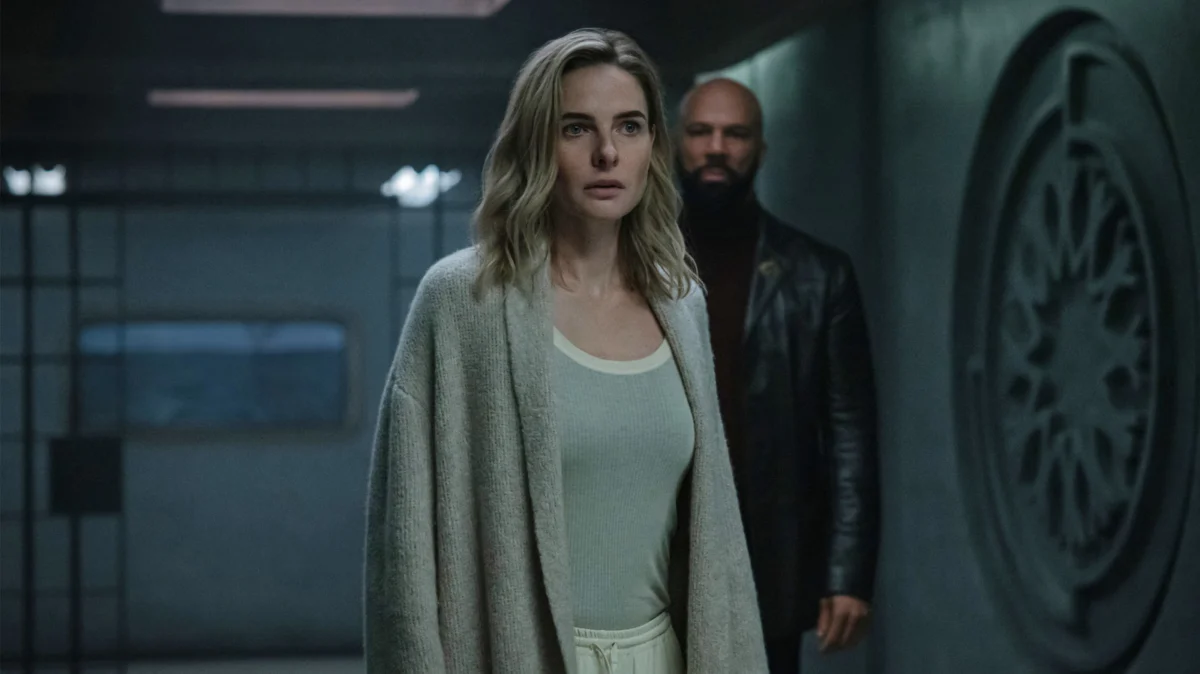
The return of Apple TV+’s Silo has sent shockwaves through its dedicated fanbase. Known for its claustrophobic tension, intricate set design, and a relentless commitment to world-building, the series has cemented its status as one of the most compelling pieces of science fiction on modern television. However, the Season 3 premiere has left viewers with a distinct sense of disorientation. As the dust settles from the explosive events of the Season 2 finale, the landscape of the Silo has undergone a radical transformation—and a significant portion of its primary cast is conspicuously absent.
To understand why key figures like Bernard Holland, Martha Walker, and Lukas Kyle have vanished from the screen, one must look at both the narrative logistics of the show’s new status quo and the ambitious structural shift the writers have adopted for this season.
The New World Order: Life Three Months Post-Revolution
The Season 3 premiere picks up exactly three months after the conclusion of the second season. The violent insurrection that threatened to tear the Silo apart has been quelled, largely due to the intervention of Juliette Nichols (Rebecca Ferguson). In a stunning reversal of fortune, Juliette has ascended to the role of Mayor. This shift in power has fundamentally altered the political structure of the underground community, replacing the autocratic rule of the Judicial and IT departments with a council composed of various department heads.
However, stability has come at a high cost. The power vacuum left by the death of Bernard Holland—whose demise remains a carefully guarded secret from the general public—has left the hierarchy in a state of flux.
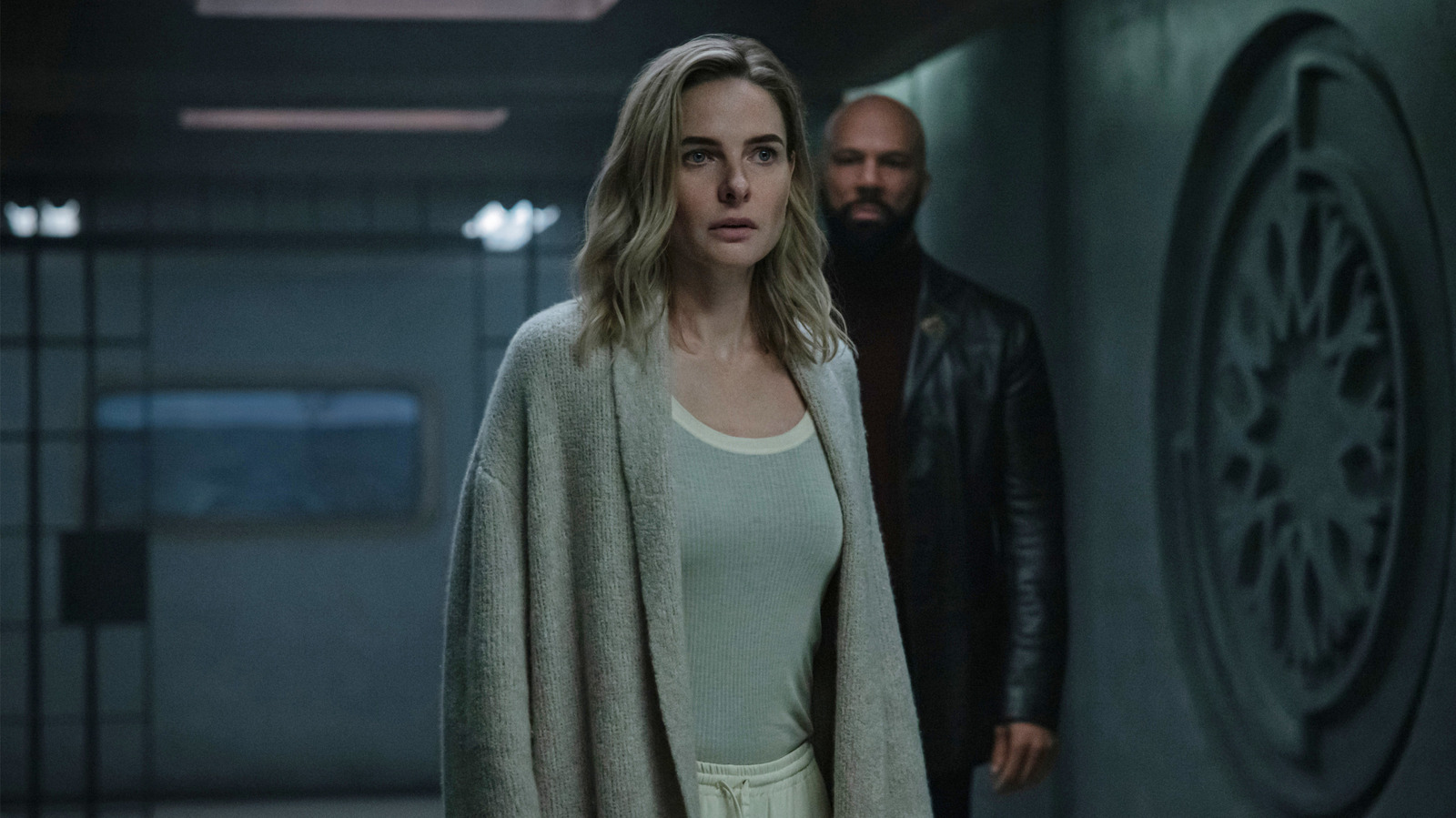
Key Character Absences and Their Implications
The absence of several pillars of the previous seasons is not merely a production choice; it is a narrative consequence of the current volatility:
- Bernard Holland: The former head of IT and de facto ruler of the Silo is gone. His death is the catalyst for the current political reorganization, but his absence creates a mystery regarding how long the truth about his fate can be suppressed by the new administration.
- Martha Walker: A linchpin of the rebellion, Martha’s absence is felt most keenly in the logistical shadows. Reports indicate she has effectively barricaded herself in the deepest levels of the Silo, guarding the terrifying terminal that houses the "Safeguard Procedure." Her decision to isolate suggests she is not merely hiding, but actively monitoring the existential threat posed by the AI system that oversees the Silo’s population.
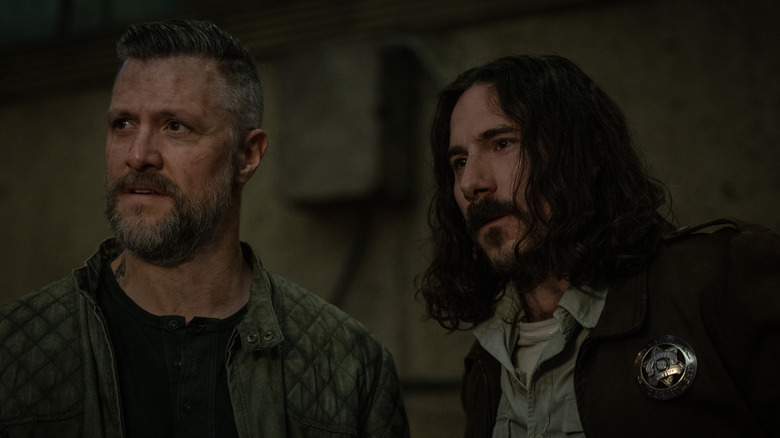
- Lukas Kyle: Perhaps the most haunting disappearance is that of the systems analyst. Having witnessed the true nature of the Safeguard Procedure in the Season 2 finale, Lukas is the only living person who fully comprehends the existential dread inherent in the Silo’s design. While Sheriff Billings posits that Lukas is likely dead, the lack of a confirmed body leaves the door open for his return as a potential wildcard.
- The Silo 17 Contingent: The narrative focus has remained strictly confined to the primary Silo. While fans are eager to see the fate of the survivors from Silo 17, including the mysterious figure known as "Solo," their exclusion serves to heighten the sense of isolation and focus on the immediate political fallout in the main facility.
A Structural Pivot: The ‘Lost’ Influence
Perhaps the most significant development in the Season 3 premiere is the implementation of a dual-narrative timeline. By cutting between the current struggle for control in the Silo and the pre-apocalyptic past, the showrunners are clearly drawing inspiration from the structural DNA of the hit series Lost.
Why the Flashback Format Works
For decades, television writers have attempted to replicate the success of the Lost pilot, which famously used flashbacks to provide emotional context for its stranded survivors. Many imitators failed because they viewed the flashback as a mere delivery mechanism for "lore" or "mystery boxes."
Silo is avoiding this pitfall by grounding its historical sequences in character intimacy. By following Charlotte (Jessica Brown Findlay) and Daniel (Ashley Zukerman) in the moments leading up to an international conflict on the surface, the show is not just explaining how the world ended; it is showing us who these people were before the bunker became the entirety of human existence.
This technique serves two vital functions:
- Emotional Anchoring: By seeing the world before the catastrophe, the audience gains a deeper appreciation for the tragedy of the Silo residents. The contrast between the open, chaotic world of the past and the sterile, controlled environment of the present serves to deepen the viewer’s empathy for the characters’ current plight.
- The Mystery of Connectivity: The inclusion of Daniel, a character introduced in the final moments of Season 2, suggests that the "past" timeline will eventually provide the key to understanding the origins of the Safeguard Procedure and the true purpose of the Silo network.
The Evolution of the Safeguard Procedure
Data points from the premiere confirm that the "Safeguard Procedure" is no longer a looming theoretical threat but an active, systemic reality. The AI machine capable of purging the Silo residents remains the primary antagonist, even if it is not a "character" in the traditional sense.
The silence regarding this machine is deliberate. In the hierarchy of the Silo, knowledge is the most dangerous commodity. Juliette’s tenure as Mayor is currently defined by a high-stakes balancing act: she must maintain the order of the Silo while secretly attempting to dismantle or mitigate a system that was designed to destroy the very people she is now leading.
Implications for the Season Ahead
The absence of major characters should not be viewed as a permanent exit, but rather a strategic reallocation of screen time. As the season progresses, we can anticipate that the missing players—specifically those with knowledge of the IT department’s inner workings—will be forced back into the spotlight as the Safeguard Procedure inevitably makes its presence known.
What the Showrunners Are Signaling
The shift toward a more complex, non-linear narrative signals that Silo is maturing from a straightforward survival drama into a sophisticated geopolitical thriller. The decision to prioritize character-driven flashbacks over rapid-fire plot progression is a bold gamble, but one that aligns with the series’ core strengths.
For the audience, the challenge is to trust the process. The "missing" characters are not forgotten; they are, in many ways, the ticking time bombs that will define the second half of the season. The show is asking its viewers to consider that in a world defined by secrets, the most important story often happens in the spaces where the cameras are not currently looking.
As we look toward the upcoming episodes, the central questions remain:
- Can Juliette maintain a fragile peace while the AI remains active beneath her feet?
- Will the flashbacks reveal a direct connection between the characters of the past and the current power players in the Silo?
- Is the disappearance of Lukas Kyle the beginning of a larger cover-up, or a sign that the rebellion is already fracturing from within?
Ultimately, Silo continues to be a masterclass in tension. By stripping away the comfort of familiar faces, the show has created an environment where no one is safe and every piece of information is suspect. This is not just a season about surviving the Silo; it is a season about discovering why the Silo exists—and at what point humanity decides that living in a cage is no longer worth the safety it provides.








