Basiran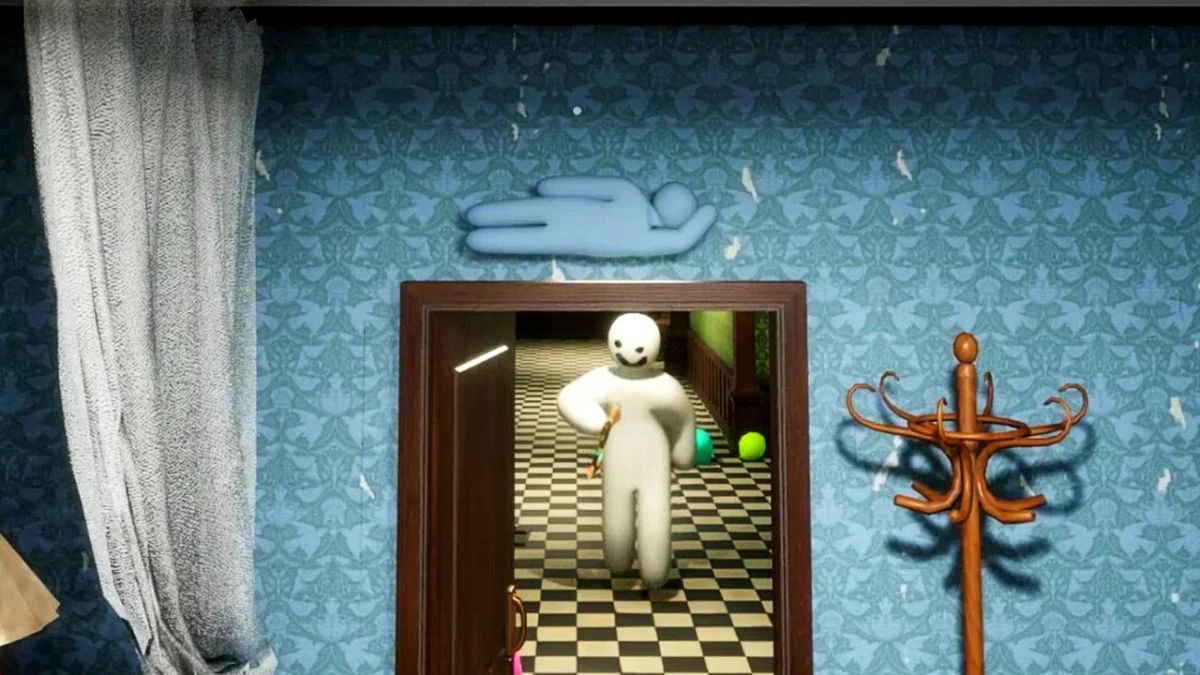
In the fast-paced, high-stakes ecosystem of modern video game development, the "overnight success" story is often treated with a healthy dose of skepticism. Yet, every few years, a title emerges from the digital ether, bypassing the multi-million dollar marketing budgets of AAA conglomerates to capture the zeitgeist of the global gaming community. This year, that title is Meccha Chameleon.
In a staggering display of virality and player engagement, the indie sensation has officially crossed the 15 million units sold mark in less than four weeks. This unprecedented growth trajectory has not only cemented its status as the fastest-selling game of the year but also as the highest-selling title of 2024 to date, outperforming industry titans like Resident Evil: Requiem and Forza Horizon 6.
The Core Concept: Why Everyone Is Playing Hide-and-Seek
To understand the meteoric rise of Meccha Chameleon, one must look at the simplicity of its core gameplay loop. At its heart, the game is a high-stakes, multiplayer iteration of hide-and-seek that weaponizes paranoia.
Before a match commences, players are divided into two teams: Hiders and Seekers. The Hiders are granted a blank canvas—an all-white avatar—which they must skillfully paint and manipulate to blend into the surrounding environment. Whether they are camouflaging themselves as a piece of furniture, a stray box, or even a roll of toilet paper, the objective is to remain undetected as the Seekers roam the map.
The Seekers, conversely, are equipped with weaponry and a mounting sense of distrust. The tension arises from the fact that the Seekers must fire at any object they suspect of being a player. The result is a chaotic, hilarious, and often high-stress experience where a player might accidentally destroy an innocent piece of scenery while a genuine "Hider" watches from the shadows, barely holding back their laughter. It is this "emergent gameplay"—the funny, unpredictable moments created by human interaction—that has made the game a staple of Twitch streams and TikTok feeds worldwide.
Chronology of a Viral Explosion
The path to 15 million copies was not paved with traditional advertising, but rather a perfect storm of community-driven promotion and social media visibility.
- Launch Week: Upon its quiet debut on Steam, Meccha Chameleon immediately saw a surge in concurrent players. Gaming influencers quickly picked up on the game’s comedic potential, leading to a cascade of viral clips that showcased the game’s most absurd "hiding" failures.
- The Two-Week Milestone: Just 14 days after release, the developers confirmed that the title had surpassed the 7 million sales mark. By this point, the game had already transitioned from a "hidden gem" to a mainstream cultural phenomenon, consistently ranking in the top tier of Steam’s global top sellers.
- The Four-Week Threshold: As the first month of availability draws to a close, the official tally has hit 15 million. This milestone is statistically significant, placing Meccha Chameleon in a rare echelon of breakout hits that includes historical giants like Among Us and Fall Guys.
Supporting Data: An Analyst’s Perspective
The sheer speed at which Meccha Chameleon has moved units has caught the attention of industry experts. Niko Partners video game analyst Daniel Ahmad has been tracking the title’s progress, noting that the game’s success is a direct result of its accessibility and consistent support.
"This milestone makes Meccha Chameleon both the fastest-selling and highest-selling game of the year," Ahmad noted in a recent assessment. "It is important to emphasize that this is an indie title. To see it outperform massive franchises like Crimson Desert is a testament to the shifting preferences of the modern player base. Players are increasingly gravitating toward social-first experiences that provide immediate, low-barrier-to-entry entertainment."
Ahmad further highlighted the operational excellence of the development team. "Often, when a small project experiences this level of explosive growth, the infrastructure collapses under the weight of new users, and the developers are unable to keep up with bug fixes or feature requests. The two developers behind this game have done an extraordinary job maintaining a consistent cadence of updates, which has kept the player base from churning."
Official Responses and the Future Roadmap
The development team has remained remarkably grounded despite the sudden influx of success. In a recent, concise blog post on the game’s Steam page, the creators expressed their gratitude for the community’s support.
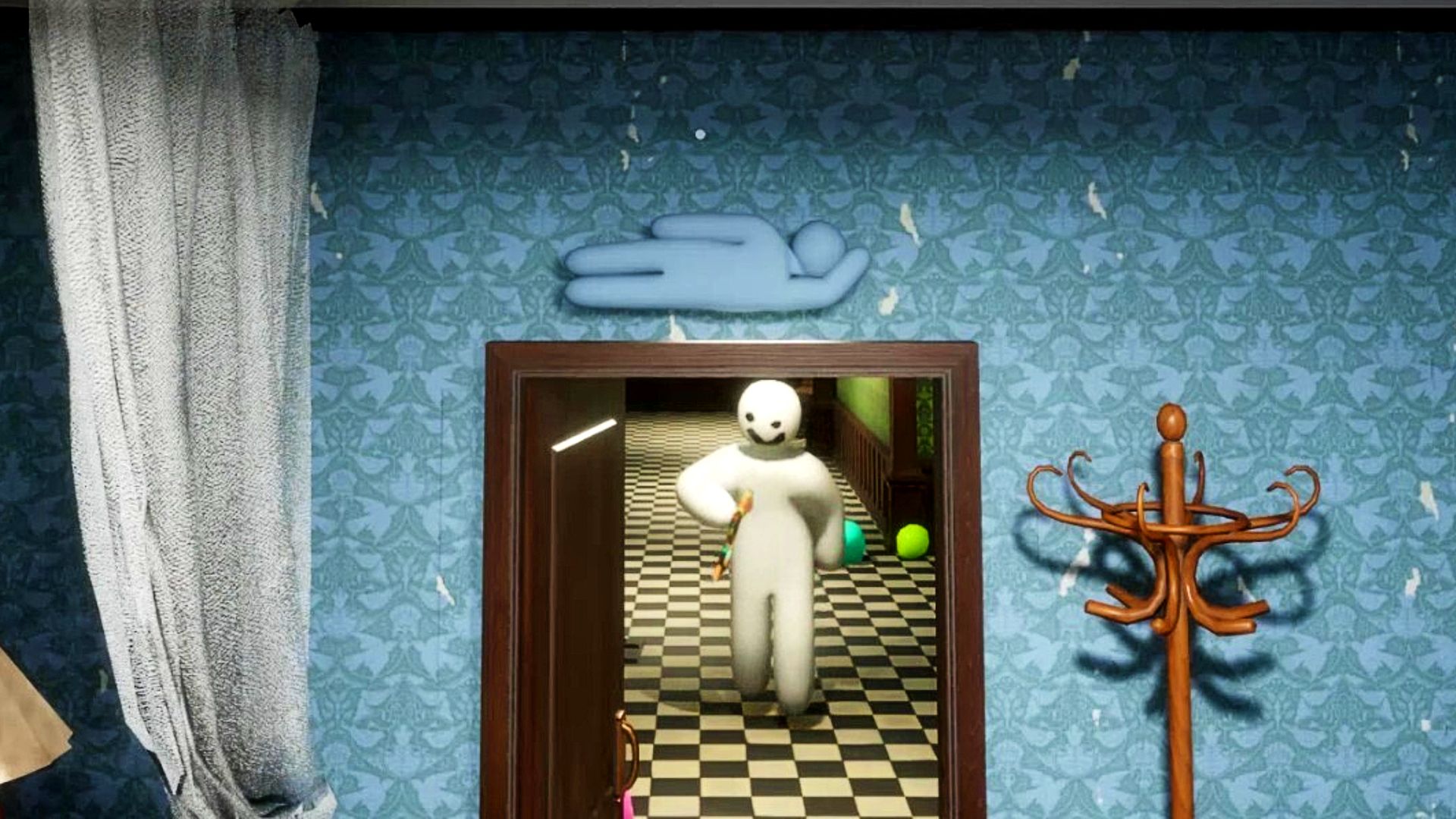
"Thanks a million! Get ready for a new collaboration with a famous Japanese star next week," the developers wrote.
This telegraphed announcement of a "Japanese star" collaboration suggests that the team is already looking toward expansion and long-term retention. By leaning into the "event" style of updates—much like the seasonal rotations seen in Fortnite—the developers are clearly aiming to transition Meccha Chameleon from a viral fad into a permanent fixture in the multiplayer landscape.
While the developers have not officially commented on their revenue projections or long-term financial strategy, the move to collaborate with high-profile names indicates a transition into a more aggressive growth phase.
Implications: The Indie Shift
The success of Meccha Chameleon raises important questions for the wider gaming industry. For years, the prevailing wisdom has been that to achieve mass-market success, a game requires a "cinematic" budget, high-fidelity graphics, and a sprawling narrative. Meccha Chameleon proves the inverse: in a crowded market, the most valuable currency is player agency and "shareability."
The "Algorithm-First" Design
Modern game design is increasingly influenced by how a game looks on a screen—not just to the player, but to the viewer. Meccha Chameleon is inherently "clip-able." Its premise is easily understood in a 15-second vertical video, making it perfectly optimized for algorithms on TikTok, Instagram Reels, and YouTube Shorts. Developers who can create games that are as fun to watch as they are to play are currently holding the keys to the kingdom.
The Sustainability Challenge
Despite the triumph, the road ahead remains treacherous. The "indie success" trap is well-documented; developers who see overnight growth often face immense pressure to scale their teams, manage server costs, and satisfy a community that is notoriously fickle.
The two-person team behind Meccha Chameleon currently faces the "scaling dilemma." Can they continue to provide the level of care and responsiveness that made the game a success while managing a player base that has grown to 15 million? If they can maintain their current trajectory, they may well redefine what it means to be a "successful" developer in the 21st century, proving that with the right idea and the right community engagement, the giants of the industry are more vulnerable than ever.
Looking Ahead
As the industry watches with bated breath, Meccha Chameleon continues to dominate the charts. Whether it manages to sustain this momentum into the next quarter remains to be seen, but one thing is certain: the era of the "viral indie" has reached a new peak.
For now, the game stands as a beacon for smaller studios, proving that gamers are still hungry for innovation, humor, and—most importantly—the thrill of the hunt. If you haven’t yet joined the millions currently painting themselves to look like inanimate objects, you might be missing out on the defining gaming experience of the year.
Stay tuned for further updates on the upcoming Japanese collaboration and potential roadmap expansions as the developers continue to refine their hit title.


 Laily UPN
 Nana
Nana