

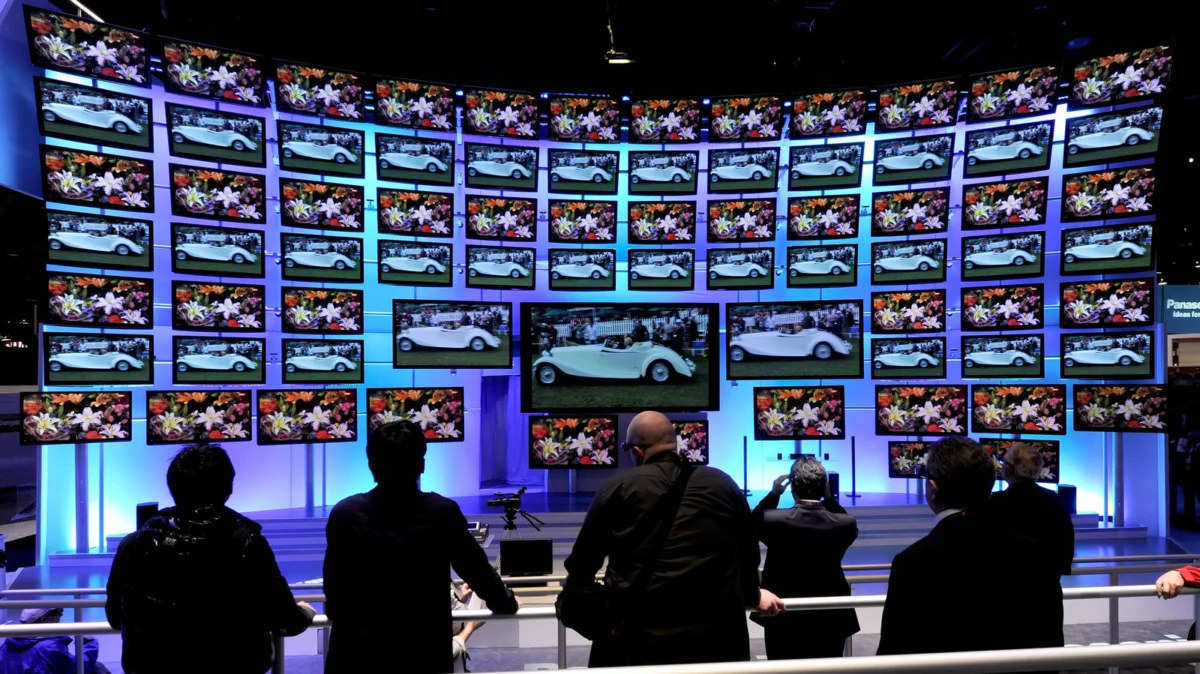
As the home entertainment landscape shifts toward the vibrant, high-contrast future of Micro RGB displays and the relentless refinement of OLED technology, it is easy to view the early 2010s as a strange, anomalous era. For a brief, feverish window, the consumer electronics industry was obsessed with a single, gimmick-laden promise: bringing the cinematic depth of the local multiplex into the living room.
Between 2010 and 2015, 3D television was positioned as the "next big thing." It was the mandatory headline feature at every CES, pushed by manufacturers who insisted that the flat-panel era was obsolete. Yet, barely a decade later, the technology has all but vanished from the consumer market. To understand why 3D TV failed so spectacularly—and why it serves as a cautionary tale for modern hardware trends—we must look beyond the hardware and examine the intersection of consumer psychology, industry overreach, and the fundamental friction of the home viewing experience.
The Chronology of a Failed Revolution
The rise of 3D at home was not an organic consumer demand; it was a top-down push orchestrated by Hollywood and hardware giants.
- 2009-2010: The Catalyst: The massive commercial success of James Cameron’s Avatar signaled to studios that 3D could command premium ticket prices. Manufacturers, desperate to differentiate their hardware in a maturing flat-panel market, rushed to integrate stereoscopic technology into high-end HDTVs.
- 2011-2012: Peak Hype: Major electronics brands (Samsung, Sony, LG, Panasonic) saturated the market. Nearly every mid-to-high-tier TV launched in this window included 3D capability. Hollywood followed suit, converting legacy films into 3D and mandating 3D versions for major tentpole releases.
- 2013: The First Cracks: Broadcasters began retreating. The BBC and ESPN, two major pillars of 3D content, shuttered their dedicated 3D channels. Public interest plummeted as the "novelty factor" wore off.
- 2015-2016: The Exit: As 4K and HDR (High Dynamic Range) began to dominate the marketing narrative, 3D was quietly phased out. By 2016, no major manufacturer was producing 3D-capable televisions.
The Friction of Immersion: Why Consumers Said No
The primary reason for the failure of 3D TV was a lack of convenience. In the home theater ecosystem, convenience is king, and 3D was the antithesis of this principle.
The Hardware Hurdle
To watch a 3D movie at home, a consumer had to navigate a minefield of hardware requirements. One needed a 3D-compatible display, a compatible Blu-ray player, and, crucially, the glasses. This was a point of deep contention. "Passive" glasses (the cheap, polarized ones used in theaters) effectively halved the vertical resolution of a 1080p display, leading to a muddy, diminished image. "Active" shutter glasses provided a higher-quality experience but required bulky batteries, constant recharging, and carried a steep price tag—often $50 or more per pair.
For a family of four, hosting a 3D movie night required an investment of hundreds of dollars just in eyewear. If a friend dropped by, they were relegated to the "2D seat" or forced to miss out entirely. This created an exclusionary experience that discouraged social viewing.
The "Engagement" Problem
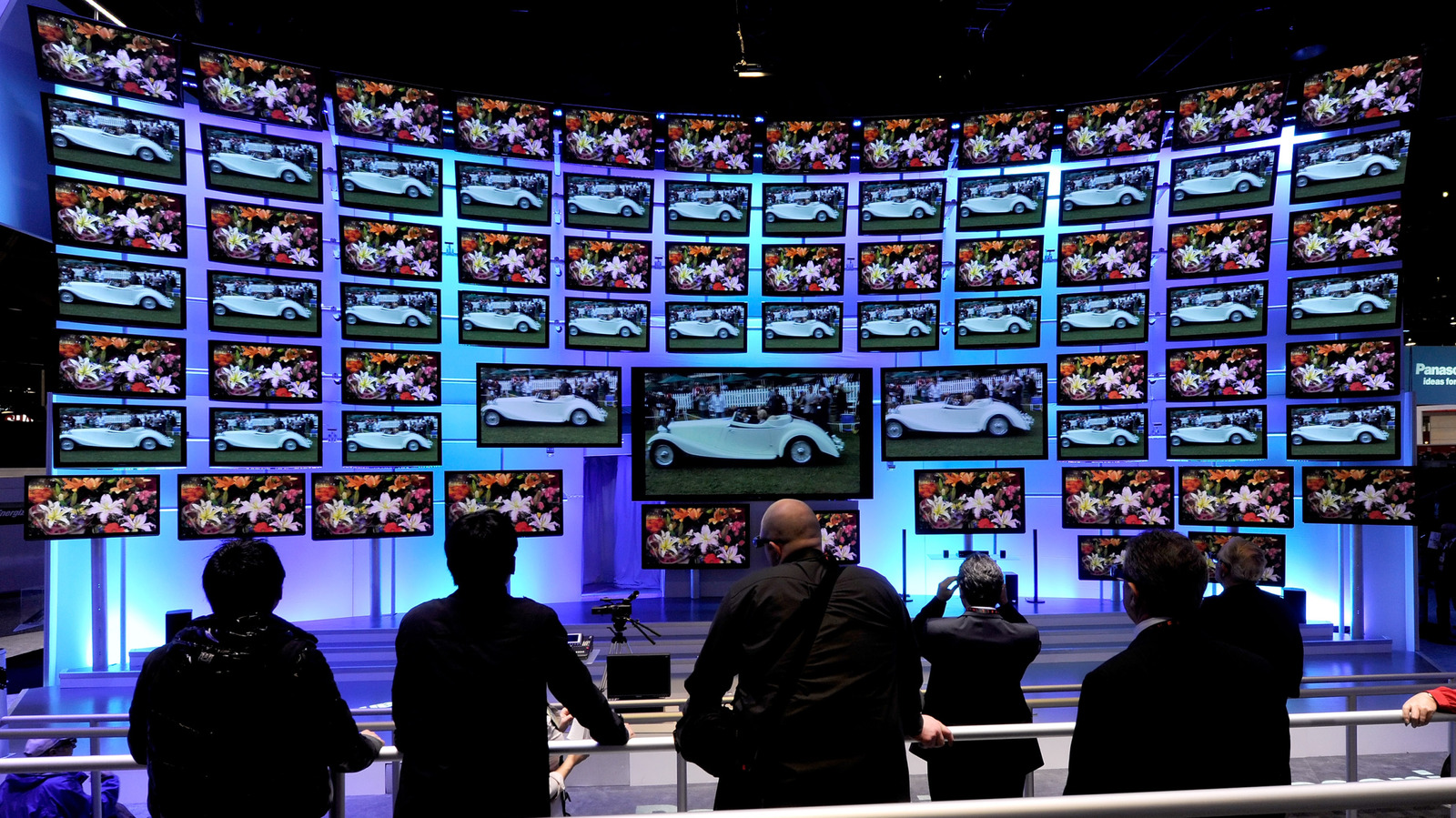
The BBC’s head of 3D, Kim Shillinglaw, hit the nail on the head in a 2013 interview: "Watching 3D is quite a hassly experience in the home. You have got to find your glasses before switching on the TV." Home viewing is inherently passive and relaxed. The requirement to put on eyewear signaled a shift from "relaxing" to "working," a barrier that most viewers were unwilling to cross after a long day.
Supporting Data: The Consumer Verdict
Data from the era reflects a swift decline in user retention. According to market analysis from Precision Reports, while 25% of households with 3D-capable sets experimented with the feature during the peak period of 2010–2018, fewer than 10% remained consistent users after the first three years.
The reasons for abandonment were consistent across demographics:
- 65% cited a lack of meaningful, high-quality content.
- 50% reported physical discomfort, including headaches and eye strain, during long viewing sessions.
- 42% pointed to the high cost of the equipment, including the specialized Blu-ray discs and the necessary hardware upgrades.
These statistics paint a picture of a technology that failed the "value-for-effort" test. Unlike the transition from 720p to 1080p, or from 1080p to 4K, 3D did not improve the fundamental quality of the image—it merely added a gimmick that often made the picture darker, blurrier, or more taxing on the eyes.
Hollywood’s Miscalculation: The Quality Gap
While James Cameron’s Avatar proved that 3D could be a narrative tool, Hollywood’s subsequent strategy was built on greed rather than artistry. Studios realized they could charge an extra $3 to $5 per ticket for 3D screenings, which led to a deluge of "post-production conversions."
Films like Clash of the Titans were not shot in 3D; they were 2D films processed by software to mimic depth. The results were often disastrous—visual artifacts, poor depth mapping, and a "cardboard cutout" effect where actors appeared to be layered like paper dolls against a flat background. This eroded public trust. By 2012, even the most casual theater-goers were beginning to avoid 3D showings, favoring the standard 2D experience. Producer Jeffrey Katzenberg, once a vocal champion of the format, eventually admitted that the industry had "disappointed our audience" by prioritizing volume over quality.
The Path Forward: Where 3D Lives Today
Despite the death of the 3D TV, the technology hasn’t vanished—it has simply migrated to more specialized platforms.
The VR Renaissance
Virtual Reality has become the true home of stereoscopic 3D. Because VR headsets occupy the user’s entire field of vision and utilize individual lenses for each eye, they solve the "glasses" issue by making the hardware part of the experience. Platforms like the Apple Vision Pro and Meta Quest offer a premium 3D experience that far exceeds what a 2012-era television could provide. Here, the depth is natural, the resolution is high, and the immersion is genuine.
The High-End Projector Market
For the dedicated cinephile, 3D remains a niche hobby. High-end projectors, such as those from BenQ or the high-performance XGIMI Titan Noir Max, still support 3D. However, these are expensive, enthusiast-grade devices. The barrier to entry remains high, but for those willing to spend thousands of dollars, the theatrical experience is finally replicable at home—provided you are willing to source the increasingly rare 3D Blu-ray discs.
Implications for Future Tech
The rise and fall of 3D TV offers three critical lessons for the future of consumer electronics:
- Content is the Engine: No amount of fancy hardware can survive without a consistent, high-quality stream of content. When 4K arrived, it was supported by the rapid growth of Netflix and streaming platforms. 3D remained locked behind expensive physical media, ensuring its eventual demise.
- Friction Kills Innovation: If a technology requires the user to "prepare" their environment—donning glasses, checking batteries, or adjusting settings—it will lose to the technology that works instantly.
- Don’t Mistake a Gimmick for a Feature: 3D was a gimmick masquerading as a feature. It did not improve the core function of a television (to display high-quality images). Conversely, HDR and high-refresh-rate panels provide tangible benefits to every single frame of video, which is why they succeeded where 3D failed.
As we look toward the potential of glasses-free 3D and holographic displays, the industry would do well to remember the "3D TV graveyard." Innovation is not just about what is possible; it is about what makes the user’s life easier, not more complicated. For now, the most immersive way to watch a movie remains a high-quality, 2D, high-contrast 4K OLED screen—a testament to the fact that sometimes, the best depth is found in the clarity of the image, not the trickery of the lens.











