Lina Irawan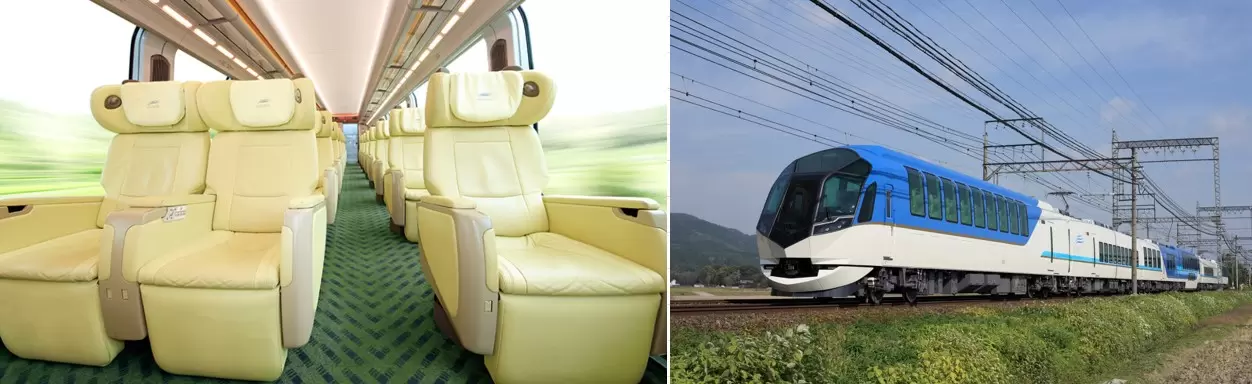
Introduction: The Gateway to the Kansai Region
For travelers traversing the cultural heart of Japan, the Kintetsu Railway network serves as an essential artery. Connecting the neon-lit streets of Osaka with the ancient temples of Nara, the industrial vitality of Nagoya, and the serene coastal beauty of Ise-Shima, the Kintetsu Limited Express is more than just a train—it is a premium travel experience. As of June 2026, the demand for efficient and comfortable transit in the Kansai area has reached new heights. Understanding how to secure a seat on these high-speed services is paramount for both domestic commuters and international tourists alike.
Main Facts: Understanding the Kintetsu System
To ride a Kintetsu Limited Express train, passengers must understand the fundamental dual-ticket requirement. Unlike local commuter trains where a single fare suffices, the Limited Express requires two distinct documents:
![[2026 Latest] Complete Guide to Buying Kintetsu Limited Express Tickets: Online, at Ticket Counters, and at Ticket Machines](https://resources.matcha-jp.com/resize/720x2000/2024/11/21-211063.webp)
- The Basic Fare Ticket: This covers the cost of travel between your departure and arrival stations.
- The Limited Express Ticket: This serves as your reservation for a specific seat on a specific train.
All seats on Kintetsu Limited Express services are strictly reserved. Attempting to board without a Limited Express ticket will result in a surcharge or, during peak periods, the inability to find a seat. These trains are renowned for their specialized fleet, including the luxurious SHIMAKAZE, the cultural-themed AONIYOSHI, and the high-speed, sleek HINOTORI. Whether you are planning a business trip to Nagoya or a pilgrimage to the Ise Grand Shrine, the reservation process is the first step in your itinerary.
Chronology: The Lifecycle of a Reservation
Planning your travel timing is crucial. The Kintetsu reservation system operates on a strict timeline designed to balance accessibility with order.
![[2026 Latest] Complete Guide to Buying Kintetsu Limited Express Tickets: Online, at Ticket Counters, and at Ticket Machines](https://resources.matcha-jp.com/resize/720x2000/2024/11/22-211131.webp)
- T-Minus One Month: The booking window officially opens at 10:30 AM (Japan Standard Time) exactly one month prior to the date of travel. For example, if you intend to travel on July 29th, reservations become available on June 29th at 10:30 AM.
- The Planning Phase: Because premium services like SHIMAKAZE and AONIYOSHI operate with limited capacity and high demand, they often sell out within minutes of release during holiday seasons, Golden Week, and weekends.
- Pre-Departure Adjustments: Kintetsu’s digital infrastructure allows passengers to change their seat selections up to three times free of charge, provided the train has not yet departed. This provides a significant layer of flexibility for travelers whose schedules may shift due to unforeseen circumstances.
Supporting Data: Comparative Purchase Methods
Choosing the right purchase method can significantly impact the ease of your journey. As of mid-2026, there are three primary channels for acquiring tickets, each with its own pros and cons.
1. The Online Portal (Recommended)
The Kintetsu online reservation system is the gold standard for international travelers. By accessing the official Kintetsu Reservation Website, users can secure their seats from anywhere in the world before even landing in Japan.
![[2026 Latest] Complete Guide to Buying Kintetsu Limited Express Tickets: Online, at Ticket Counters, and at Ticket Machines](https://resources.matcha-jp.com/resize/200x2000/2025/06/09-235798.webp)
- Advantages: You avoid physical queues at the station. You can select your seat via an interactive map. It is the only way to guarantee a seat on high-demand trains before arrival.
- Caveats: The system is exclusively credit-card based. Once purchased, the ticket is "ticketless," meaning your mobile device serves as your boarding pass.
2. Station Ticket Counters
For those who prefer face-to-face service, Kintetsu maintains staffed counters at major stations.
- Advantages: Staff can assist with complex multi-leg itineraries or provide advice on the best routes. They accept cash, credit cards, and certain electronic payments.
- Caveats: These counters are prone to congestion. With limited staff, waiting times can be substantial, particularly during peak travel hours or holiday departures.
3. Limited Express Ticket Vending Machines
Strategically placed on platforms and inside ticket gates, these machines are ideal for last-minute travelers.
![[2026 Latest] Complete Guide to Buying Kintetsu Limited Express Tickets: Online, at Ticket Counters, and at Ticket Machines](https://resources.matcha-jp.com/resize/200x2000/2025/06/09-235801.webp)
- Advantages: Conveniently located at the point of departure. They accept a wide variety of payment methods, including IC cards (like Suica or Pasmo), cash, and credit cards.
- Caveats: You must already be inside the station environment to access them, meaning you have already committed to a route.
Official Responses: Addressing Traveler Concerns (FAQ)
Q: Can I purchase tickets on the day of travel?
A: Yes, all three methods (online, counter, machine) remain open for same-day bookings. However, for specialized trains like SHIMAKAZE, availability is rarely guaranteed on the day of travel. We strongly advise against "walk-up" purchases for these specific services.
Q: Are international credit cards accepted?
A: Yes, the online portal accepts major international brands including VISA, Mastercard, JCB, and American Express.
![[2026 Latest] Complete Guide to Buying Kintetsu Limited Express Tickets: Online, at Ticket Counters, and at Ticket Machines](https://resources.matcha-jp.com/resize/200x2000/2025/06/09-235800.webp)
Q: What is the most convenient option for foreign visitors?
A: For those visiting Japan, the integration of online electronic tickets is the most efficient method. Recently, partnerships with platforms like KKday have streamlined the process further by offering combined bundles—regular train tickets and Limited Express tickets—that arrive as a simple QR code on your smartphone. This eliminates the need to navigate the standard Japanese ticketing interface.
Implications: The Future of Seamless Transit
The shift toward "ticketless" travel and QR-code-based boarding represents a broader evolution in Japan’s transit infrastructure. By removing the dependency on physical paper tickets, Kintetsu has reduced its environmental footprint and drastically lowered the barrier to entry for international tourists who may be unfamiliar with the complexities of Japanese railway ticketing.
![[2026 Latest] Complete Guide to Buying Kintetsu Limited Express Tickets: Online, at Ticket Counters, and at Ticket Machines](https://resources.matcha-jp.com/resize/720x2000/2024/11/21-210918.webp)
Strategic Advice for Travelers
- Prioritize the "Early Bird" Strategy: If your trip includes the Ise-Shima region, target your booking for the 10:30 AM release window exactly one month in advance.
- Digital Readiness: Ensure your smartphone is fully charged and that you have a stable data connection. Because tickets are now digital, a dead battery can lead to boarding complications.
- Use the Map Feature: When booking online, do not just select a "seat." Utilize the visual map feature to ensure you are sitting in a carriage with the best views, especially if you are traveling the scenic coastal routes to Kashikojima.
Conclusion
Navigating the Kintetsu Limited Express network is an exercise in efficiency. By utilizing the robust online reservation systems, international travelers can bypass the stressors of manual booking and focus on the primary goal of their journey: experiencing the breathtaking landscapes and rich cultural heritage of the Kansai region. Whether you choose the luxury of the SHIMAKAZE or the classic efficiency of a standard Limited Express service, the key to a successful journey lies in early preparation and the smart use of modern digital tools. Plan ahead, book early, and enjoy the unparalleled comfort of Japan’s premier rail service.


 Neng Nana
 Asro
Asro