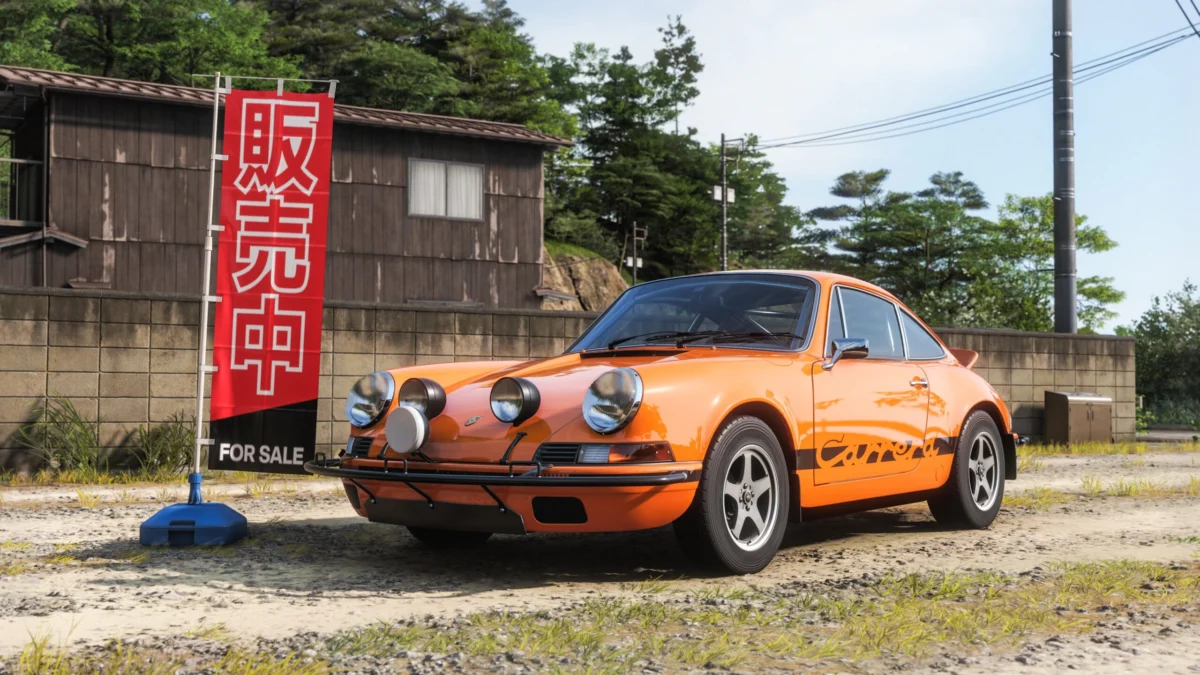
In the fast-paced, high-octane world of virtual automotive entertainment, few franchises command the respect and adoration of Forza Horizon. Since its inception, the series has served as the gold standard for open-world arcade racing, blending a festival-like atmosphere with an unmatched stable of vehicles and breathtaking vistas. However, with the release of Forza Horizon 6, set against the vibrant, neon-soaked backdrop of Japan, a familiar question returns to the forefront of the gaming discourse: Does a long-running series need to reinvent itself to stay relevant, or is there value in the comfort of a well-oiled machine?
After spending over 30 hours with a near-final build of the title, the verdict is as clear as the high-fidelity reflection on a rain-slicked Tokyo street: Forza Horizon 6 is a game that knows exactly what it is, and it is entirely content to stay the course.
The Evolution of a Formula: A Familiar Start
There is a pervasive industry theory that for a series to maintain its popularity, it must gradually "soften" its edges to appeal to an increasingly broad demographic. Upon booting up Forza Horizon 6, I held a faint, perhaps foolish, hope that Playground Games might defy this trend. I hoped for a game that dared to alienate the casual player in favor of a sharper, more challenging experience.
Instead, the opening minutes of Forza Horizon 6 act as a nostalgic warm embrace. The curated soundtrack hits with precision, immediately setting a tone of aspirational escapism. The main menu, featuring the now-iconic looping shots of high-end supercars and the impossibly cool (if slightly generic) festival-goers, feels like returning home.
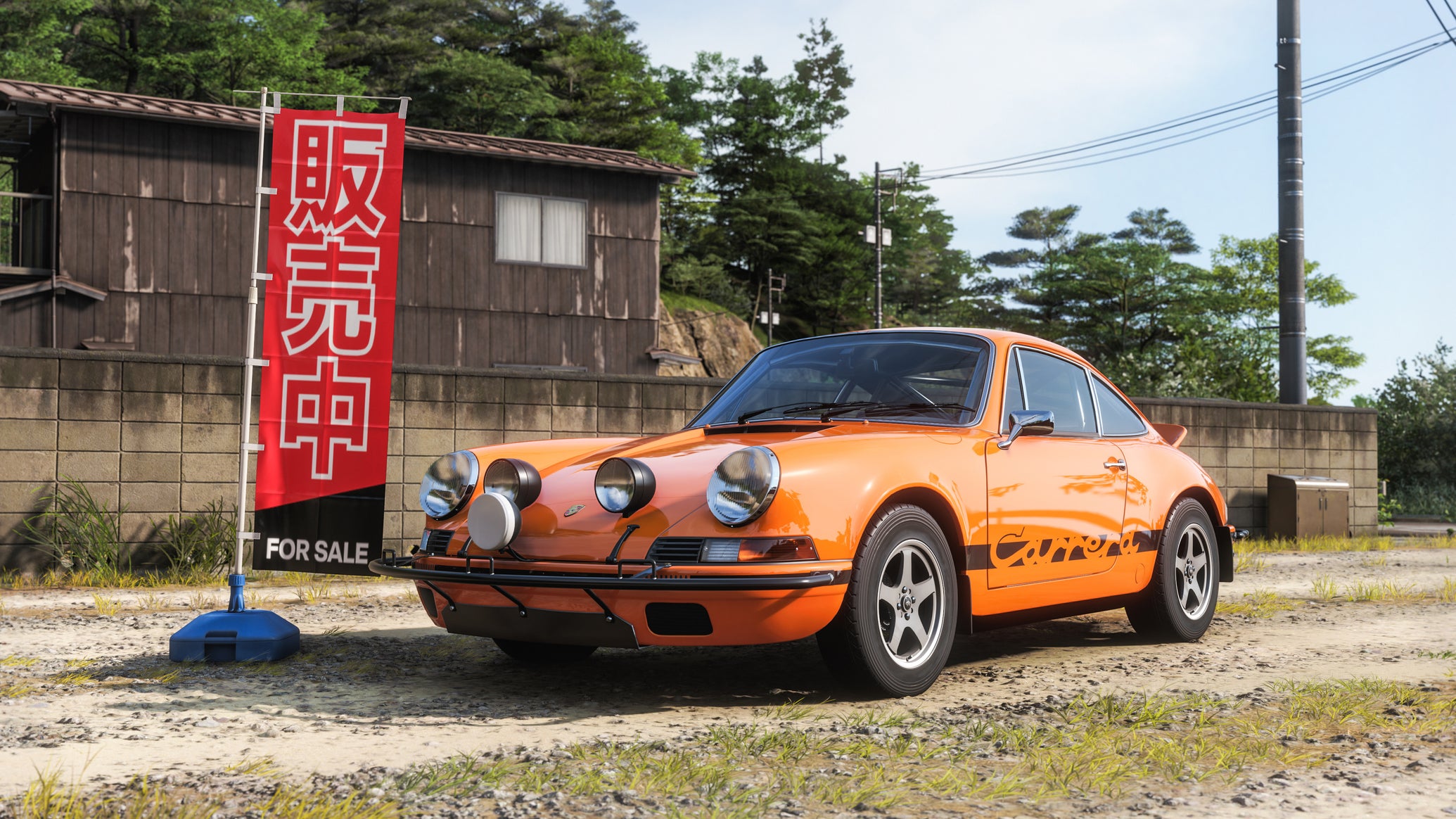
The structure remains fundamentally unchanged. You are thrust into a high-speed introductory sequence across a slice of the map—a masterful blend of bustling downtown Tokyo and the winding, rural roads of the Japanese countryside—before being handed your first vehicle. Within minutes, the game establishes its cycle: explore, collect, and compete. It is a formula that works, but one that no longer surprises.
Progression and the "Discover Japan" Initiative
While the core gameplay remains rooted in the "car-collecting" philosophy—rather than the "pure racing" philosophy found in titles like Need for Speed Unbound—the progression systems have seen some refinement.
The game utilizes a dual-track progression model. The first is the classic "Wristband" system, a familiar progress bar that fills as you participate in Festival Qualifiers. It is a linear, predictable loop: win races, earn influence, unlock faster car tiers. For those who find the AI too demanding, the game provides the usual suite of options: lower the difficulty or leverage the community-driven "tuning" market to bypass any technical hurdles.
The second track, dubbed "Discover Japan," is where the game finds its narrative soul. This mode functions in parallel to the main festival, tasking players with exploring ten distinct regions of the country. These missions are far more creative than the standard circuit races. From food delivery challenges that emphasize navigation over speed, to the testing of vintage, restored classics, these segments allow the player to engage with the environment in a more leisurely, observational manner. It is here that the game’s "touring" nature truly shines, offering a digital tourism experience that is difficult to rival.

The Innovation of "Horizon Rush"
While much of the game feels like a polished iteration of previous entries, Forza Horizon 6 introduces "Horizon Rush" events, which serve as a welcome injection of intensity. These are not your standard point-to-point races. Instead, they take place on makeshift, tight-knit obstacle courses that prioritize precision handling and technical mastery.
In these events, the game finally forces the player to understand the mechanics of their vehicle. Because the cars are often pre-determined and the courses are riddled with sharp, unforgiving turns, you cannot rely on sheer horsepower to carry you to victory. It is the only point in the game where I felt a genuine sense of friction—a demand for skill that the rest of the game largely avoids.
Technical Prowess and Aesthetic Brilliance
If there is one area where Forza Horizon 6 undeniably moves the needle, it is in its visual fidelity. The integration of ray tracing is not merely a marketing bullet point; it is a transformative feature. When driving through the lush, dense foliage of Japan’s rural regions, the lighting and shadow work are so meticulously rendered that the line between digital assets and real-world photography becomes blurred.
The developers have also made strides in accessibility. One standout addition is the new 360-degree proximity radar. While intended to help players keep track of opponents, it also serves as a tactical tool for those who enjoy the more aggressive, "gatekeeper" style of defensive driving. It is a thoughtful inclusion that underscores the studio’s commitment to allowing players to tailor the experience to their specific playstyle.

The Unresolved Frustrations of AI
Despite the graphical leaps and the new event structures, the game retains the inherent frustrations that have dogged the series for years. The AI remains a "black box" of inconsistency. I found myself dominating races by the third turn, only to be baffled by instances where the lead car seemed to defy the laws of physics, maintaining an impossible pace regardless of my own performance.
The behavior of the AI is equally volatile. At times, they act like the rowdy, aggressive rammers of an online lobby; at other times, they are robotic precision-racers that refuse to deviate from the racing line. This lack of consistency makes for a chaotic, if sometimes frustrating, challenge, but it does little to address the long-standing desire for a more transparent and fair racing experience.
Implications: The Burden of Success
The success of Forza Horizon 6 is a double-edged sword. By providing the definitive fantasy of car collection and open-world exploration, Playground Games has essentially created a game that is impossible to dislike, yet increasingly difficult to get excited about.
The implication for the industry is clear: when a formula is this successful, the incentive to innovate is virtually non-existent. The game is a technical marvel, a masterpiece of content volume, and a benchmark for the genre’s visual quality. However, it is also a game that is safe. It is a product of a development cycle that prioritizes comfort over challenge, and polish over disruption.

Final Verdict
Forza Horizon 6 is exactly what you expect it to be. If you are a fan of the series looking for a new map to explore, a new collection of cars to curate, and a relaxing, visually stunning driving experience, this game will provide hundreds of hours of enjoyment. It is, by almost every metric, a high-quality product that succeeds in its stated mission.
However, if you are looking for the series to evolve—to offer a "racing" experience that challenges your skill and demands a deeper understanding of automotive engineering—you will find yourself wanting. Forza Horizon 6 is a beautiful, sprawling, and meticulously crafted experience, but it is one that has chosen to stay the course, perfectly content to be the best version of itself rather than something entirely new.
Reviewed on PC, code provided by the publisher.