Robert Eggers, the visionary director who redefined modern folk horror with The Witch and brought visceral brutality to the Viking epic with The Northman, is poised to sink his teeth into the most iconic of cinematic monsters: the werewolf. His upcoming project, titled Werwulf, promises to be a stark, unflinching, and dread-soaked exploration of lycanthropy, set against the unforgiving backdrop of 13th-century England. As anticipation builds for the film’s Christmas Day release, industry insiders and horror aficionados are bracing for what promises to be an exercise in atmospheric terror.
Main Facts: A Return to Medieval Darkness
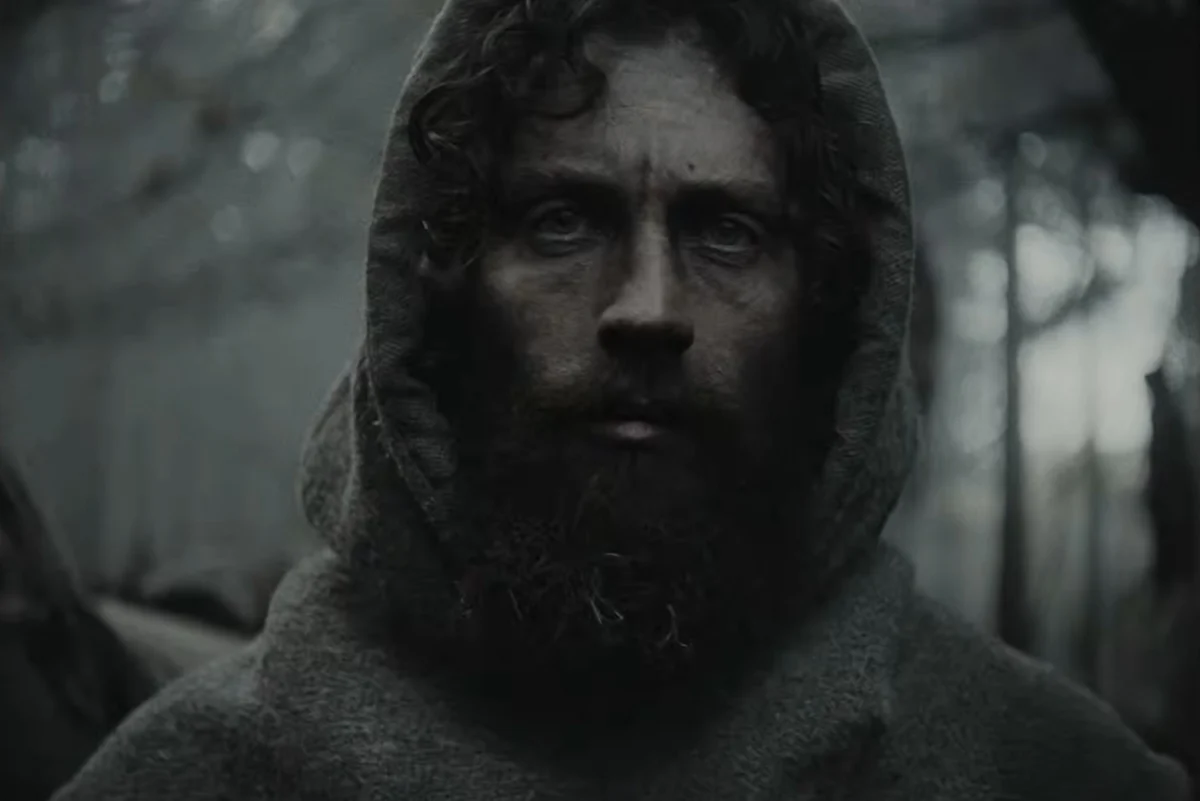
The premise of Werwulf is as lean and predatory as the creature at its center. While plot details remain shrouded in the kind of fog that permeates the film’s trailer, the official logline describes a 13th-century England where "a mysterious creature stalks a foggy countryside as local folklore becomes a terrifying reality for the villagers."
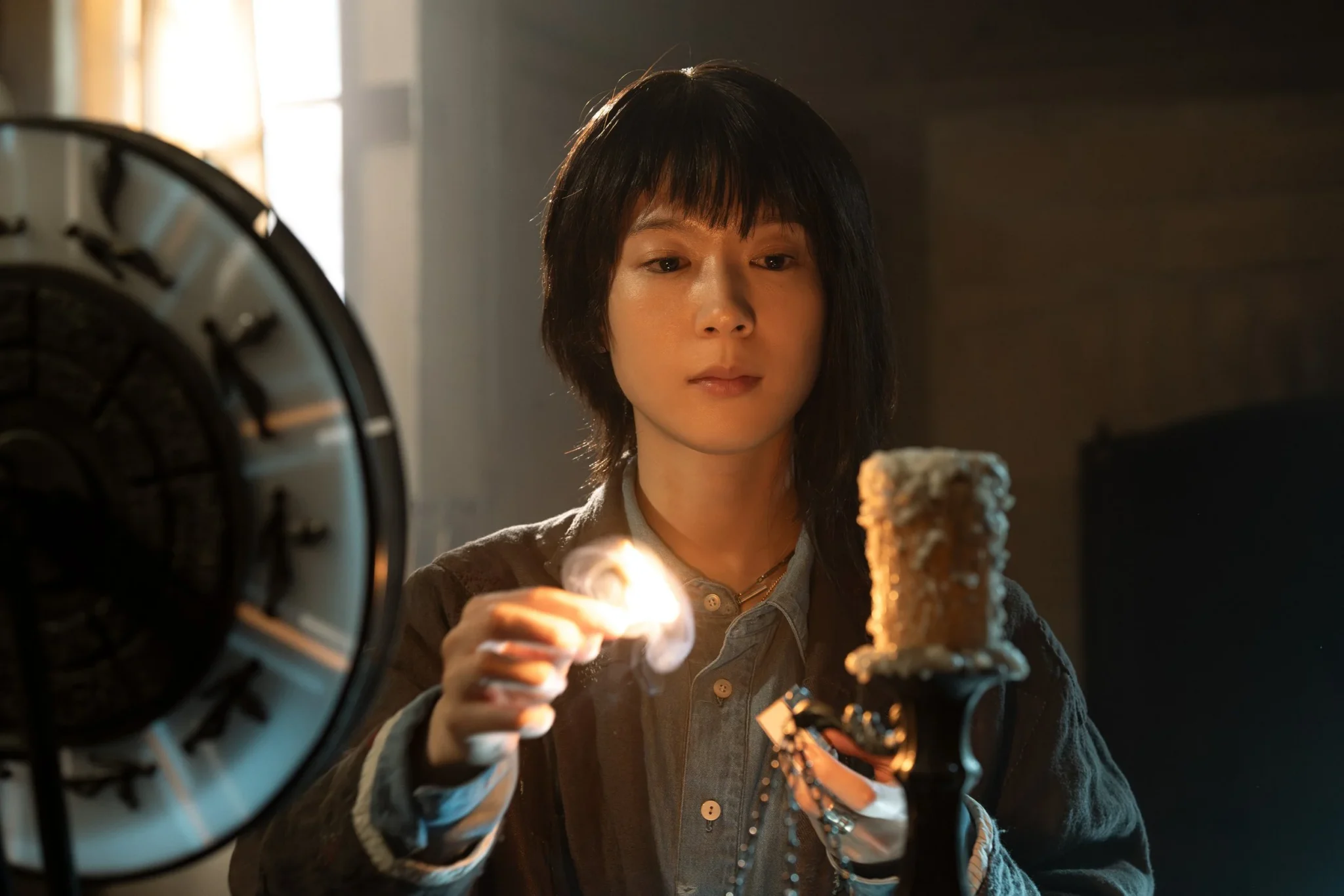
The film features a formidable cast, led by Aaron Taylor-Johnson—who recently navigated the beastly domain in Kraven the Hunter—as a man grappling with a monstrous, shifting identity. Joining him are several staples of the Eggers repertoire, including the haunting Lily-Rose Depp, the inimitable Willem Dafoe, and the gravel-voiced Ralph Ineson. The ensemble is rounded out by Jack Morris, Jan Bijvoet, Ritchi Edwards, and Bodhi Rae Breathnach.
Behind the camera, Eggers has reunited with his The Northman co-writer, the Icelandic poet and novelist Sjón. This creative partnership, known for its deep research into period-accurate linguistics and historical superstition, suggests that Werwulf will eschew the CGI-heavy spectacle of Hollywood creature features in favor of something far more tactile, disturbing, and rooted in the genuine fears of the medieval mind.
Chronology: From Concept to the Full Moon
The development of Werwulf has been a closely guarded affair, emblematic of Eggers’ penchant for auteur-driven secrecy.
- Pre-Production and Concept Development: Following the critical success of The Northman (2022), rumors began circulating regarding Eggers’ next project. While he was attached to a long-gestating remake of Nosferatu and speculative projects like a Labyrinth sequel, it became clear by early 2024 that a werewolf project was taking priority.
- Production: Filming took place across Europe, utilizing remote locations to capture the desolate, gray-brown landscapes that define Eggers’ aesthetic. The production emphasized practical effects and location shooting to ensure the "vibes" of the Middle Ages—the mud, the cold, and the claustrophobia—felt authentic.
- The Trailer Reveal: The recent release of the first teaser trailer provided the first concrete look at the film. The footage was brief, focusing less on the monster itself and more on the environment: hanging bodies, communal bowls of blood, and the wide, terrified eyes of peasants. It signaled that the transformation, when it arrives, will likely be a grueling, bone-crushing affair rather than a quick digital transition.
- The Christmas Release: The film is scheduled to arrive in theaters on December 25, 2024. Interestingly, the lunar cycle does not align with a full moon on that date—a detail that has not gone unnoticed by fans of werewolf lore, perhaps implying that in Eggers’ world, the curse is not tethered to simple celestial mechanics.
Supporting Data: The Anatomy of the Transformation
In the history of werewolf cinema, the "transformation scene" is the gold standard by which all other efforts are measured. From the iconic, agonizing practical effects of Rick Baker in An American Werewolf in London to the frantic, frenetic camerawork of The Howling, the act of shifting from man to wolf is the genre’s centerpiece.
Eggers’ approach, based on early reports and the aesthetic language of his previous films, seems to favor "body horror" as a historical reality. In the 13th century, a person transforming into a wolf would not be viewed through the lens of modern science, but through the lens of divine punishment, demonic possession, or witchcraft.
The production team has reportedly focused heavily on sound design. Sources close to the production indicate that the audio landscape of Werwulf will feature an aggressive, layered mix of cracking bones, tearing tendons, and guttural vocalizations. By stripping away the polish of modern blockbusters, Eggers aims to return the werewolf to its status as a "foul beast" of folklore rather than a misunderstood protagonist.
Official Responses and Creative Vision
Robert Eggers has remained notoriously tight-lipped regarding his specific inspirations for Werwulf, though his trajectory as a filmmaker offers significant clues. In interviews following his work on Nosferatu, Eggers expressed a desire to move toward "the absolute terror of the unknown."
"People in the 13th century didn’t know how the world worked," one associate noted regarding the production’s philosophy. "They didn’t have cameras, they didn’t have anatomy textbooks. If they saw a wolf that walked like a man, they didn’t ask ‘how.’ They asked ‘why did God allow this?’"
The cast has also spoken to the intensity of the shoot. Aaron Taylor-Johnson reportedly spent months in physical training, not just for the action sequences, but to convey the physical exhaustion of a man whose body is constantly fighting a losing battle against a primal, ravenous alter-ego. Willem Dafoe, an Eggers veteran, has praised the director’s "obsessive commitment to the texture of the scene," noting that even the background props are historically vetted to ensure the audience never feels they are watching a set, but rather a window into the past.
Implications: The Future of Folk Horror
The release of Werwulf carries significant implications for the horror genre and for Robert Eggers’ career.
The "Eggers-verse" and Studio Auteurism
Eggers has become a rarity in modern Hollywood: an auteur who manages to command significant budgets while retaining total creative control. His upcoming slate—which includes the aforementioned Nosferatu, a planned adaptation of A Christmas Carol, and a polarizing potential Labyrinth sequel—suggests that he is building a cohesive, albeit dark, cinematic universe. Critics argue that Werwulf will be the true test of whether his style can translate to the more mainstream monster-movie genre without sacrificing his signature slow-burn dread.
Reclaiming the Werewolf
For decades, the werewolf has been the "forgotten child" of the Universal Monsters. While vampires have enjoyed endless romantic, modern, and stylized iterations, the werewolf has often been relegated to B-movie schlock or action-heavy CGI spectacles like the Underworld series. Werwulf has the potential to revitalize the creature, positioning it as a symbol of the untamable, violent, and indifferent forces of nature that defined the medieval era.
The Cultural Impact of Medievalism
Finally, the film taps into a growing cultural fascination with the "dark Middle Ages." From the popularity of The Northman to the success of gritty fantasy literature, there is a clear hunger for narratives that strip away the romanticism of the past to reveal the grit, superstition, and raw survivalism that defined the period. By centering the werewolf in this environment, Eggers is not just making a monster movie; he is making a study of the human condition under the pressure of profound, inexplicable fear.
As the release date approaches, the film stands as a dark gift for the holiday season. While the full moon may not be rising on Christmas, the shadows in the English countryside will be long, and the howl of the Werwulf will be waiting to greet those who dare to venture into the dark. Whether it lives up to the high bar set by his previous works remains to be seen, but one thing is certain: in the world of Robert Eggers, the transformation will not be a spectacle to be enjoyed—it will be a tragedy to be endured.