Lina Irawan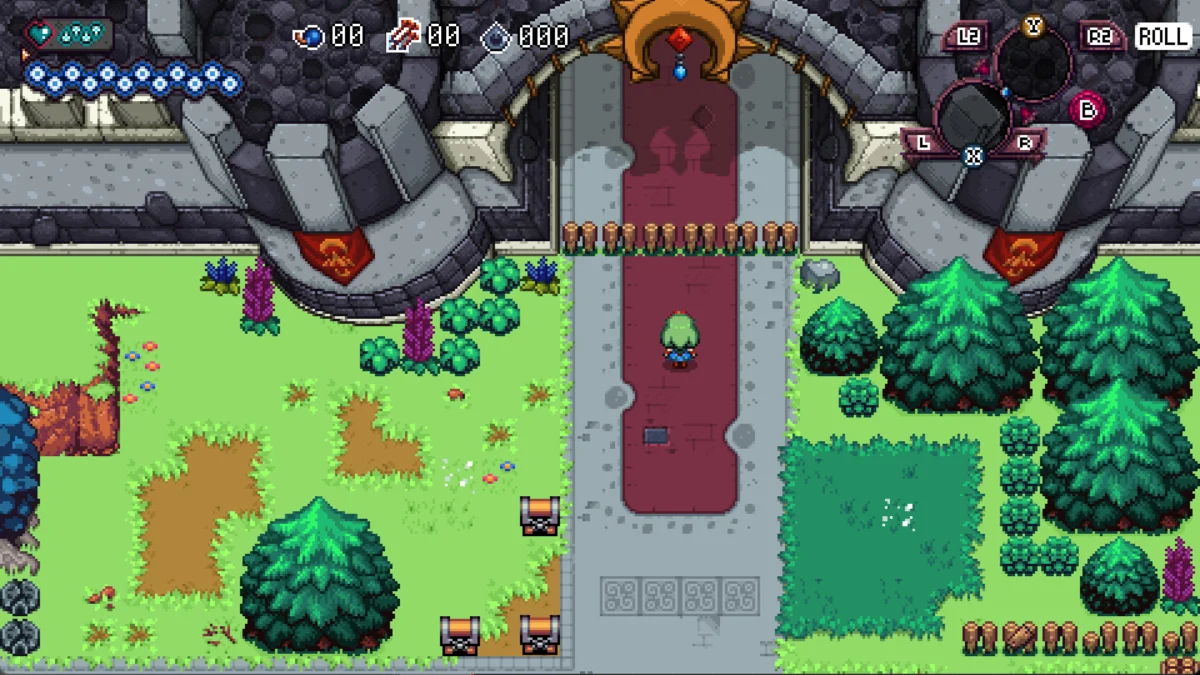
The landscape of the action-adventure RPG genre is often defined by its adherence to established tropes, but occasionally, a title emerges that breathes fresh life into the familiar. The Path of Kana, a title recently showcased at Game Con Canada, promises to be just such a disruption. By blending haunting dungeon exploration, intricate puzzle-solving, and a deeply emotional narrative foundation, the game seeks to offer a distinct experience for those who enjoy the thrill of the unknown. As the Celestial Kingdom teeters on the edge of oblivion, players are tasked with navigating the intersection of the living and the spirit realms to restore balance to a fractured world.
The Narrative Foundation: A Kingdom Corrupted
At the heart of The Path of Kana lies a somber tale of tragedy and corruption. The Celestial Kingdom, once a bastion of peace and ethereal beauty, has fallen into ruin. The catalyst for this descent is the overwhelming grief of High Priest Lucian Noctis, whose internal anguish has manifested as a tangible corruption, bleeding into the physical world.
This corruption has fractured the barrier between the realm of the living and the spirit world. Darkness has begun to encroach upon the land, and the restless spirits of those caught in the fallout wander aimlessly, trapped between existence and oblivion. The player steps into the role of a chosen protagonist, guided by an ancient spirit to traverse the decaying dungeons of the kingdom. The ultimate goal is as daunting as it is noble: to unravel the mysteries of the corruption, shepherd the lost souls to their final rest, and restore the Celestial Kingdom to its former glory. It is a classic setup for an epic journey, yet the developers have layered it with a palpable sense of melancholy that elevates the stakes beyond simple heroism.
Gameplay Mechanics: Innovation in Perspective and Combat
During the hands-on demonstration at Game Con Canada, it became clear that The Path of Kana is not merely interested in being another “dungeon crawler.” The game distinguishes itself through its creative use of perspective and a combat system that rewards tactical thinking over brute force.
The Perspective Shift
One of the most immediate takeaways from the demo was the dynamic camera work. In many traditional RPGs, the perspective is fixed or strictly controlled. The Path of Kana experiments with this, utilizing shifts in camera angles—such as during ladder climbs or specific platforming sequences—that make the environment feel more imposing and three-dimensional. This sense of verticality and depth makes the dungeons feel like living, breathing spaces rather than mere corridors.
Tactical Combat and Environmental Interaction
Combat in The Path of Kana moves away from repetitive button-mashing, opting instead for a system that emphasizes environmental awareness. Enemies are not merely HP bars to be depleted; they are puzzles to be solved. Whether it involves targeting specific weak points on a monstrosity or strategically knocking skeletal foes into bottomless pits, the combat feels deliberate and polished. These “little twists” in mechanics provide a satisfying loop of learning and execution, ensuring that every encounter feels meaningful rather than like filler.
The Chronology of Development and Discovery
While a formal release date has yet to be finalized, the trajectory of The Path of Kana is one of rising anticipation. Following its reveal and subsequent appearances at industry events like Game Con Canada, the title has begun to carve out a dedicated following within the indie community.
- Announcement & Reveal: The initial unveiling introduced players to the haunting aesthetic and the core premise of the Celestial Kingdom’s fall.
- Public Showcasing: The demo at Game Con Canada allowed the public to experience the “feel” of the movement and combat, providing the first real data point on how the game handles.
- Refinement Phase: The current stage of development is focused on balancing the randomized elements of the world and ensuring the narrative hooks land effectively with the player.
- Community Engagement: Through platforms like Steam, the developer is actively encouraging wishlists, which helps gather data on player interest and helps the team gauge the scale of the impending launch.
Supporting Data: Procedural Depth and Progression
A critical feature of The Path of Kana is its approach to replayability. In a market saturated with static RPG experiences, the developers have implemented a randomization system that ensures no two journeys through the dungeons are exactly alike.
Randomized Exploration
The dungeon layouts and item placements are procedurally influenced. This means that for the player, the path forward is never truly “solved.” A key item discovered in one area during one playthrough might be hidden behind a complex puzzle in an entirely different sector in another. This design choice forces players to adapt their strategies, preventing the "memorization" that often plagues the endgame of dungeon-crawling RPGs.
The Progression Loop
As players overcome the darkness, they gain new abilities—many of which are tied to items they discover. These abilities function as "keys" to the world’s progression. By unlocking new traversal skills or magical tools, players can backtrack to previously inaccessible areas of the map, a classic "Metroidvania" element that adds layers of complexity to the dungeon design. This system creates a rewarding cycle of discovery, growth, and expansion, ensuring that the player always has a clear goal, even amidst the randomized chaos.
Official Perspectives and Implications
While the development team has remained tight-lipped regarding specific plot spoilers, the early feedback from critics and players alike suggests that the game’s strength lies in its atmospheric storytelling. The "hook" of helping lost souls find their way home adds an emotional weight to the exploration, shifting the tone from a typical "hack-and-slash" to a more poignant, somber odyssey.
Implications for the Indie RPG Market
The success of The Path of Kana could signal a shift in how indie developers approach the "haunted dungeon" trope. By focusing on:
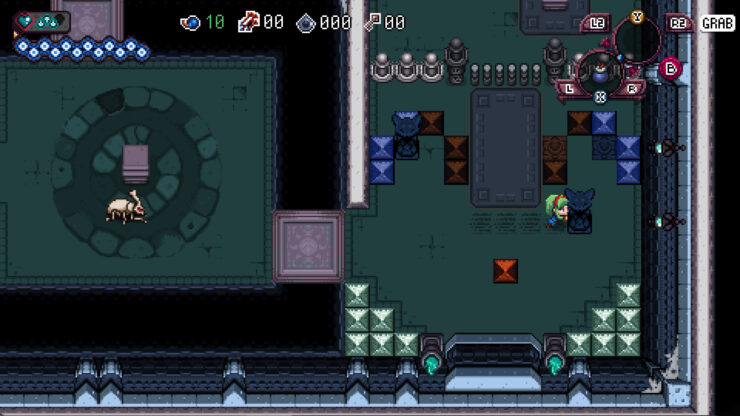
- Unique Perspective Mechanics: Proving that camera work is as much a gameplay tool as it is an aesthetic choice.
- Procedural Integrity: Showing that randomization can coexist with a cohesive, meaningful narrative.
- Tactical Combat: Highlighting that players are increasingly looking for challenges that engage the brain as much as the reflexes.
The industry is watching closely. As smaller teams continue to innovate, games like The Path of Kana prove that a high-concept narrative combined with polished, thoughtful mechanics can rival the scope of much larger productions.
Conclusion: A Path Worth Walking
The Path of Kana represents a compelling entry into the indie RPG space. It balances the high-octane demands of an action game with the thoughtful, slower-paced exploration of a mystery-driven adventure. Whether you are drawn in by the promise of the randomized dungeons, the unique combat encounters, or the emotional pull of restoring a broken Celestial Kingdom, the game offers a promising experience.
For those eager to follow the development of this title, the best course of action is to keep a close watch on the official Steam page. While the release date remains a mystery as deep as the dungeons themselves, the journey promised by the developers is one that fans of the genre will undoubtedly want to take. As High Priest Lucian Noctis’s grief continues to shroud the world in darkness, it will soon be up to the players to decide if that light can ever truly be reclaimed.
Jupiter Hadley is a veteran indie game journalist and contributor to the broader gaming ecosystem. With a history of covering thousands of titles across major outlets, she remains a key voice in identifying the next wave of indie hits.


 Sagoh
Sagoh
 Nana
Nana