Reynand Wu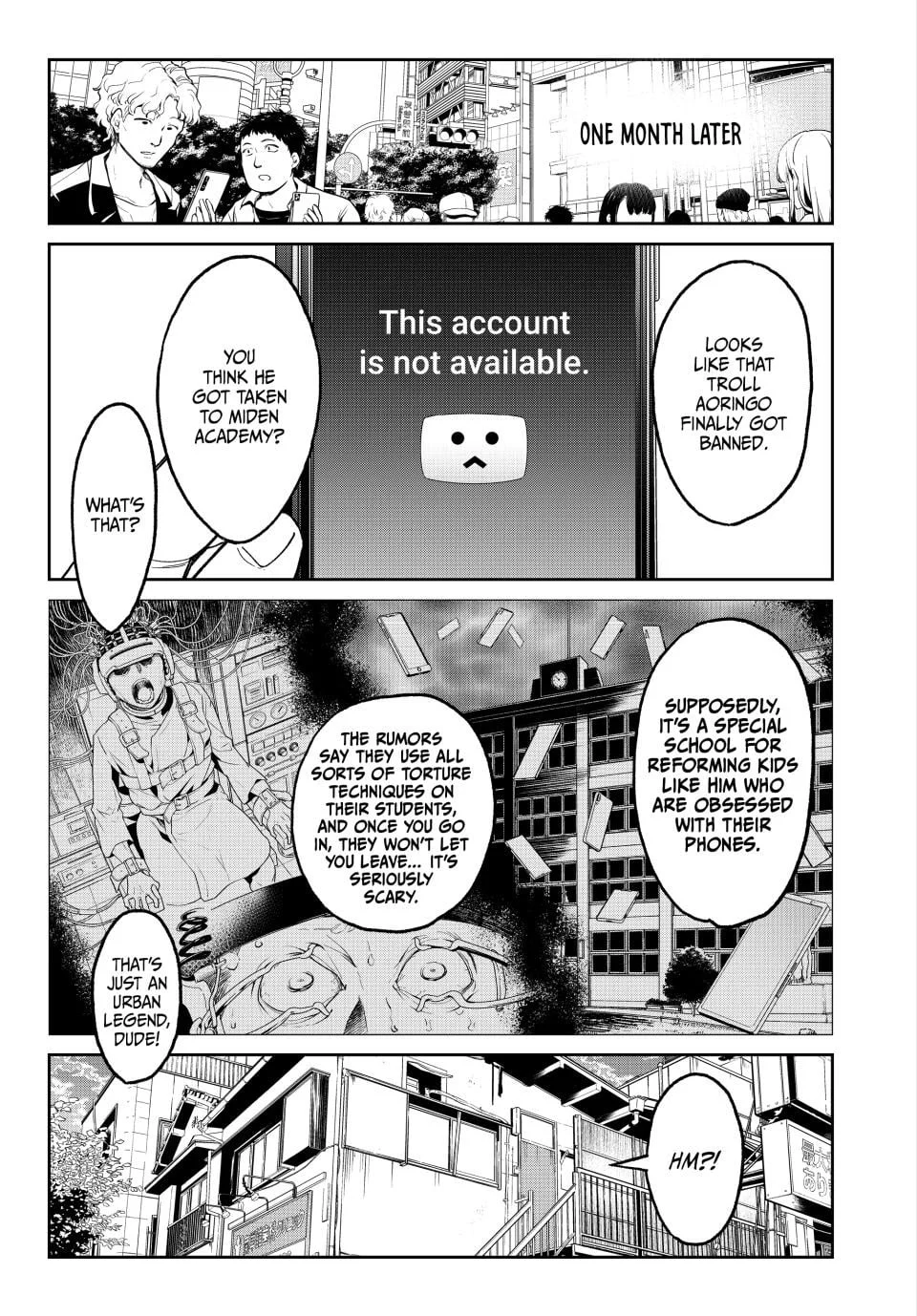
In the rapidly evolving landscape of global anime distribution, the tension between literal translation and creative localization has reached a new boiling point. While streaming giant Crunchyroll continues to consolidate its market dominance—recently evidenced by an increase in subscription fees—the platform finds itself under renewed scrutiny from a vocal segment of the anime community. The catalyst for this latest debate is the English-language adaptation of Dead Account, a 2026 anime production by SynergySP based on the manga by Shizumu Watanabe.
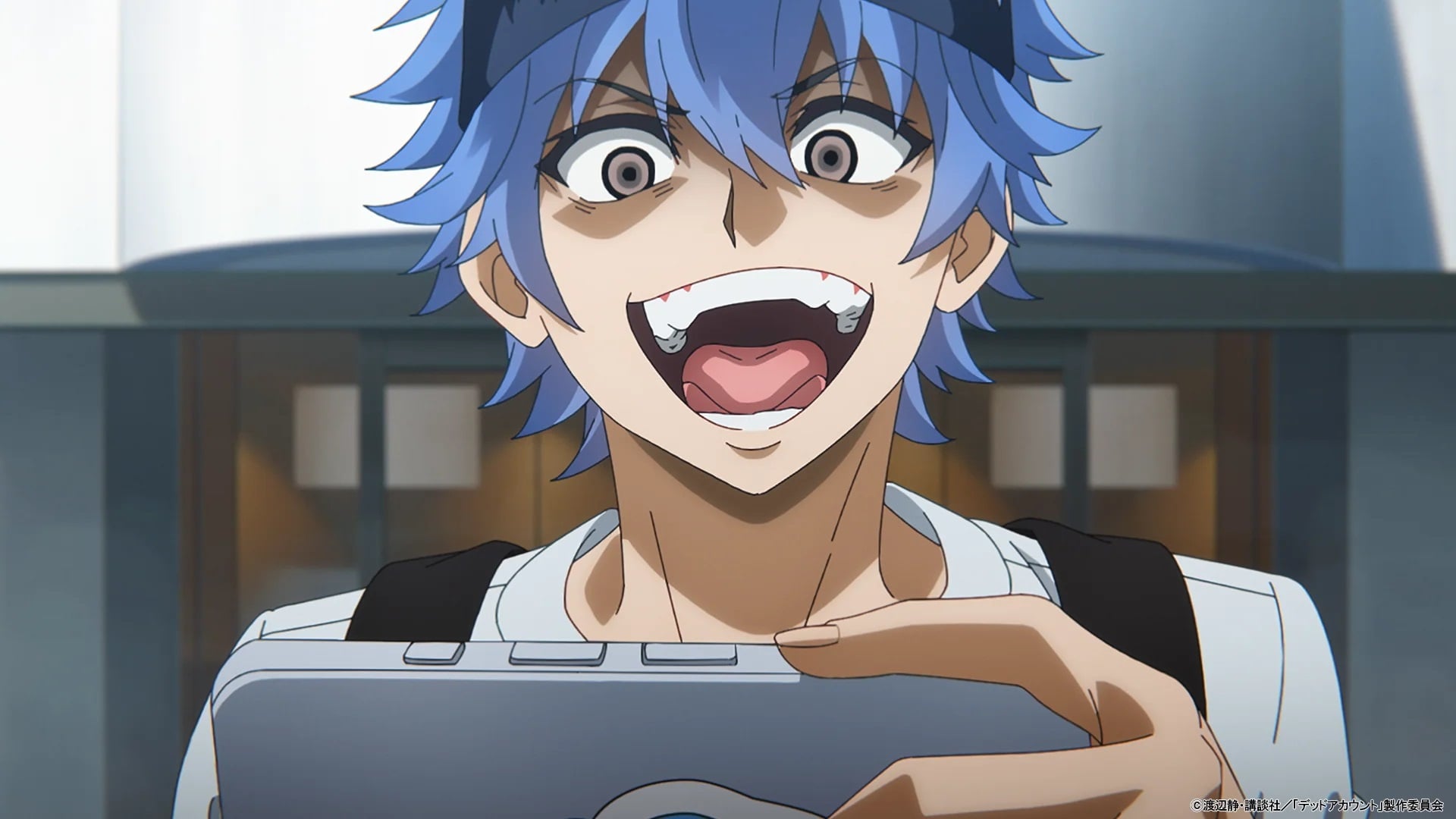
Critics and fans have pointed to a series of "botched" localizations within the series’ English dub and subtitles, where original Japanese dialogue has been replaced with modern "Zoomer" internet slang and viral memes. This practice, often referred to as "punching up" or "flavoring" the script, has ignited a broader conversation regarding the responsibilities of localizers, the preservation of original authorial intent, and the longevity of media in an era of rapidly expiring cultural trends.
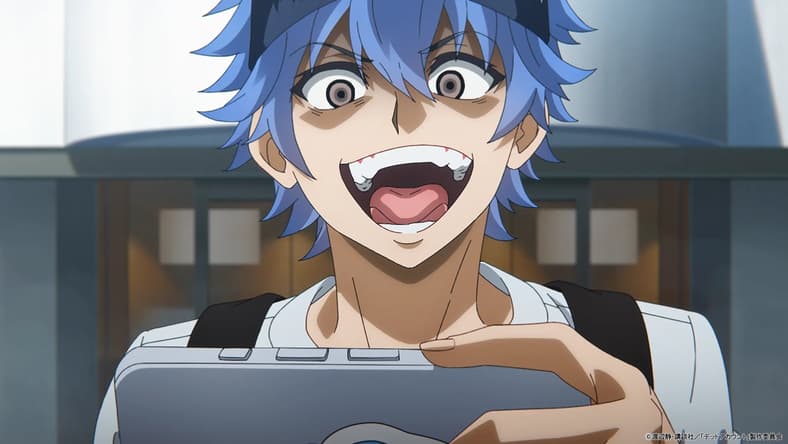
Main Facts: The Cyber-Exorcist and the Slang Overhaul
Dead Account, written and illustrated by Shizumu Watanabe, offers a contemporary twist on the traditional exorcist genre. The narrative centers on Miden Academy, an institution dedicated to hunting "ghost accounts"—social media profiles of deceased individuals that have been possessed by malevolent aberrations. These entities are battled using "cyberkinesis," a smartphone-based spiritual power.
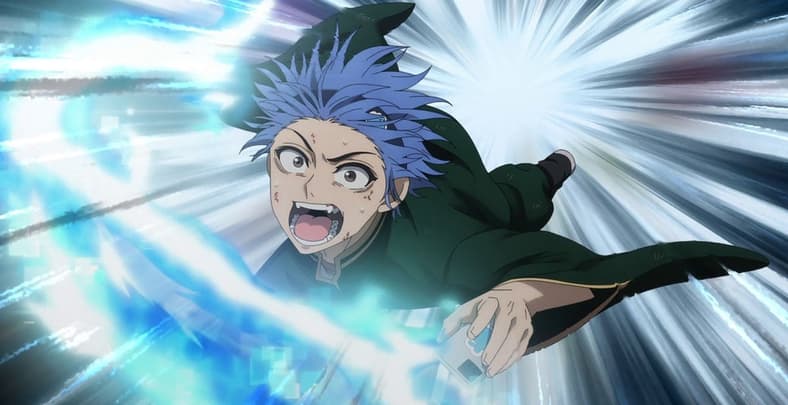
Given the story’s heavy reliance on social media themes, Crunchyroll’s in-house localization team appears to have leaned into a hyper-modern vernacular for the English-speaking audience. However, comparisons between the original Japanese dialogue, the official Kodansha manga translation, and Crunchyroll’s anime script reveal significant deviations.
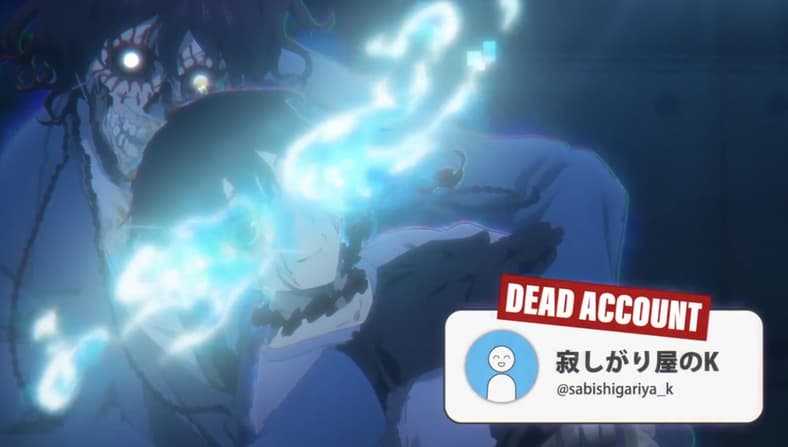
The primary grievance cited by viewers is the insertion of terms such as "cope," "seethe," "mald," "yassified," and "girlie-pop"—language that is highly specific to mid-2020s internet subcultures but absent from the source material.
Chronology of Localization Deviations
The controversy is not rooted in a single line of dialogue but in a systemic pattern of rewriting observed across the first five episodes of the series.
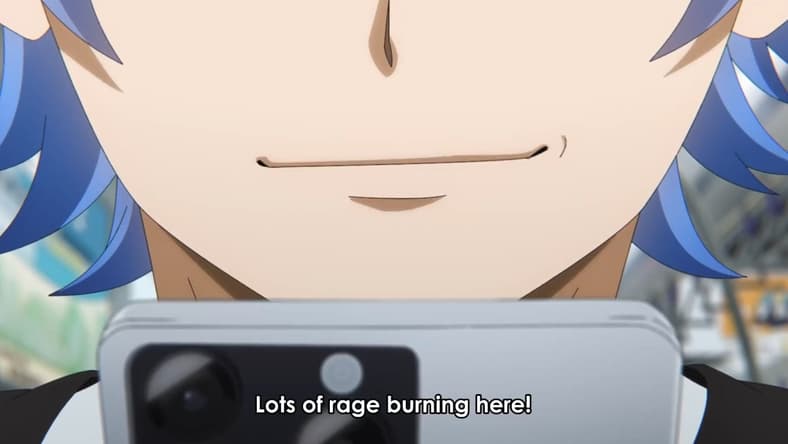
Episode 1: From "Flaming" to "Malding"
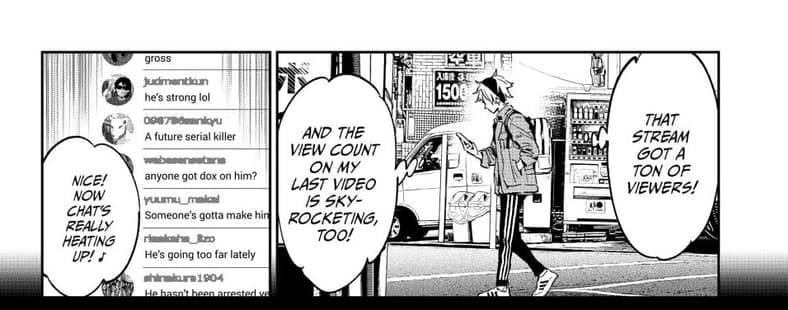
In the series premiere, "He’s a Flamebaiter," the protagonist Soji Enishiro—a controversial "Mytuber"—celebrates the chaos in his livestream’s comment section. In the original manga localized by Kodansha, Soji declares, "Nice! Now chat’s really heating up!" This aligns with the visual metaphor of "flamebaiting" and "burning" engagement.
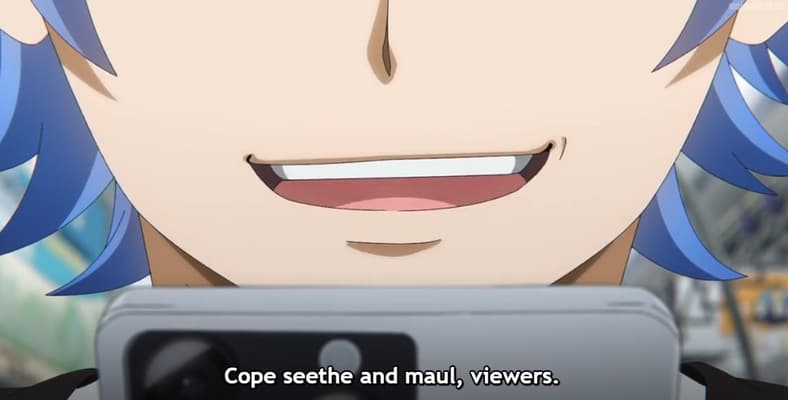
Crunchyroll’s English subtitles remain relatively faithful, using the line "Lots of rage burning here." However, the English dub script, written for the voice performance of Parker Gray, pivots to chronic online terminology: "Cope, seethe, and mald, viewers!" While the sentiment of taunting an audience remains, the specific linguistic shift from fire-based metaphors to 4chan-originated slang marks the first significant departure from Watanabe’s original prose.
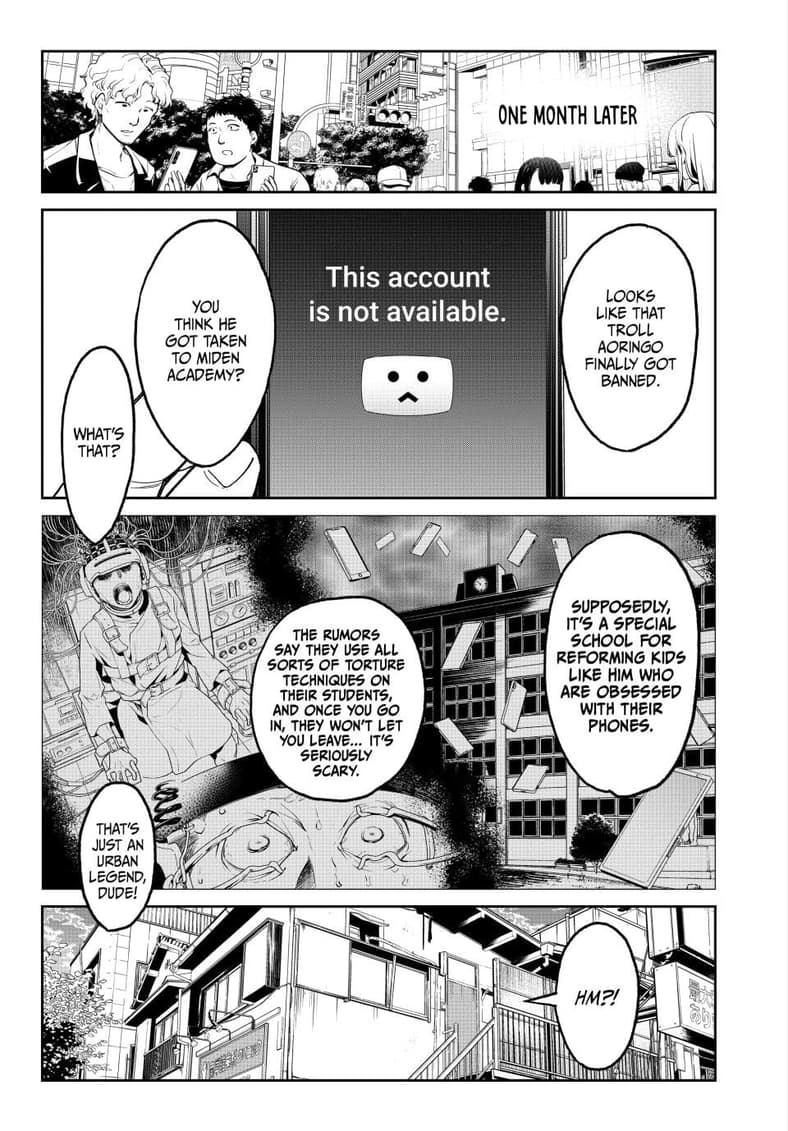
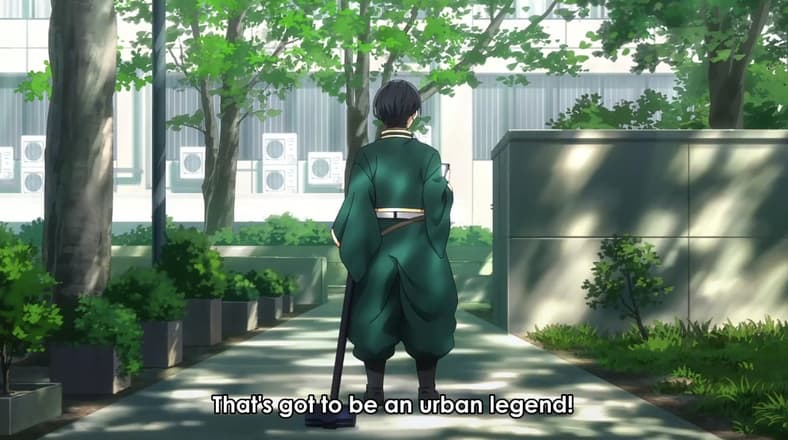
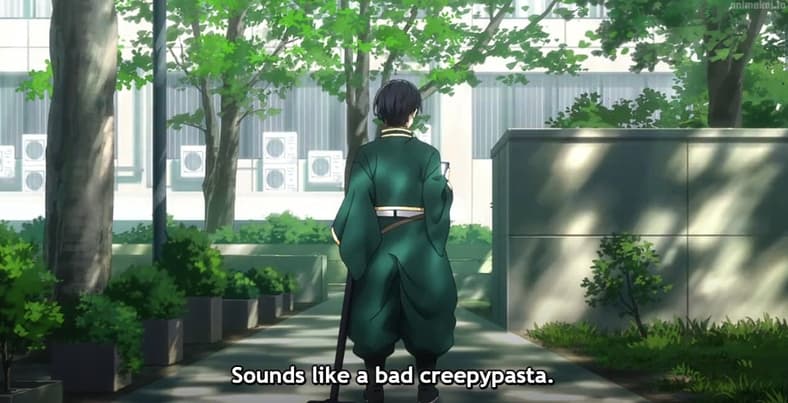
Later in the same episode, a background character discusses the urban legends surrounding Miden Academy. While the manga and subtitles use the universal term "urban legend," the dub script opts for "bad creepypasta." This change has been criticized for being unnecessarily specific to a particular era of internet horror fiction, potentially dating the series for future viewers.
Episode 4: The "Yassification" of Kirika-chan
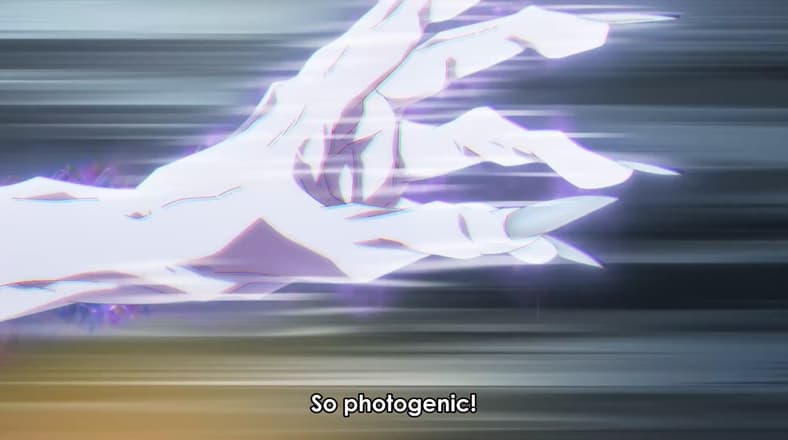
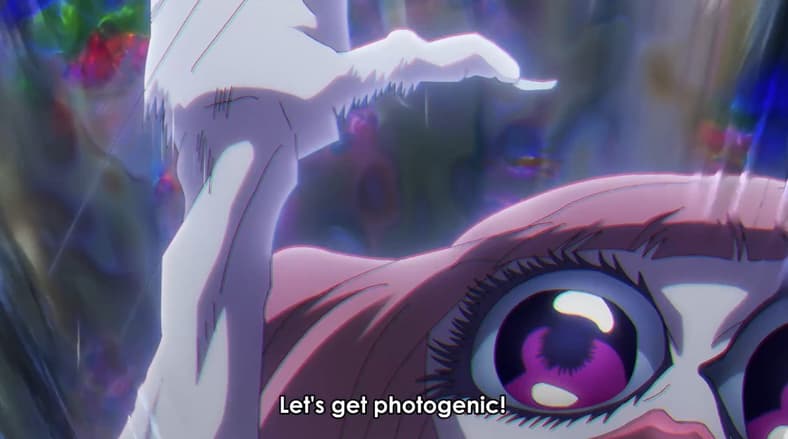
The most significant outcry followed the release of Episode 4, "The Worst Trio Possible." The episode introduces Kirika-chan, a mid-level ghost account obsessed with photography and beauty. In the original Japanese script and the Kodansha manga, Kirika-chan’s dialogue focuses on being "photogenic" and "beautiful," reflecting her vanity-driven curse.
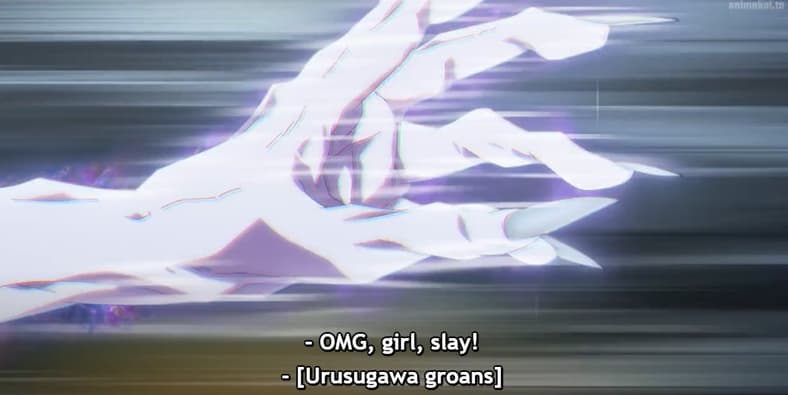
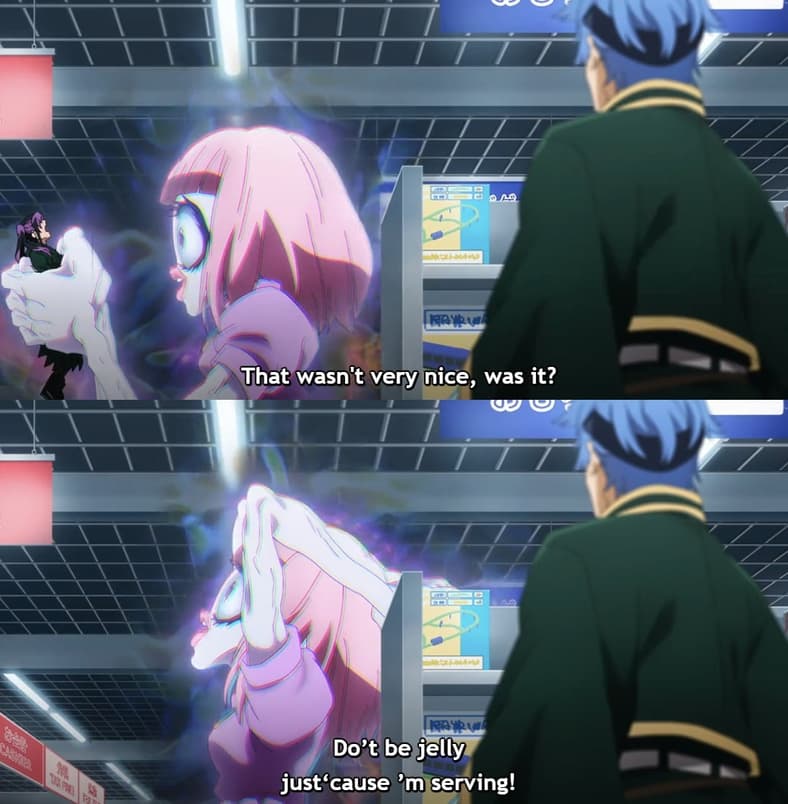
When Kirika-chan attacks the character Urusugawa, the original dialogue emphasizes her desire to make things "photogenic." The English dub, however, replaces this with: "OMG, girl, slay!"
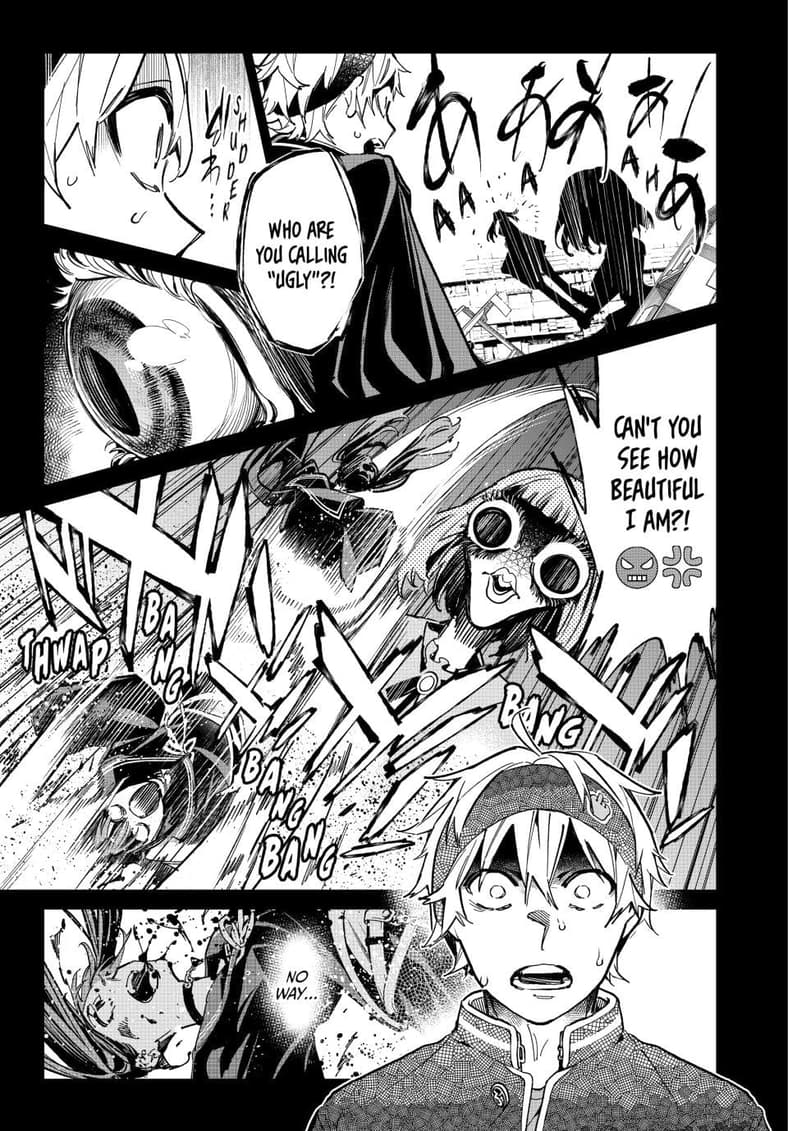
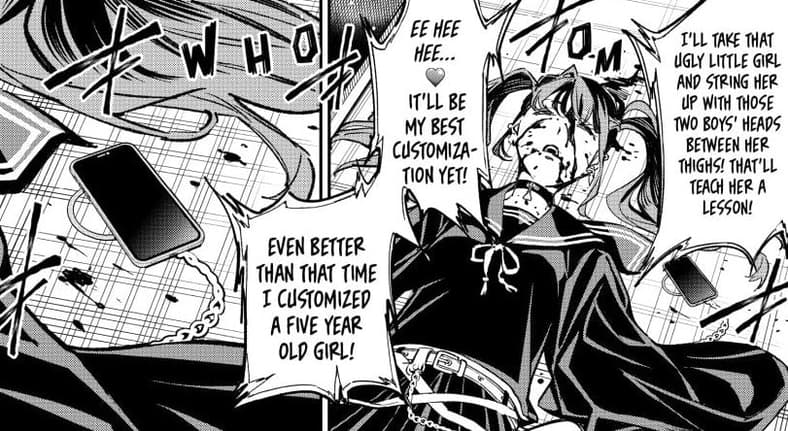
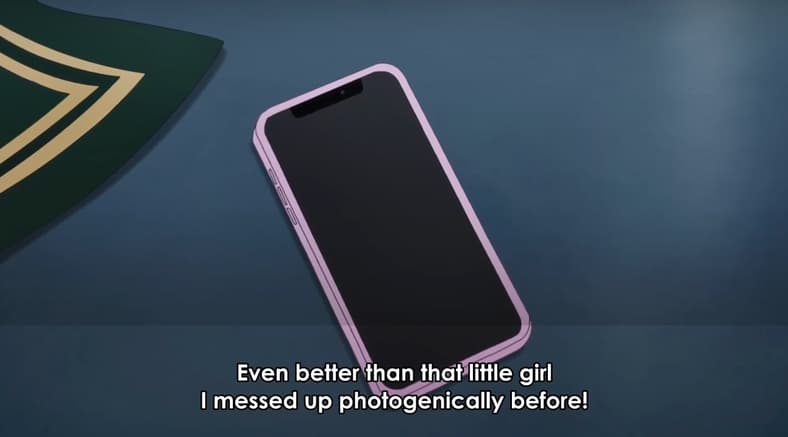
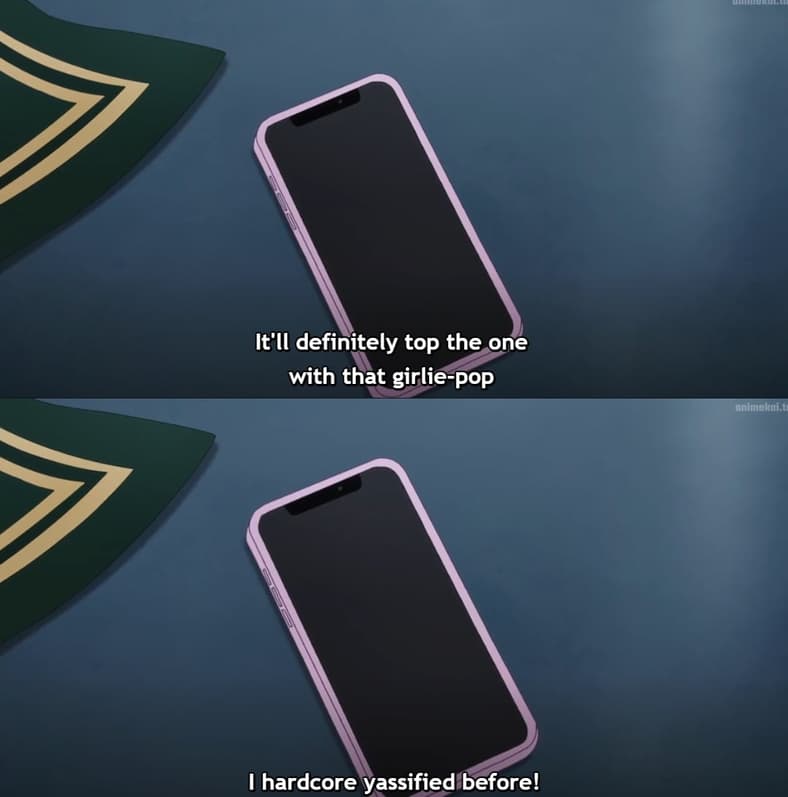
The deviation intensifies during a confrontation where Kirika-chan threatens her victims. In the manga, she describes "customizing" her victims, a dark reference to photo editing and doll-making. The Crunchyroll dub script translates this as: "It’ll definitely top the one with that girlie-pop that I hardcore yassified before!" and has the ghost scream "Slay!" as she launches a lethal assault.
Episode 5: The "Cringe" Legend
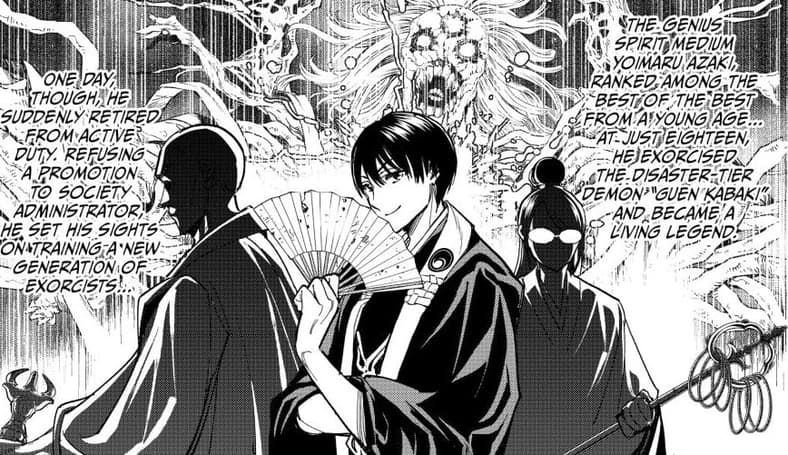
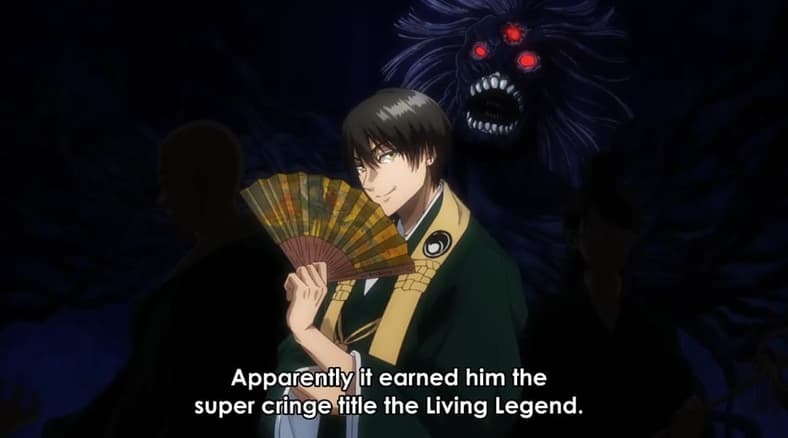
In Episode 5, "The Anachronistic Exorcist," the script injects meta-commentary that some fans argue undermines the world-building. When discussing the "Living Legend" status of the teacher Yoimaru Azaki, the manga presents this as a straightforward, prestigious title. In contrast, the Crunchyroll dub has the character Urusugawa remark that the title is "super cringe if you know the guy."
By inserting the word "cringe," the localizers shift the tone from a character-driven observation about Azaki’s personality to a modern social critique that many feel breaks the "fourth wall" of the narrative’s established atmosphere.
Supporting Data: A Growing Industry Trend
The Dead Account incident is not an isolated event but part of a documented trend in the anime industry. The source article highlights several other recent examples of "transformative localization" that have drawn fire:
- Sentai Filmworks (Oshi No Ko): Localizers were accused of inserting "cancel culture" terminology into a script where the original Japanese text discussed general social media backlash.
- Netflix (Blue Box): A character was described as "feminist" in the English script, whereas the original Japanese text used the word "feminine" (joshi-ryoku), a change that fundamentally altered the character’s stated values.
- Viz Media (Syd Craft: Love is a Mystery): The English translation replaced standard romantic dialogue with modern slang, leading to a similar backlash regarding the "memeification" of the story.
Data from social media sentiment analysis suggests that while some casual viewers find these "memey" dubs humorous, the core "otaku" demographic—those who often pay for premium subscriptions—express a strong preference for "fidelity-first" translations. The argument is that anime is a Japanese cultural product, and "Americanizing" the dialogue with transient slang erases the cultural nuances that made the medium popular in the first place.
Official Responses and the Localizer’s Defense
Crunchyroll has yet to issue a formal statement regarding the specific dialogue choices in Dead Account. However, individuals within the localization industry have historically defended these practices. The common arguments for "liberal localization" include:
- Relatability: The belief that Western audiences, particularly younger ones, will connect more deeply with characters who speak in a familiar, contemporary vernacular.
- Lip-Syncing (Dubbing): The technical requirement to match the English syllables to the "flaps" (mouth movements) of the Japanese animation, which often necessitates changing words to fit the timing.
- Contextual Equivalence: The idea that if a character is meant to sound "trendy" in Japanese, they should use the equivalent "trendy" language in English, even if the literal words differ.
Critics counter these points by noting that Dead Account’s English subtitles—which do not have to match lip flaps—also contained instances of modified slang, suggesting the changes were a stylistic choice rather than a technical necessity.
Implications: The Problem of "Expired" Media
The primary concern among media historians and anime purists is the "expiration date" of such localizations. Unlike "urban legend," which has remained a standard term for decades, slang like "yassified" or "mald" often has a cultural shelf life of only a few years.
By tethering a series to the specific internet jargon of 2024–2026, localizers risk making the show unwatchable for future generations. A viewer in 2035 may find the dialogue in the Dead Account dub as baffling as a 1920s flapper’s slang would be to a modern teenager. This "datedness" can diminish the resale value of the license and the long-term legacy of the work.
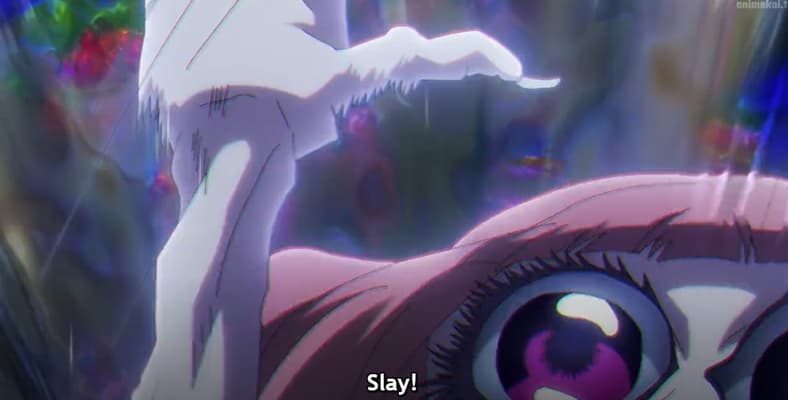
Furthermore, there is the issue of authorial respect. Shizumu Watanabe’s Dead Account is a carefully constructed horror-action series. When a ghost who is meant to be a terrifying, child-mutilating aberration begins shouting "Slay!" and "Girlie-pop," the horror element is effectively neutralized, turning a dark scene into a parody. This shift in genre—from horror to unintentional comedy—represents a significant breach of the "invisible" role typically expected of a translator.
Conclusion
The controversy surrounding Crunchyroll’s Dead Account serves as a microcosm for the larger battle over the soul of anime localization. As the medium becomes increasingly mainstream, the pressure to "Westernize" content grows. However, as the backlash from the Dead Account community demonstrates, a significant portion of the audience values authenticity over "relatability."
For Crunchyroll, a company that recently increased its prices, the demand for high-quality, faithful translations is likely to intensify. Whether the platform will adjust its in-house localization policies or continue to prioritize "chronically online" scripts remains to be seen. For now, Dead Account stands as a cautionary tale of how the pursuit of being "current" can inadvertently lead to a loss of timelessness.

 Rifan Muazin
 Ammar Sabilarrohman