Evan Lee Salim
For decades, the video game industry has operated on a clear, tangible promise: you purchase a product, you own a copy, and—barring physical degradation—that experience remains yours to revisit whenever you choose. However, as the industry hurtles toward a discless future, that implicit contract between creator and consumer is fraying. With major hardware manufacturers signaling the end of physical media production by 2028, the industry is approaching a digital precipice that has industry titans, preservationists, and gamers alike deeply concerned.
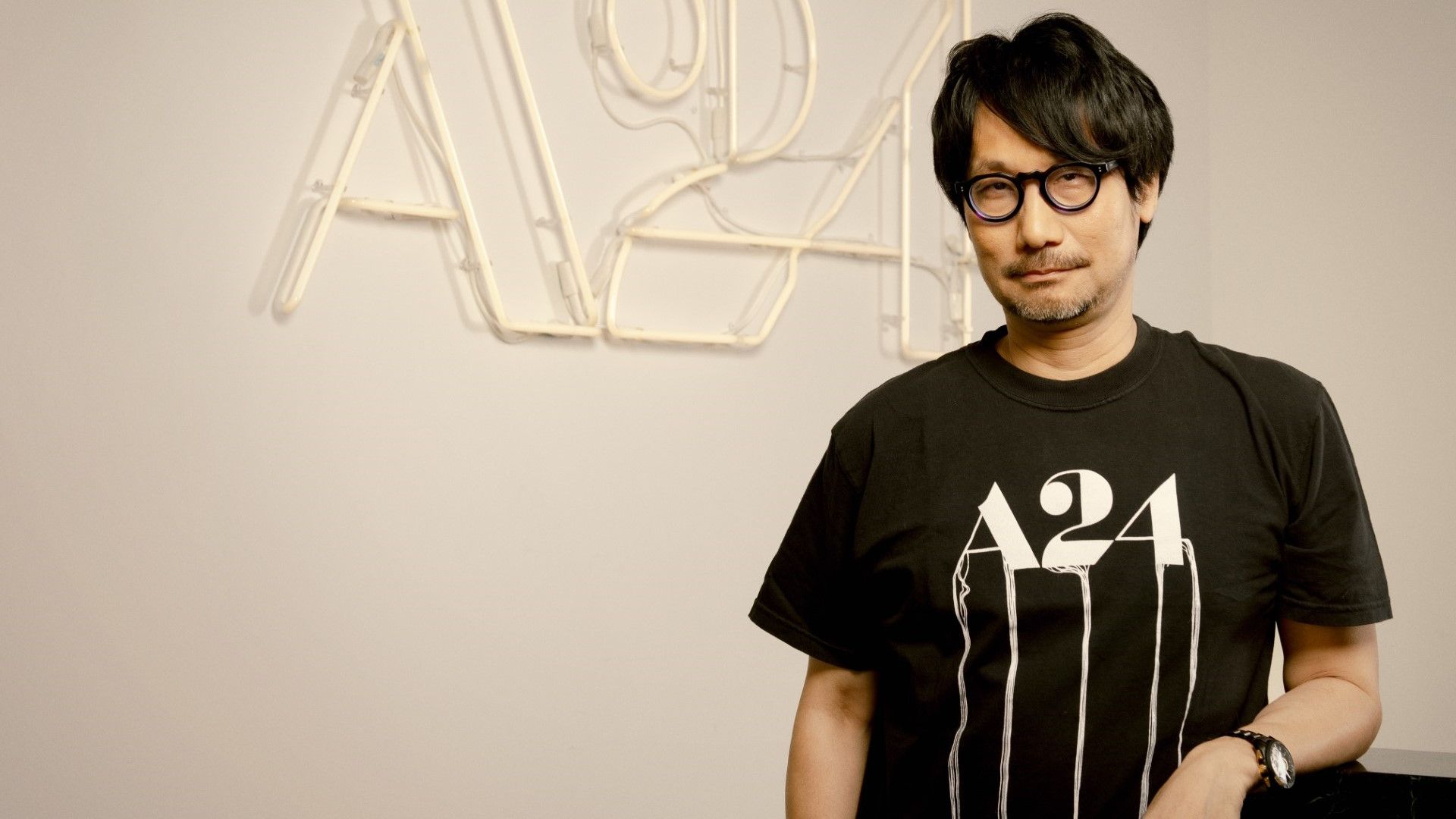
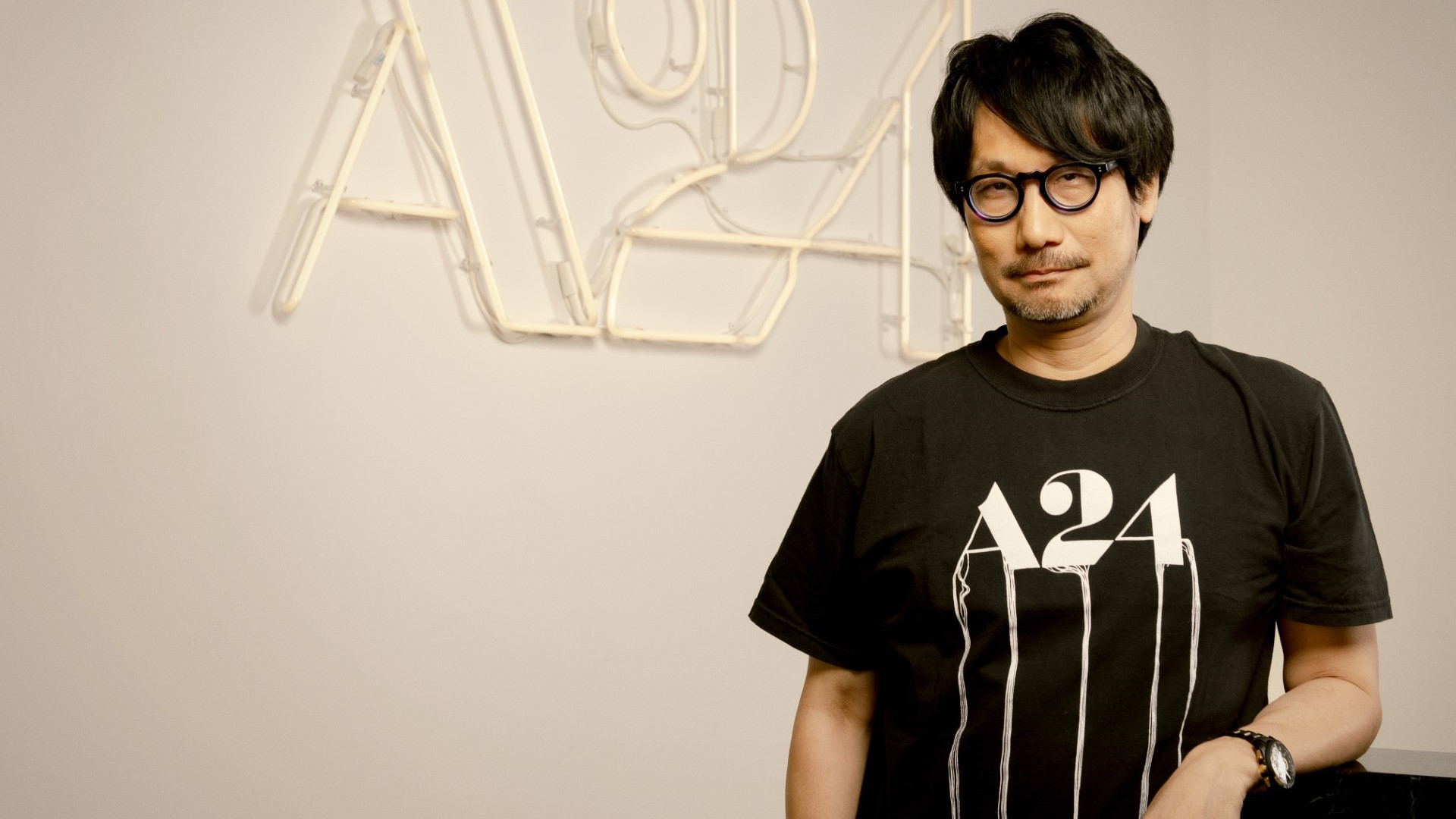
Among those sounding the alarm is legendary auteur Hideo Kojima. During a recent appearance at the Il Cinema in Piazza film festival, the Death Stranding creator offered a sobering assessment of a world where our favorite forms of art are no longer held in our hands, but tethered to the whims of corporate servers.
The Shrinking Physical Footprint: A Chronology of Decline
To understand the gravity of the current situation, one must look at the gradual erosion of physical media over the last fifteen years.
- 2010–2015: The Rise of Digital Storefronts: The launch of platforms like Steam, the PlayStation Store, and Xbox Live transformed digital distribution from a niche convenience into the industry standard. While discs remained the primary mode for console gaming, the "day-one patch" culture began to render discs less "complete" than they once were.
- 2016–2020: The Subscription Boom: The meteoric rise of services like Xbox Game Pass and PlayStation Plus introduced the concept of "renting" a massive library of content. While consumer-friendly in the short term, this shifted the value proposition from ownership to temporary access.
- 2021–2024: The Hardware Pivot: The release of "Digital Edition" consoles signaled a clear intent from manufacturers to phase out optical drives. This culminated in the recent industry-wide consensus that by 2028, the production of physical game discs will be effectively obsolete.
- 2025 and Beyond: The focus now shifts to the "Streaming Era," where content is not stored locally but accessed via cloud infrastructure—a move that removes the user’s ability to "own" a copy entirely.
Kojima’s Warning: The "Turning of the Tap"
Hideo Kojima has long been known for his foresight, often predicting themes of information control and technological surveillance in his Metal Gear series. Now, he is applying that same critical eye to the medium he helped define.
"Since production is ending in 2028, this is about video games, but I grew up with physical media, so I find it really sad," Kojima stated during the festival panel. His personal response to this transition has been one of defensive accumulation: "Currently, I’ve been buying up a lot of Blu-rays, such as various movies, and CDs too."
Kojima’s primary concern lies in the mechanics of modern digital distribution. He drew a sharp parallel between the current state of gaming and the subscription-based models of streaming services like Netflix or Amazon Prime.
"With streaming subscription services, there is a server somewhere, and you essentially just have the right to turn the tap, and when you do, the data flows out," Kojima explained. "You don’t download the data, you access it directly through a subscription. And the consequence of that is that you don’t actually possess the data yourself."
This lack of possession is the crux of the issue. When access is contingent on a subscription, the consumer is at the mercy of licensing agreements, server maintenance, and corporate viability. If a company decides to pull a game from its servers—whether due to expired music rights, low player counts, or a bankruptcy filing—the consumer loses their ability to "turn the tap."
The Preservation Paradox
The shift toward a service-based model has created a massive void in video game preservation. Unlike books or films, which can be stored in analog formats, software is inherently tied to hardware and specific operating environments.
As physical discs disappear, the "official" version of many games will exist only as ephemeral code on a corporate server. If that server shuts down, the game effectively ceases to exist. This has led some prominent voices in the preservation community to suggest that piracy may be the only viable path forward. If the industry refuses to offer a meaningful alternative for long-term ownership, unauthorized backups may become the only way to ensure that the history of the medium survives for future generations.
This concern is shared by activists like those at the Stop Killing Games initiative. This group has been actively lobbying government officials and EU regulators, pushing for legislation that would force companies to ensure that games remain playable even after the developer shuts down the official servers. Their efforts highlight a fundamental shift: as digital ownership becomes the norm, the legal framework governing "ownership" is being tested in real-time.
The Geopolitical Implications of Cloud Dependency
Perhaps the most chilling aspect of Kojima’s critique is his warning regarding the fragility of these digital systems in the face of global instability.
"There are companies that own these servers and let you ‘turn the tap’ for a monthly fee," Kojima noted. "However, with nations, politics, and various ways of thinking, one naturally has to consider the possibility that if there is a change, the data inside will stop being distributed. And if that happens, you won’t be able to watch or play the movies and games you like. That is what is frightening."
This highlights a vulnerability that many consumers ignore: our digital libraries are not just subject to the business decisions of a publisher, but to the geopolitical landscape. Regional restrictions, trade embargoes, and changes in local law could theoretically result in an entire library of digital content being wiped from a user’s access, effectively rendering a significant investment of time and money void.
Implications for the Future: A Warning to Other Media
Kojima’s closing remarks served as a grim prophecy not just for gaming, but for the entire creative landscape. He suggested that the transition occurring in gaming is merely the vanguard for other forms of media.
"What is happening to video games in 2028 might also happen to movies," he warned. "I’d like everyone to keep that in mind."
We are entering an era of "digital serfdom," where the user is no longer a customer, but a tenant. The implications are profound. If we lose the ability to own our media, we lose the ability to archive our culture. We become reliant on a transient, corporate-controlled pipeline that can be altered or severed at any time.
As we move toward 2028, the industry faces a choice. It can continue to prioritize the profit margins of subscription-based, cloud-only models, or it can acknowledge the necessity of consumer rights and long-term preservation. Kojima’s decision to stockpile physical media is not just an act of nostalgia; it is a vote of no confidence in a system that prioritizes convenience over permanence.
For the collector, the historian, and the fan, the future of media is becoming increasingly precarious. If we do not demand a path toward true digital ownership or the preservation of physical alternatives, we may find ourselves in a future where the art we love is as fleeting as the signal on our screens—available only as long as the "tap" remains open.

 Asro
Asro
 Muslim