The landscape of independent game development is currently undergoing a significant paradigm shift. As major industry players navigate turbulent waters regarding licensing fees, runtime costs, and the integration of generative AI, the open-source community has rallied behind the Godot Engine with renewed fervor. Often celebrated for its lightweight footprint and exceptional efficiency in 2D development, Godot is increasingly proving that it is more than just a "pixel art machine." With the release of an ambitious new 20-hour tutorial series by The GameDev Tavern, the engine is poised to show the world that its 3D capabilities are not only robust but highly accessible for serious developers.
The State of the Engine: Why Godot is Rising
Godot Engine has long been the darling of the open-source community, but its trajectory has steepened in the last 18 months. Following controversial pricing changes in competing engines, thousands of developers sought a "safe harbor." They found it in Godot’s permissive MIT license, which ensures that no corporate entity can retroactively alter the terms of service or impose royalty structures.
The recent decision by the Godot Foundation to explicitly ban the integration of generative AI into the engine’s core codebase has further solidified its reputation as a "developer-first" platform. In an era where "vibe coding"—the practice of relying heavily on AI to generate functional code without deep comprehension—has become a point of contention, Godot’s stance encourages a return to fundamental software engineering principles. This has won the engine significant goodwill, positioning it as the primary tool for developers who prioritize ownership, long-term stability, and the craft of programming.
A Deep Dive: The Goblins’ Den Project
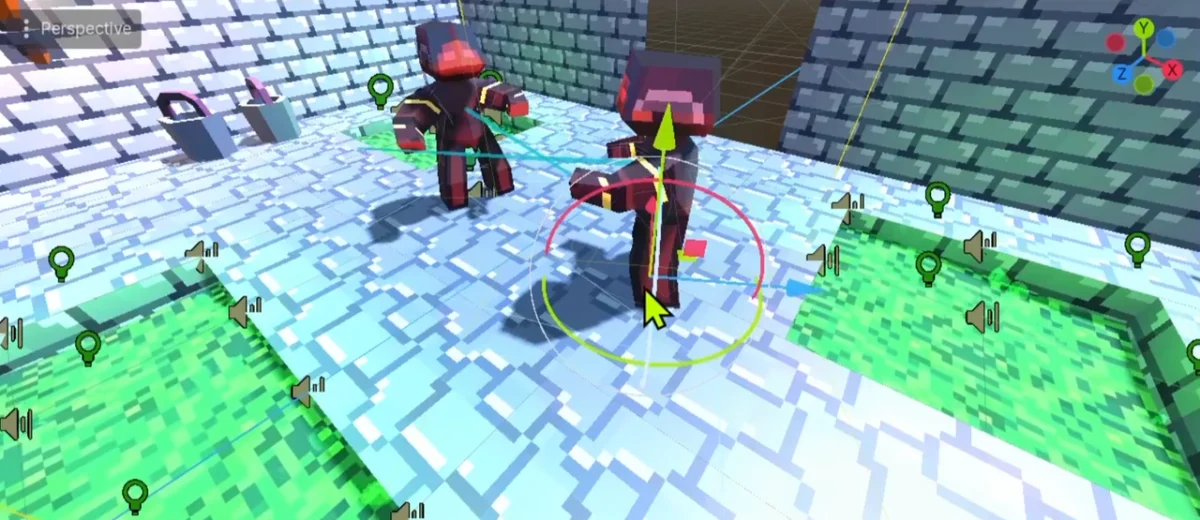
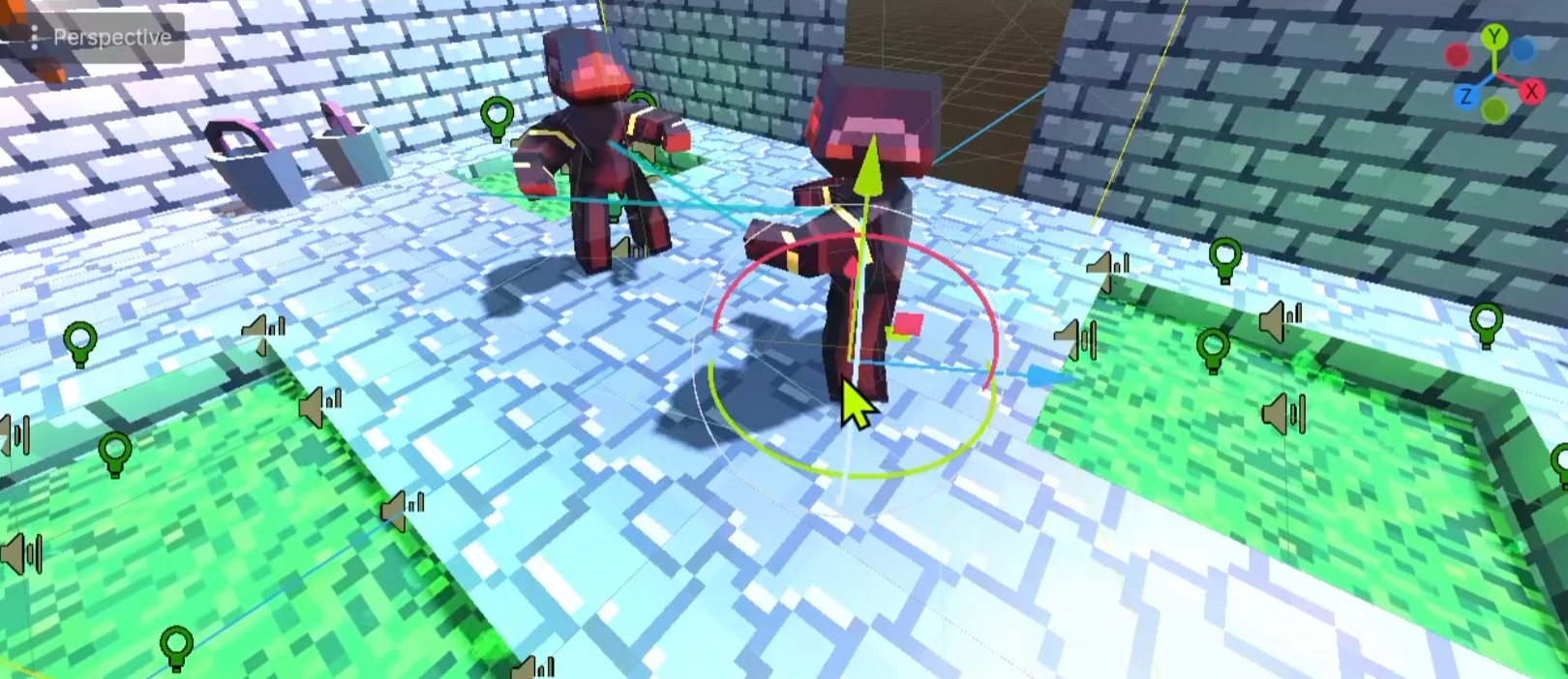
While Godot’s 2D capabilities are legendary, its 3D renderer has seen massive improvements in Godot 4. To bridge the knowledge gap for those transitioning from other engines or leveling up their skills, The GameDev Tavern has launched a definitive 18-part masterclass titled First Person Controller | Godot 4 Dungeon Crawler.
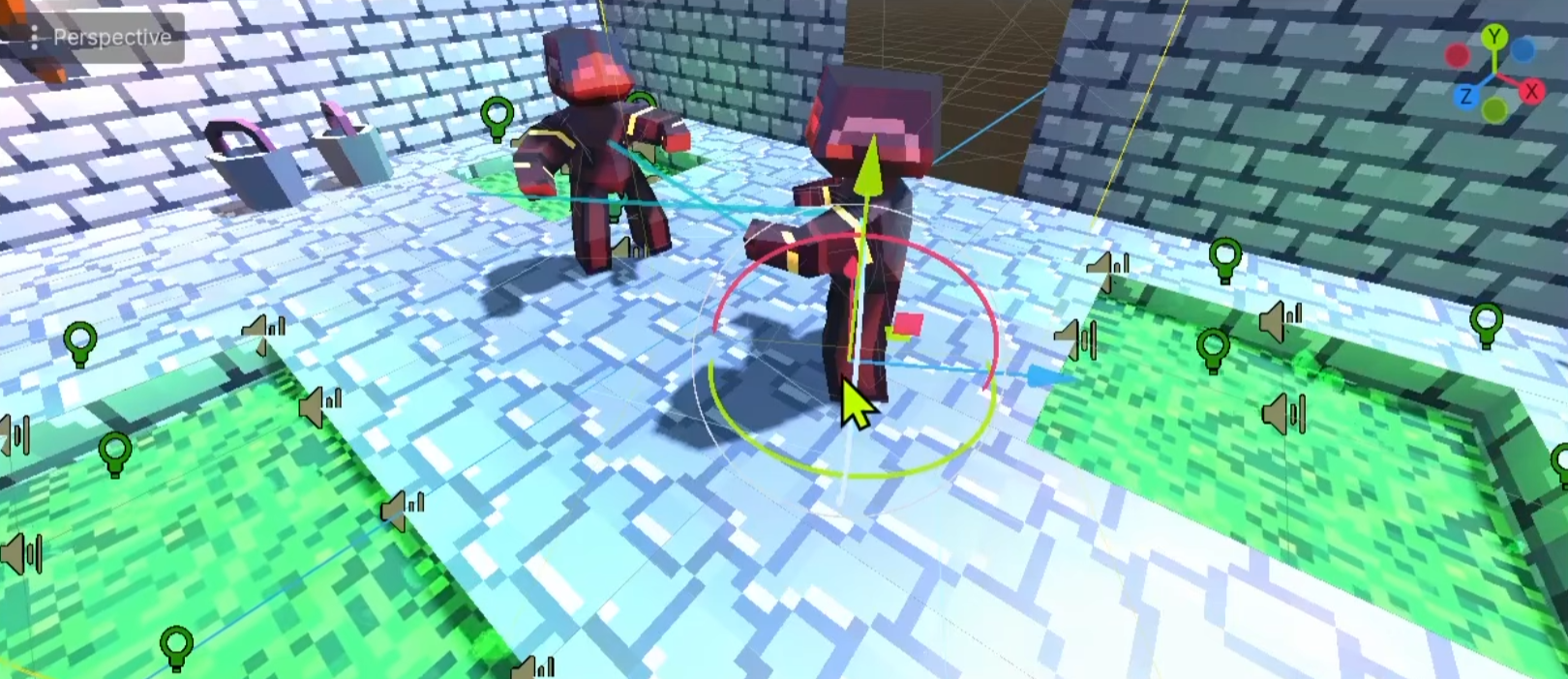
This project is not a simple "hello world" tutorial. It is a comprehensive, 20-hour curriculum designed to take a developer from a blank slate to a polished, feature-rich 3D dungeon crawler. The project, titled Goblins’ Den, is available for download on Itch.io, allowing students to inspect the architecture of a real-world project as they follow along.
The Curriculum Breakdown
The series is designed to be exhaustive, covering the full pipeline of modern game creation:
- Asset Pipeline: Participants learn to create models, rigs, and animations from scratch, ensuring a deep understanding of how assets interact with the engine.
- Technical Art: The course delves into custom shaders and lighting models, essential components for creating the atmospheric, moody aesthetic of a dungeon crawler.
- Core Systems: The tutorials cover node-based state machines—a staple of robust game architecture—as well as composition models, which are critical for maintaining clean, modular code.
- Advanced Mechanics: Beyond the basics, the series covers ragdoll physics, navigation pathfinding for AI enemies, and sophisticated level design principles.
Chronology of the Course Rollout
The GameDev Tavern has opted for a serialized release schedule to maintain community engagement and allow for iterative learning.
- The Launch: The first four episodes were released simultaneously to provide a foundation in first-person movement and environment setup.
- The Ongoing Schedule: New installments are released every Monday, Wednesday, and Friday at 9:00 AM PST.
- The Scope: With 18 episodes planned, the series is designed to conclude with a fully realized game loop, including menu systems, combat mechanics, and save-state persistence.
Implications for the Indie Industry
The arrival of such an in-depth, free resource marks a critical juncture for Godot’s ecosystem. Historically, the primary barrier to entry for Godot’s 3D tools was the relative scarcity of advanced, "from-scratch" tutorials compared to the vast libraries available for Unreal Engine or Unity. By providing a high-fidelity guide, The GameDev Tavern is effectively lowering the barrier to entry for mid-level developers.
Moving Beyond "Vibe Coding"
The industry’s reliance on "vibe coding"—where developers prompt AI to write code snippets they don’t fully understand—has led to a proliferation of "spaghetti code" projects that are impossible to maintain or debug. The course explicitly targets intermediate to advanced developers, focusing on logic, structure, and the "why" behind the code. By avoiding the crutch of AI-generated boilerplate, the course forces learners to engage with Godot’s GDScript or C# integration in a way that promotes mastery rather than mere output.
Hardware Considerations
A common misconception is that professional-grade game development requires "NASA-level" hardware. While the course covers 3D rendering, Godot’s efficient architecture means that it can perform well on a wide variety of hardware. However, for those looking to upgrade their workstation, the requirements for 3D development are distinct from those for 2D. Developers need a balance of CPU core count for compiling and GPU VRAM for real-time rendering. As industry standards shift, we are seeing a move toward more portable power, with high-end gaming laptops becoming the preferred choice for many independent studios and freelance developers.
The Future of Open-Source Game Development
The Godot Foundation’s success is a testament to the power of community-led development. By remaining focused on the core needs of developers—stability, performance, and transparency—Godot has built a ecosystem that is resilient against market fluctuations.
As the Goblins’ Den series progresses, it is expected to serve as a cornerstone for future Godot 4 education. For developers who feel disillusioned by the direction of larger, proprietary engines, this course represents a path forward: a way to build complex, professional-grade 3D titles using tools that are free, open, and entirely under the user’s control.
Whether you are a veteran developer looking to switch engines or a hobbyist aiming to refine your technical art skills, the current climate suggests that there has never been a better time to commit to the Godot platform. With educational resources becoming more sophisticated and the engine’s feature set maturing, the "indie dream" is becoming increasingly tangible for anyone willing to put in the hours to learn the craft.
For those interested in following the series, the first episodes are available now on The GameDev Tavern’s YouTube channel. You can track the progress of the Goblins’ Den project via their Itch.io page.