

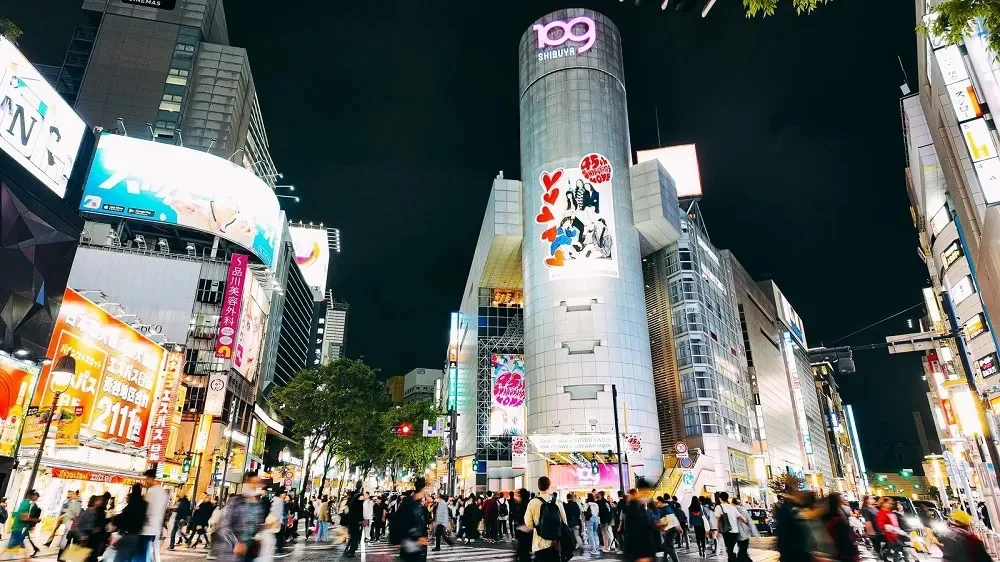
As of June 1, 2026, the bustling streets of Tokyo’s Shibuya Ward have undergone a significant regulatory transformation. In an aggressive move to curb the rising tide of litter that has accompanied a surge in both domestic and international tourism, local authorities have implemented a new, strictly enforced policy: littering in any public or private space within the ward will now result in an immediate, on-the-spot financial penalty.
The initiative represents a fundamental shift in how the district—home to the world-famous Shibuya Scramble and the trendy districts of Harajuku and Omotesando—manages public cleanliness. For residents and visitors alike, the message is clear: the era of lax enforcement regarding waste disposal is officially over.
Main Facts: The New Enforcement Regime
The core of the new regulation is a 2,000 yen (approximately US$13) fine for anyone caught discarding trash on the ground. This rule is not confined to the chaotic pedestrian hubs surrounding Shibuya Station; it is a ward-wide mandate. From the high-fashion avenues of Omotesando to the youth-centric corridors of Takeshita Street and the quiet, traditional approaches to Meiji Shrine, the law applies universally.
Crucially, the regulation extends beyond public sidewalks and parks. It is enforceable on private property accessible to the public, including train stations, shopping malls, and plazas. While the law is not intended to police the private residences of citizens, it grants inspectors the authority to issue citations within commercial zones, ensuring that litterbugs cannot hide behind the "private property" label to evade accountability.
To ensure compliance, Shibuya Ward has deployed a dedicated force of approximately 50 roving inspectors. These officials are tasked with monitoring the streets 24 hours a day. Unlike previous iterations of city ordinances that often relied on warnings or complex administrative processes, this new system prioritizes immediate resolution. Fines are collected on the spot, with officials equipped to accept both cash and various cashless payment methods, such as credit cards.
Chronology of the Policy Implementation
The journey to this strict enforcement began long before the June 1, 2026, rollout.
- 2025 – The Data Gathering Phase: Shibuya Ward officials conducted an extensive study to determine the state of waste management infrastructure in the district. The study revealed significant disparities in trash receptacle availability. While fast-food chains were relatively well-equipped, smaller vendors and mobile food trucks lagged significantly behind.
- Early 2026 – Regulatory Drafting: Recognizing that infrastructure alone was not changing human behavior, the ward council moved to draft legislation that balanced corporate responsibility with individual accountability.
- April 2026 – Public Awareness Campaigns: As news of the potential fines leaked, the city began broadcasting information to ensure that both local businesses and incoming tourists were aware of the changing landscape.
- June 1, 2026 – Enforcement Commencement: The policy officially went into effect, marking a new chapter in Shibuya’s urban management. The first week of June served as a high-visibility period for the new inspectors, who began patrolling the most high-traffic zones to ensure the message was received.
Supporting Data: Why Now?
The decision to impose these fines was driven by a combination of empirical data and social necessity. The 2025 study cited by the Shibuya Ward government highlighted a concerning trend: while 97% of fast-food restaurants provided bins, only 50% of food trucks and 47% of beverage stands offered similar disposal options for their customers.
This disparity created a "litter vacuum," where customers would purchase goods from vendors who provided no way to dispose of the resulting waste, inevitably leading to trash being discarded in nearby alleyways or at the base of trees. By mandating that convenience stores, takeout sellers, and vending machine operators provide trash receptacles—under threat of a 50,000 yen fine for non-compliance—the ward is attempting to force the private sector to internalize the costs of their own packaging waste.
Furthermore, the decision to require on-the-spot payment is a strategic move to manage the high volume of international visitors. In the past, foreign tourists caught violating local ordinances could theoretically depart the country before any formal fine could be processed or collected. By mandating immediate payment, the ward ensures that the penalty serves as a genuine, real-time deterrent.
Official Responses and Strategic Rationale
Shibuya Ward officials have defended the measure as a necessary step to preserve the character and cleanliness of one of the world’s most visited districts. Mayor and council members have emphasized that the fine is not intended as a revenue-generating scheme, but rather as a behavioral modification tool.
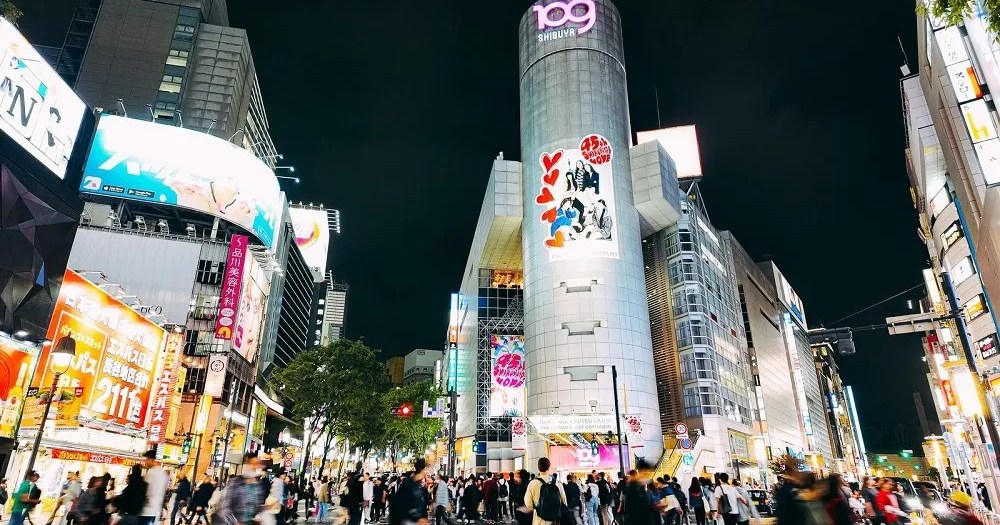
"We want our city to be welcoming, but that requires a baseline of respect for our shared environment," a spokesperson for the ward noted during a recent press briefing. The administration acknowledges that the 50-person inspection team is a significant investment of municipal resources, but they argue that the cost of cleanup—and the negative impact of litter on the district’s brand image—is far higher.
The decision to pair the fine with a mandatory receptacle requirement for businesses is a hallmark of Japanese public policy, which often emphasizes shared responsibility between the private and public sectors. By ensuring that shops are responsible for the waste they create, the city is shifting the burden of "carrying out your trash" away from the individual consumer in cases where the vendor is the primary source of the waste.
Implications for Residents and Tourists
For the average visitor, the new rules necessitate a change in habits. The "eat-while-walking" culture, while popular in many global cities, has long been discouraged in Japan, and this new law reinforces that norm.
The "Trash Logic" Challenge
One of the most complex aspects of the new policy is the issue of trash compatibility. As many observers have noted, Japanese trash bins—especially those near vending machines—are highly specialized. They are designed for specific items, such as PET bottles, aluminum cans, or glass. If a visitor buys a doughnut from a chain store and attempts to dispose of the paper bag in a vending machine bin, they may find that the bin is neither suitable nor permitted for that type of refuse.
This creates a scenario where, even with more bins on the street, visitors may struggle to find a "legal" place for their specific waste. The local government’s advice remains consistent with traditional Japanese etiquette: if you cannot find a bin that is explicitly designated for your specific type of trash, you should carry it with you until you return to your hotel or residence.
The Risk of Scams
As with any new, on-the-spot fine system, there is a legitimate concern regarding potential scams. Earlier this year, Japanese police issued warnings regarding individuals posing as law enforcement to collect fake fines for bicycle violations. Tourists, who may be less familiar with official documentation and the appearance of city inspectors, are particularly vulnerable.
To mitigate this, Shibuya Ward has encouraged the public to look for official identification and to utilize digital, traceable payment methods. If an individual is unsure about the legitimacy of an inspector, they are advised to request to see official government documentation or to ask for a formal receipt, which all legitimate municipal inspectors are required to provide.
Future Outlook
The success of this program will be measured over the next 12 to 24 months. If the streets of Shibuya become noticeably cleaner, it is highly likely that other high-traffic wards in Tokyo—such as Shinjuku or Minato—will adopt similar, or perhaps even more stringent, measures.
However, the policy also highlights the growing friction between the "tourist-friendly" vision of modern Japan and the "community-centric" norms of local neighborhoods. As Tokyo continues to lean into its identity as a global tourism capital, the balance between accommodating millions of visitors and maintaining the pristine, orderly environment that residents expect will remain a delicate, and often contentious, tightrope walk.
For now, the lesson for anyone walking the vibrant, neon-lit streets of Shibuya is simple: keep your receipt for that snack, hold onto your candy wrapper, and ensure that your visit to Tokyo leaves nothing behind but footprints.












No comments yet. Be the first to join the conversation!