Nana Muazin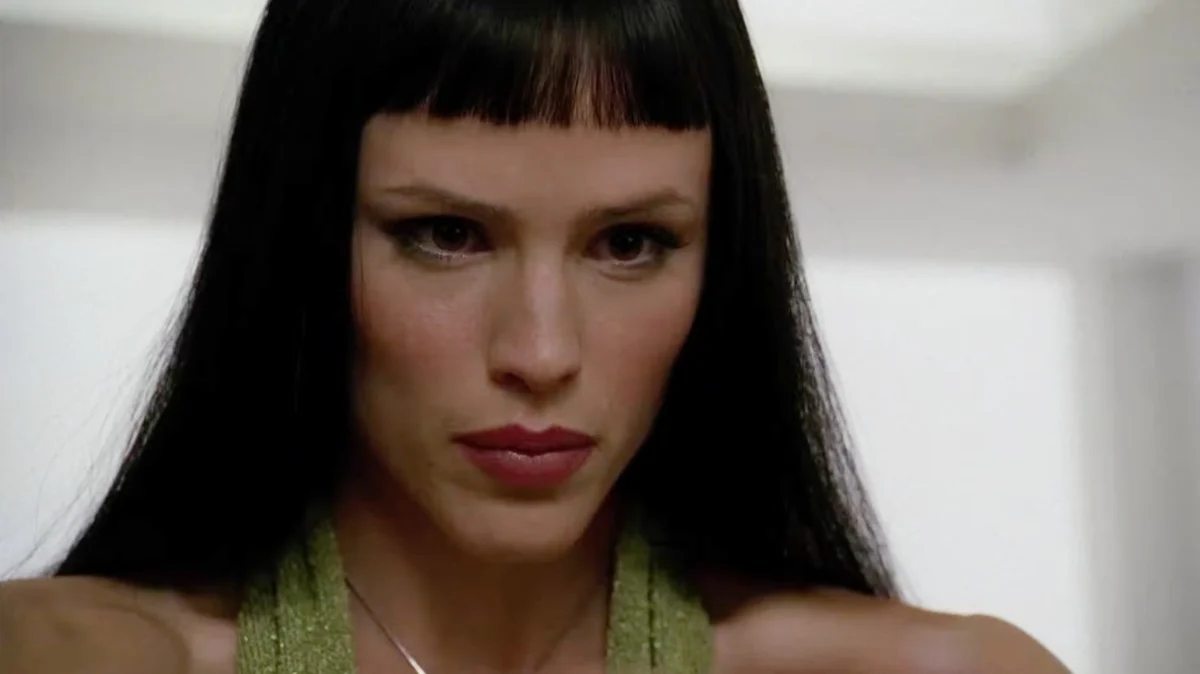
Before the lens flares of Star Trek or the galaxy-spanning epics of Star Wars, J.J. Abrams was the architect of one of the most stylish, adrenaline-fueled spy thrillers of the early 2000s: Alias. While the series is often remembered for launching Jennifer Garner into superstardom, it was also a masterclass in guest casting. Among the litany of A-list stars who graced the screen—from Quentin Tarantino to Faye Dunaway—there remains one appearance that stands out as a bridge between two eras of espionage fiction: the guest turn of legendary James Bond actor, Sir Roger Moore.
Main Facts: A 007 in the SD-6 Universe
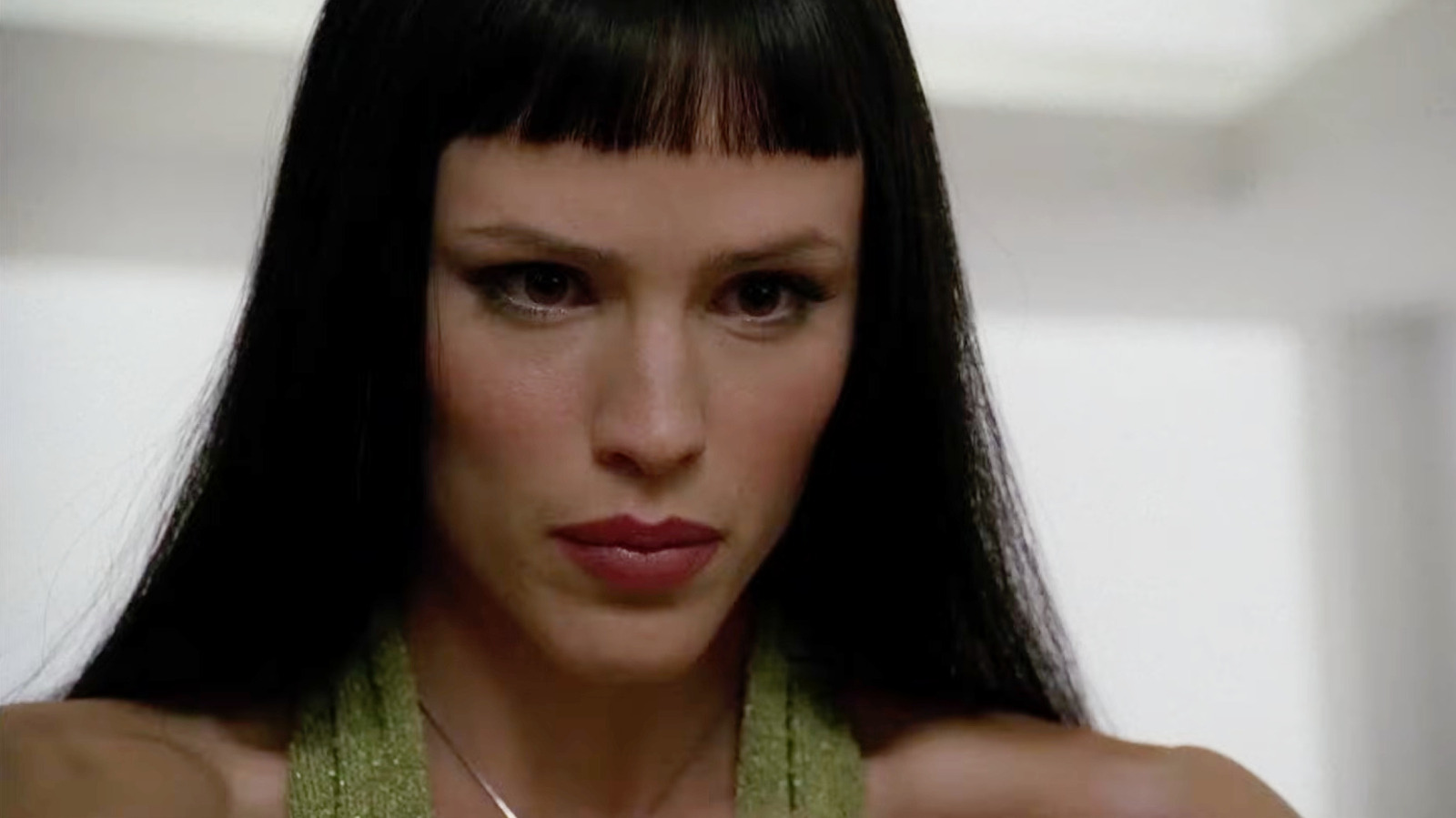
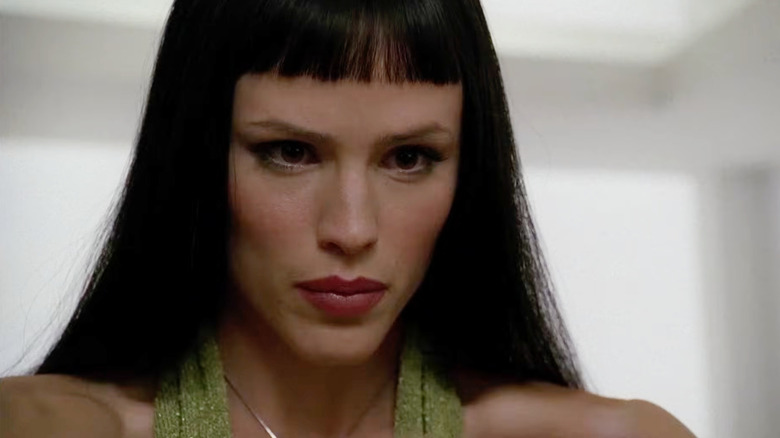
In the mid-2000s, Alias was the quintessential "water-cooler" show. It combined the high-stakes world of international intelligence with the intimate, often agonizing, drama of family secrets. At its core was Sydney Bristow (Jennifer Garner), a graduate student who believes she is working for a top-secret branch of the CIA called SD-6. The cruel twist of the pilot episode—that SD-6 is, in fact, a global terrorist cell—set the stage for a series-long game of cat and mouse.
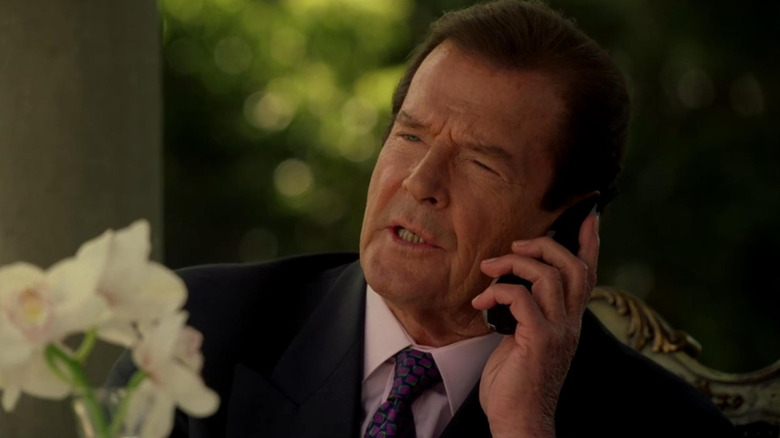
Amidst this complex geopolitical chessboard, the show’s producers made a savvy casting move in its debut season. They enlisted Sir Roger Moore, the iconic British actor who defined the role of James Bond throughout the 1970s and early 1980s, to play Edward Poole. Appearing in the sixth episode of the first season, titled "The Prophecy," Moore’s inclusion was more than just a nod to genre history; it was a testament to the cultural cachet Alias held even in its infancy.
Moore’s character, Edward Poole, was introduced as a high-ranking member of "The Alliance"—the shadowy, global criminal syndicate that oversees organizations like SD-6. For fans of the spy genre, seeing a former 007 step into the world of J.J. Abrams was a "crossover" moment that underscored the legitimacy and ambition of the show’s production design.
Chronology: The Brief but Fatal Arc of Edward Poole
To understand the significance of Roger Moore’s appearance, one must look at the specific narrative trajectory of the first season of Alias. The show was structured around the slow, agonizing dismantling of the lies surrounding Sydney Bristow’s life.
The Setup
By episode six, the audience was well-aware that Arvin Sloane (Ron Rifkin) was the primary antagonist. However, the internal politics of The Alliance—the board of directors for the world’s most dangerous criminals—were still shrouded in mystery. Edward Poole is introduced as a man of stature and suspicion. He arrives with the intent of investigating a suspected mole within the ranks of SD-6.
The Confrontation
The tension in "The Prophecy" centers on a classic spy trope: the internal audit. Poole suspects that there is a breach in security, and his investigation threatens to uncover Sydney’s precarious status as a double agent for the "real" CIA. As the tension mounts, Moore brings a chilling, understated authority to the role. He is not the quip-heavy Bond of Moonraker; he is a calculating, dangerous bureaucrat of the underworld.
The Climax
In a twist that remains one of the most jarring moments of the early series, it is revealed that Poole’s accusations are a smokescreen. The narrative pivots, revealing that Poole himself is compromised, or at the very least, a liability that Arvin Sloane cannot afford to keep alive. In a cold, calculated move, Sloane—who is rarely seen engaging in hands-on violence—takes matters into his own hands. In the final moments of the episode, Sloane murders Edward Poole. The death is swift and brutal, serving to cement Sloane’s reputation as a man who operates without moral boundaries or fear of reprisal.
Supporting Data: Why ‘Alias’ Was the Perfect Stage for Moore
When analyzing the success of Alias, one cannot overlook the pedigree of its guest stars. The series acted as a magnet for talent, largely because the writing allowed for "elevated" genre work.
- Quentin Tarantino: The director appeared in a recurring role as Marshall Flinkman’s mentor and a villain, McKenas Cole, in the first season. His presence brought a gritty, pulp sensibility to the show that resonated with the fanbase.
- Faye Dunaway: In Season 2, the Academy Award-winning actress played Ariana Kane, a ruthless internal affairs officer. Her inclusion proved that the show was capable of handling high-caliber dramatic performances.
- The "Bond" Connection: By casting Roger Moore, the showrunners were actively engaging with the lineage of the spy genre. Moore brought a sense of "prestige" that elevated the stakes of the SD-6 storyline. It signaled to the audience that this wasn’t just another action show; it was an homage to the history of espionage cinema.
The inclusion of these stars was not merely for spectacle. It was a strategic decision to ground the fantastical elements of the show (the Rambaldi artifacts, the high-tech gadgets) in the performances of actors who brought gravitas to the screen.
Official Responses and Behind-the-Scenes Context
While J.J. Abrams has spoken extensively about the influences behind Alias—citing everything from Mission: Impossible to classic spy novels—the casting of Roger Moore was widely viewed as a "win" for the production team.
Industry critics at the time noted that Moore’s willingness to play a character who meets such an ignominious end spoke to his sense of humor regarding his own career. Moore was known for being self-deprecating about his tenure as Bond, and his role as Edward Poole—a man who thinks he is the smartest person in the room only to be outplayed by the villain—fits perfectly into that persona.
The showrunners utilized the "disposable" nature of the guest star to great effect. Because the audience knew Moore was a legend, his death in the first episode of his appearance was genuinely shocking. It established a rule for the show: no one, regardless of their star power, was safe from the machinations of Arvin Sloane.
Implications: The Legacy of ‘Alias’ and the Evolution of the Spy Thriller
The legacy of Alias is often discussed in terms of its impact on the "serialized drama." Before streaming services made binge-watching the norm, Alias required a level of audience commitment that was rare for network television. Its success paved the way for shows like Lost, 24, and Fringe.
The "Phase One" Benchmark
The impact of early characters like Edward Poole culminated in the Season 2 mid-point finale, "Phase One." This episode is widely considered the peak of the series, where the SD-6 infrastructure is finally dismantled. The death of characters like Poole throughout the first season provided the necessary friction to make the collapse of the organization feel earned and earned in blood.
A Masterclass in Guest Casting
Alias proved that a procedural-style show could benefit from high-profile, short-term guest stars. By rotating iconic actors through the series, the producers kept the world feeling vast and dangerous. When Roger Moore appeared, the world of Alias felt like it shared a universe with the great spy thrillers of the 20th century.
Why It Still Matters Today
Today, Alias remains available on streaming platforms like Disney+, allowing new generations to appreciate its frenetic pacing and sharp writing. The presence of Roger Moore acts as a "time capsule" moment—a reminder of the era when network television was the primary venue for high-concept action.
For the modern viewer, the appearance of a former 007 in a show like Alias serves as a lesson in effective storytelling. It shows that even a "villain of the week" can leave an indelible mark on a series if they are cast with intent and given a narrative purpose that drives the protagonist’s growth. Roger Moore’s Edward Poole was never meant to be a long-term player, but his existence—and his death—remained a cornerstone of the show’s internal logic.
As we look back at the landscape of 2000s television, it is clear that Alias was a pioneer. It was a show that wasn’t afraid to take risks, to kill off legends, and to treat its audience with the intelligence expected of a true spy thriller. Sir Roger Moore’s cameo may have been short, but like the best secrets in the world of espionage, its impact lingered long after the episode concluded.


 Nila Kartika Wati
 Ali Ikhwan