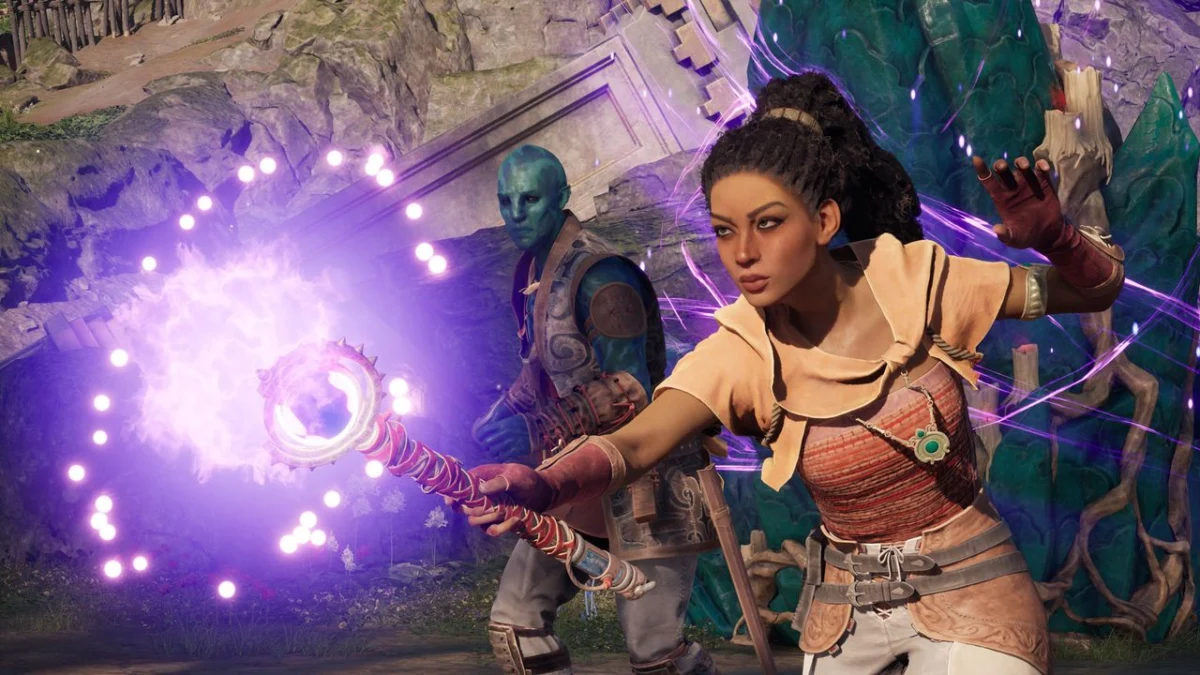
In a sobering development for the video game industry, Obsidian Entertainment—the celebrated developer behind genre-defining titles such as The Outer Worlds, Pentiment, Grounded, and the highly anticipated Avowed—has been hit by a severe wave of layoffs. The cuts, which have seen an estimated 25% of the studio’s workforce depart, arrive as part of a massive, company-wide restructuring initiative at Microsoft, which has pledged to eliminate a staggering 3,200 positions by the end of the 2027 fiscal year.
For years, Obsidian Entertainment held a reputation as one of the most resilient and beloved pillars of the Xbox Game Studios umbrella. However, the events of this week have shattered the perception that even the most critically acclaimed studios are insulated from the aggressive cost-cutting measures currently sweeping through the technology and gaming sectors.
The Anatomy of the Cuts: A Dark Day for Industry Veterans
The news began to surface on social media platforms early this week, as developers began to share the devastating reality of their employment status. These were not merely entry-level staffers; the layoffs have claimed some of the most experienced creative voices in the RPG genre.
Jay Turner, a veteran narrative designer with over two decades of experience, took to Bluesky to confirm his departure. Turner, whose impressive resume includes work on BioWare classics like Dragon Age: Origins and Mass Effect 2, expressed his frustration with the process, referring to the layoffs as part of the "Microsoft sacrificial rituals." His public plea for new opportunities serves as a stark reminder that even individuals with deep, industry-leading expertise are not immune to the current climate of corporate downsizing.
Similarly, Kate Dollarhyde, a narrative lead who has been instrumental in the writing for Avowed, Pentiment, and The Outer Worlds, confirmed that "many excellent developers" had been let go. The human cost is immense, with junior employees and long-time industry stalwarts alike finding themselves suddenly searching for work in an increasingly volatile job market. An animator at the studio, speaking on the condition of anonymity, noted that they were among the "dozens" of staff members cut, expressing deep gratitude for their time at what they described as their "dream job."
A Chronology of Uncertainty
The vulnerability of Obsidian Entertainment did not emerge overnight. For months, rumors had swirled regarding the stability of various Xbox-owned studios.
- Pre-Restructuring Speculation: Earlier this year, reports suggested that Obsidian was among a group of Xbox studios in high-stakes negotiations with Microsoft to avoid permanent closure. These rumors sparked significant anxiety among fans and industry analysts, who viewed the potential shuttering of such a powerhouse as a catastrophic loss for the RPG community.
- The Debunking: Just last week, prominent industry journalist Jason Schreier provided a measure of relief to fans, reporting that Obsidian was safe from total closure. However, this relief proved to be short-lived. While the studio avoided the "shutdown" scenario, the reality of the layoffs suggests that "safety" was relative.
- The Announcement: Following the broader announcement of a "reset" for Xbox—which includes 1,600 immediate job cuts as part of the wider 3,200-role reduction plan—the reality for Obsidian became clear. The studio, which had survived previous waves of industry consolidation, was finally forced to reduce its headcount by approximately 60 to 70 individuals.
Supporting Data: The Scale of the Xbox "Reset"
The layoffs at Obsidian are a microcosm of a much larger, systemic shift within Microsoft’s gaming division. CEO Asha Sharma has framed these cuts as a necessary "reset" for the organization, citing a need for efficiency and long-term sustainability. However, the sheer scale of the reduction—impacting thousands of employees across the Xbox ecosystem—has drawn sharp criticism from workers, unions, and analysts.
The impact has not been limited to Obsidian. Recent reports confirm that the layoffs have hit other major studios, including Bethesda and Zenimax Online. The Bethesda union, representing workers behind Fallout and The Elder Scrolls, released a scathing statement following the news: "When will this cycle of cuts in pursuit of ever-greater profits end?"
The math behind the layoffs suggests that Microsoft is prioritizing operating margins over the stability of its creative talent pools. With 1,600 jobs eliminated in the first wave alone, the gaming industry is witnessing one of the most significant contractions in its history.
The Silence of the Corporate Office
To date, Microsoft’s official stance remains focused on the "strategic alignment" of its assets. While the company has provided boilerplate language regarding the need for "streamlining" and "focusing on high-priority projects," there has been little to no acknowledgement of the individual impact on the creative teams that built the franchises currently being used to market Xbox Game Pass.
The lack of transparency regarding which roles are being cut at Obsidian is particularly concerning. When a studio loses 25% of its workforce, it is rarely a surgical, non-disruptive process. It often involves the loss of institutional knowledge, the breaking up of established creative partnerships, and a significant increase in the workload for those who remain. As these developers depart, the long-term health of upcoming projects—most notably the upcoming release of Avowed—remains an open question.
The Broader Implications for the RPG Genre
The situation at Obsidian raises fundamental questions about the sustainability of the "AAA" development model under the ownership of massive tech conglomerates. Obsidian has always been defined by its focus on narrative, complex systems, and player agency—elements that are notoriously difficult to quantify in a spreadsheet-driven corporate environment.
1. The Loss of Institutional Memory
When senior writers and designers with twenty years of experience are laid off, the studio loses more than just labor; it loses a specific creative sensibility. Obsidian’s "voice"—often cynical, thoughtful, and player-focused—is a product of the people who have worked there for years. Replacing that experience is impossible in the short term.
2. The Impact on Creative Risk-Taking
Studios like Obsidian are often allowed to take creative risks (such as the distinct art style of Pentiment) because they have a core team that understands how to manage those projects. A leaner, less experienced team is often forced to rely on safer, more iterative design choices. If Microsoft’s "reset" leads to a more risk-averse culture, the unique identity of Obsidian’s games may be the first casualty.
3. The Unionization Response
The backlash from the Bethesda union is a sign of a shifting tide. As Microsoft continues to pursue these "sacrificial" cuts, developers are increasingly looking toward collective bargaining as a means of protection. The current cycle of layoffs may inadvertently accelerate the unionization movement within the game industry, as workers realize that their "passion" for their projects is not a shield against corporate bottom lines.
Conclusion: What Happens Next?
The road ahead for Obsidian Entertainment is undoubtedly difficult. The studio must now deliver its upcoming slate of games with a significantly reduced workforce while simultaneously navigating the morale crisis that follows such a massive departure of talent.
For the players, the message is equally sobering: the era of the "safe" studio, where legendary developers could work on their craft without the constant threat of corporate restructuring, appears to be over. As the industry moves toward 2027, the focus for many will shift from "what will these studios make next?" to "will these studios even exist in their current form by the time the next project launches?"
The talent that defined the modern era of RPGs is currently on the job market, and the industry’s loss is a massive one. While Microsoft may see these cuts as a necessary step in its fiscal strategy, the creative cost to the medium is immeasurable. The "reset" is underway, but the cost of this reboot may be the very heart of what made these studios special in the first place.