Lina Irawan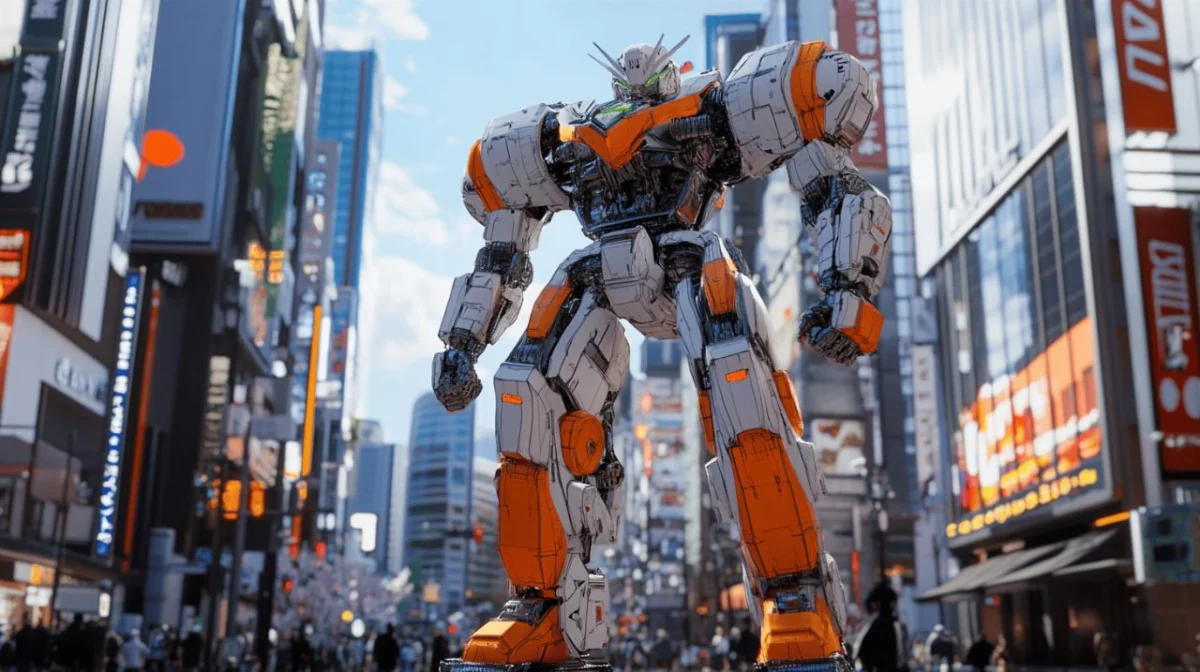
The global construction industry, a cornerstone of economic development, is currently undergoing a seismic shift. As traditional labor-intensive practices grapple with an aging workforce and a chronic shortage of skilled labor, Japan—a nation at the forefront of demographic decline—has unveiled a pioneering solution. The HRP-5P, an advanced humanoid robot developed by the National Institute of Advanced Industrial Science and Technology (AIST), stands as a testament to the potential of robotics to fill the widening gap in the construction sector.
This article explores the genesis, capabilities, and broader implications of the HRP-5P, positioning it as a pivotal development in the ongoing automation of the built environment.
Main Facts: The HRP-5P at a Glance
The HRP-5P is not merely a mechanical arm bolted to a factory floor; it is a full-scale humanoid robot designed to function in the dynamic, often unpredictable environments of construction sites. Unveiled by the AIST, this machine is engineered to perform the arduous, repetitive, and physically demanding tasks that have historically been the preserve of human workers.
Technical Specifications and Capabilities
Standing at approximately 182 cm and weighing 101 kg, the HRP-5P is designed to mimic human physical proportions, allowing it to navigate spaces originally built for humans. Key features include:
- Autonomous Navigation: Equipped with high-performance sensor suites, the robot can perceive its environment in 3D, allowing it to move safely around obstacles and adjust to shifting terrain.
- Object Manipulation: The robot utilizes advanced visual recognition to identify, grasp, and precisely install construction materials, such as heavy plasterboards or metal studs.
- Physical Endurance: Unlike human workers, the HRP-5P can perform tasks continuously without fatigue, ensuring consistent output and reducing the potential for human error in repetitive actions.
- Versatility: Beyond simple assembly, the robot is designed to collaborate with human teams, handling heavy lifting while operators focus on complex coordination and supervisory tasks.
Chronology: The Development Path
The road to the HRP-5P began as a strategic response to Japan’s unique socio-economic landscape.
- Pre-2015: The Research Foundation: AIST initiated several research streams focusing on bipedal locomotion and dexterous manipulation, aiming to move beyond the rigid automation of the automotive industry.
- 2017: Prototype Refinement: Researchers focused on improving the robot’s ability to handle deformable objects, a critical hurdle for construction, where materials like drywall and insulation are not as rigid as steel components.
- September 2018: The Official Unveil: AIST publicly demonstrated the HRP-5P performing the installation of a plasterboard wall. The demonstration was a breakthrough, showcasing the robot’s ability to coordinate its sensors and actuators in a real-world scenario.
- 2019-2024: Iterative Improvement: Post-launch, the focus shifted toward "co-bot" (collaborative robot) functionality, emphasizing safety sensors and intuitive user interfaces that allow construction workers to command the robot without needing a degree in robotics engineering.
Supporting Data: The Case for Automation
The rise of the HRP-5P is not an isolated experiment; it is part of a broader trend of technological integration in construction. The data supporting this shift is compelling.
Productivity Metrics
The construction sector has notoriously lagged behind manufacturing in productivity growth. However, robotic integration is changing this:
- Precision: Automated sanders and finishing robots now achieve tolerances of 0.5 mm over 250 meters of surface area per day, a feat of consistency difficult to replicate manually.
- Speed: Systems like Hadrian X have demonstrated the ability to lay 1,000 bricks per hour, while 3D printing firms like Winsun have proven that the structural shells of houses can be printed in under 24 hours.
- Resource Management: AI-driven software combined with hardware like the HRP-5P minimizes waste, as precise robotic cutting and placement reduce the surplus material typically ordered to compensate for human error.
Demographic Necessity
Japan’s demographic crisis is the primary driver. With a rapidly shrinking working-age population, the construction sector has seen the average age of workers soar. By 2025, it is estimated that a significant portion of Japan’s skilled workforce will reach retirement age. Robots like the HRP-5P are not replacing jobs; they are ensuring that the industry remains operational as the labor pool diminishes.
Official Responses and Strategic Vision
The AIST has consistently maintained that the goal of the HRP-5P project is to foster a symbiotic relationship between humans and machines.
"We are not looking to create a fully autonomous site that excludes people," notes a lead engineer at AIST. "We are looking to create a ‘human-machine’ team where the robot handles the ‘three Ds’—dull, dirty, and dangerous—allowing human experts to focus on quality control, design, and complex problem-solving."
The vision extends far beyond domestic construction. AIST has signaled interest in cross-pollinating this technology into the shipbuilding and aeronautical industries, where the assembly of large, complex structures requires the same level of dexterity and strength that the HRP-5P currently provides on construction sites.
Implications: The Future of the Building Industry
The introduction of humanoid robotics into construction carries profound implications for the global economy, workforce training, and safety standards.
Safety and Ergonomics
Construction remains one of the most dangerous professions globally. By delegating heavy lifting and repetitive assembly to robots, companies can significantly reduce musculoskeletal injuries and exhaustion-related accidents. The integration of "soft" sensors and AI-monitored safety perimeters ensures that if a human enters a robot’s work zone, the machine can pause or recalibrate instantly.
The Shift in Workforce Skills
The transition to robot-assisted sites will necessitate a massive overhaul of vocational training. Future construction workers will require "digital fluency." The skills of the future will not be about physical strength, but about:
- Robotic Maintenance: Understanding the mechanical and software health of equipment.
- Human-Robot Coordination: Learning to "program" and direct robots for specific site tasks.
- Quality Oversight: Moving from the task of laying bricks to the task of verifying the integrity of an automated build.
Economic Viability
While the initial investment in robotics is high, the long-term ROI is found in speed, consistency, and the mitigation of the high costs associated with labor shortages. As the technology matures, the "democratization" of these robots—making them available to smaller construction firms through leasing models—could lead to a global standard of faster, cheaper, and more precise building.
Conclusion: A New Era of Construction
The HRP-5P represents a milestone in human-robot collaboration. It serves as a bridge between the manual labor of the past and the high-tech, automated landscape of the future. As Japan continues to navigate the challenges of its aging demographic, the lessons learned from the HRP-5P will likely form the blueprint for the rest of the world.
The construction site of the future will be a place where the precision of an algorithm meets the ingenuity of the human mind. While we are still in the early stages of this transition, one thing is clear: the robots are no longer just coming; they are already on the site, holding the plasterboard, and laying the foundation for a new, more efficient era of building.


 Siti Muinah
 Azzam Bilal Chamdy