In the landscape of modern animation and manga, the "cute girls doing cute things" (CGDCT) subgenre has long served as a reliable staple. From high school bands to tavern-side slice-of-life adventures, these stories have traditionally relied on established archetypes: the anxious protagonist, the trope-heavy social dynamic, and the inevitable romantic subplot. However, a seismic shift is occurring. Audiences are moving away from cynical, hyper-violent narratives in favor of works that emphasize wonder, craftsmanship, and emotional depth.
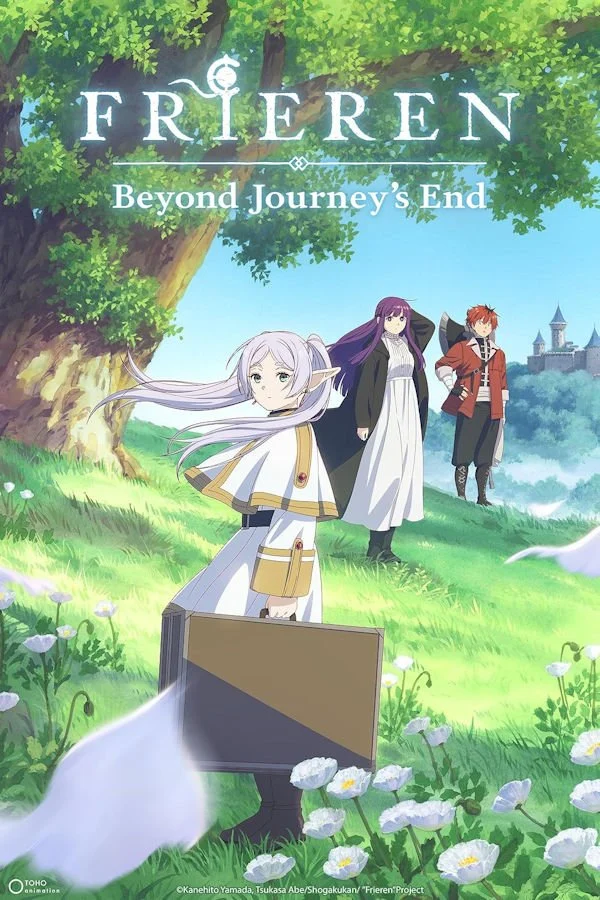
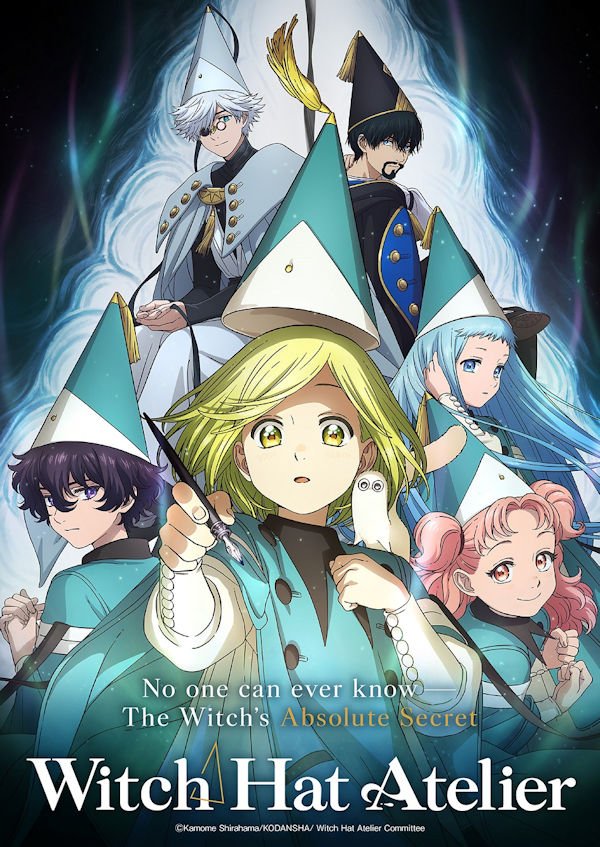
At the center of this movement is Witch Hat Atelier, a series that defies easy classification. Though serialized in a seinen magazine—traditionally targeted toward adult men—its narrative centers on the whimsy and struggle of young witches-in-training. By blending the aesthetic charm of traditional shojo with the complex, often dark, world-building of seinen, Witch Hat Atelier has cemented itself as the third pillar in a new "Fantasy Big Three," joining the ranks of Frieren: Beyond Journey’s End and Delicious in Dungeon.
The Genesis of a Masterpiece: The Story of Coco
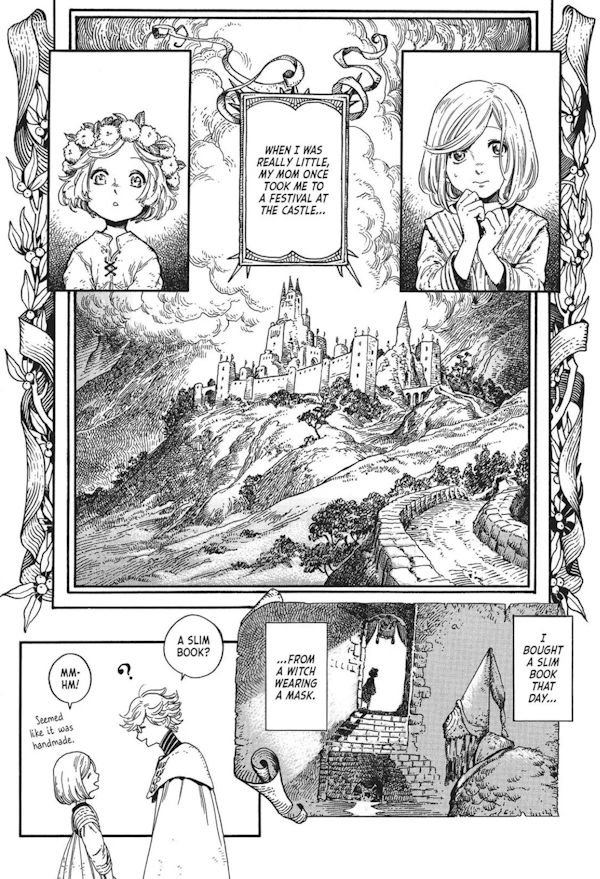
The premise of Witch Hat Atelier is deceptive in its simplicity. We follow Coco, a young girl living a quiet, pastoral life as an apprentice dressmaker. Her world is defined by a singular, childhood memory: an encounter with a masked witch and the acquisition of a mysterious book of symbols.
When a traveling mage named Qifrey visits her village, a series of accidents leads Coco to discover the truth behind magic—it is not an innate gift, but an art form defined by precise, intricate illustration. In her attempt to replicate the magic she witnessed, Coco inadvertently triggers a forbidden spell, encasing her mother in a magical crystal. This tragedy serves as the catalyst for her journey. She is taken in by Qifrey, who begins to train her at his atelier alongside a trio of disparate personalities: the vivacious Tetia, the reserved Richeh, and the fiercely antagonistic Agott.
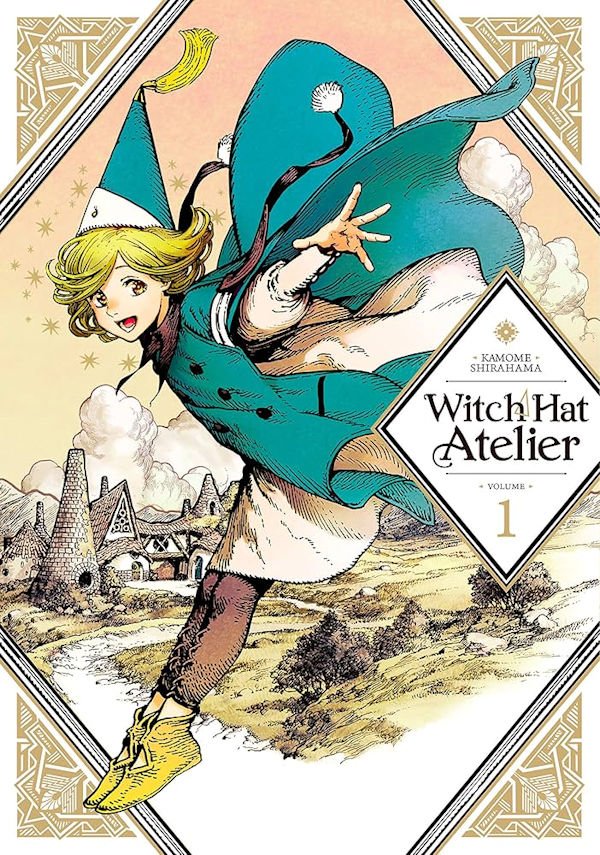
Unlike traditional fantasy protagonists who discover they are "the chosen one," Coco’s power is earned through painstaking practice, failure, and the intellectual labor of learning a complex magical language.
Chronology of a Genre Shift
To understand why Witch Hat Atelier resonates so deeply today, one must look at the trajectory of the fantasy genre over the last decade.
- 2010s: The Age of Deconstruction: The global dominance of Game of Thrones solidified a trend toward "grimdark" fantasy. Television and literature leaned heavily into moral ambiguity, betrayal, and relentless nihilism.
- 2020–2022: The "Cozy" Pivot: As global fatigue set in, audiences began searching for escapism that prioritized comfort and emotional restoration. Works like T.J. Klune’s The House in the Cerulean Sea and Travis Baldree’s Legends & Lattes proved there was a massive, untapped market for "cozy fantasy."
- 2023–Present: The Anime Integration: The success of Frieren: Beyond Journey’s End (2023) signaled that this appetite for soft, introspective fantasy had reached the mainstream anime market. Delicious in Dungeon (2024) followed, proving that high-stakes adventure could coexist with low-stakes culinary exploration. Witch Hat Atelier represents the maturation of this trend, proving that even in a world of forbidden spells and secret organizations, wonder can remain the primary driver of the plot.
Supporting Data: The "Big Three" Phenomenon
The designation of a "Big Three" is a storied tradition in anime, famously coined during the 2000s to describe the dominance of Naruto, Bleach, and One Piece. While those titles were defined by high-octane action and long-form shonen battles, the new Fantasy Big Three reflects a change in consumer values.
| Title | Primary Focus | Thematic Core |
|---|---|---|
| Frieren | The passage of time | Memory and legacy |
| Delicious in Dungeon | Survival and ecology | The intersection of life and consumption |
| Witch Hat Atelier | Craft and education | The ethics of creation |
Market analysis from streaming platforms indicates that these series boast higher-than-average retention rates. Unlike action-heavy shows that rely on cliffhangers, these three series rely on "slow-burn" engagement. Readers and viewers are not watching to see who wins a fight; they are watching to see how the world functions and how the characters grow within it.
The Creator’s Vision: Kamome Shirahama
Kamome Shirahama, the mind behind Witch Hat Atelier, has crafted a world that feels distinctly Ghibli-esque in its attention to detail. In official interviews, Shirahama has expressed a desire to move away from the "chosen one" trope. For her, the magic system serves as a metaphor for the artistic process.
The "Brimmed Caps"—the story’s shadowy antagonists—represent the darker side of this philosophy: the idea that magic should be accessible to all, even if it causes chaos. Qifrey, the mentor figure, serves as the perfect foil, balancing his genuine care for his students with a dark, obsessive hunt for the Brimmed Caps. This friction prevents the story from becoming overly saccharine. The danger is real, the consequences are permanent, and the ethical dilemmas are nuanced.
Implications for the Future of Fantasy
The rise of Witch Hat Atelier and its peers carries significant implications for both the publishing and animation industries:
1. The Death of Demographic Silos
The fact that Witch Hat Atelier is serialized in a seinen magazine but appeals to a demographic typically associated with shojo proves that the traditional age-and-gender demographic barriers are becoming obsolete. Publishers are beginning to realize that "mature" themes do not require grit; they require complexity.
2. The Rise of "Educational" Fantasy
Unlike many fantasy systems that operate on "mana points" or vague power levels, the magic in Witch Hat Atelier is architectural. It requires geometry, history, and physical skill. This focus on the "how" of magic satisfies an audience that craves world-building that feels grounded, even when it is impossible.
3. A Shift in Audience Psychology
The post-Game of Thrones audience is demonstrating a clear preference for stories that "lift them up." This is not to say that modern audiences are allergic to conflict; rather, they are allergic to cynicism. They want to see characters who, like Coco, face systemic oppression or personal tragedy with an upbeat, resilient attitude.
Conclusion: Why You Should Start Now
If you have found yourself drifting away from fantasy, feeling that the genre has become a repetitive cycle of dark lords and grim battles, Witch Hat Atelier is the antidote. It is a series that reminds us why we fell in love with magic in the first place: not for the power it provides, but for the beauty of the symbols we draw.
Whether you are a seasoned anime veteran or someone who has never touched a manga volume, the journey into the atelier is worth taking. It is a story of craft, a story of secrets, and most importantly, a story of how a young girl’s love for magic can change the world. In the hands of Kamome Shirahama, the pen is truly mightier than the sword—or at the very least, much more magical.