Layla Zulfa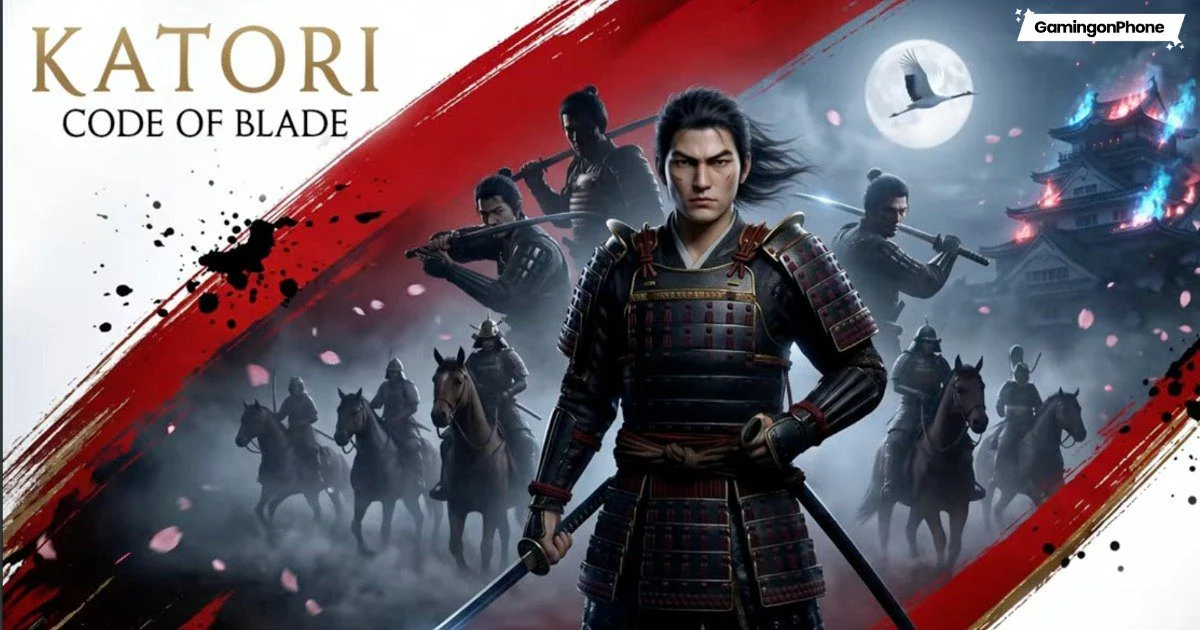
The mobile gaming landscape has just become significantly more competitive with the arrival of Katori: Code of Blade. Developed by the team at PlayStormRed, this highly anticipated PvP action title has officially launched on the Google Play Store, inviting players to test their reflexes, strategy, and resolve in the high-stakes world of medieval Japanese swordplay. While Android users can currently jump into the fray, the developer has yet to provide a concrete roadmap for a potential iOS release, leaving Apple users waiting in the wings.
As the mobile market continues to demand high-fidelity, skill-based experiences, Katori: Code of Blade positions itself as a potential successor to the high-intensity dueling games that have captivated PC and console audiences for years.
Main Facts: A New Standard for Mobile Duels
Katori: Code of Blade is not merely another mobile brawler; it is a dedicated PvP (Player versus Player) action game that emphasizes the "art" of the duel. The core gameplay loop revolves around real-time, one-on-one combat where victory is rarely decided by button-mashing, but rather by deliberate timing, precise parries, and tactical decision-making.
The premise places the player in the role of a young Ronin—a masterless samurai—navigating the treacherous, war-torn landscapes of feudal Japan. Driven by a narrative of loss and vengeance, the player must rise through the ranks of the underworld to confront those who destroyed their master.
Key features include:
- Real-Time PvP Combat: High-stakes, synchronous battles against players from around the globe.
- Deep Customization: A robust system allowing players to modify their katana, armor, gear, and combat stances.
- Strategic Progression: A system that rewards skill, requiring players to climb the global leaderboards to earn the title of "Ultimate Champion."
- Immersive Atmosphere: A visual style that draws heavy inspiration from classic samurai cinema and modern action epics.
The Chronology of a Samurai Saga
The development of Katori: Code of Blade has been marked by a focus on "intentional" gameplay. PlayStormRed began development with the goal of translating the tension of legendary titles like Ghost of Tsushima and Sekiro: Shadows Die Twice into a mobile-friendly format.
Following a period of soft-launch testing and technical refinement, the developers successfully optimized the game for a wide range of Android devices. The official launch marks the culmination of months of community feedback and mechanical fine-tuning. While the game is currently live, the timeline for future updates remains fluid. PlayStormRed has indicated that they are monitoring server stability and player balance closely, suggesting that the first post-launch patch will likely focus on community-reported meta-tweaks rather than new content.
Regarding the absence of an iOS version, industry analysts suggest that the development team is likely prioritizing the optimization of the game’s demanding physics-based combat for Apple’s diverse hardware ecosystem. Historically, titles of this technical caliber often undergo a secondary testing phase before moving to the App Store.
Supporting Data: Why Precision Matters
In the world of Katori, every strike is a potential finisher. Unlike traditional arcade fighters where health bars act as a buffer, Katori utilizes a system where mistakes are severely punished.
Data from early access testing indicates that the "Stance" system is the most critical element of player success. Players can toggle between different combat stances, each offering unique strengths and weaknesses against specific enemy weapons.
- High Stance: Increases damage output but consumes stamina rapidly.
- Low Stance: Increases defensive agility and parry windows.
- Medium Stance: Offers a balanced approach, ideal for adapting to an opponent’s evolving strategy.
The inclusion of global leaderboards provides a concrete metric for the player base. Currently, the top-tier players have shown an average win rate of 72%, suggesting that the skill ceiling is significantly higher than most casual mobile fighting games. This level of difficulty is intended to foster a competitive community that treats each duel as a learning experience rather than a repetitive grind.

Official Responses and Developer Philosophy
In a statement accompanying the launch, the team at PlayStormRed emphasized their commitment to a "fair play" environment. "We wanted to create a space where the better sword-fighter always wins," a spokesperson noted. "In Katori, we have minimized ‘pay-to-win’ elements. While you can customize your look and optimize your gear, your success in the arena is entirely dependent on your ability to read your opponent’s intent and respond with perfect timing."
The developers have also been vocal about their engagement with the community. By utilizing Discord and Telegram, the team is actively soliciting feedback on balance changes. They have explicitly stated that they are keeping a close watch on "stunlock" mechanics and parry frame-data to ensure that no single playstyle becomes an insurmountable "meta" that ruins the fun for the broader player base.
Implications: The Evolution of Mobile Action
The arrival of Katori: Code of Blade signals a shift in mobile gaming expectations. For years, mobile action titles were relegated to casual, low-effort experiences. However, with the rising power of smartphone processors and the success of cross-platform titles, players are now demanding console-quality depth in their pockets.
The Competitive Landscape
The game enters a market populated by established fighting games and RPGs. However, Katori differentiates itself through its focus on dueling. While other games focus on mobs or massive battlefields, Katori strips the experience down to the raw essence of one-on-one combat. This provides a more intimate, high-tension experience that resonates well with players looking for shorter, high-intensity play sessions.
Technical Hurdles and Optimization
The main challenge for PlayStormRed will be maintaining the fluid animation quality across lower-end devices. Since the game relies on frame-perfect inputs for parrying and dodging, any lag or input latency could be catastrophic to the player experience. If the developers can successfully mitigate these issues through continued optimization, Katori is poised to become a staple in the competitive mobile scene.
A New Standard for Mobile Samurai Games
If Katori finds its footing, we may see a resurgence of historical-themed competitive titles. The combination of deep, customizable gear systems and a high-skill-floor combat loop provides a blueprint for future developers to follow. It proves that there is a hungry audience for games that challenge players rather than merely entertaining them.
Conclusion: Entering the Arena
Katori: Code of Blade represents a bold step forward for PlayStormRed. By successfully capturing the weight and brutality of samurai combat, they have provided Android users with a game that feels both classic in its aesthetic and modern in its execution.
For those looking to download the game, it is currently available on the Google Play Store. As you step into the shoes of the Ronin, remember that the blade is only as sharp as the hand that wields it. Whether you are a fan of historical fiction, a veteran of fighting games, or simply someone looking for a new, rewarding challenge, Katori offers a compelling, albeit punishing, path to glory.
As we look toward the future, the community eagerly awaits news on the iOS release. Until then, the battlefields of the digital feudal era remain open, and the global leaderboards are waiting for a new champion to claim the title. Keep your sword sharp, watch your stance, and prepare for the duel of a lifetime.
For more mobile gaming news, analysis, and deep dives into the latest releases, follow our coverage on our dedicated WhatsApp Channel, Telegram Group, or Discord server. Stay connected for future updates on Katori: Code of Blade, including developer patch notes and potential expansion announcements.


 Basiran
 Muslim