

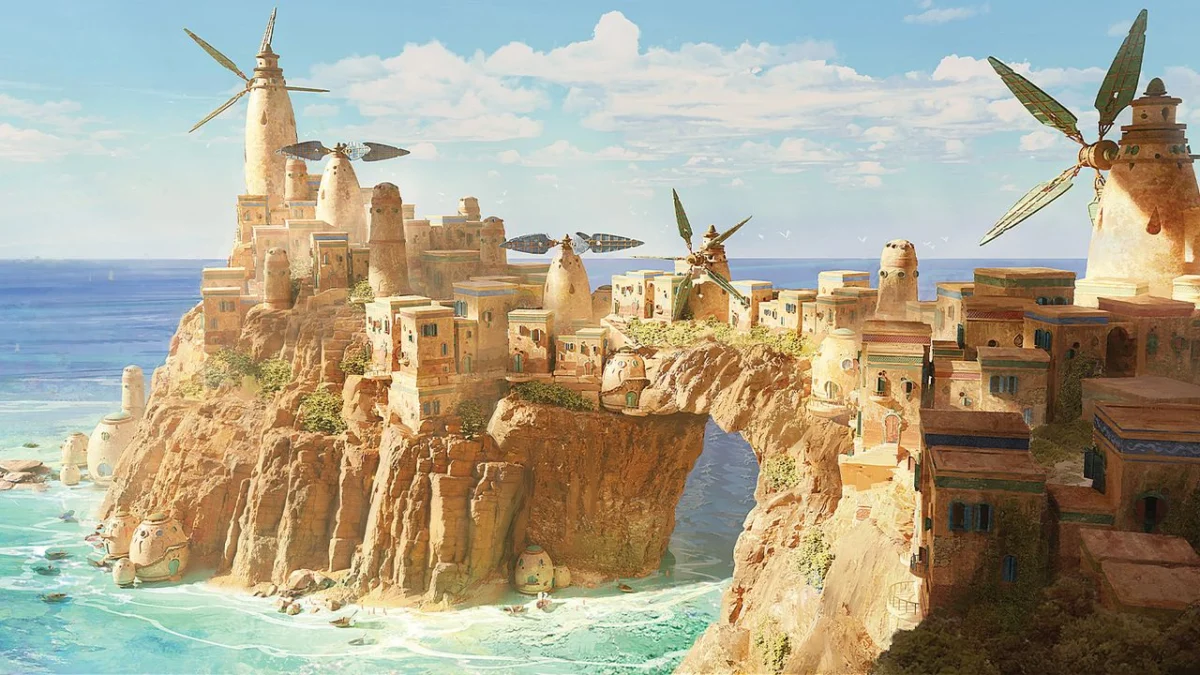
In the fast-paced world of digital entertainment, where trends cycle as quickly as software updates, Ali Eser stands as a deliberate, thoughtful practitioner of his craft. A largely self-taught freelance concept artist, Eser has carved a unique niche for himself by blending the technical precision of 3D modeling with the ethereal, evocative quality of traditional fine art. From his contributions to the Oscar-nominated animated film Flow to his immersive work in independent game development, Eser’s portfolio is defined by a singular, consistent thread: the creation of worlds that feel not engineered, but remembered.
The Foundations of a Creative Journey
Eser’s ascent in the creative industry is a testament to the power of persistence and self-directed learning. Like many contemporary artists, his path was not linear. Rather than relying on traditional academic pipelines, Eser navigated his development through a rigorous process of trial and error, augmented by a tireless search for the industry’s most effective technical workflows.
His early life was defined by a deep-seated interest in illustration, a passion that eventually coalesced into a professional career in digital concept art. This transition required mastery over complex 3D toolsets, most notably Blender. Today, Eser leans heavily on Blender to translate his abstract visions into tangible assets. His technical prowess has proven invaluable across a variety of high-profile projects, including We Kill Monsters, Yami, and Gecko Gods.
His recent pivot toward Unreal Engine 5—specifically for his ongoing passion project, Rytma—highlights his adaptability. As the industry moves toward real-time rendering and more sophisticated lighting models, Eser’s ability to leverage these tools while maintaining a distinctly "human" aesthetic has made him a sought-after collaborator in both film and interactive media.
Chronology of Craft: From Tintin to Unreal Engine
To understand Eser’s aesthetic, one must look at his formative influences. His artistic vocabulary was built upon a bedrock of European comics—a medium that prioritizes visual storytelling and world-building.
"I remember my father bringing home a collection of Tintin books, which mesmerized me endlessly," Eser recalls. This initial spark grew into a lifelong fascination with masters such as Moebius, Manara, and Schuiten. The heavy, atmospheric quality of Heavy Metal further cemented his taste for the surreal and the sprawling.
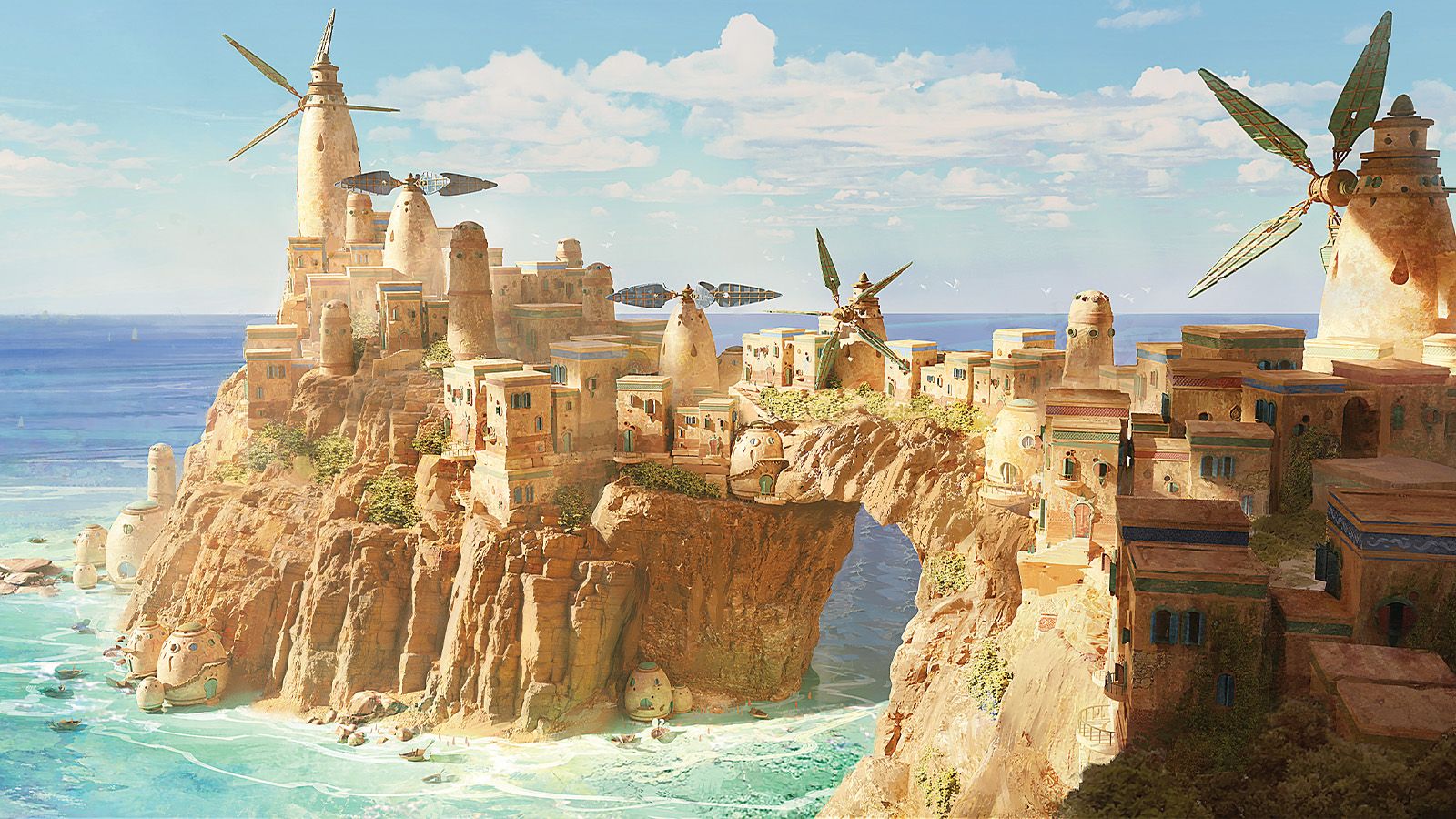
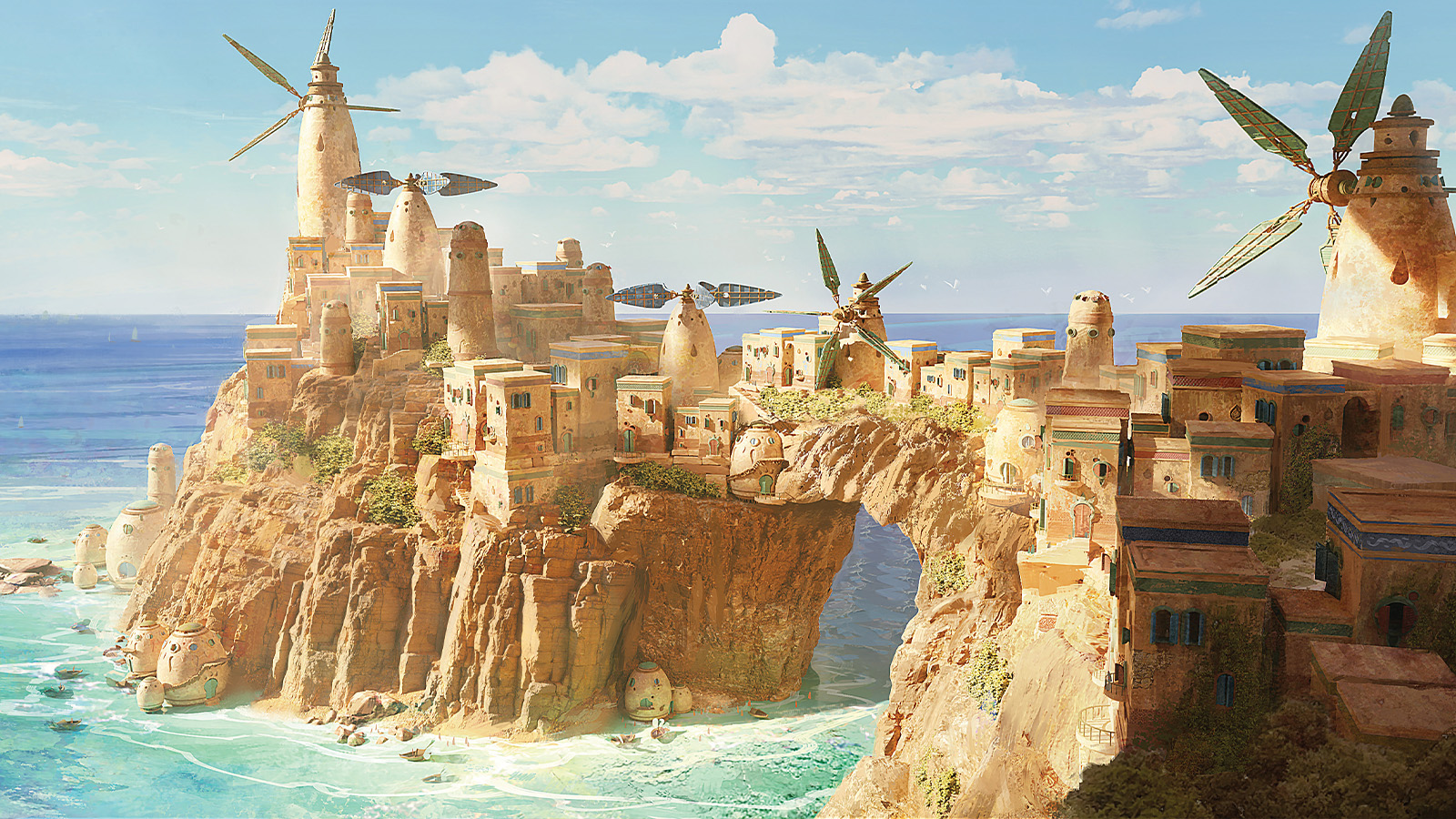
However, Eser’s vision is not strictly modern. He frequently cites classical painters—Sorolla, Sargent, and Mucha—as essential influences who "polished" his aesthetic sensibilities. This synthesis of classical painting techniques and modern 3D workflows creates the "half-remembered" quality that permeates his work. By combining the lighting and color theory of the impressionists with the structural possibilities of modern 3D software, he creates environments that feel grounded in history yet untethered from reality.
Supporting Data: The Technical Reality of Modern Artistry
The life of a professional concept artist involves more than just creative output; it requires a meticulous management of technical infrastructure. Eser’s workflow is a case study in efficiency. When tasked with cognitively demanding design work or solving complex visual problems, he prefers a quiet, contemplative environment. He often pairs this focus with ambient music—citing Brian Eno and Aphex Twin—to maintain a state of "flow."
Conversely, when the work shifts to repetitive, habit-based tasks, he engages with audiobooks covering history, philosophy, and politics. This bifurcation of his work environment allows him to balance the deep, analytical side of his brain with the muscle memory required for technical modeling.
Hardware also plays a critical role. Eser is part of the growing demographic of professional artists who must constantly evaluate the best laptops and workstations for 3D modeling. Because his work often involves large-scale, high-fidelity environments in Unreal Engine 5, his choice of equipment is not merely a preference but a necessity for performance. His ability to maintain a high-functioning, portable studio setup has been a key factor in his successful transition from in-house work to the autonomy of freelancing.
Professional Reflections: Navigating the Industry
When asked about his experience as a full-time artist, Eser expresses a profound sense of gratitude. Having moved into freelance work after four years in a traditional studio setting, he values the autonomy that his career now affords him.
"Honestly, it turned out better than I thought it would be," he says. "I’ve been fortunate to work on some great projects with great people. Switching to freelance has been such a joy, having the freedom and choice of managing my time the way I want to."
However, he is quick to temper this optimism with the reality of the industry’s challenges. For those starting out, Eser’s advice is rooted in patience and long-term perspective. He views the creative career not as a sprint toward immediate fame or technical mastery, but as a marathon of endurance. The true challenge, he argues, is not learning a new piece of software, but maintaining a genuine, burning interest in the work over the course of decades.
Implications: The Future of Worldbuilding
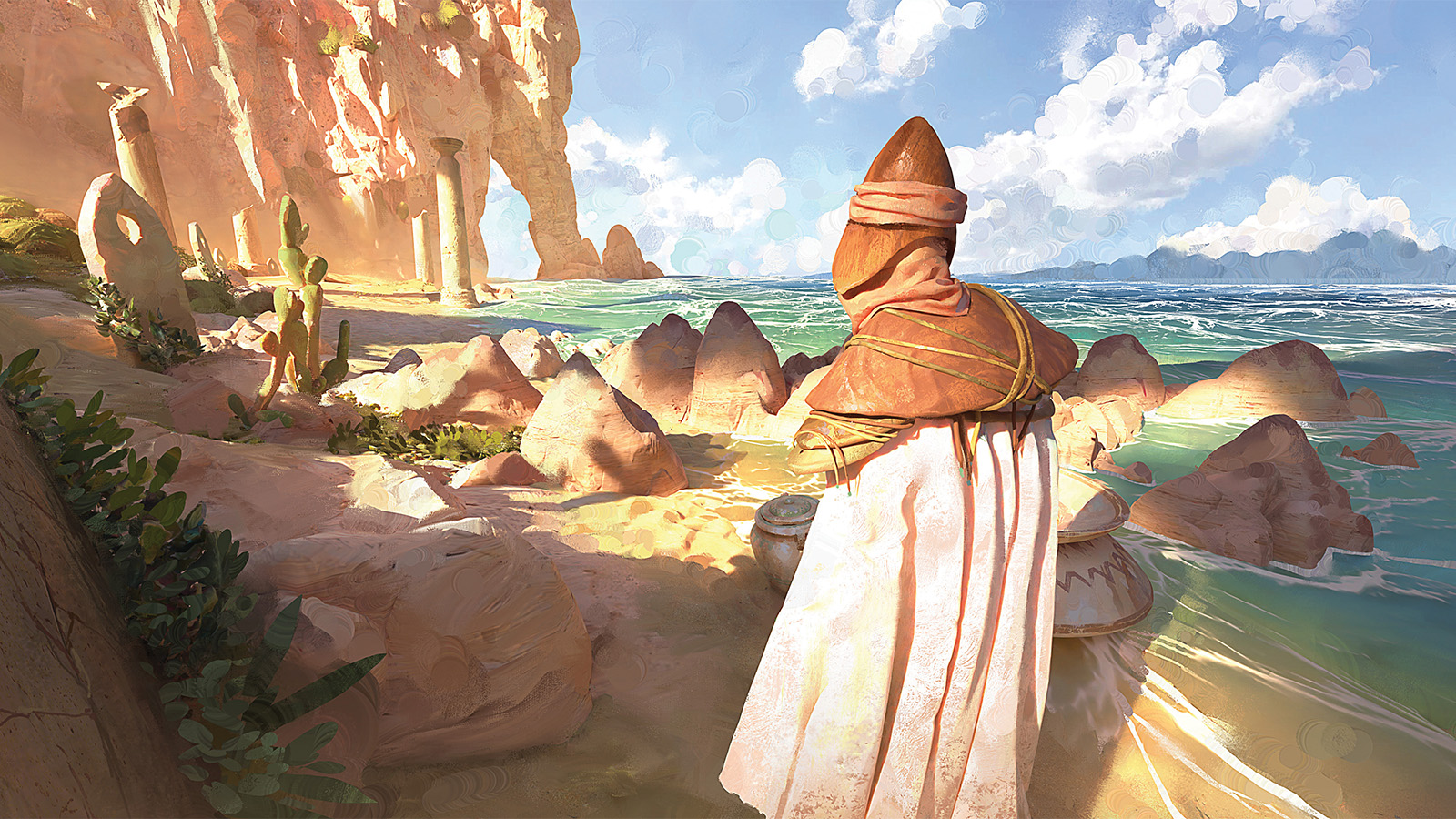
Eser’s current obsession, Rytma, serves as a synthesis of his entire career trajectory. A puzzle-based project centered on music, truth, and beauty, it draws heavily from Anatolian mysticism and impressionist art. It is a project that he has been developing for years, serving as a repository for his most ambitious ideas and technical experiments.
His work on Rytma and his contributions to the film Flow suggest a shift in the concept art landscape. We are moving away from the era of "generic" high-fidelity assets and into an era of "authored" worlds. Artists like Eser, who bring a deep, personal connection to their cultural heritage and their artistic influences, are becoming essential to the narrative integrity of modern games and films.
Key Takeaways for Aspiring Artists
For those looking to follow in Eser’s footsteps, his journey offers several critical insights:
- The Value of Autodidacticism: Formal education is only one path. The most successful modern artists are those who possess the discipline to teach themselves complex software through iterative practice.
- Breadth of Influence: Look beyond the medium you work in. By pulling inspiration from classical painting, literature, and history, you can add a layer of depth to your work that peers who only study modern digital trends will lack.
- The Importance of "Distance": Eser notes that sometimes the best way to understand your love for a subject is to step away from it. Periodic breaks allow for a fresh perspective, which is often when the most significant creative breakthroughs occur.
- Managing Cognition: Understand your own workflow. Recognize when you need silence to solve complex problems and when you can utilize external stimuli to fuel your more repetitive tasks.
Conclusion
Ali Eser’s career is a reminder that in an industry obsessed with the "new," the most enduring work is that which connects deeply with the "old"—the memories, the landscapes of our youth, and the history that shapes our subconscious. As he continues to develop Rytma and consult on major creative projects, his work remains a bridge between the technical rigors of Unreal Engine and the timeless beauty of the impressionist tradition.
For the artist, the journey is not about reaching a final destination, but about the patience required to remain curious. As Eser continues to navigate the intersections of film, gaming, and personal passion, he remains a vital example of how to build a career that is as sustainable as it is inspired.










No comments yet. Be the first to join the conversation!