

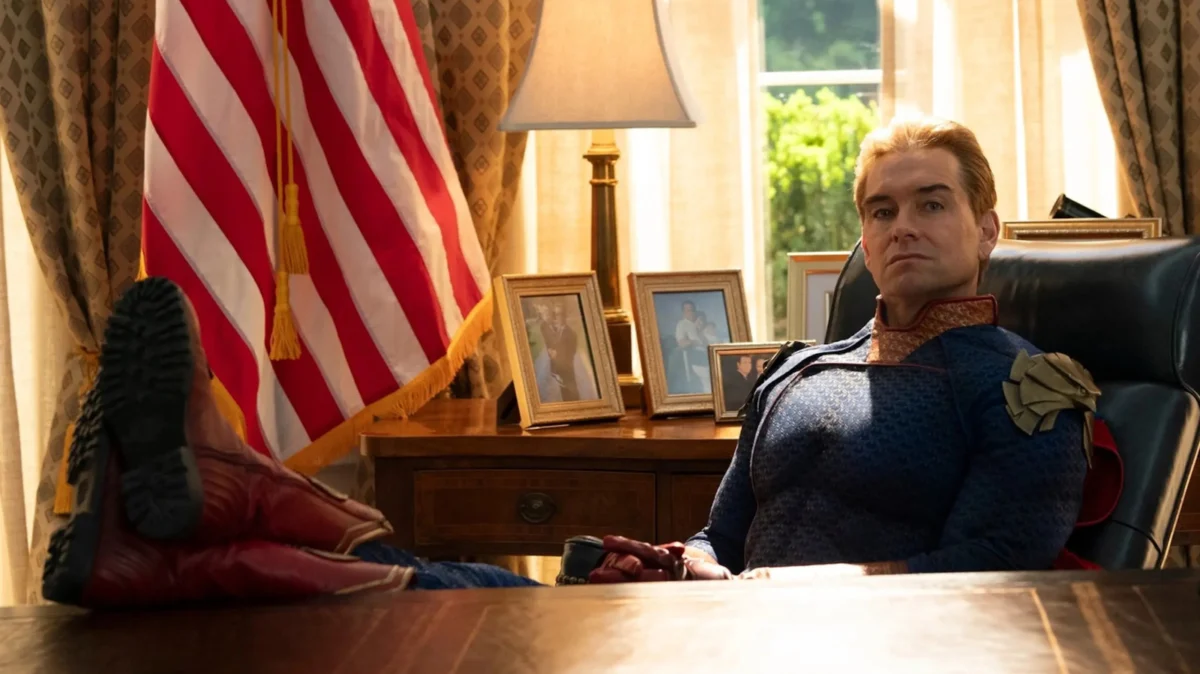
For five seasons, Prime Video’s The Boys stood as a titan of subversive superhero satire. It challenged the sanctity of the genre, offering a grim, blood-soaked mirror to our own political and corporate landscape. However, as the curtain closed on its fifth and final season, the reaction from the global fanbase was decidedly polarized. While the series succeeded in providing a definitive end to the saga of Billy Butcher and Homelander, the path taken to reach that conclusion was marred by pacing issues, narrative inconsistencies, and creative choices that left many viewers feeling underwhelmed.
Maintaining high-caliber storytelling over a multi-year run is a Herculean feat. While The Boys largely went out on its own terms, a critical retrospective reveals that several key decisions in Season 5 undermined the show’s legacy, resulting in an uneven finale to an otherwise landmark series.
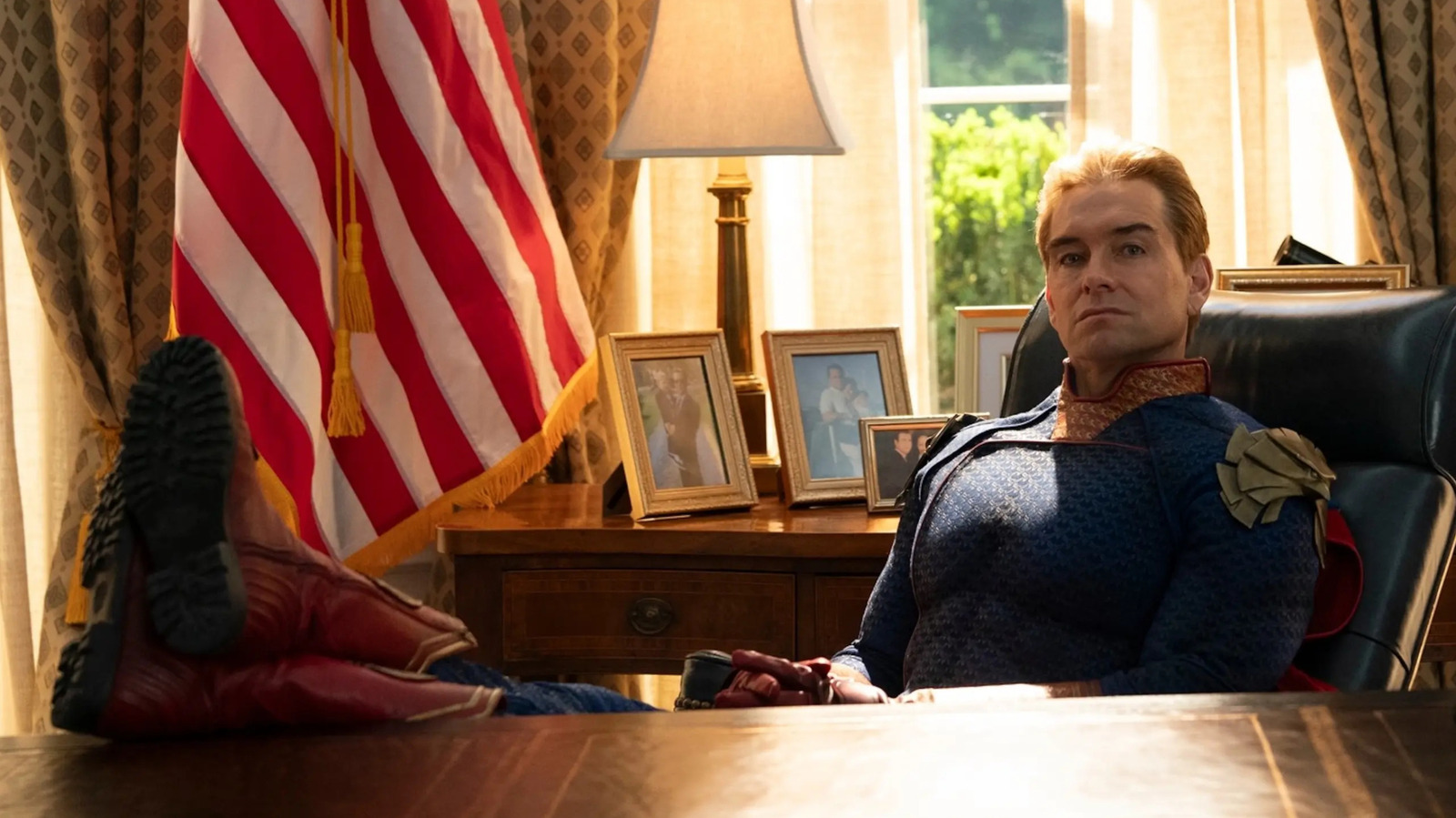
The Chronology of Decline: A Season of Missteps
The narrative arc of the final season was tasked with the immense pressure of wrapping up decades of conflict while managing an expanded universe of characters. Unfortunately, the season’s structure suffered from trying to do too much at once.
The Anti-Climax of Flight 37
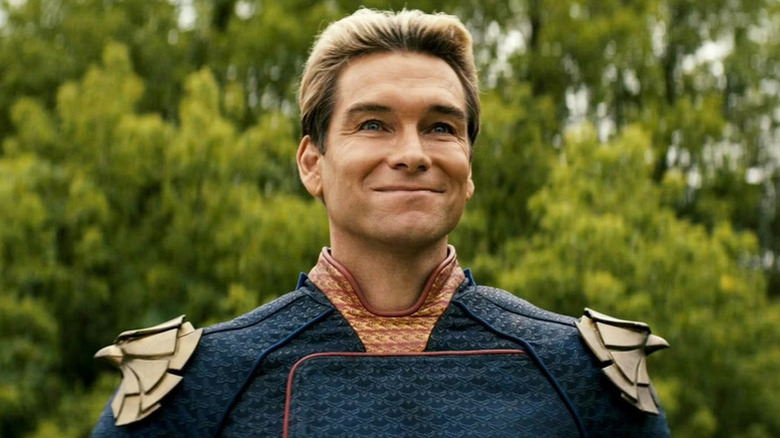
Since the series premiere, the footage of Homelander (Antony Starr) abandoning the passengers of Flight 37 served as the show’s "original sin." It was the ultimate leverage point—the secret that, if leaked, would supposedly shatter the Vought empire. When Annie January (Erin Moriarty) finally leaked the footage during a high-stakes shareholder meeting, audiences expected a seismic shift in the status quo. Instead, the revelation felt toothless. Vought’s PR machine, hardened by years of scandal, effectively neutralized the threat, rendering the series’ most long-standing plot device anticlimactic.
The Shift to Divine Delusion
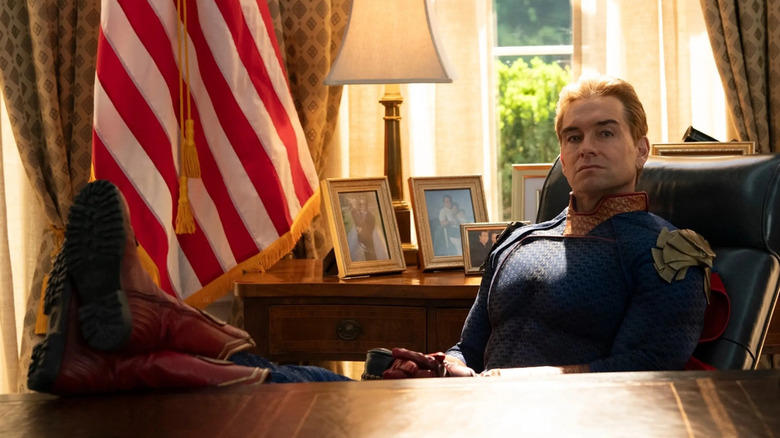
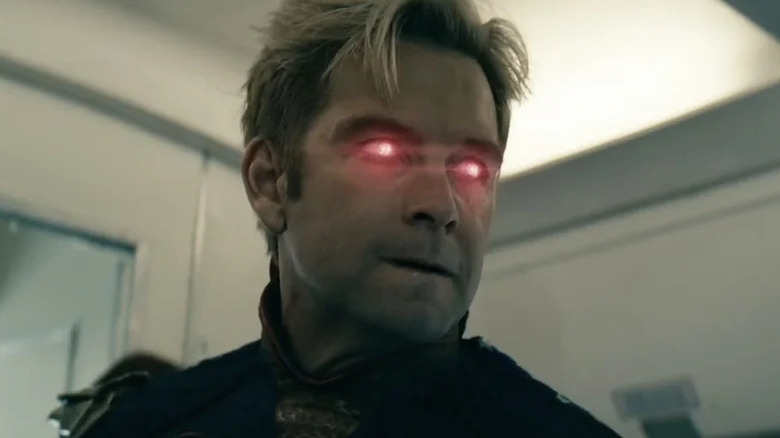
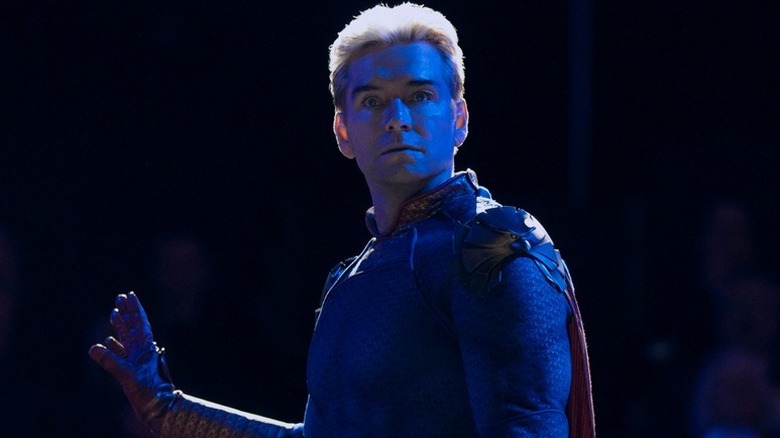
Homelander’s evolution from a cold, calculating sociopath to a megalomaniacal "god" figure was another pivot that strained suspension of disbelief. Influenced by hallucinations of Madelyn Stillwell, Homelander’s transition into a religious zealot felt like a departure from his established character logic. While character growth is essential, this move pushed him toward the realm of the cartoonish, stripping away the calculated, human-like manipulation that made him a truly terrifying antagonist in earlier seasons.
Supporting Data: Narrative and Pacing Issues
The flaws of Season 5 were not merely subjective; they were tied to specific, measurable failures in narrative efficiency and character utilization.
The Stagnation of Supporting Roles
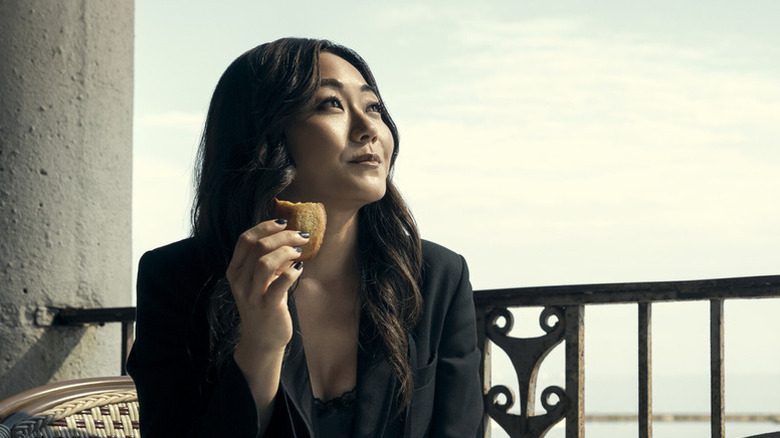
A major point of contention was the handling of Kimiko Miyashiro (Karen Fukuhara). After years of silence, the decision to give her a voice was intended as a breakthrough. However, the execution lacked nuance. The character became jarringly upbeat and talkative, which, while meant to reflect her emotional growth and relationship with Frenchie (Tomer Capone), felt disconnected from the Kimiko fans had spent four seasons understanding.
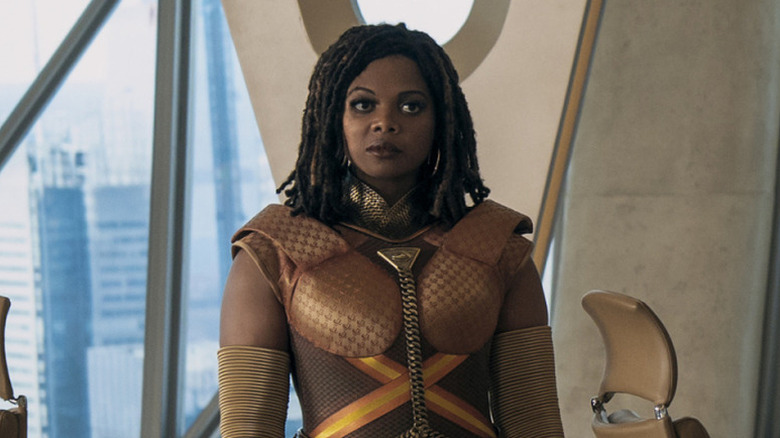
Furthermore, the introduction of Sister Sage (Susan Heyward) promised a level of intellectual conflict that the show ultimately failed to deliver. As the "smartest person in the world," her minimal impact on the season’s outcome made her presence feel like an unnecessary narrative layer. Her goal—a dispassionate desire for humanity to destroy itself—was never fully integrated into the stakes of the final act, leaving her character arc feeling largely superfluous.
The MacGuffin Trap: V1 and the Virus
The introduction of "V1," the original serum that granted powers to the first generation of Supes, served as the primary driver of the season’s plot. It functioned as a classic MacGuffin, forcing characters into a constant, repetitive chase. However, the payoff was hollow. When it was revealed that the Boys could have simply utilized Kimiko’s ability to nullify powers all along, the entire season-long hunt for V1 felt like a strategic oversight that cheapened the urgency of the plot.
Implications of a Fragmented Universe
The final season was heavily burdened by its obligation to serve as a bridge to other projects, particularly the upcoming prequel, Vought Rising.

Spin-off Fatigue
The inclusion of Gen V characters Marie Moreau and Jordan Li felt less like a meaningful crossover and more like a mandatory inclusion to satisfy corporate synergy. Their role in the finale—escorting refugees to Canada—was a brief, fleeting moment that provided no real payoff for the character arcs developed in their own series. This "glorified cameo" approach left the Gen V fan base frustrated, as it failed to resolve the cliffhangers left by their respective season finale.
Similarly, the heavy emphasis on Vought Rising setup in the fourth and sixth episodes disrupted the pacing of the main story. By dedicating significant screen time to the backstories of Soldier Boy, Stormfront, and historical Supe figures, the show sacrificed the breathing room needed to bring the main conflict to a truly earned conclusion.
Official Responses and Creative Justification
Showrunner Eric Kripke has addressed the "filler" complaints, maintaining that the slower pacing was a necessary component of character-driven storytelling. However, the disconnect remains. The marketing campaign for Season 5, which featured grandiose posters of an epic, city-wide assault on the White House, created a disparity between audience expectations and the final product. The actual infiltration of the White House, while visually striking, was achieved through a "secret tunnel" plot device that felt like a shortcut around the massive conflict promised in the promotional material.
The Butcher’s Heel Turn: A Final Analysis
Perhaps the most divisive decision of the final season was the handling of Billy Butcher’s descent into villainy. In the original comics, Butcher’s radicalization is a slow, grueling process that makes his final confrontation with Hughie Campbell inevitable and tragic. In the television adaptation, the writers attempted to humanize Butcher throughout the series, only to force his "heel turn" in the final moments.
Because the show did not fully commit to the dark, psychotically unhinged version of the character from the source material, his final act of attempting to release a global virus felt rushed and unearned. It lacked the necessary thematic weight to justify Hughie’s final decision to stop him. While the Oval Office showdown was arguably the high point of the season, the aftermath—Butcher’s sudden transition to genocidal antagonist—felt like a desperate attempt to mirror the comics without having done the necessary narrative labor to justify it.
Conclusion: A Legacy Defined by Ambition
The Boys remains one of the most significant achievements in modern television. It pushed boundaries, redefined the superhero subgenre, and featured legendary performances, most notably from Antony Starr and Karl Urban. Yet, Season 5 serves as a cautionary tale about the dangers of franchise expansion and the difficulty of sticking a landing.
By prioritizing spin-off setups and repetitive plot devices over the tight, character-focused tension that defined its peak, the final season left the series with a somewhat uneven legacy. While it offered moments of brilliance and visual spectacle, it ultimately struggled under the weight of its own ambition. For fans, the finale provides closure, but it also serves as a reminder that even the most subversive shows can eventually fall victim to the very tropes they once sought to destroy. The final season of The Boys was not a disaster, but it was a missed opportunity to cement the series as an undisputed masterpiece from start to finish.










