Ammar Sabilarrohman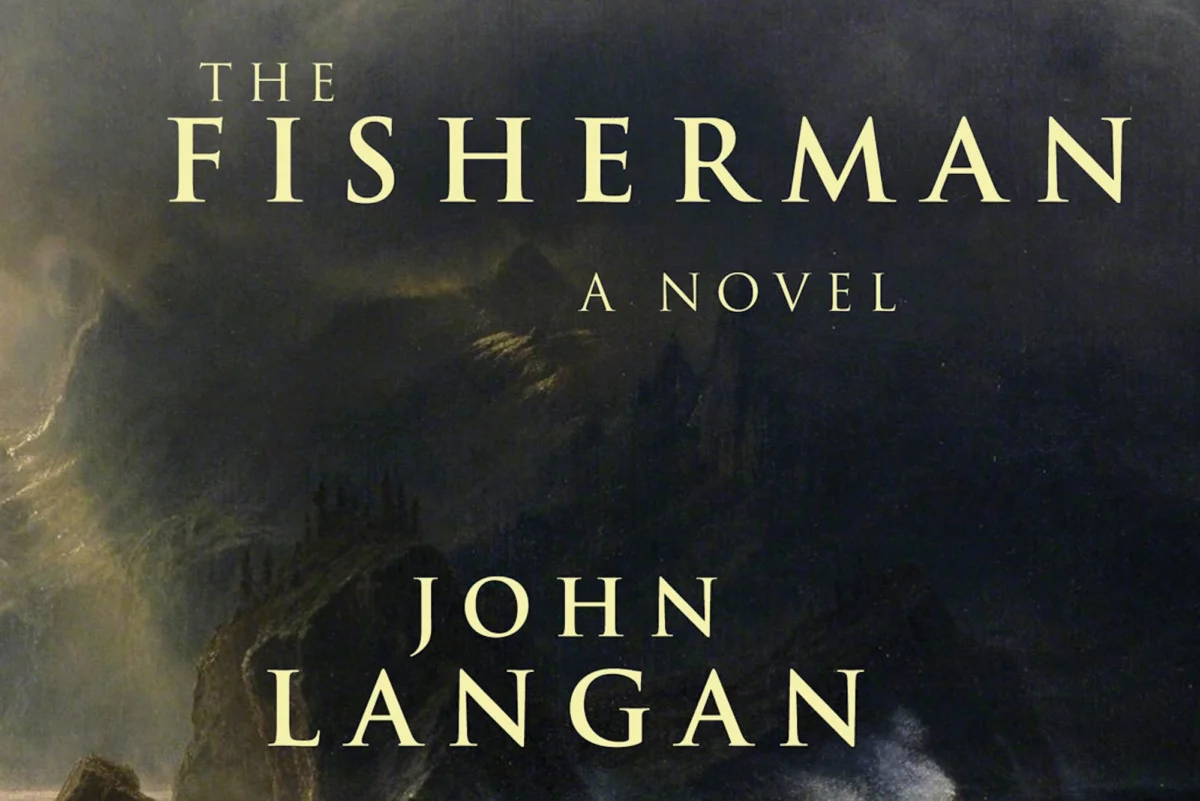
In a move that has sent ripples of excitement through the horror and literary communities, filmmaker David Lowery—the visionary behind the meditative fantasy The Green Knight and the poignant Pete’s Dragon—is set to helm the film adaptation of John Langan’s 2016 Bram Stoker Award-winning cult classic, The Fisherman. The project, which promises to translate Langan’s sprawling, cosmic, and deeply emotional narrative into a cinematic experience, marks one of the most anticipated genre adaptations in recent memory.
The Core of the Project: A Tale of Grief and Cosmic Dread
At its heart, The Fisherman is not merely a ghost story; it is a profound exploration of loss and the lengths to which human beings will go to reclaim what has been taken from them by death. The narrative is set against the backdrop of upstate New York, focusing on two widowers, Abe and Dan. Bound by their shared grief and their mutual passion for the quiet, rhythmic act of fishing, they find solace in one another’s company.
Their lives take an unsettling turn when they hear whispers of Dutchman’s Creek, a mysterious, fast-moving waterway that flows out of the Ashokan Reservoir. Rumors suggest that the creek holds the key to a "remedy" for their losses—a chance to bridge the gap between the living and the dead. Initially dismissing these claims as the tall tales of local anglers, the men eventually find themselves drawn into a narrative that stretches back generations.
The story, as described by Langan, is one of "dark pacts" and "long-buried secrets," anchored by the enigmatic and terrifying figure of "Der Fisher." As the two men delve deeper into the history of the reservoir, they are forced to confront not only the supernatural horrors lurking in the shadows of the woods but the crushing weight of their own pasts. The central question of the novel—and presumably the film—remains: what is the true price of reclaiming a lost life?
A Chronology of a Cult Classic
The journey of The Fisherman from the page to the pre-production phase has been a deliberate, steady ascent.
- 2016: John Langan publishes The Fisherman via Word Horde. The novel quickly gains critical acclaim, receiving the Bram Stoker Award for Best Novel. It earns a reputation as a modern masterwork of cosmic horror, drawing comparisons to the works of H.P. Lovecraft and Robert W. Chambers, while maintaining a uniquely grounded, human emotional core.
- 2016–2023: Throughout the following years, the book achieves "cult classic" status. Its complex narrative structure—often described as a story within a story—and its atmospheric setting turn it into a favorite among genre enthusiasts and literary horror critics alike.
- 2024: Industry reports break the news that a major production team has been assembled to bring the story to the screen. The announcement confirms that David Lowery will be directing, signaling an intent to prioritize character-driven atmosphere over standard jump-scare tactics.
- Late 2024: The project is confirmed to be in its early development stages, with the production house Platinum Dunes spearheading the effort alongside notable industry veterans.
The Creative Powerhouse: Who is Behind the Lens?
The selection of David Lowery to lead this project is a significant artistic choice. Lowery is a director known for his visual poetry and his ability to handle complex emotional themes. His filmography—which includes the haunting, Arthurian-inspired The Green Knight (2021) and the upcoming, buzz-heavy Mother Mary—demonstrates a director who is unafraid to challenge audience expectations.
Lowery will be joined by a formidable production team. According to The Hollywood Reporter, the project is being backed by the team at Platinum Dunes, including industry stalwarts Michael Bay, Brad Fuller, and Alex Ginno. The inclusion of Platinum Dunes, known for their extensive history with horror franchises, suggests that the film will likely balance high-concept artistic direction with the pacing and tension required for a wide-release horror feature.
Furthermore, the involvement of Gary Dauberman—a heavyweight in the genre who penned the scripts for the It films and the Annabelle series—adds a layer of structural expertise. Dauberman’s track record with successful supernatural adaptations suggests that the team is focused on ensuring the film is as commercially viable as it is artistically ambitious. Mia Maniscalco of Coin Operated is also attached to the project, further rounding out a production group that spans both independent prestige and blockbuster horror.
Implications for the Horror Genre
The decision to adapt The Fisherman reflects a broader industry trend: the "elevated horror" movement. As audiences continue to show a preference for films that offer both psychological depth and genuine dread—such as those produced by A24 or Neon—the adaptation of a literary work like Langan’s serves as a perfect vehicle for this trend.
1. The Challenge of Narrative Structure
One of the most significant challenges Lowery will face is the structure of the source material. The Fisherman utilizes a framing device that requires a delicate hand to adapt for the screen. If done correctly, it could mirror the success of films that successfully blend historical folklore with modern tragedy. If mishandled, the complexity could alienate general audiences. Given Lowery’s experience with non-linear storytelling in The Green Knight, he is perhaps uniquely suited to handle this specific challenge.
2. A New Standard for Cosmic Horror
Cosmic horror is famously difficult to film. The "unknowable" nature of the antagonists often renders them less frightening on screen than on the page. However, by centering the narrative on the emotional desperation of two widowers, the production team has a clear "anchor" for the audience. The horror of the film will likely stem from the men’s willingness to sacrifice their humanity to see their loved ones again, a theme that is universally resonant.
3. The Impact of the Production Team
The partnership between an arthouse director like Lowery and a powerhouse commercial studio like Platinum Dunes is a fascinating development. It suggests a collaborative process where the "prestige" elements of the story are protected by the director, while the "scare" elements are polished by producers who have spent decades perfecting the genre. This balance could set a new benchmark for how literary horror is brought to the multiplex.
What Lies Ahead: The Long Wait
As of now, the project remains in the embryonic stages of development. The lack of casting news is expected, as the script is currently being polished and the vision for the visual aesthetic of Dutchman’s Creek is being mapped out.
For fans of the novel, the news is a cause for both excitement and cautious optimism. The Fisherman is a book that occupies a specific, sacred place in many readers’ libraries; the idea of it being altered, condensed, or "Hollywood-ized" is a source of natural anxiety. However, the choice of David Lowery—a filmmaker who has consistently demonstrated a deep respect for his source materials—suggests that the adaptation is in the hands of someone who understands the weight of the story.
In the coming months, industry insiders will be watching for casting announcements, particularly for the roles of Abe and Dan. The chemistry between these two leads will be the make-or-break element of the film, as the entire narrative hangs on the believability of their grief and the depth of their friendship.
Until then, the most effective way to prepare for the film is to return to the source. Langan’s novel remains one of the most effective pieces of modern cosmic horror, and its transition to the screen will undoubtedly breathe new life into the lore of the Ashokan Reservoir. Whether the film captures the "fantastic promise" of the creek or descends into the "dark pacts" of the story, one thing is certain: the world is waiting for the return of The Fisherman.

 Sagoh
Sagoh