The cinematic horizon of 2026 is dominated by a single, monolithic shadow: the long-awaited arrival of Christopher Nolan’s adaptation of Homer’s The Odyssey. Scheduled to hit theaters on July 17, 2026, the film is poised to redefine the "blockbuster epic" while simultaneously reigniting global interest in one of Western literature’s most foundational texts. As audiences prepare for what has been dubbed the "Hot Greek Summer," the anticipation is matched only by the intensity of the debate surrounding Nolan’s creative choices.
Main Facts: A Titan Returns to the Silver Screen
Christopher Nolan, known for his penchant for grand-scale filmmaking and complex narratives, has taken on the ultimate challenge: adapting a poem that has survived for nearly 3,000 years. The Odyssey follows the grueling ten-year journey of Odysseus, King of Ithaca, as he attempts to return home following the Trojan War.
While the source material is ancient, the film is anything but a dusty academic exercise. It is a high-stakes, big-budget production that aims to strip away the marble-statue sterility often associated with Greek mythology. By leaning into the raw, visceral nature of Homer’s epic, the film presents Odysseus not as a distant hero of legend, but as a man—a flawed, desperate, and remarkably relatable "dude" caught in the gears of divine bureaucracy and physical exhaustion.
Chronology of the Odyssey: From Oral Tradition to IMAX
The journey of The Odyssey from an oral tradition in ancient Ionia to a 2026 IMAX release is a testament to the endurance of the human story.
- Circa 8th Century BCE: Homeric scholars generally date the composition of The Odyssey to this period. Originally an oral performance, the poem relied on complex mnemonic devices and rhythmic structures to allow bards to recite thousands of lines from memory.
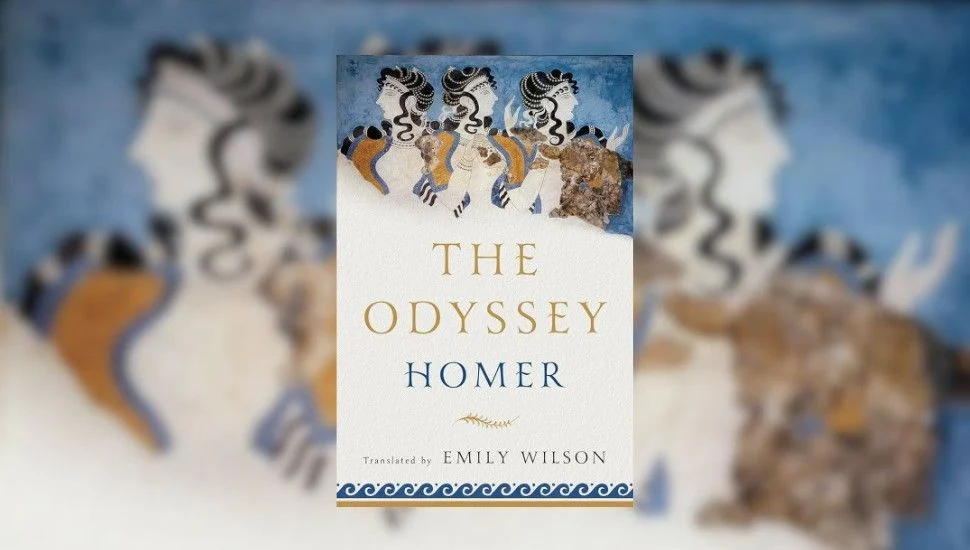
- The Translation Era: Over the centuries, the text has been rendered into countless languages, with modern translations—such as Emily Wilson’s celebrated 2018 edition—making the text more accessible than ever to contemporary readers.
- Pre-Production (2023–2024): Christopher Nolan announced the project in early 2024, sparking immediate speculation about his visual approach to the Mediterranean landscape.
- Principal Photography (2025): Filming took place across the Greek islands and state-of-the-art soundstages, emphasizing practical effects over CGI to maintain the "Nolan realism" that defined Oppenheimer and Dunkirk.
- Release Date (July 17, 2026): The global theatrical premiere marks the culmination of two years of intense speculation, marketing, and cultural discourse.
Supporting Data: Casting, Craft, and Controversy
The production has drawn as much attention for its casting choices as for its director. The ensemble is, by all accounts, "stacked," featuring some of the most prominent actors in the industry today. While the studio has kept specific character beats under wraps, the casting of Lupita Nyong’o as Helen of Troy has become a focal point of public discourse.
The Helen of Troy Discourse
Nolan’s decision to cast Nyong’o in a role traditionally associated with a specific, Eurocentric aesthetic has been met with both overwhelming support and a vocal, albeit reactionary, minority. The director’s choice reflects a commitment to a modern interpretation of the mythic past—one that recognizes the Mediterranean as a crossroads of civilizations rather than a monochromatic landscape. Critics of the casting, often dismissed as "delicate flowers" by film enthusiasts, have struggled to reconcile their internalized expectations with the reality of high-caliber, diverse casting.
The Language of the Gods: The Accent Debate
Perhaps the most peculiar stylistic choice in the film is the directive for the entire cast to speak in modern American accents. In a period piece that adheres closely to the narrative beats of the original poem, this linguistic choice serves to bridge the gap between the ancient world and the modern viewer. Proponents argue it makes the characters feel like people we know—our neighbors, our friends, or, as the Zero to Well-Read podcast hosts suggested, like people sharing stories around a campfire. Skeptics, however, worry it may pull the audience out of the immersion of a 3,000-year-old setting.
Official Responses and Cultural Resonance
The anticipation for the film has extended into the literary podcasting sphere. On the Zero to Well-Read podcast, hosts Jeff and Rebecca dissected the nature of the Odyssey as a performative medium. They explored the idea of the "one-man show"—the possibility that a single bard could hold an audience’s attention for the duration of the poem, comparing the cadence of Homeric oral tradition to the rhythmic storytelling of modern icons like The Beatles or Eminem.
The hosts’ "out of context" quotes have already begun to circulate on social media, highlighting the absurdity and the humanity found within the text. From deep-dives into the vocational hazards of being Eumaeus the Noble Swineherd to more humorous, irreverent takes on the romantic capabilities of Odysseus, the discourse surrounding the film has successfully shifted the "Odyssey" from a required school reading list item to a vibrant, living cultural object.
Implications: A New Era for Classics
The implications of Nolan’s The Odyssey are far-reaching. If successful, the film will likely usher in a new "Gold Rush" for classical adaptations. Hollywood has long flirted with Greek mythology, but rarely with the prestige and intellectual rigor that a director of Nolan’s caliber brings to the table.
1. Pedagogical Impact
Educators are already noting a surge in interest regarding the poem. The "Hot Greek Summer" trend has seen a spike in sales for various translations, proving that blockbuster cinema can act as a gateway to deep, foundational literature. When the public sees a character like Odysseus rendered with human depth, they are more likely to seek out the source material to understand the man behind the myth.
2. The Evolution of the Epic
The film forces a conversation about how we treat "classics." Should they be preserved in amber, or should they be reinterpreted to reflect the diversity and linguistic reality of the modern world? By casting a wide net and eschewing archaic stylistic tropes, Nolan is essentially arguing that the Odyssey belongs to everyone. It is a story about the desire to go home, the struggle against overwhelming odds, and the inherent messiness of being human—themes that remain constant, regardless of the accent in which they are spoken.
3. The Future of Theatricality
In an era dominated by streaming, The Odyssey stands as a bastion of the theatrical experience. Its release is a gamble on the idea that audiences still want to engage with grand, sweeping narratives on the largest possible screens. The "bad vibes" and the controversy surrounding the casting are, in many ways, part of the process of revitalizing an old story. They demonstrate that the story still has the power to provoke, to challenge, and to stir the public imagination.
Conclusion: The Journey Continues
As July 17 approaches, the excitement is palpable. Whether or not Nolan’s The Odyssey succeeds in the eyes of every classicist or film critic is almost secondary to the fact that it has forced a massive, global audience to engage with Homer in 2026.
From the "Hot Greek Trivia" circulating online to the debates about casting, the film has achieved what all great art should: it has started a conversation. As we prepare to watch Odysseus struggle through the wine-dark sea, we are reminded that, like the hero himself, we are all just "dudes" trying to make our way back home, sharing stories around the fire, and hoping that someone is listening.
So, grab your copy of the translation, settle into your seat, and prepare for a summer where the ancient world meets the modern age—and where, if we are lucky, we might just find a bit of ourselves in the wreckage.