Raul Delapena Setiawan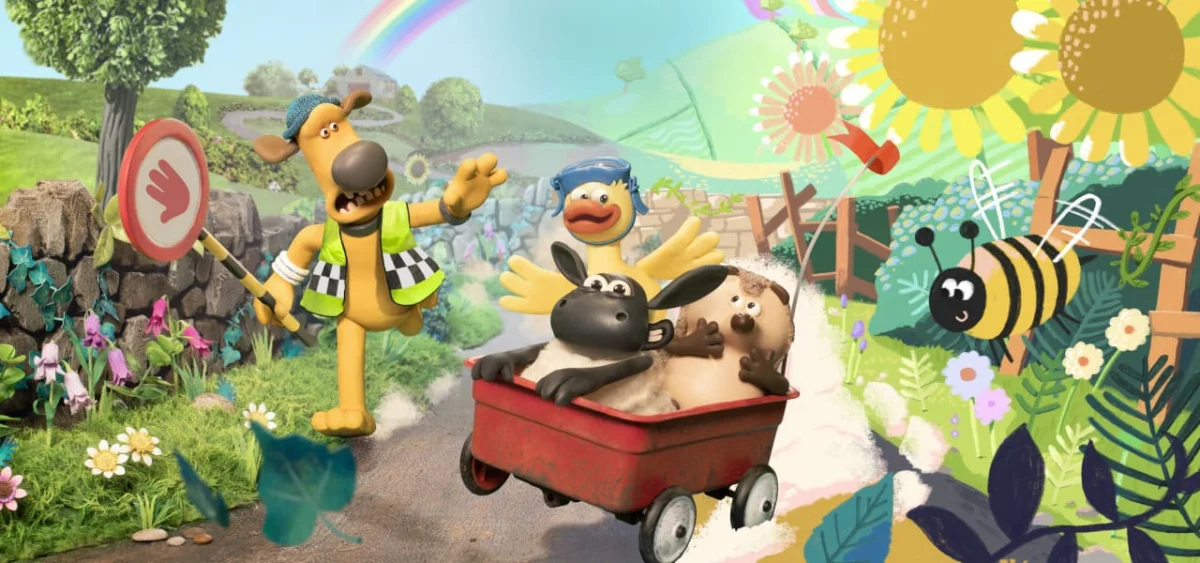
By [Your Name/Journalistic Staff]
June 21, 2026
The Annecy International Animation Film Festival, the world’s most prestigious gathering of the animation industry, serves as a barometer for the health and direction of the craft. This year, the festival’s Grande Salle became a theater of nostalgia and innovation as Aardman Animations—the crown jewel of British stop-motion—took center stage to celebrate its golden jubilee. Marking 50 years of existence, the studio presented a retrospective that served not just as a victory lap for its founders, but as a bold statement of intent for the next half-century of storytelling.
The Legacy of a Creative Titan
The event was anchored by the presence of founders Peter Lord and David Sproxton, whose journey from a small Bristol studio to international acclaim is a cornerstone of modern animation history. Fresh off their recent knighthoods and the honor of being commemorated on official British currency, the pair—alongside the legendary Nick Park—offered a reflective look at the evolution of Aardman.
For five decades, Aardman has remained synonymous with the tactile, thumb-printed warmth of plasticine, yet the tone of their presentation at Annecy 2026 was anything but static. While acknowledging their history, the studio pivoted quickly toward a future that embraces cross-media experimentation, proving that even a studio built on clay can adapt to the digital age’s shifting demands.
Chronology: A Half-Century of Innovation
To understand the significance of the announcements made at Annecy, one must first look at the studio’s trajectory. Aardman’s history is defined by its refusal to be pigeonholed.
- 1976: The studio is officially founded by Peter Lord and David Sproxton.
- 1989: Creature Comforts wins an Academy Award, cementing the studio’s reputation for blending observational humor with character-driven stop-motion.
- 1993: The Wrong Trousers introduces the world to the criminal mastermind Feathers McGraw, solidifying the Wallace & Gromit franchise as a global cultural phenomenon.
- 2000: Chicken Run shatters records to become the highest-grossing stop-motion film of all time, proving the commercial viability of high-end feature animation.
- 2007: The launch of Shaun the Sheep marks a successful pivot toward television, creating a franchise that has proven infinitely expandable.
- 2026: Aardman reaches its 50th year, unveiling a slate that includes high-concept 2D/3D hybrids, horror-comedy features, and experimental YA-skewing narratives.
Major Announcements: The Future Slate
1. Let’s Go Timmy!: Breaking the Clay Ceiling
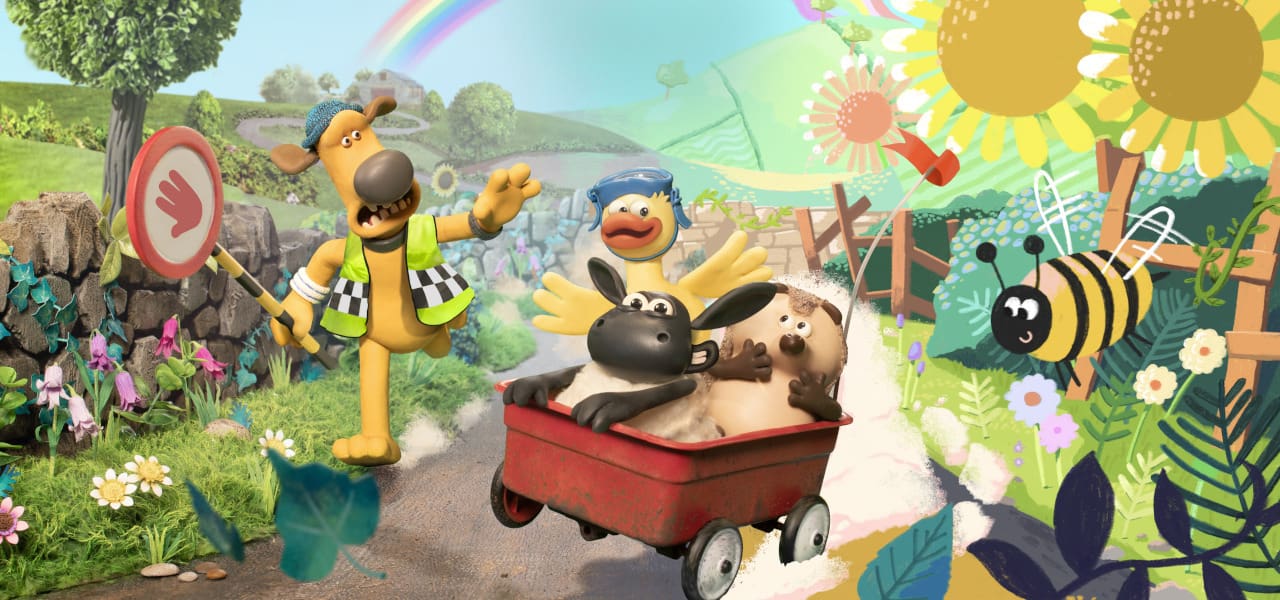
Perhaps the most surprising revelation of the panel was Let’s Go Timmy!, a spin-off of the Shaun the Sheep universe. While Aardman is known for the physical presence of their puppets, Let’s Go Timmy!—aimed at a preschool demographic and commissioned for the BBC—utilizes a radical visual shift.
The project incorporates 2D animation to represent the subjective experience of Timmy, the young lamb. By shifting away from the physical, weight-heavy aesthetic of traditional stop-motion into a "crayon-feel" 2D aesthetic, the studio is attempting to bridge the gap between their heritage and modern digital illustration. As the creative team noted, the 2D elements allow the audience to see the world through Timmy’s eyes, while his guardian, Bitzer, remains grounded in the studio’s classic stop-motion style. This juxtaposition creates a unique narrative texture, highlighting the vulnerability of the character.
2. Shaun the Sheep: The Beast of Mossy Bottom
Aardman has long held a flirtation with the macabre—most notably in the gothic, Hammer-Horror-inspired sequences of Wallace & Gromit: The Curse of the Were-Rabbit. With The Beast of Mossy Bottom, the studio is leaning fully into that aesthetic.
The film serves as a testament to the studio’s efficiency. During the panel, the production team revealed that this feature represents the "biggest shoot in the fastest time" in the studio’s history. The plot centers on a home-invasion trope twisted through the lens of Aardman’s classic British pastoral comedy. By collaborating with StudioCanal and Sky, the film is poised for a significant cinematic release this September. The footage screened at Annecy showcased a dark, atmospheric, yet hilarious take on the classic horror genre, signaling that Aardman is unafraid to challenge its younger audience’s expectations.
3. Danger Delilah: A Shift Toward YA
Perhaps the most intriguing and mysterious reveal was Danger Delilah. With art direction influenced by the evocative, hand-drawn style of Irish illustrator Oliver Jeffers, the project marks a significant departure from Aardman’s established visual language.
.png)
The story follows a girl who discovers she is not the protagonist of her own life—a meta-fictional premise that is decidedly more mature than the studio’s typical output. With Peter Lord taking a direct hand in the project, Danger Delilah feels like a "prestige" move for the studio, targeting the Young Adult demographic. By exploring the concept of a world literally disappearing around the protagonist, the film hints at a psychological depth that could redefine what an "Aardman film" can be.
Supporting Data: Why Innovation Matters
The success of Aardman in 2026 is not merely sentimental; it is rooted in data-driven diversification. The studio’s recent partnership with The Pokémon Company—resulting in Pokémon Tales: The Misadventures of Sirfetch’d and Pichu—demonstrates a calculated effort to leverage global intellectual property while maintaining the "Aardman touch."
By diversifying their portfolio, Aardman mitigates the risks associated with the high cost of stop-motion production. The combination of established, reliable IP (like Shaun the Sheep) with experimental, high-art projects (like Danger Delilah) creates a balanced slate that appeals to both long-term investors and the creative community.
Official Responses and Industry Reception
The reaction from the Annecy audience was overwhelmingly positive, punctuated by a standing ovation for Lord, Sproxton, and Park. During the Q&A session, the founders were asked about the pressure of maintaining their unique identity in an era dominated by CGI.
"We don’t compete with the machines," Peter Lord remarked. "We compete with the soul. Whether it’s a puppet made of clay or a line drawn on a digital tablet, the goal remains the same: to find the truth in the character."
Industry analysts present at the festival noted that the move toward 2D hybrids and YA storytelling is a sign of a "matured" studio. "Aardman isn’t trying to hide their age," said one industry consultant. "They are leaning into it. They are no longer just the ‘clay guys’; they are becoming a production house that curates artistic vision, regardless of the medium."
Implications: The Next 50 Years
The implications of the Annecy 2026 presentation are profound. Aardman is signaling a transition from a specialized boutique studio into a multi-platform content powerhouse.
- Visual Hybridity: By embracing 2D animation, Aardman is lowering the barriers to entry for new talent and potentially streamlining production times without sacrificing the "handmade" quality that defines their brand.
- Demographic Expansion: The pivot toward YA content with Danger Delilah suggests that Aardman is looking to retain its audience as they grow older, moving beyond the family-friendly demographic that has sustained them for decades.
- Collaborative Ecosystems: Their continued international partnerships—from StudioCanal to The Pokémon Company—show a studio that is comfortable ceding some creative control in exchange for global distribution power.
As the festival concluded, the consensus among attendees was clear: Aardman Animations has successfully navigated the most dangerous transition for any creative entity—the transition from a singular, revolutionary vision to a sustainable, evolving institution.
The clay may be the same, but the hands shaping it are moving in entirely new directions. As they look toward the next half-century, Aardman proves that they are not just a relic of the past, but an active architect of the future of animation. Whether it is through the innocence of Timmy, the thrills of Mossy Bottom, or the existential dread of Danger Delilah, Aardman remains, as ever, a studio that breathes life into the inanimate.

 Suro Senen
 Siti Muinah