Dwi Wanna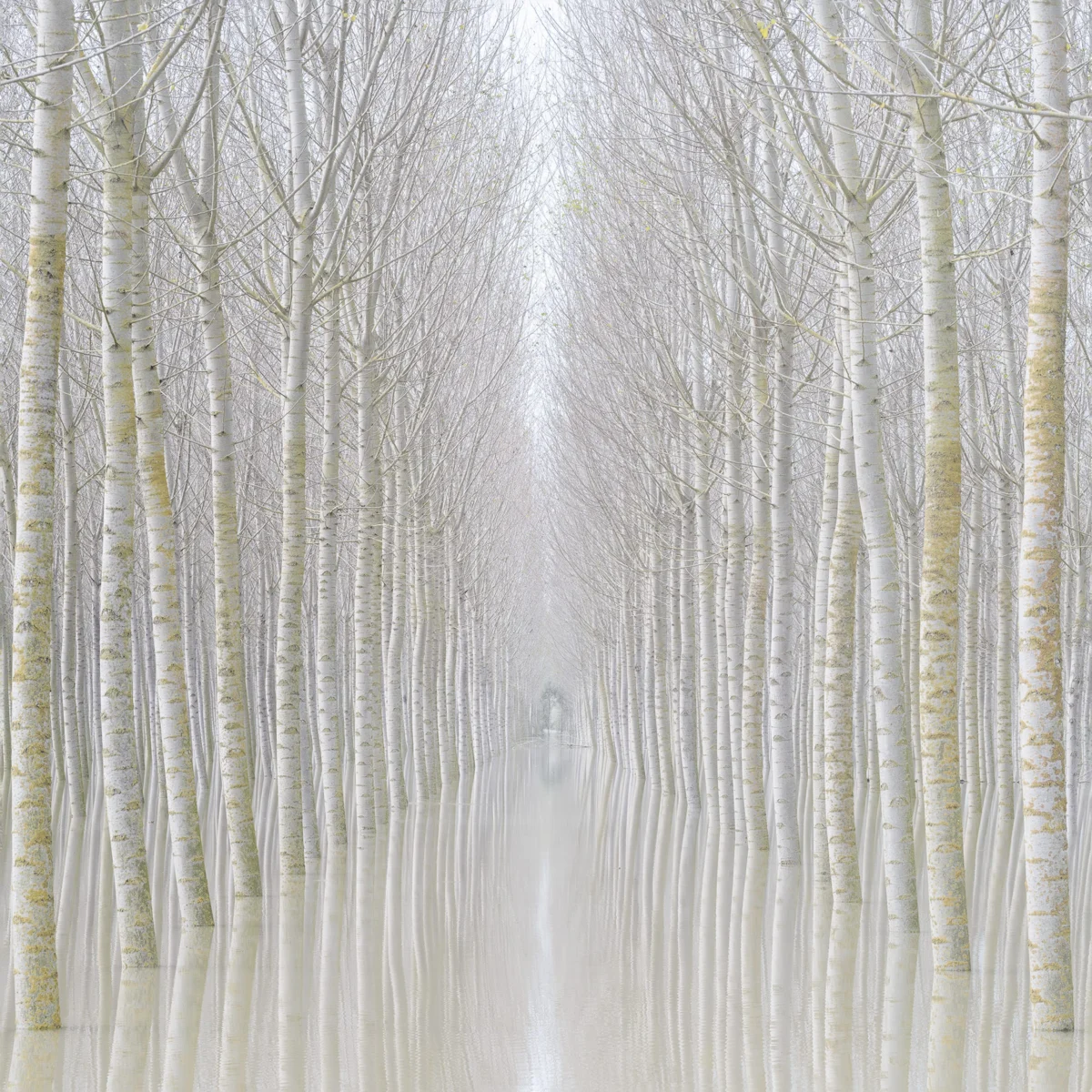
In the quiet corners of the globe, where history whispers through crumbling architecture and nature breathes in the shadows, a new generation of photographers is capturing the pulse of our changing world. The recently concluded Hasselblad Masters 2026 competition has once again affirmed its status as the pinnacle of photographic excellence, showcasing a collection of work that transcends mere technical proficiency. From the neon-lit nostalgia of small-town Nevada to the fragile, bioluminescent depths of the Thai seas, this year’s finalists have turned their lenses toward the narratives often lost in the periphery of modern life.
The Core Narrative: A Global Tapestry of Light and Form
The 2026 competition was defined by a shift toward the atmospheric and the surreal. While technical mastery remains a prerequisite for the Hasselblad honor, this year’s jury prioritized images that possess an inherent "resistance to easy interpretation."

Among the standout winners is Kevin Boyle, whose Movieland series secured the Architecture category. Boyle’s work serves as a haunting, high-contrast tribute to the mid-20th-century American cinema. His portrait of a 1937 theater in Pioche, Nevada—a structure currently undergoing a complex, multi-year rehabilitation—stands as a stark emblem of time’s relentless passage. By setting the aging, ornate building against a pitch-black background, Boyle strips away the context of the modern world, forcing the viewer to confront the building as a relic of a collective cultural identity.
This theme of uncovering hidden or overlooked truths permeates the entire winning collection. Whether it is the misty, ephemeral market scenes of the Netherlands or the abstract, textured reality of coral reefs, the 2026 Masters have demonstrated that the most powerful images are those that demand a second, third, and fourth look.

A Chronology of the 2026 Competition
The path to the 2026 Hasselblad Masters was a grueling journey of curation and critique. The process unfolded over several months, marked by a massive influx of global talent.
- January – March 2026: The open call for submissions went live, inviting professional and amateur photographers from every corner of the globe to submit their portfolios across seven distinct categories: Wildlife, Landscape, Architecture, Art, Portrait, Street, and the specialized Project//21.
- April 2026: The submission portal closed, having processed a record-breaking 108,000 images from entrants across 160 countries. This volume necessitated a rigorous preliminary filtering process by a panel of industry veterans.
- May 2026: The field was winnowed down to 70 finalists. Each finalist was evaluated not just for their single best shot, but for their ability to maintain a consistent, compelling narrative across a series of images.
- June 2026: The final jury, composed of internationally renowned photographers, editors, and curators, convened to select the category winners.
- July 2026: The official announcement of the 2026 Hasselblad Masters was made, accompanied by a digital exhibition that invited the public to explore the finalists’ work.
Supporting Data: The Scale of Photographic Excellence
The sheer scope of the 2026 competition offers a fascinating snapshot of the current state of global photography. With over 108,000 submissions, the Hasselblad Masters serves as a reliable barometer for trends in visual storytelling.

- Geographic Diversity: The inclusion of 160 countries highlights the democratization of high-end photography. The rise of digital tools and portable high-resolution systems has allowed photographers in emerging markets to compete on an equal footing with those in traditional photography hubs.
- The Project//21 Impact: By dedicating a category to photographers aged 21 and younger, Hasselblad has successfully identified a burgeoning demographic of talent. This year’s winner, 14-year-old Thai scuba diver Panitbhand Paribatra Na Ayudhya, represents a shift toward youth-led environmental activism through art. His work on marine biodiversity is not just aesthetically arresting; it is a vital call to action for the preservation of fragile ecosystems.
- The Finalist Pool: Narrowing 108,000 entries down to 70 finalists represents an acceptance rate of less than 0.07%, emphasizing the extreme level of competition and the rigorous standard maintained by the Hasselblad Foundation.
Official Perspectives: The Philosophy of the Image
Kalle Sanner, executive director of the Hasselblad Foundation, provided deep insight into the jury’s decision-making process. According to Sanner, the competition moved away from "perfectly polished" commercial work and toward work that is "legible on first encounter, yet resistant to easy interpretation."
"The winning images," Sanner noted in a press release, "are those that require time. In an era of instant digital gratification, we were looking for artists who force the viewer to slow down. The best photography today acts as an invitation to engage with the uncomfortable, the unseen, and the complex."

This philosophy is perfectly exemplified by Yudha Kusuma Putera’s Waste Colonialism (Sapi-Sapi Piyungan). His series, which documents cows grazing on massive heaps of trash on the outskirts of Yogyakarta, Indonesia, is a masterclass in visual subversion. At first glance, the soft, blue-sky backgrounds and the rhythmic patterns of the cows’ backs suggest a pastoral, almost abstract scene. It is only when the viewer delves into the context of the series that the harsh reality of the trash heaps is revealed. By playing with visibility and labor, Putera challenges the viewer’s complicity in the "out of sight, out of mind" culture of modern waste disposal.
Broader Implications: Photography as Social Commentary
The 2026 Hasselblad Masters indicates that fine art photography is moving toward a more activist, observational role. The winning portfolios are rarely just about "beauty"; they are about the relationship between the human subject, the environment, and the structures of power that dictate our visibility.

1. The Intersection of Art and Environmentalism
Both Alfred Minnaar’s underwater explorations and Panitbhand Paribatra Na Ayudhya’s marine life photography suggest a growing anxiety regarding the health of our oceans. By turning the lens toward the intricate, often microscopic details of coral and deep-sea life, these photographers are documenting biodiversity before it potentially vanishes.
2. The Persistence of Human Connection
Svetlana Jovanovic’s Otherness series provides a counterpoint to the more clinical or landscape-focused entries. Her bold, intimate portraits of identical twins explore the complexities of identity and human connection. Her work reminds us that even in a world dominated by technological progress, the most profound subject remains the human face and the mystery of shared DNA.

3. The Re-evaluation of History
Kevin Boyle’s focus on the American theater is part of a larger trend in 2026 of photographers acting as amateur historians. As small towns face economic stagnation and the homogenizing effects of globalism, the documentation of these "third places"—theaters, markets, and town squares—becomes an act of preservation. These images are not just photographs; they are archives of a vanishing way of life.
Conclusion: Looking Toward the Future
As the 2026 Hasselblad Masters exhibition continues to circulate, it leaves behind a clear message: the future of photography lies in the nuance of the unseen. The competition has successfully highlighted that the most significant stories are often hiding in plain sight—whether in a trash dump in Indonesia, the misty morning of a Dutch street market, or a lonely theater in the Nevada desert.

For the aspiring photographer, the lesson of the 2026 Masters is clear. Technical proficiency is merely the baseline. The true mastery lies in the ability to observe, to interpret, and to present the world in a way that forces the viewer to confront what they have been conditioned to overlook. As we look toward the 2027 cycle, one can only expect that this trend of introspective, socially conscious, and atmospheric storytelling will continue to deepen, further bridging the gap between art, technology, and the shared human experience.
For those who wish to study the full breadth of these winning portfolios, the Hasselblad Masters website remains an essential, living gallery of modern visual culture.

 Nana
Nana
 Nana Wu