Suro Senen
In an era where smartphone photography has become increasingly defined by aggressive computational photography and heavy-handed AI processing, a quiet rebellion is taking place. Modern flagship devices often prioritize "perfect" images—those characterized by high dynamic range, aggressive sharpening, and noise reduction that can inadvertently strip away the texture and soul of a moment. For many enthusiasts, the results can feel sterile, lacking the character that defined the photography of yesteryear.
This growing fatigue with over-processed imagery has fueled the rise of specialized third-party camera apps, most notably Halide. With the release of its 3.1 update, Lux Optics continues its mission to return creative agency to the photographer, offering a suite of professional-grade tools that emphasize precision, authenticity, and manual control.
The Core Philosophy: Why Halide Resonates
The current state of mobile photography is, in many ways, an arms race of algorithms. When a user captures a photo on a contemporary high-end smartphone, the device often performs dozens of operations in milliseconds—stacking frames, adjusting contrast, and applying local tone mapping. While this produces impressive results in challenging lighting, it often leaves users with little room for personal style.
Halide’s "Process Zero" mode remains the cornerstone of its recent success. By bypassing the heavy-handed processing pipelines of the native iOS camera, it delivers a raw, unfiltered look at the light captured by the sensor. The Mark III update previously laid the groundwork for this, introducing "Looks"—film-inspired profiles that provide a nostalgic, organic aesthetic—and a comprehensive Photo Lab. Now, with the 3.1 update, Lux Optics is pivoting from building the foundation to refining the fine-tuning capabilities that professional mobile photographers demand.
Chronology of the 3.1 Update
The journey to version 3.1 is a testament to the rapid, iterative development cycle favored by Lux Optics. Following the significant architectural overhaul of the Mark III launch just a few weeks prior, the development team turned their attention to user-requested refinements.
The update process focused on three primary pillars: structural editing, color fidelity, and interface predictability. By listening to feedback from early adopters of the Mark III platform, the developers identified "friction points"—small, annoying hurdles that broke the creative flow—and addressed them through a series of surgical software updates.
Key Features: Precision and Palette
The Halide 3.1 update is not about reinventing the app, but rather perfecting the workflow. The new features bridge the gap between casual capture and professional post-processing.
Perspective Correction: The Tilt-Shift Philosophy
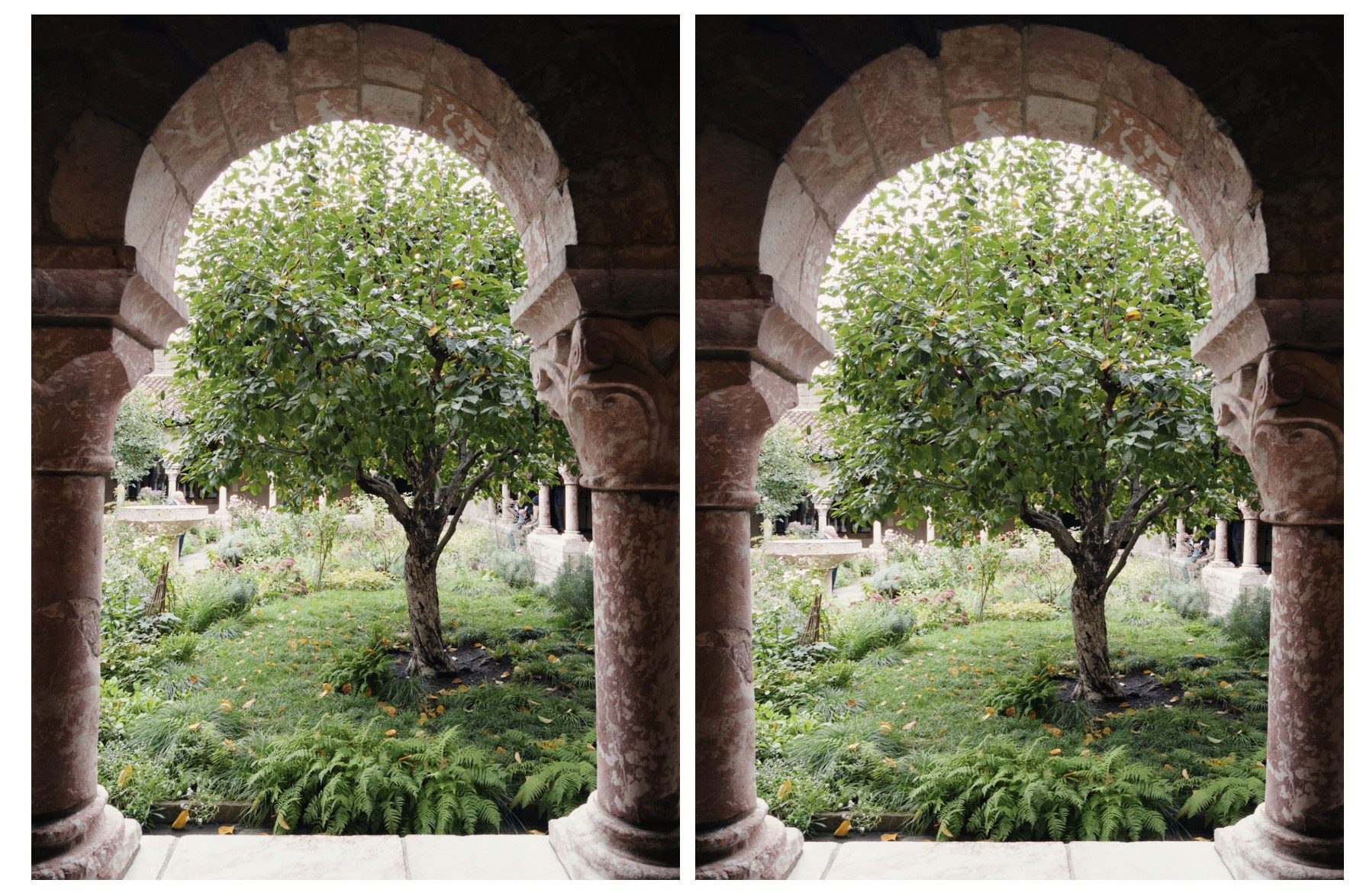
Perhaps the most significant addition in 3.1 is the new perspective correction tool located within the Frame tab of the Photo Lab. In professional photography, keystoning (where parallel lines appear to converge due to the angle of the lens) is a common issue. Traditionally, this required expensive tilt-shift lenses or complex desktop software.
Halide 3.1 introduces a non-AI, manual perspective correction dial. By allowing users to physically adjust the geometry of the shot, the app maintains the integrity of the image data without relying on generative fill or hallucinated pixels. This commitment to "real" photography—where the software assists the user rather than replacing their intent—is what differentiates Halide from mainstream editing apps.
The Scarlet Profile: Introducing Warmth
Color science is the final frontier of mobile photography. With the introduction of the "Scarlet" color profile, Lux Optics has leaned into the human preference for warmth and depth. Scarlet is engineered to boost red tones while maintaining a medium-to-high contrast ratio. It is specifically designed to handle the complexities of sunsets, golden-hour portraits, and fire-lit scenes. Unlike the default "vivid" modes found on many phones, which can often result in garish saturation, Scarlet offers a refined, cinematic look that feels intentional rather than automated.
UI and Workflow Refinements
Under the hood, the app has undergone a significant organizational cleanup. Recognizing that power users prefer a streamlined experience, the developers have moved theme and icon customization into a dedicated "Customization" hub.
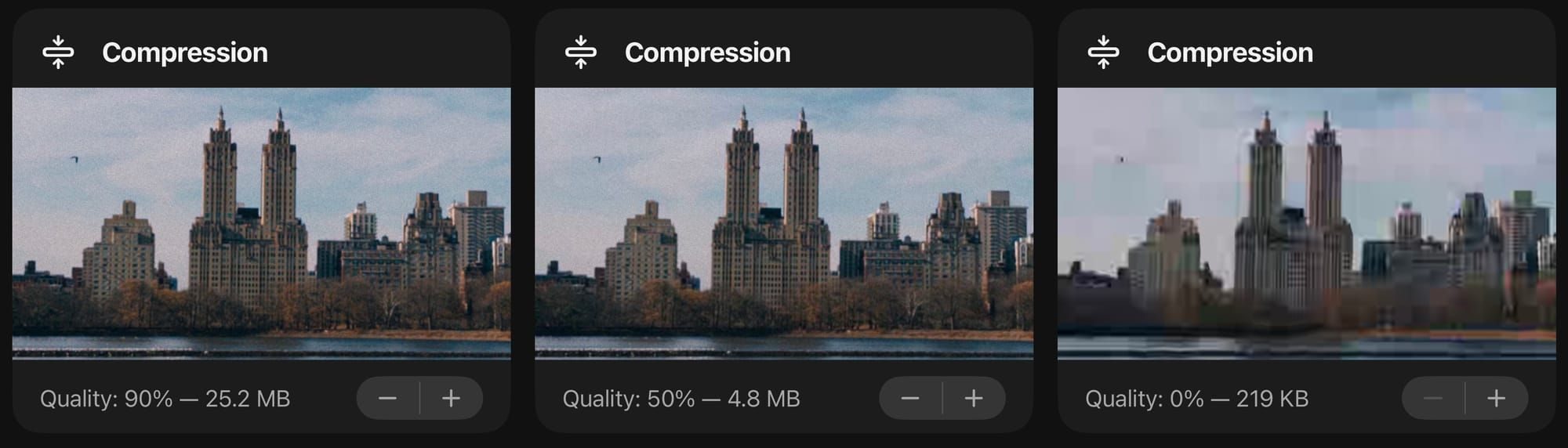
For the data-conscious photographer, the update also introduces granular control over compression. Users can now balance texture against file size, a critical feature for those managing limited cloud storage or sharing high-resolution files on bandwidth-restricted networks. Furthermore, the inclusion of a "RAW-only" capture mode acknowledges that many users are increasingly bypassing JPEGs entirely in favor of the maximum data flexibility that RAW files provide.
Supporting Data: The Shift in Consumer Preference
The success of Halide reflects a broader demographic shift in photography. Market data from the past year suggests that younger demographics—often dubbed "Gen Z"—are increasingly gravitating toward "digital camera" aesthetics. This trend, visible on platforms like Instagram and TikTok, favors the imperfections of older sensors: the slight grain, the vignetting, and the color inaccuracies that define 2010-era photography.
When comparing a modern smartphone photo to a shot from an iPhone 6 or a dedicated point-and-shoot, the difference is stark. Modern phones produce images that are "too perfect," losing the subtle nuances of shadow and light. Halide’s growth is a direct response to this. By providing the tools to emulate the "flaws" of traditional film and older digital sensors, they are meeting a massive demand for authenticity in an increasingly synthetic digital landscape.
Official Responses and Developer Intent
In discussions surrounding the 3.1 update, the team at Lux Optics has been vocal about their design philosophy. Their goal is not to automate the photographer out of the process, but to provide an environment where the photographer’s vision is supported by high-quality, reliable tools.

"The best camera is the one that stays out of your way," a spokesperson for the development team noted during the release. This is evident in the subtle change to the viewfinder’s behavior. Based on user feedback, the team disabled the ability for the viewfinder tap to change focus or exposure while in Manual mode. While this sounds like a minor tweak, it is a significant change for pros who were accidentally bumping settings during critical shoots. It underscores a shift toward a "predictable" camera, where the software assumes the user knows exactly what they are doing.
Implications for the Future of Mobile Photography
The 3.1 update, while not introducing "flashy" AI, signals a long-term trend in the industry: the bifurcation of the camera market. On one side, we have the "Computational Giants"—Apple, Google, and Samsung—who are moving toward a future where the AI reconstructs the scene. On the other side, we have the "Intentional Photographers"—users who use tools like Halide to manually control every aspect of the exposure, focus, and development.
If Halide continues to refine its interface at this pace, it risks becoming the industry standard for mobile professionals. By proving that users are willing to pay for software that offers less automation rather than more, they are challenging the core premise of modern smartphone marketing.

The implications for the future are clear: as sensors get better and AI gets smarter, the value will shift from "who can capture the most detail" to "who can offer the most creative control." By focusing on the fundamentals of photography—geometry, color science, and manual control—Halide is building a moat that AI-driven filters simply cannot cross.
Conclusion: The Only App You Need?
Halide 3.1 is a masterclass in product refinement. It does not attempt to change the user’s world with generative AI; instead, it provides the precise, surgical tools necessary to capture that world exactly as the photographer intends.
As we look toward the future of mobile imaging, it is clear that there will always be a place for the artisan. For those who still believe that photography is an act of observation rather than an act of generation, Halide 3.1 is not just an update—it is an essential toolkit. Whether you are correcting the perspective of a towering architectural shot or applying a warm, rich Scarlet profile to a sunset, the app ensures that the final result is a product of your vision, not an algorithm’s guess. If the pace of these updates continues, Halide is well on its way to becoming the quintessential tool for the modern mobile photographer.

 Siti Muinah
 Ammar Sabilarrohman