Lina Irawan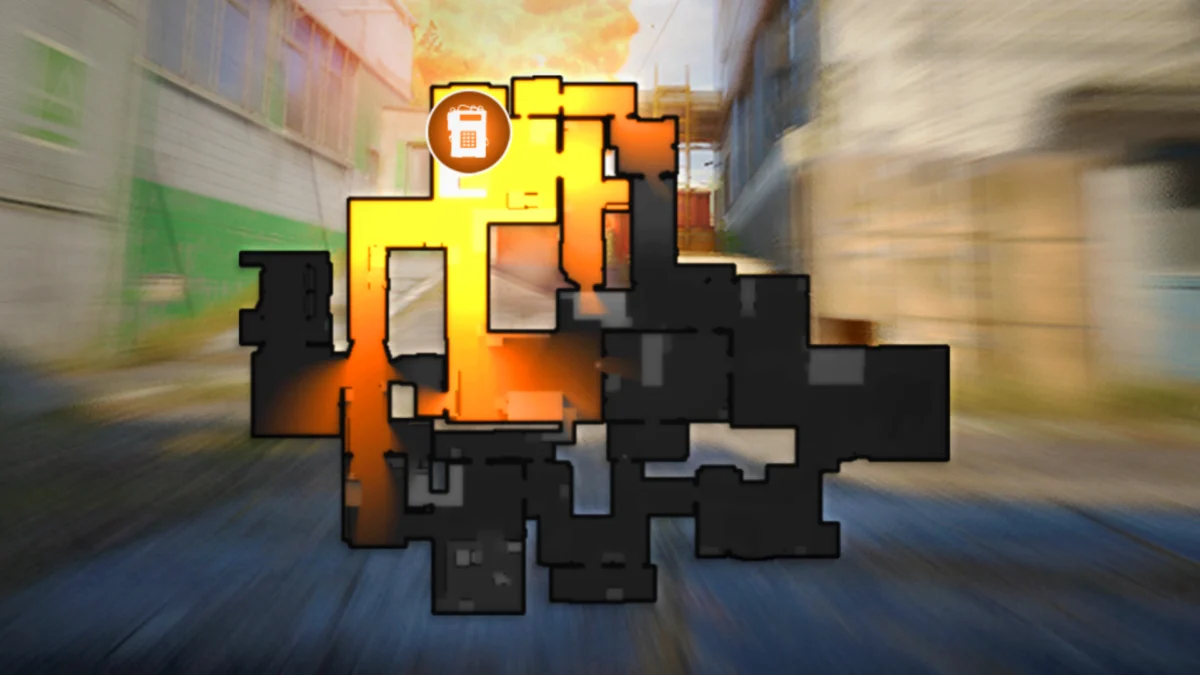
The landscape of professional tactical shooters is defined by a delicate balance of precision, consistency, and innovation. Since its inception, Counter-Strike has been the gold standard for this equilibrium. However, with the launch of Counter-Strike 2 (CS2) Season 5, Valve has signaled that it is no longer content with maintaining the status quo. By fundamentally redesigning the behavior of C4 detonations and injecting fresh blood into the map rotation, the developers are forcing veteran players to relearn the geometry of survival.
This update is more than a mere collection of cosmetic adjustments; it is a mechanical recalibration of how damage is calculated, how environmental awareness is prioritized, and how players interact with the utility-based sandbox that makes the Counter-Strike franchise so enduringly compelling.
The Mechanics of Destruction: A Paradigm Shift in C4 Physics
For decades, the bomb explosion in Counter-Strike functioned on a binary principle: you were either within the radius of effect and perished, or you were outside of it and remained unscathed. It was a simple, reliable constant that players used to calculate their exit strategies during desperate retakes or eco-rounds. Season 5 has dismantled this long-standing convention.
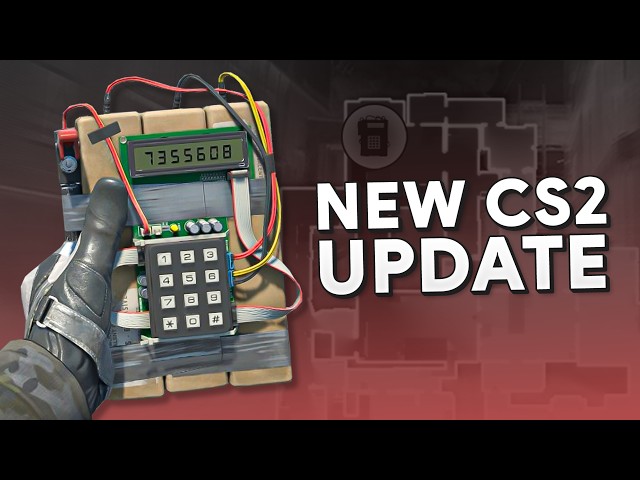
Valve’s new patch notes introduce a dynamic, wave-based detonation model. As the developers describe, the bomb no longer acts as a static sphere of damage. Instead, an "explosive wave of destruction" now propagates from the bombsite, curling around corners and interacting with the map’s architecture in real-time. This is a significant departure from the legacy "hit-scan" style of blast damage.
The Physics of Survival
The core implication of this change is the introduction of environmental cover as a legitimate life-saving mechanic. While the shockwave is lethal if one is caught in the immediate proximity of the C4, the wave dissipates when it encounters physical geometry—walls, crates, and pillars. This means that if a player is tactically positioned behind a corner or a solid piece of geometry, they may now survive an explosion that, in previous versions of the game, would have been a guaranteed death sentence.
This change transforms the end-of-round dynamic. Players must now think critically about their positioning not just for combat advantage, but for survival against the ticking clock. The wave-based logic adds a layer of "realistic" fluidity that feels both more immersive and more tactical.
Chronology of the Update and Testing Tools
The arrival of Season 5 was preceded by months of community speculation, particularly following Valve’s late-2025 "call to arms," where they requested community-submitted designs revolving around themes of spy technology and Arabian mythology. The rollout of this update occurred in three distinct phases: the announcement of the map rotation, the release of the Armory content, and the quiet introduction of experimental debugging tools.

Diagnostic Command Lines
Valve has provided the community with an unprecedented level of transparency regarding these new mechanics through the use of specific console commands. For players looking to master the new physics, the following tools have become essential:
cl_bake_bomb_damage_debug 1: Visualizes the pathing of the blast wave for Bombsite A.cl_bake_bomb_damage_debug 2: Visualizes the pathing of the blast wave for Bombsite B.
By utilizing these commands in private servers, players can observe the exact "lethality path" of the explosion. The health bar reflection provided by the game’s UI during these tests allows for a granular understanding of how much damage is mitigated by specific pieces of cover. This "bake" process is a sophisticated addition to the game’s diagnostic suite, allowing for a level of theory-crafting that has historically been reserved for professional analysts.
Tactical Implications: The Future of Utility and Combat
Beyond the bomb mechanics, Season 5 has sparked a fervent debate regarding the potential future of tactical utility. The discovery of the console command mp_shoot_dropped_grenades 1 has sent shockwaves through the community. This command allows players to manually shoot and detonate thrown grenades in mid-air or on the ground, creating the possibility for chain reactions.
The "Chain Reaction" Meta
While this feature is currently restricted to private servers, the implications for competitive play are profound. Imagine a scenario where a well-timed shot from an AWP could detonate an incoming HE grenade, neutralizing a "nade-stack" before it reaches a bombsite. Or, consider the possibility of setting up complex traps where dropping multiple grenades in a chokepoint could be triggered by a single precise shot.
If Valve were to integrate this into the official matchmaking pool, it would represent the most significant change to grenade utility since the introduction of the tactical utility system in CS:GO. It introduces an element of physical agency that rewards mechanical skill and quick thinking, potentially elevating the skill ceiling of the game to heights previously unimagined.
Map Rotations: The Return of Cache and Fresh Environments
Season 5 also brings a necessary refresh to the active duty map pool. The most notable inclusion is the long-awaited return of Cache, a fan-favorite map that has undergone various iterations throughout the series’ history. Its reintroduction replaces Overpass, a move that has been met with both excitement and nostalgia from the competitive community.
The New Competitive Landscape
The shift extends beyond the professional circuit into the wider ecosystem of Counter-Strike:
- Competitive/Casual/Deathmatch: The rotation now welcomes Boulder, Fachwerk, and Shelter, removing the outgoing maps Warden, Stronghold, Alpine, and Sanctum.
- Wingman: The fast-paced 2v2 mode now features Debris and El Dorado, providing fresh terrain for tactical skirmishes.
These maps have been carefully selected to offer a diverse range of engagement distances and sightlines, ensuring that the meta remains dynamic throughout the duration of Season 5.
Official Responses and Community Feedback
Valve’s approach to Season 5 has been characterized by a "community-first" philosophy. By integrating the requested skin collections—ranging from the high-tech, sleek aesthetics of the "Spy Tech" collection to the vibrant, narrative-driven pieces of the "Arabian Mythology" series—Valve has demonstrated a clear intent to listen to the creative output of its player base.
The official release notes also highlight a commitment to technical stability. Addressing long-standing frustrations, such as the inability to interact with the buy menu when dropped weapons are nearby and fixing minor "pixel gaps" in maps like Dust II, shows that Valve is focusing on the "quality of life" aspects that make or break a long-term service game.
Conclusion: A New Era of Tactical Depth
As the dust settles on the launch of Counter-Strike 2 Season 5, it is clear that Valve is pushing the game toward a more experimental and responsive future. The introduction of wave-based bomb detonations is a masterstroke of design that rewards environmental awareness and strategic positioning. Meanwhile, the inclusion of experimental grenade physics, even if currently locked behind console commands, serves as a tantalizing "what if" for the future of the franchise.
The longevity of Counter-Strike has always been tied to its ability to remain fresh while preserving the core mechanics that make it the ultimate test of human reaction time and tactical planning. With Season 5, Valve has successfully injected new life into the game. Whether you are a casual player enjoying the new community maps or a professional preparing for the next major, the message is clear: the Counter-Strike battlefield is evolving, and those who adapt the fastest will be the ones left standing when the dust clears.
For now, the best advice remains: get into the testing grounds, map out the new blast paths, and prepare for a season that promises to be as volatile as it is rewarding. The game is no longer just about where you aim; it is about how you live in the seconds after the timer hits zero.

 Rifan Muazin