

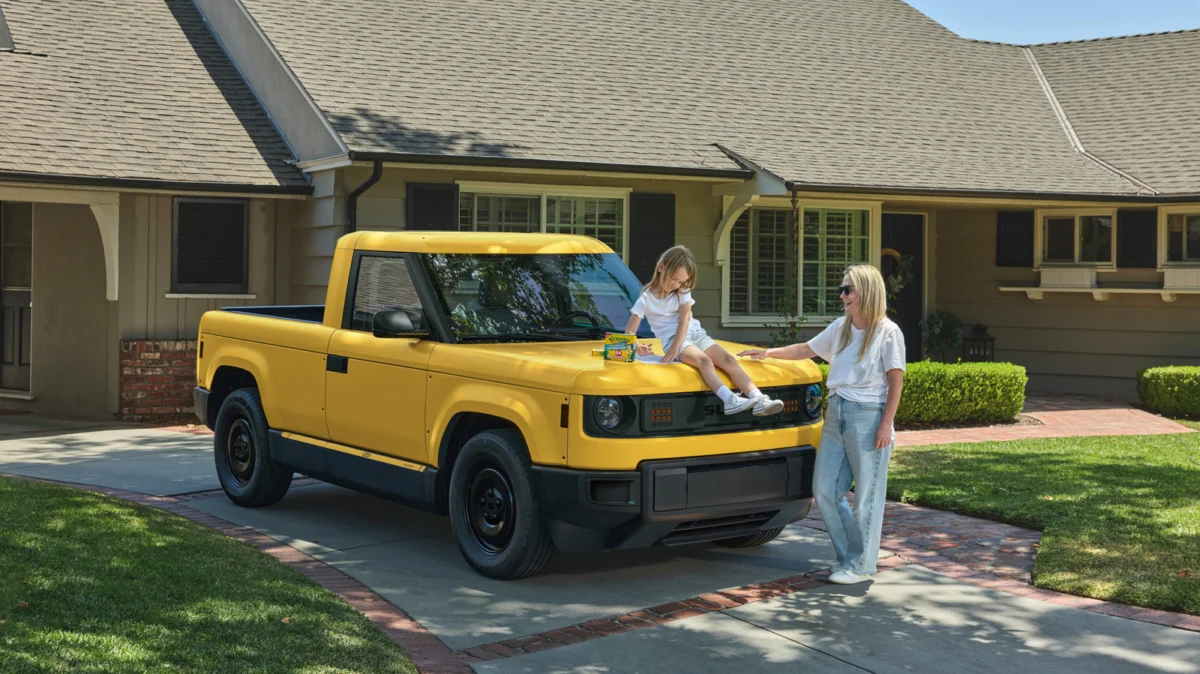
In a bold departure from the utilitarian monotony that has long defined the budget electric vehicle (EV) sector, Slate—the manufacturer behind the highly anticipated $20,000 "barebones" electric pickup—has announced a whimsical yet strategic partnership with the legendary color authority, Crayola. The collaboration, which introduces five iconic, vibrant crayon-inspired vinyl wraps for the Slate EV, signals a significant shift in how automotive manufacturers are approaching vehicle personalization in the era of mass-market electrification.
Main Facts: A Palette for the Modern Driver
For months, the narrative surrounding the Slate EV has been defined by its affordability and its "blank canvas" philosophy. Until now, the vehicle was strictly marketed in a minimalist, industrial grey—a nod to Henry Ford’s infamous "any color as long as it’s black" mantra, updated for the modern, minimalist EV era.
The new partnership shatters that monochrome standard. Slate has unveiled five distinct, officially licensed Crayola colors that customers can now apply to their trucks as high-quality vinyl wraps:
- Cerulean: A deep, tranquil sky blue.
- Dandelion: A bright, optimistic yellow.
- Fern: A sophisticated, organic earthy green.
- Razzmatazz: A bold, energetic magenta-pink.
- Jersey Tomato: A distinct, warm, and attention-grabbing red-orange.
Beyond the aesthetic upgrade, Slate is leaning into the "lifestyle" aspect of vehicle ownership. Customers who opt for a Crayola package receive more than just a exterior skin; the bundle includes a color-matched key fob cap, a custom dashboard "Slatelet"—a small, interchangeable icon fixture designed to personalize the cabin—and a series of complementary decals. These add-ons are available through the Slate Marketplace for an additional $1,550, a price point that positions the company as a leader in aftermarket-style personalization offered directly at the point of sale.
Chronology of a Design Shift
The path to this collaboration began with Slate’s foundational design philosophy. From its inception, the company viewed its base-model truck not as a finished luxury product, but as an affordable, modular platform.
- Initial Launch (Early 2024): Slate introduces its barebones electric pickup, focusing exclusively on utility, low price points, and engineering simplicity. The vehicle is showcased in a standard, industrial grey, emphasizing its role as a work tool.
- Market Feedback Phase: Through social media engagement and pre-order surveys, the Slate design team notes a high demand for customization. Prospective owners consistently express interest in modifying the vehicle’s exterior to reflect personal or business branding.
- The Partnership Formation (Q2 2024): Recognizing that traditional automotive paint processes are costly and inefficient for small-batch customization, Slate pivots toward high-grade vehicle wraps. They initiate discussions with Crayola, seeking a brand that resonates with nostalgia, creativity, and high-visibility color science.
- Pre-Order Announcement (June 24, 2024): Slate officially opens pre-orders for the truck, requiring a $300 deposit. Simultaneously, they begin teasing the "Slate x Crayola" project to generate excitement among early adopters.
- The Unveiling (Current): The full lineup of five colors is launched on the Slate Marketplace, marking the first time a major EV manufacturer has leaned into a "toy-box" aesthetic to drive consumer interest.
Supporting Data: Why Customization Matters
The automotive industry is currently grappling with a "grey-scale crisis." Data from industry analysts suggests that over 80% of new vehicles sold globally are either white, black, grey, or silver. This lack of color diversity is often blamed on resale value concerns and manufacturer efficiency.
However, Slate’s strategy targets a different demographic: the "Prosumer" and the small business owner. By offering a $20,000 base vehicle that can be upgraded with a $1,550 wrap, Slate is effectively creating a tiered pricing structure that benefits both the budget-conscious buyer and the style-conscious enthusiast.
Vinyl wraps have become the industry standard for commercial fleet vehicles because they offer two primary benefits: they serve as a mobile billboard for businesses, and they protect the factory paint underneath from UV damage, road salt, and debris. For a truck designed for rugged, utilitarian use, this wrap-first approach is not merely an aesthetic choice—it is a protective measure that preserves the long-term value of the underlying steel body.
Official Responses and Strategic Rationale
Slate’s leadership has maintained that this partnership is about more than just aesthetics; it is about "democratizing personality."
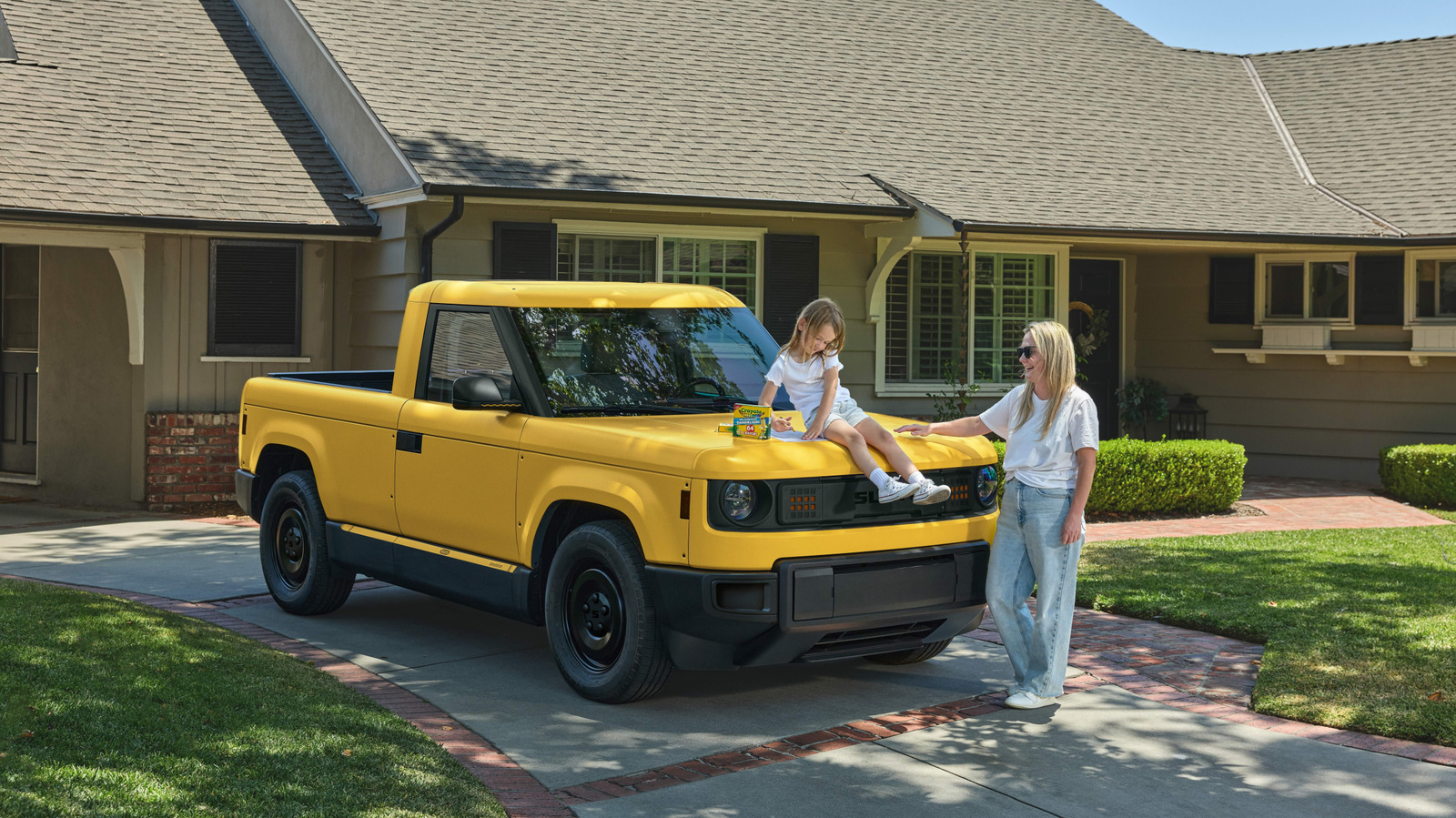
"We built a truck that is meant to be used, not just polished," a Slate spokesperson stated during the unveiling. "By partnering with Crayola, we are acknowledging that our drivers are individuals. Whether you are a small business owner wanting your truck to stand out in a parking lot, or a family looking for something that brings a smile to the neighborhood, these colors allow for a level of expression that simply wasn’t available in the commercial truck market before."
Crayola, for its part, views this as a natural extension of its brand into the "grown-up" world of mobility. While Crayola has partnered with footwear and apparel brands in the past, this marks a significant foray into the automotive space. By licensing these specific, copyrighted shades, Crayola ensures that the color profile is accurate, vibrant, and recognizable, providing a sense of brand trust that an off-the-shelf vinyl wrap provider cannot match.
Implications for the EV Industry
The implications of this move are twofold: it challenges the "boring" status quo of EVs, and it validates the "modular" business model.
1. Disrupting the "Monochrome" EV Trend
Many EV manufacturers, particularly those in the luxury sector, have been criticized for offering limited, somber color palettes. Slate’s move proves that there is a market for high-visibility, "fun" colors. If the Crayola collaboration proves successful, it could force legacy automakers to rethink their paint shops, or perhaps lean into factory-authorized wrap programs to satisfy consumer demand for variety without the overhead of complex, multi-color paint lines.
2. The Rise of the Modular Vehicle
Slate is essentially treating its truck as a hardware platform. By encouraging users to swap out dashboard "Slatelets" and choose their own color wrap, they are inviting the owner to participate in the manufacturing process. This creates a deeper emotional attachment to the vehicle, which is a key driver in brand loyalty—a metric that new EV startups often struggle to cultivate against established automotive titans.
3. Economic Accessibility
The $1,550 price tag for the wrap package is strategically positioned. It is expensive enough to be a premium offering for the company, yet accessible enough that a buyer who has already committed to a $20,000 vehicle is unlikely to be deterred. It creates a secondary revenue stream for the company that is high-margin and low-risk, as the wraps are applied during the final stages of the vehicle’s assembly or upon delivery.
Conclusion: A Road Ahead in Technicolor
As Slate prepares to ramp up production, the success of the Crayola collaboration will be watched closely by industry analysts. If these colorful trucks become a common sight on the road, it may signal that the next generation of car buyers is prioritizing self-expression and utility over the traditional "prestige" of luxury automotive aesthetics.
For the prospective buyer, the choice is now clear: do you stick to the safe, standard grey, or do you opt for a truck that looks like it just rolled out of a crayon box? For those who choose the latter, the road ahead looks significantly brighter. Whether you lean toward the calming influence of Cerulean or the bold statement of Jersey Tomato, Slate has provided the tools to ensure that your electric truck is as unique as the person driving it.
As pre-orders continue to roll in, one thing is certain: the era of the bland, invisible electric truck is officially being challenged, one wrap at a time.











