

Date: July 9, 2026
For many international travelers, Kyoto is synonymous with the iconic orange gates of Fushimi Inari or the golden reflection of Kinkaku-ji. However, beyond the bustling urban core lies a region known to locals as "Another Kyoto"—a landscape of industrial heritage, textile history, and feudal castles. With the JR-WEST RAIL PASS in hand, this hidden side of the prefecture is not only accessible but remarkably affordable. In under two hours from Kyoto Station, travelers can trade the tourist crowds for the nostalgic red bricks of Maizuru, the textile innovation of Ayabe, and the historic battlements of Fukuchiyama.

Main Facts: The "Another Kyoto" Advantage
The primary appeal of this itinerary is its efficiency. By leveraging the JR-West network, visitors can bypass the logistical hurdles of renting a car or navigating complex bus routes. The JR-WEST RAIL PASS acts as a comprehensive key to the northern Kyoto region, covering transit costs on major limited express and local lines.
Essential Logistics
- Transit Strategy: The journey is centered on the JR San’in Main Line and the Maizuru Line.
- Pass Utility: Holders of the JR-WEST RAIL PASS are entitled to travel on these lines. For those opting for limited express trains—which significantly reduce travel time—a reserved seat ticket must be obtained from automated machines at the station.
- Accessibility: All three featured cities—Maizuru, Ayabe, and Fukuchiyama—are reachable within 90 to 120 minutes of travel time from Kyoto Station, making this a perfect high-impact day trip.
Chronological Itinerary: A Day in the Northern Highlands
To maximize the experience, travelers are encouraged to follow this optimized schedule, which minimizes transit time while maximizing cultural immersion.

08:38 AM – 10:11 AM: The Path to the Sea
The journey begins at Kyoto Station. Boarding the limited express Maizuru No. 1 provides a direct, stress-free route to Higashi-Maizuru. As the train cuts through the mountainous terrain of the Tamba region, the urban sprawl of Kyoto fades into lush greenery. Upon arrival at Higashi-Maizuru, a 15-minute walk leads to the Maizuru Red Brick Park. This area is a testament to Japan’s Meiji-era industrialization, featuring preserved warehouses that once served the Imperial Japanese Navy. Walking the pedestrian-only road through the red brick tunnel offers a rare, atmospheric glimpse into a bygone era of Japanese naval history.
1:23 PM – 1:54 PM: The Textile Heritage of Ayabe
After a morning of exploring the coastal history of Maizuru, a local train connects travelers to Ayabe. A mere 7-minute walk from the station brings visitors to Ayabe Gunze Square. This site marks the birthplace of Gunze, a global leader in textile manufacturing. The square serves as an educational hub, detailing the evolution of sericulture and its transition into modern garment innovation.

2:00 PM – 3:30 PM: The Blooms of Peace
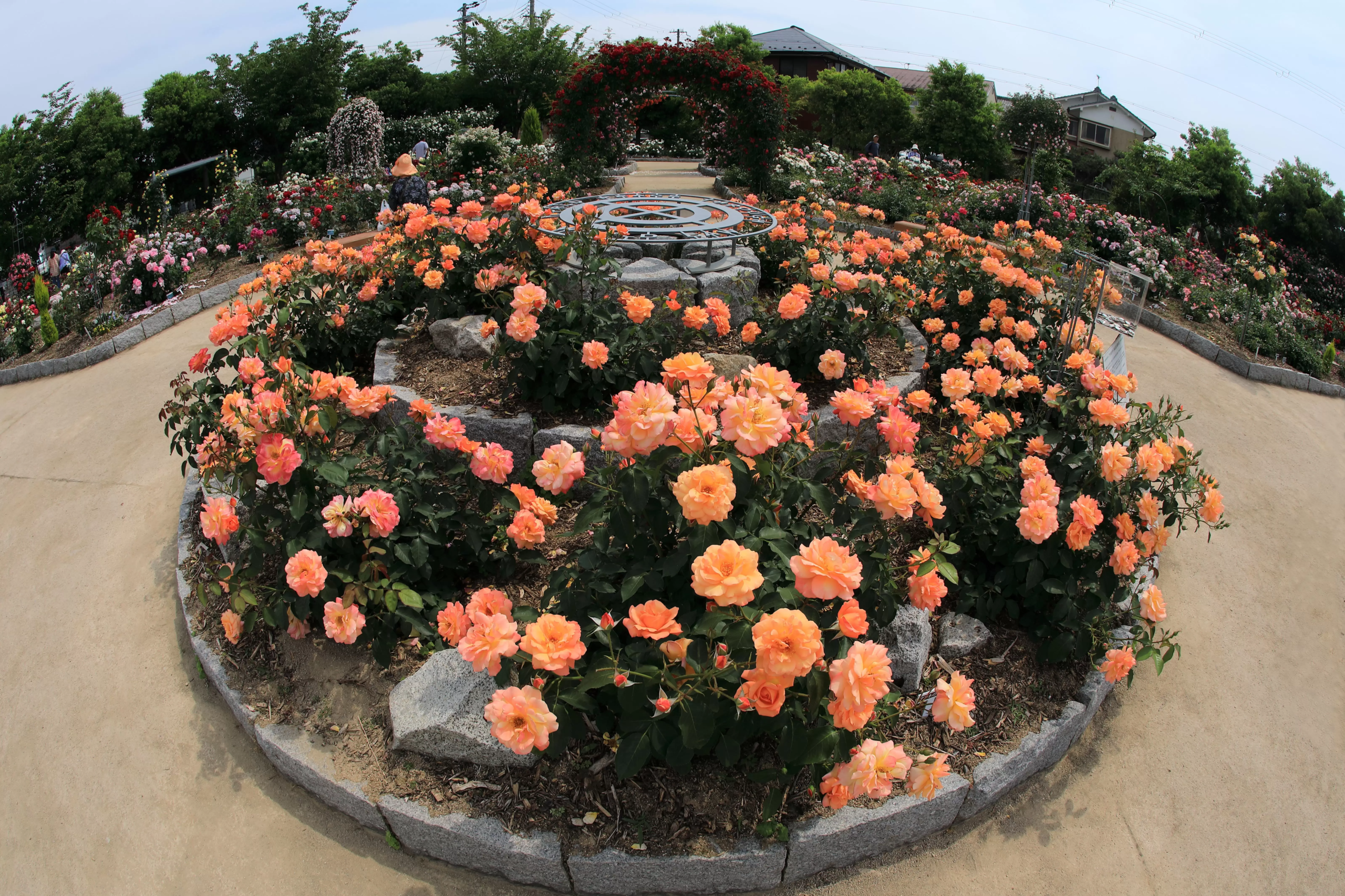
Within the same complex lies the Ayabe Rose Garden. This volunteer-run sanctuary features 1,200 roses across 150 varieties. Beyond the aesthetic value, the garden holds profound historical significance, including the presence of "Anne’s Rose," donated by Otto Frank. This living memorial serves as a poignant reminder of the enduring wish for global peace—a stark, reflective contrast to the industrial history of the surrounding area.
3:57 PM – 4:09 PM: The Castle Town of Fukuchiyama
A short, high-speed hop from Ayabe brings you to Fukuchiyama. As the train approaches, the silhouette of Fukuchiyama Castle becomes visible from the window—a strategic landmark that guided samurais for centuries. A 10-minute walk from the station’s north exit leads directly to the castle grounds. The site offers a sweeping view of the Yura River, providing a panoramic perspective of the city that served as the base for Akechi Mitsuhide, one of the most significant figures in the unification of Japan.

4:30 PM – 5:30 PM: Culinary Souvenirs
Adjacent to the castle stands Adachi Otoemon, a destination renowned for its high-quality chestnut terrines. Using local Tamba chestnuts as well as premium global varieties, the shop creates products that capture the terroir of the region. It is an essential stop for travelers looking to bring a refined taste of the Kyoto countryside home.
Supporting Data: Why the Rail Pass is Essential
The economic argument for the JR-WEST RAIL PASS is compelling. While local tickets for individual segments are affordable, the pass eliminates the need for repeated transactions and provides flexibility for spontaneous detours.

- Time Efficiency: The limited express services (such as the Maizuru or Kinosaki) effectively cut transit time by 30-40% compared to local-only lines.
- Infrastructure: The stations in the northern region are optimized for foot traffic. Between the arrival at Higashi-Maizuru and the departure from Fukuchiyama, the distances to major attractions are consistently within a 15-minute walking radius, minimizing the need for secondary taxi or bus expenses.
Official Perspectives and Tourism Strategy
The "Another Kyoto" campaign, promoted by the Kyoto Prefectural Government and regional tourism boards, aims to decentralize the tourism load. By incentivizing travel to the northern reaches of the prefecture, officials hope to distribute the economic benefits of tourism more equitably.
"The northern region offers a more authentic, slower pace of life that aligns with the modern traveler’s desire for deeper cultural connection," says a representative from the local tourism bureau. "By partnering with JR-West to streamline transit, we are essentially opening a ‘second Kyoto’—one that is defined not by crowds, but by the quiet beauty of history and craft."

Implications: The Future of Kyoto Tourism
This model of travel—relying on rail-based connectivity to uncover "satellite" destinations—represents the future of sustainable tourism in Japan.
- Reduced Congestion: Encouraging visitors to move beyond the city center helps preserve the structural integrity and quality of life in central Kyoto’s historic districts.
- Economic Revitalization: Tourism spending in towns like Ayabe and Fukuchiyama supports local artisans and boutique food producers who might otherwise struggle to reach an international audience.
- Educational Enrichment: This route provides a more comprehensive view of Japan’s development. Instead of only seeing the "traditional" Kyoto of temples and shrines, travelers gain an understanding of the "modern" Kyoto of industrial innovation, military heritage, and agricultural excellence.
Final Travel Note
As of July 2026, the rail schedules are subject to seasonal adjustments. Travelers are strongly encouraged to consult the JR-West official timetable immediately before departure. To ensure a smooth return, remember to reserve seats for the Kinosaki 20 (departing 17:49) or Hashidate 8 (departing 18:54) well in advance, as these popular return lines to Kyoto Station can fill up during peak travel seasons.

Exploring "Another Kyoto" is more than a day trip; it is an invitation to look closer at the landscape and find the hidden narratives that shape the spirit of the prefecture. With your pass ready, the train is waiting.











