Lina Irawan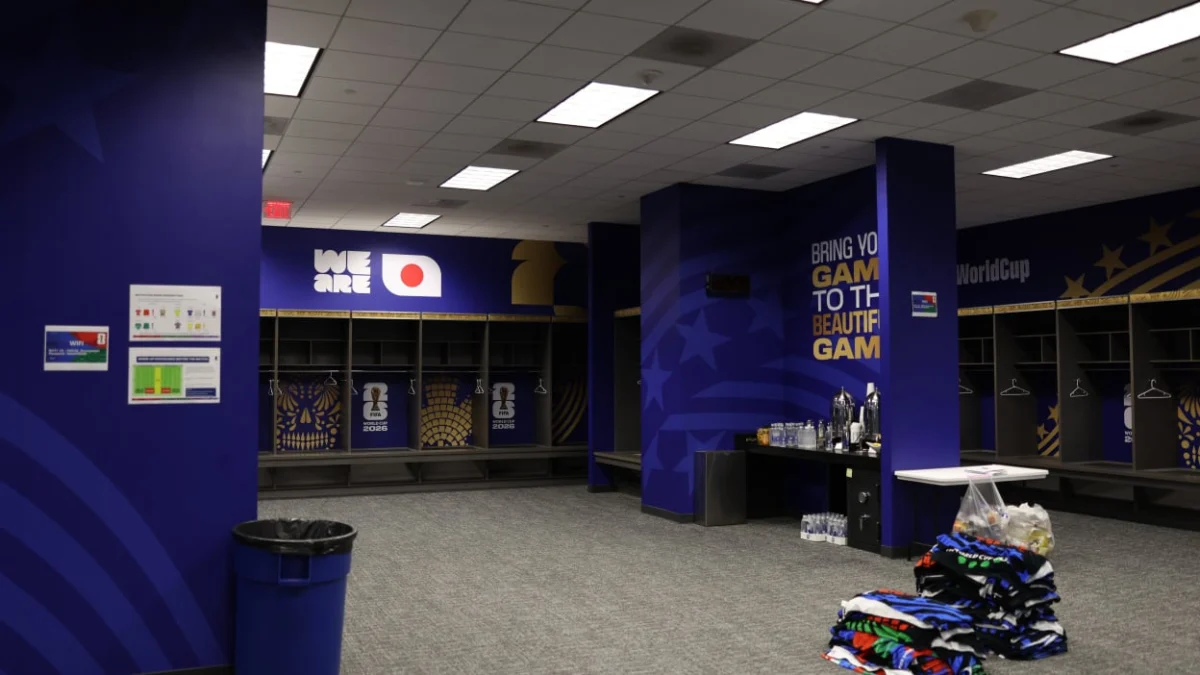
In the high-stakes, hyper-competitive arena of international football, the FIFA World Cup is typically defined by razor-thin margins, tactical masterclasses, and the crushing weight of national expectation. Yet, the 2026 tournament, hosted across North America, has birthed an unexpected and heartwarming sub-narrative that has captured the internet’s collective imagination. Amidst the chaos of the world stage, teams and fans alike are choosing to leave a different kind of mark: one defined by profound, viral acts of courtesy.
Whether it is a meticulously cleaned locker room or a handwritten thank-you note left in a stadium tunnel, this trend—dubbed by many as the "Ted Lasso World Cup"—suggests that in an increasingly fractured global landscape, radical kindness has become the ultimate viral currency.
The Chronology of Courtesy: A Wave of Good Will
The phenomenon began to gain significant traction early in the tournament, though its roots trace back to long-standing cultural traditions.
The first major spark occurred on June 14, following a 2-2 draw between Japan and the Netherlands at Dallas Stadium. As the final whistle blew, social media feeds were quickly flooded with footage of Japanese supporters, known for their disciplined fandom, refusing to leave the stands until every stray cup, wrapper, and scrap of litter was gathered into blue plastic bags. This was not a one-off performance; it was a deliberate, collective effort to leave the space better than they found it.
Just days later, on June 20, the Japanese national team proved that the "leave no trace" ethos extended from the stands to the pitch. After a dominant 4-0 victory over Tunisia, the team cleared their dressing room to perfection, leaving behind a heartfelt note of gratitude for the stadium staff.

The trend reached a crescendo on June 22, when the Jordanian national team, participating in their first-ever World Cup, faced a bittersweet exit following a 2-1 loss to Algeria. Despite the heartbreak of elimination, the team’s post-match behavior stole headlines. FIFA officials later shared images of the Jordanian locker room, which was left in pristine condition, complete with gifts, local sweets, and a poignant message thanking the United States for its "dedication, professionalism, and warm hospitality."
Supporting Data: More Than Just a PR Stunt
While cynics might dismiss these gestures as orchestrated public relations maneuvers, the data suggests a deeper, more ingrained cultural phenomenon.
For the Japanese contingent, this behavior is rooted in the proverb tatsu tori ato wo nigosazu—"the bird does not leave the water muddy when it departs." This philosophy has been a hallmark of Japanese football culture since their debut in 1998. During the 2022 World Cup in Qatar, Japanese fans were observed cleaning sections of the stadium even after matches their team did not participate in.
The inclusion of high-profile figures has further amplified the trend. During the June 14 cleanup in Dallas, New York Giants quarterback Jameis Winston was spotted assisting Japanese fans, donning a blue Japan jersey with his name on the back. This crossover of American sporting royalty participating in a grassroots movement of cleanliness turned a local act into a global cultural moment, signaling that these values are resonating far beyond the world of football.
Official Responses and Behind-the-Scenes Realities
The reactions from host venue staff have been overwhelmingly positive, highlighting a human side to the tournament that is often lost in the logistical shuffle. Stadium maintenance crews, who often face grueling clean-up shifts following major events, have expressed their appreciation for the extra time these teams and fans save them.

However, the "Ted Lasso" effect is not without its complications. The Iranian national team, for instance, has demonstrated profound grace under significant logistical pressure. Following a 0-0 draw against Belgium at SoFi Stadium, the team left a touching note acknowledging their fans for their "heart, voice, and soul."
This gesture was particularly poignant given the reports that the Iranian team faced significant travel hurdles, with some staff and officials unable to secure entry to the U.S., forcing the team to base themselves across the border in Tijuana, Mexico. Their decision to focus on gratitude and dignity despite external political and logistical strain has served as a powerful reminder of the "Lasso" philosophy: focusing on the humanity of the situation rather than the surrounding turbulence.
Implications: The New Standard for Global Sportsmanship
The emergence of this trend raises a provocative question: Is the "Ted Lasso" era of professional sports here to stay?
The Shift in Fandom
Social media algorithms have clearly signaled that acts of kindness are just as "shareable" as a bicycle-kick goal. When fans and players see their positive actions rewarded with millions of views and international praise, it creates a feedback loop that encourages further good behavior. This shift effectively democratizes the definition of a "winner" at the World Cup—it is no longer just about the trophy, but about the impact left on the host community.
The 2030 Horizon
As we look toward the 2030 World Cup, which will be the first in history to span multiple continents, the pressure on host cities and participating nations to facilitate a positive experience will only increase. If this trend continues, the legacy of the 2026 tournament may not be a specific match or a specific player, but a fundamental change in the relationship between international teams and the cities that host them.

The "Believe" Philosophy
The comparison to Ted Lasso—the fictional coach whose primary tactical weapon is empathy—is more than just a pop-culture reference. It reflects a growing desire for sports to act as a bridge rather than a barrier. In a world where global politics often intrude on the sanctity of the game, the act of cleaning a locker room or writing a thank-you note is a radical assertion of mutual respect.
Conclusion: A Legacy of Kindness
As the 2026 FIFA World Cup progresses, the tournament has become a stage for something much larger than soccer. It has become a laboratory for global etiquette. By choosing to prioritize gratitude, cleanliness, and dignity, the participants of this World Cup have provided a blueprint for how to operate in a globalized society.
Whether or not this trend persists through the knockout stages and into the next tournament cycle remains to be seen. However, for the millions of viewers tuning in, the message is clear: when the final whistle blows, the most important thing you leave behind is not your ego, but your mark of respect.
As the fictional Coach Lasso would surely suggest, the world might be a better place if we all took a moment to clean our own locker rooms, regardless of whether we won or lost the match. It is a simple, quiet, and profoundly effective way to believe in the better angels of our nature—and in the power of the beautiful game to inspire more than just goals.


 Nila Kartika Wati
 Reynand Wu