

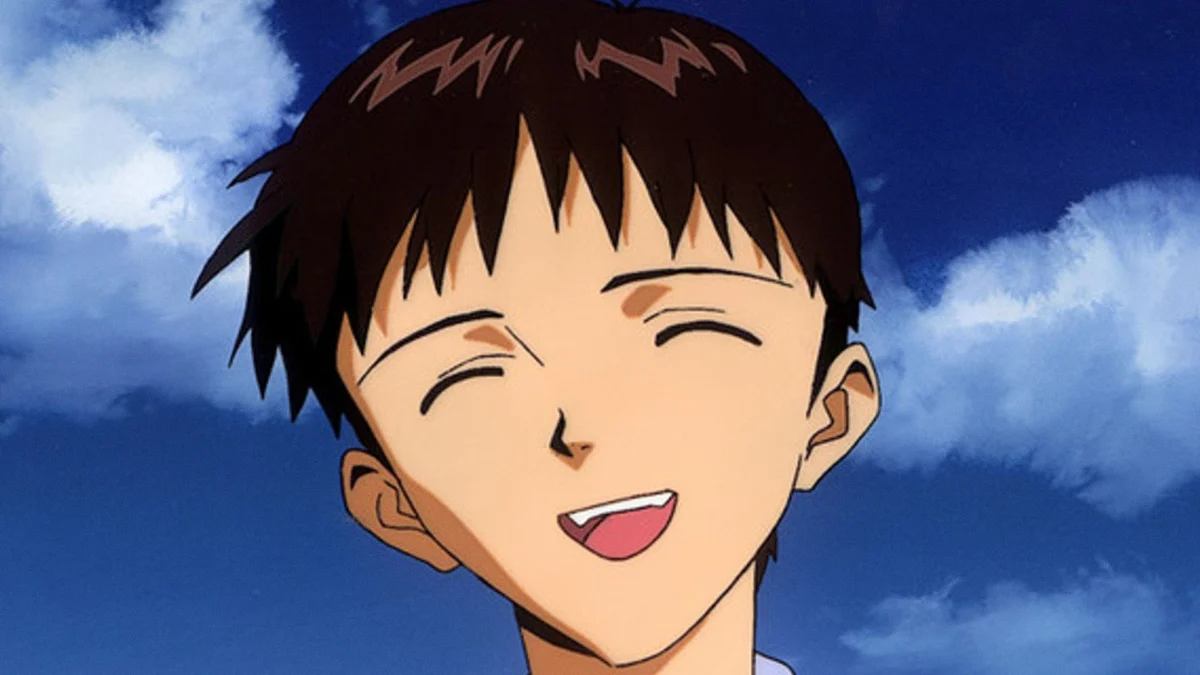
Anime, a medium celebrated for its boundless creativity and ability to push the limits of visual storytelling, occasionally finds itself at a precipice. While fans often praise the medium for its maturity and depth, there are moments when specific creative decisions, production failures, or thematic risks cross a threshold that transforms an episode from mere entertainment into a catalyst for global outrage. These instances often ignite intense debates regarding censorship, artistic integrity, and the responsibility of creators toward their audience.
From technical disasters that broke the hearts of fans to graphic depictions that tested the endurance of the viewer, these ten episodes represent the most controversial milestones in anime history.
The Chronology of Outrage
The history of controversial anime episodes is not merely a list of bad creative choices; it is a timeline of how the industry has grappled with its own evolution.
10. Goblin Slayer: Episode 1 (2018)
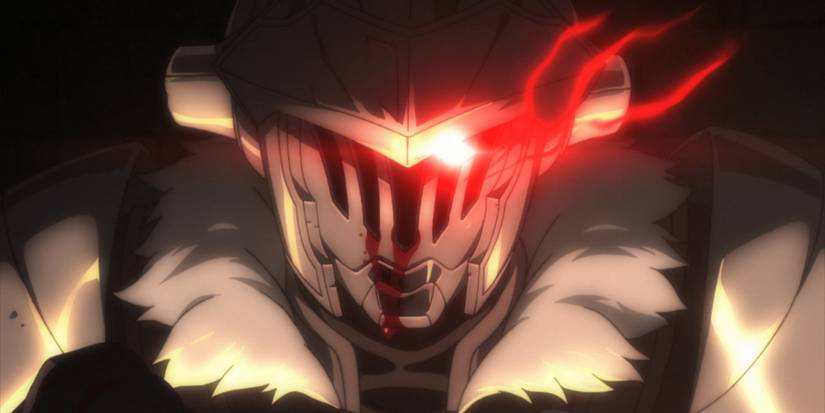
The premiere of Goblin Slayer remains one of the most polarizing introductions in modern anime. The episode begins with a seemingly standard "beginner’s quest" involving a party of naive adventurers. However, the narrative quickly descends into a brutal, graphic depiction of defeat. By choosing to show the harrowing reality of the party’s demise at the hands of the titular creatures, the series set a tone that alienated a significant portion of the viewership, sparking a massive conversation about whether such shock value is necessary for "dark fantasy" storytelling.

9. Mushoku Tensei: Season 2, Episode 23 (2024)
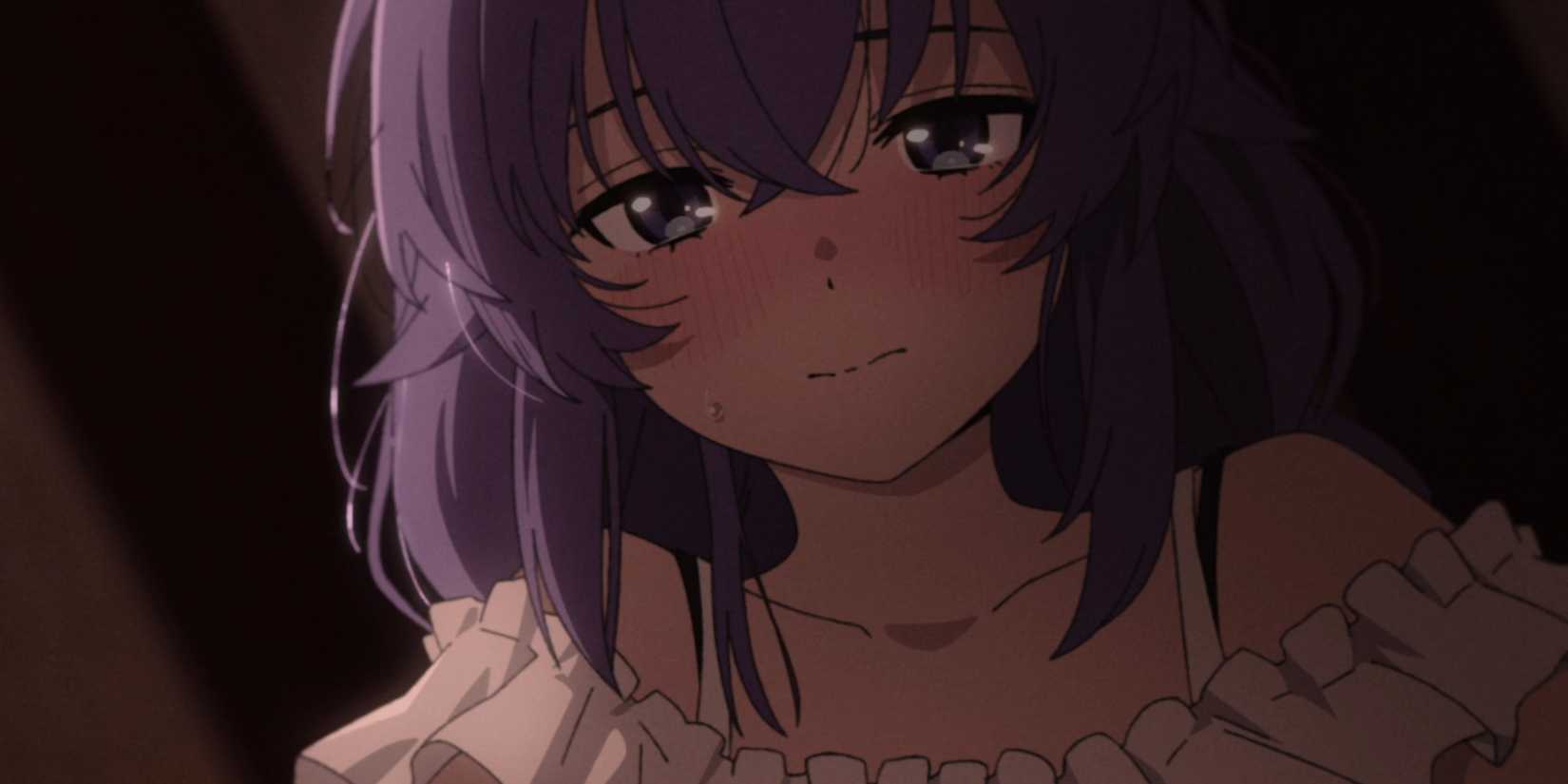
Mushoku Tensei has long been a lightning rod for criticism, but the twenty-third episode of the second season pushed fans to the brink. Following the trauma of losing his father and discovering his mother in a vegetative state, the protagonist, Rudeus, enters a state of profound grief. His subsequent romantic union with Roxy, while he is already in a committed relationship with the pregnant Sylphiette, felt to many viewers like a betrayal of character growth. The controversy stemmed not just from the moral implications, but from the perception that the narrative was "rewarding" the protagonist for behavior that felt exploitative.
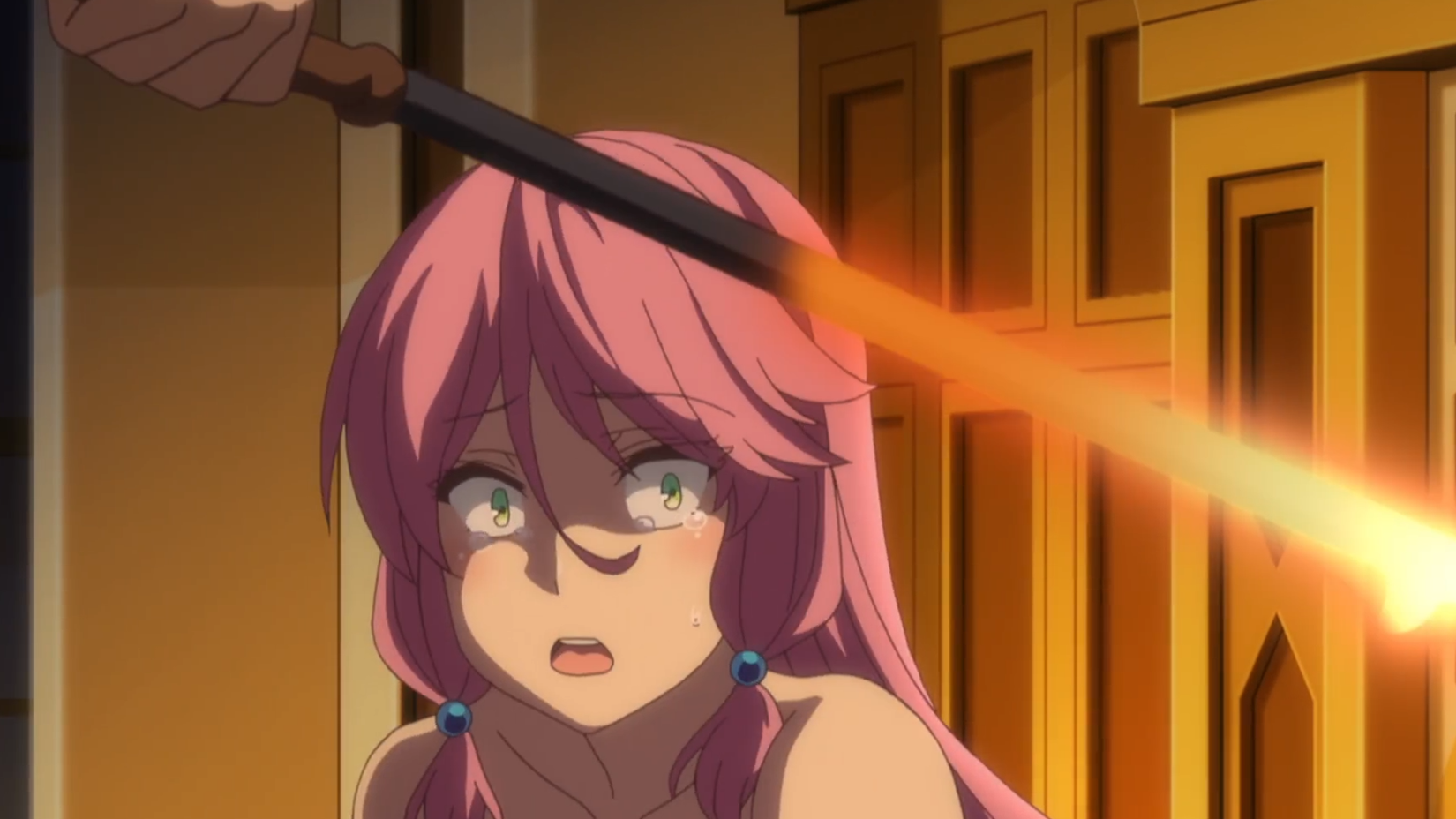
8. Redo of Healer: Episode 2 (2021)
Few shows have courted as much infamy as Redo of Healer. While the first episode established the protagonist’s desire for vengeance, the second episode executed that vengeance with a level of graphic cruelty that many deemed beyond the pale. By focusing on the systematic psychological and physical dismantling of Princess Flare, the series moved firmly out of the realm of traditional revenge fantasies and into a territory that challenged broadcast standards and viewer sensibilities worldwide.
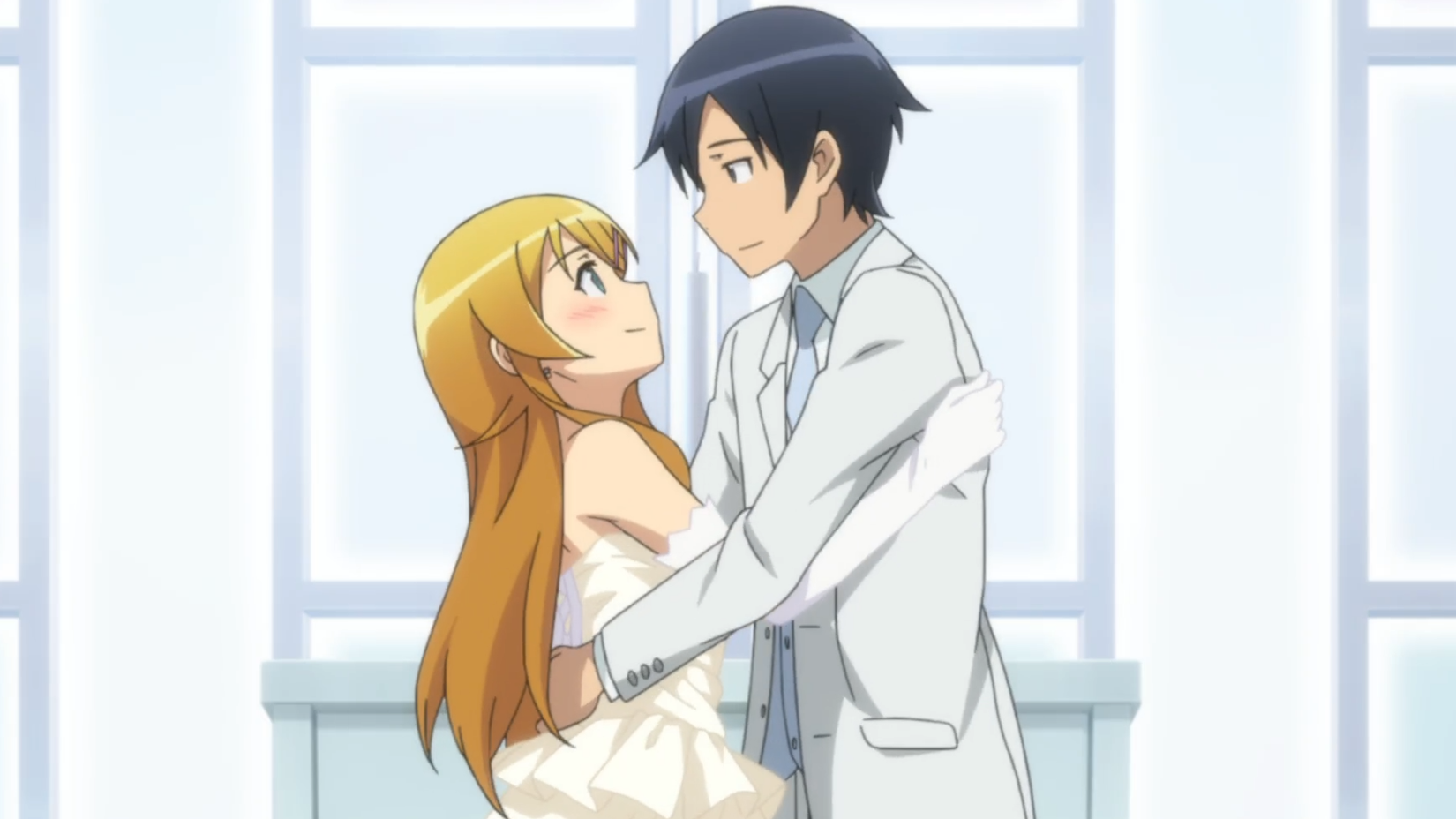
7. Oreimo: Season 2, Episode 16 (2013)
The finale of Oreimo is often cited as one of the most frustrating conclusions in anime history. After building an entire season around the complex, incestuous relationship between Kyousuke and Kirino, the finale devolved into a shouting match involving their childhood friend, Manami. The physical destruction of property and the hollow "fake wedding" resolution left fans feeling that the narrative had wasted their time, proving that even a lack of resolution can be as controversial as a dark one.
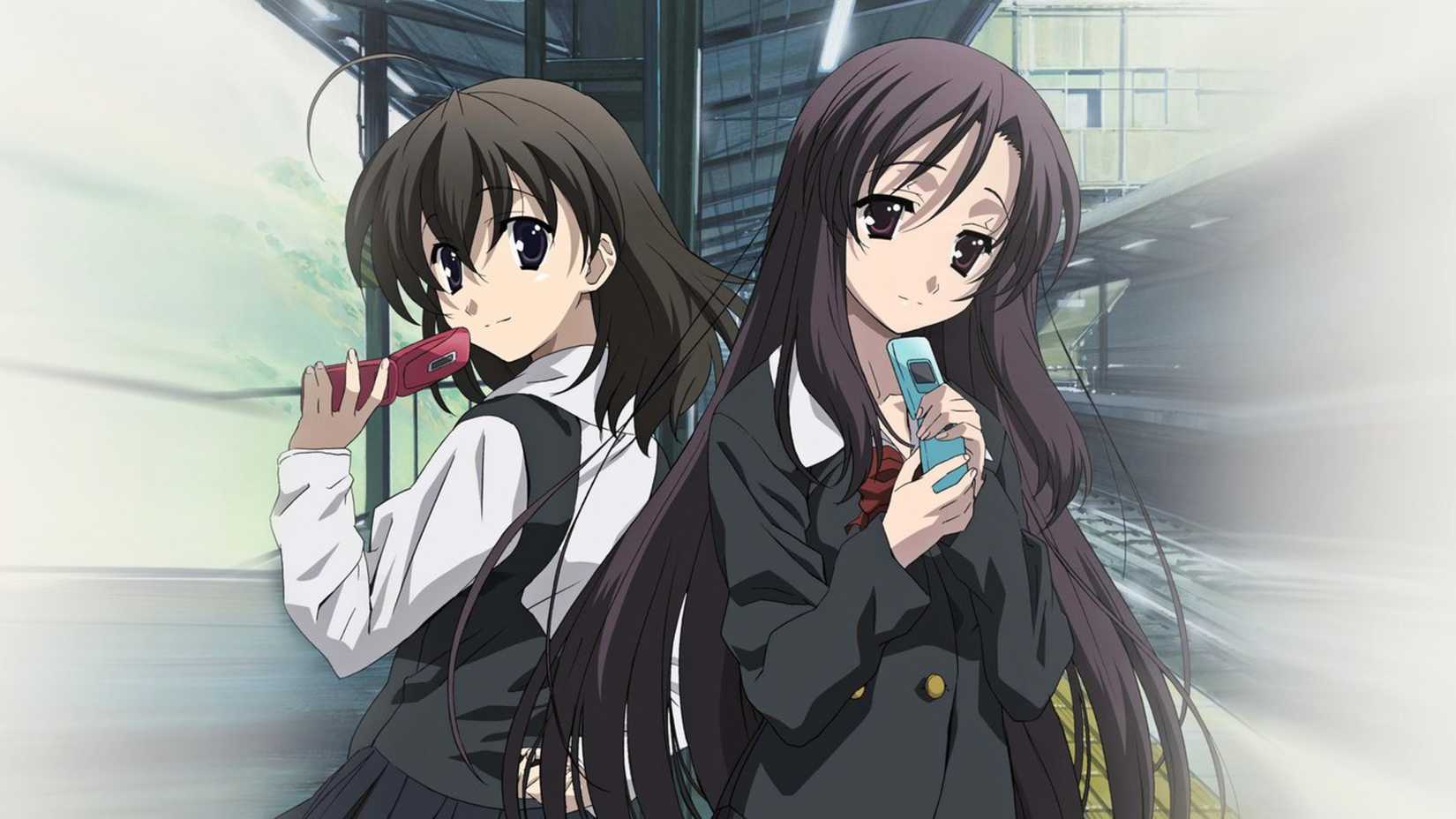
6. School Days: Episode 12 (2007)
School Days began as a typical harem romance but concluded with one of the most notorious "blood baths" in the medium. The final episode abandoned all pretense of romance, resulting in the gruesome deaths of the protagonist, Makoto, and his love interests. The final shot—Kotonoha holding the severed head of her lover—remains a defining image of "shock-value" anime, forever changing how fans perceive visual novel adaptations.
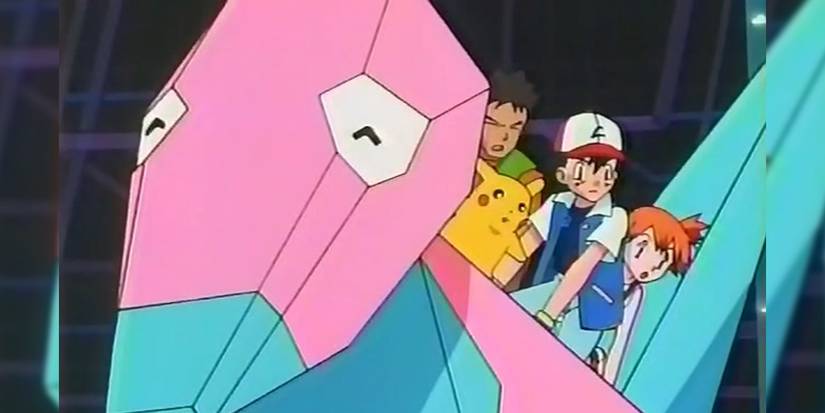
5. Pokémon: Season 1, Episode 38 (1997)
Known as the "Pokémon Shock," this episode of the original series remains the most medically significant controversy in anime history. During a scene involving a massive explosion, the animators used rapidly alternating red and blue flashes. This visual effect triggered photosensitive epileptic seizures in over 600 children across Japan. The incident led to a four-month hiatus for the show and remains a cautionary tale regarding the physical impact of animation techniques.
4. The Seven Deadly Sins: Season 3, Episode 12 (2020)
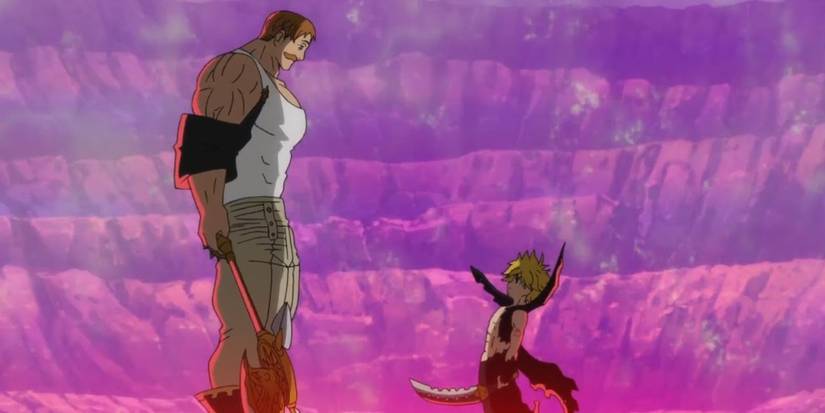
While most entries on this list are controversial due to narrative choices, The Seven Deadly Sins is here for a failure of execution. The highly anticipated battle between Meliodas and Escanor—the peak of the season—was rendered with such poor animation quality that it became an internet meme. Fans felt insulted by the slide-show quality of the production, leading many to abandon the franchise entirely.
3. Death Note: Episode 25 (2006)
The death of L is one of the most debated moments in the history of suspense anime. While the episode is technically masterful, many fans felt that the resolution of the "cat-and-mouse" game between Light and L was a disappointment. Rather than a triumph of intellect, L’s defeat was orchestrated through a third party (Rem). For a show built on the premise of genius rivalry, this felt like an anticlimactic shortcut to many.
2. The Melancholy of Haruhi Suzumiya: The "Endless Eight" (2009)
Kyoto Animation made a daring, if deeply unpopular, decision to air the "Endless Eight" arc over eight consecutive weeks. The premise involved the characters reliving the same summer vacation 15,532 times. Instead of summarizing the loops, the studio produced eight distinct, nearly identical episodes. While some critics praise the artistic commitment, the audience at the time viewed it as an endurance test, leading to a massive backlash.
1. Neon Genesis Evangelion: Episodes 25 & 26 (1996)
Perhaps the most famous controversy in history, the original finale of Evangelion left viewers stunned. Due to severe production constraints, the final two episodes abandoned the high-stakes plot for an abstract, internal psychological monologue. Decades later, it remains a subject of intense academic and fan analysis, proving that controversy can sometimes lead to an enduring legacy of "artistic genius."
Supporting Data and Production Realities
The common thread between these ten instances is a disconnect between creator intent and audience expectation. In cases like The Seven Deadly Sins or Neon Genesis Evangelion, production bottlenecks—such as budget cuts, time constraints, or studio transitions—directly influenced the final product.
For example, the "Endless Eight" arc was a result of a specific artistic vision that prioritized the feeling of monotony over the traditional pacing of a television show. Conversely, the Pokémon incident forced the entire industry to adopt new, stricter guidelines for lighting and color frequency, demonstrating that even a "cartoon" can have real-world consequences.
Official Responses and Industry Shifts
The industry’s response to these controversies has been varied.
- The Pokémon Company immediately pulled the episode from circulation and issued public apologies, leading to the "Pokémon Shock" regulations that are still enforced by TV networks today.
- Gainax, the studio behind Evangelion, eventually addressed the dissatisfaction with the original ending by producing The End of Evangelion—a feature film that provided a more literal, albeit equally chaotic, conclusion to the series.
- Streaming platforms have increasingly added content warnings for shows like Goblin Slayer and Redo of Healer, acknowledging that the graphic content requires a level of viewer discretion that wasn’t always clearly communicated in the past.
The Broader Implications
What do these controversies tell us about the state of anime? Primarily, they highlight the tension between the "niche" origins of anime and its current status as a global pop-culture juggernaut.
When a series like Mushoku Tensei airs, it is no longer being watched solely by a small group of enthusiasts in Japan; it is being consumed by millions of people across diverse cultural backgrounds. This global reach means that narratives which were once accepted as "edgy" or "standard" tropes in Japan are now subject to intense scrutiny regarding ethics, gender representation, and moral responsibility.
Furthermore, the "Endless Eight" experiment and the Death Note finale remind us that the audience’s investment in a show is a fragile contract. When that contract is broken—whether through a decline in animation quality, a shift in narrative focus, or an unsatisfying resolution—the audience’s loyalty can vanish overnight.
Ultimately, these episodes serve as vital markers in the history of animation. They force us to ask difficult questions: Should creators be allowed to experiment at the risk of alienating their core audience? Is there a line that art should never cross, even in a fictional setting? While there may never be a consensus on these answers, the ongoing debate ensures that anime remains a dynamic, evolving, and often contentious medium. As long as creators continue to push boundaries, the potential for both groundbreaking innovation and spectacular controversy will remain a fundamental part of the anime experience.











No comments yet. Be the first to join the conversation!