

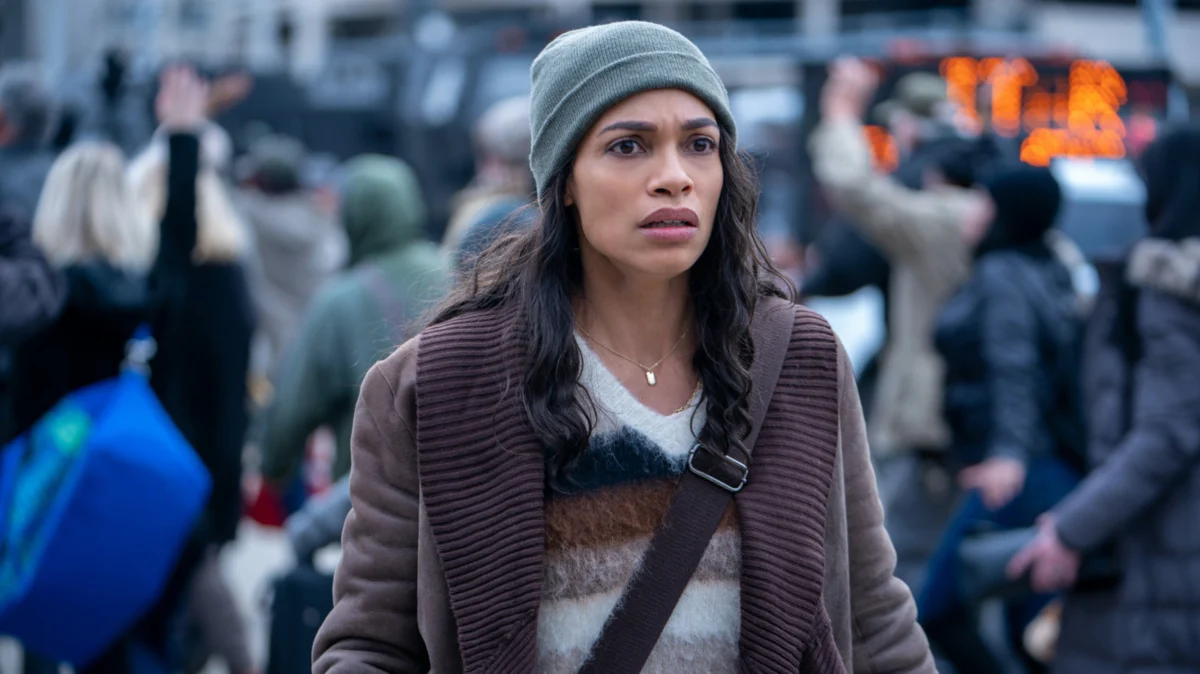
In the years following the global COVID-19 pandemic, television experienced a strange, somber renaissance. As audiences sat in self-imposed isolation, streamers flooded the market with bleak, post-apocalyptic narratives. From the haunting, Shakespearean echoes of Station Eleven to the surreal survivalism of Sweet Tooth and the gritty, political maneuvering of Y: The Last Man, the zeitgeist was dominated by worlds ravaged by catastrophe.
Yet, among these high-profile adaptations, one project stood out for both its pedigree and its ultimate failure to resonate: HBO Max’s DMZ. Based on the acclaimed Vertigo comic series by Brian Wood and Riccardo Burchielli, DMZ arrived in 2022 with immense potential. It promised a visceral, character-driven exploration of a second American Civil War, with Manhattan transformed into a brutal, isolated demilitarized zone. Instead, the miniseries became a cautionary tale about the perils of development hell, narrative compression, and the lingering, destructive shadow of a global pandemic.
The Genesis of the DMZ: From Vertigo Pages to HBO Max
To understand why DMZ felt like a missed opportunity, one must look at the source material. Debuting in 2005, the Vertigo comic was a biting, prescient piece of political fiction. It followed Matty Roth, an aspiring photojournalist who embeds himself in the "Free State of New York"—a Manhattan that has been cut off from the mainland and turned into a chaotic, lawless battleground between the U.S. government and the secessionist Free States Army.
The comic was celebrated for its grit, its exploration of urban warfare, and its ability to humanize the collateral damage of political polarization. When the adaptation was announced, fans expected a sprawling, multi-season epic that would capture the complex, multi-layered politics of Wood and Burchielli’s world. Roberto Patino, known for his work on Sons of Anarchy, was brought on to helm the project, with heavy-hitting directors like Ava DuVernay and Ernest Dickerson attached to lend the production a sense of gravity and visual prestige.
A Chronology of Compression: The Pandemic’s Fatal Blow
The downfall of DMZ was not a result of poor intent, but rather a perfect storm of logistical tragedy. According to lead star Rosario Dawson, who portrays the medic Alma "Zee" Ortega, the series was never intended to be the four-episode sprint that audiences eventually saw.
The Original Vision (Pre-2020)
In its original conception, DMZ was greenlit as a multi-year, multi-season television series. The writers had mapped out a slow-burn narrative that would allow for the gradual unveiling of the DMZ’s complex factions, the nuances of the civil war, and the slow transformation of the characters within the zone.
The Pandemic Pivot (2020–2021)
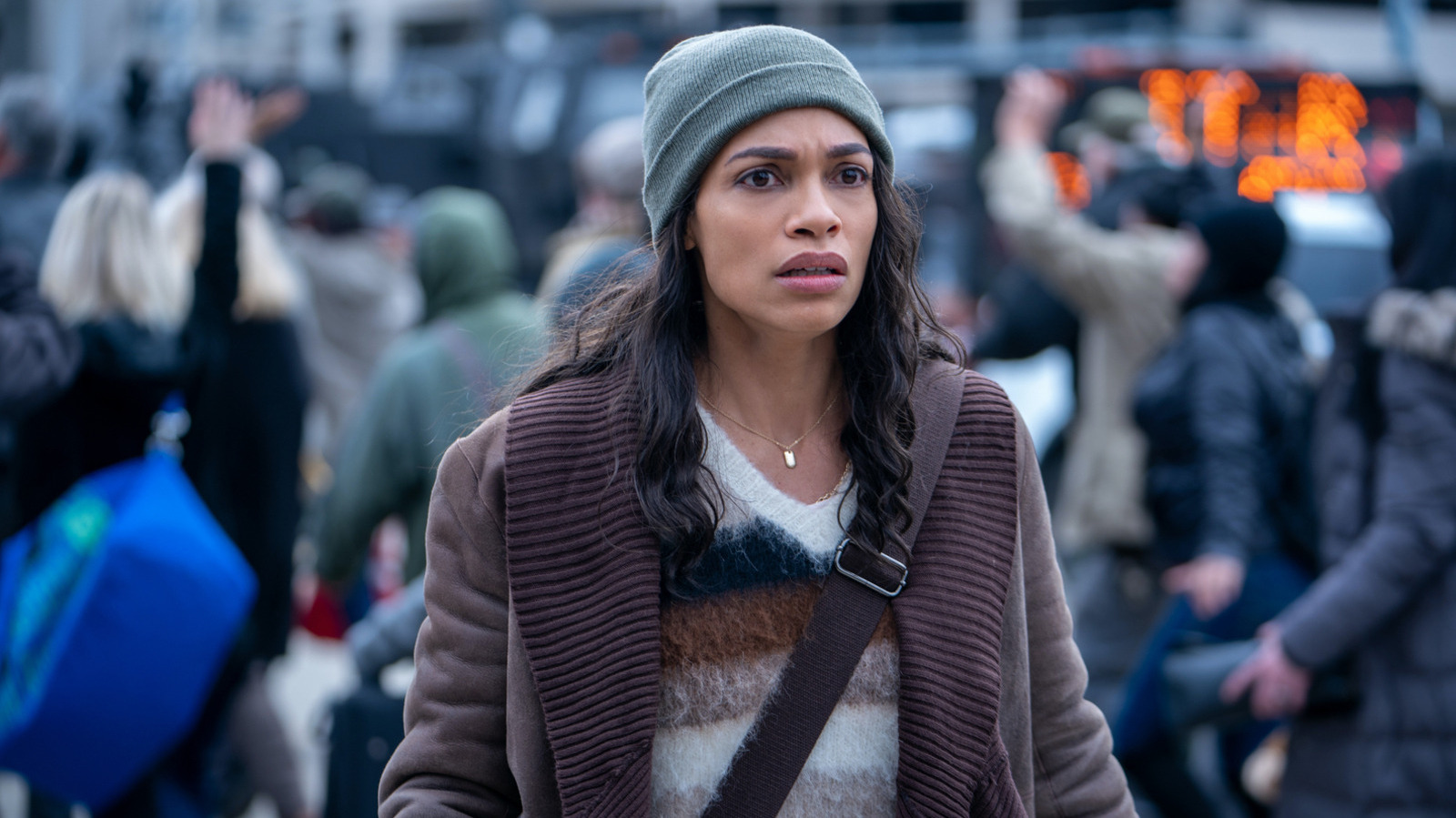
When the COVID-19 pandemic hit in early 2020, the entertainment industry ground to a halt. For DMZ, this meant more than just a production delay; it meant a fundamental restructuring. As health and safety protocols made large-scale, long-term production prohibitively expensive and logistically nightmarish, the decision was made to compress the entire intended arc into a four-episode miniseries.
The Release and Reception (2022)
When the series finally debuted in 2022, the transition was jarring. Characters who were supposed to have seasons to grow were forced to evolve in minutes. Plot points that required political context were reduced to shorthand dialogue. While some critics—including those at /Film—praised the show’s visual flair and the undeniable charisma of its leads, the general consensus was that the narrative felt hollow, rushed, and ultimately disappointing.
Supporting Data: Why the Narrative Stumbled
The shift from a multi-season series to a four-part miniseries created a "pressure cooker" effect that, rather than heightening the tension, simply burst the seams of the story.
Character Displacement
One of the most significant changes was the removal of the comic’s primary protagonist, Matty Roth. In his place, the show elevated Zee—a character who appeared in the comics as a medical student—to the center of the narrative. While Rosario Dawson’s performance was widely lauded as the show’s anchor, the shift in focus required a total rewrite of the series’ trajectory. Without the outsider perspective of a reporter, the audience was dropped into the middle of the conflict with very little context, leaving the show to rely on "info-dumping" through dialogue rather than organic storytelling.
The "Small World" Problem
The most glaring issue arising from the compression was the contrivance of the plot. In a sprawling comic book, it is believable that a medic might have history with local warlords. In a four-episode television show, the fact that the protagonist is intimately connected to both of the major antagonists (played by Benjamin Bratt and Hoon Lee) feels like a lazy narrative shortcut. Because the show lacked the breathing room to build the world, it had to rely on these convenient relationships to move the plot forward, rendering the world of the DMZ—supposedly a city of millions—feeling strangely like a small, claustrophobic stage play.
Official Responses and Creative Intent
Despite the critical shortcomings, the production team maintained a commitment to the show’s aesthetic vision. Ava DuVernay and Ernest Dickerson were instrumental in ensuring that DMZ did not fall into the "grey-and-brown" trap of modern post-apocalyptic media.
Ernest Dickerson, a veteran cinematographer and director, brought a vivid, street-level realism to the production. The color palette was bold, the cinematography was dynamic, and the action sequences carried the weight of a war film. In interviews following the release, the creative team expressed that they were doing their best to honor the source material under extreme duress. The goal was to maintain the spirit of the Vertigo comic—a story about hope, humanity, and the resilience of the marginalized—even if the structural integrity of the plot had been compromised by the necessity of the miniseries format.
The Broader Implications for Comic Adaptations
The failure of DMZ to live up to its potential serves as a case study for the risks inherent in adapting dense, long-form graphic novels into limited television events.
The Danger of "Miniseries-ification"
There is a current trend in the industry to turn everything into a "limited series" or a "miniseries," often to satisfy the needs of streamers who want self-contained packages. However, DMZ proves that not every story is a miniseries. By forcing a premise that required a sprawling canvas into a narrow window, HBO Max inadvertently sabotaged the show’s ability to build the very stakes that make post-apocalyptic fiction compelling.
The "Too Real" Factor
Finally, there is the question of timing. Audiences in 2022 were arguably "apocalypse-fatigued." After living through a global pandemic, the sight of civil unrest, broken governments, and urban decay in DMZ hit closer to home than many viewers were prepared for. Unlike Sweet Tooth, which utilized fantasy elements to distance itself from reality, DMZ felt like a bleak, hyper-realistic reflection of the nightly news. In a landscape where the real world was already feeling dystopian, a show that hammered home the fragility of democracy struggled to find an audience looking for escapism.
Conclusion: A Lost Opportunity
Ultimately, DMZ will be remembered as a "what if" project. It had the right talent, the right source material, and the right visual language to become a definitive piece of prestige television. Instead, it serves as a reminder that television is a medium of momentum. When that momentum is stalled by external forces like a pandemic, even the most promising stories can struggle to regain their footing.
While the miniseries remains a watchable entry in the genre—anchored by the undeniable talent of Rosario Dawson and the directorial vision of DuVernay and Dickerson—it stands as a poignant reminder that in the world of television, time is just as important as talent. For fans of the original Vertigo comic, DMZ remains a fascinating, if flawed, relic of a time when the world was changing faster than the stories trying to depict it.










