

As Japan continues to enjoy an unprecedented surge in inbound tourism, the economic landscape of the country is undergoing a profound transformation. While the weakening yen has turned Japan into an exceptionally attractive destination for international travelers, this influx has created a lopsided economic reality. Major metropolitan hubs are struggling under the weight of "overtourism," while rural areas remain overlooked. In a strategic move to address this imbalance, Fukuoka Prefecture has officially launched the "Go! Fukuoka" program, offering significant financial incentives to international tourists who choose to explore beyond the prefecture’s primary urban centers.
The Core Facts: A Financial Incentive for Exploration
Effective as of July 7, the "Go! Fukuoka" program is a government-sponsored initiative designed to stimulate the regional economy by incentivizing stays in lesser-known parts of the prefecture. International visitors who book overnight accommodations in participating areas outside of Fukuoka City and Kitakyushu are eligible for a discount of 3,000 yen (approximately US$18.50) per person, per night.
The structure of the incentive is remarkably generous for frequent travelers. Because the discount applies per night rather than per booking, a two-person party staying for three nights in a rural or suburban Fukuoka town can effectively save 18,000 yen. For many travelers, this rebate could offset the cost of local transit, entry fees to cultural sites, or even a portion of their dining expenses.
The program is currently being integrated into major global booking platforms. As of this month, travelers can access these discounts via Agoda. Integration with Trip.com is scheduled for July 15, with Expedia expected to follow suit before the end of July. The program is slated to run through February 28, 2026, with a total budget of 231 million yen allocated to fund these discounts.
A Chronology of the Initiative
The development of the "Go! Fukuoka" program did not occur in a vacuum; it is the culmination of months of data analysis and regional planning by the Fukuoka Prefectural Government.
- Early 2026: Prefectural officials identify a stark disparity in tourism distribution. Internal statistics reveal that a staggering 82 percent of international overnight stays in the prefecture are concentrated in Fukuoka City, with another 9 percent occurring in Kitakyushu.
- April 2026: Discussions begin regarding the "Go! Fukuoka" initiative, with a primary goal of spreading the economic benefits of tourism to under-visited towns and villages.
- June 2026: Finalization of the budget and negotiation with international online travel agencies (OTAs) to ensure seamless application of the discounts at the point of sale.
- July 7, 2026: The program officially goes live on Agoda, marking the start of the incentive period.
- July 15, 2026: Expected rollout on Trip.com.
- Late July 2026: Anticipated rollout on Expedia.
- February 28, 2027: Current program expiration date.
Supporting Data: Why Dispersion is Essential
To understand the necessity of the "Go! Fukuoka" program, one must examine the current state of Japanese tourism. The "Golden Route"—Tokyo, Kyoto, and Osaka—has become so saturated that many local municipalities have begun discussing the implementation of "tourist taxes" or restricted access to residential neighborhoods.
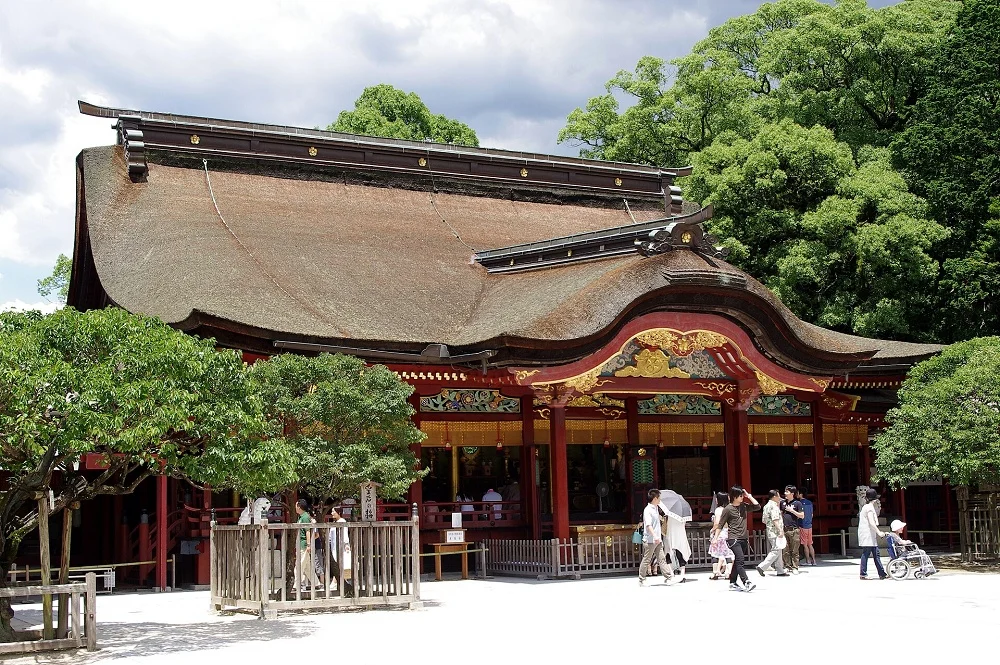
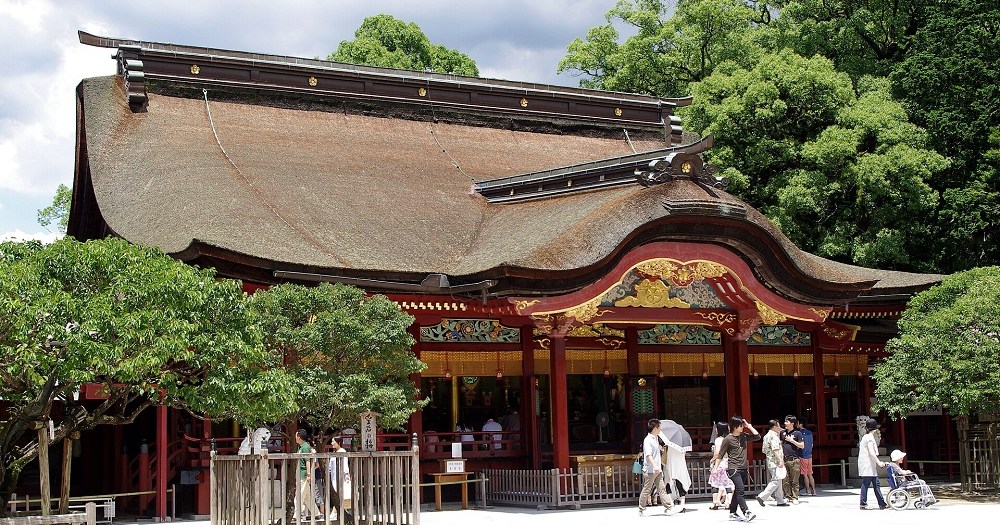
In Fukuoka Prefecture, the concentration of visitors in the two largest cities leaves smaller, historically and culturally rich areas, such as the town of Dazaifu or the rural districts of Tachiarai, with a fraction of the potential economic windfall. By encouraging travelers to stay in these quieter regions, the prefectural government hopes to achieve a dual objective: relieving the strain on the infrastructure of major cities while providing a more authentic, less congested experience for the traveler.
Furthermore, the prefecture has identified a target demographic gap. While travelers from neighboring Asian countries are highly familiar with Fukuoka’s urban offerings, visitors from North America, Australia, and Europe often lack awareness of the prefecture’s breadth. This program serves as a marketing tool to encourage these Western travelers to look beyond the "Golden Route" and consider Kyushu as a primary destination.
The Socio-Economic Implications
The introduction of "Go! Fukuoka" has not been met with universal acclaim. There is a palpable undercurrent of frustration among the Japanese public regarding the current tourism boom.
The Local Perspective
For many Japanese residents, the weak yen has been a double-edged sword. While it has spurred economic activity, it has also driven up the cost of imported consumer goods and services. When hotel rates in Japan surge due to high international demand, local residents find themselves priced out of their own domestic travel options.
Critics of the program argue that by subsidizing foreign stays, the government is inadvertently fueling the very inflation that makes travel difficult for locals. There is a genuine fear that if tourism is successfully "dispersed" to smaller towns, those quiet, affordable gems will inevitably follow the path of Kyoto, suffering from overtourism, inflated prices, and a decline in the quality of life for residents.
Balancing Act: Tourism vs. Resident Wellbeing
The prefecture finds itself in a delicate balancing act. On one hand, the government has a mandate to grow the regional economy and leverage the current tourism trend to sustain local businesses. On the other hand, it must account for the social friction caused by the perceived prioritization of foreign visitors.
Urban planners argue that if managed correctly, this dispersion could actually protect the culture of these smaller towns. By spreading the volume of visitors across a wider geographic area, no single town becomes a "theme park" destination. Instead, the foot traffic remains at a manageable level, allowing for sustainable growth rather than the rapid, destructive expansion seen in other parts of Japan.
Official Responses and Strategic Goals
The Fukuoka Prefectural Government has defended the program as a necessary adaptation to global travel trends. Official statements emphasize that the program is not merely about increasing visitor numbers, but about increasing the value of the tourism experience.
By pushing tourists toward areas like Dazaifu, the prefecture hopes to foster deeper cultural engagement. A tourist spending the night in a smaller town is more likely to interact with local shopkeepers, eat at neighborhood restaurants, and participate in regional traditions compared to a tourist who spends their entire trip in a high-density, internationalized urban center.
Moreover, the prefecture views the program as a long-term investment. By introducing Western travelers to the lesser-known regions of Fukuoka now, they are building a loyal base of repeat visitors who will bypass the overcrowded tourist traps of central Japan in favor of the more tranquil, authentic experiences found in the Kyushu countryside.
Implications for the Future of Japanese Tourism
The "Go! Fukuoka" program acts as a microcosm for the broader challenges facing Japan. As the country moves toward a future where international tourism is a permanent fixture of its economy, the central and local governments must find ways to balance the immediate need for revenue with the long-term need for social cohesion.
If the "Go! Fukuoka" initiative succeeds, it could serve as a template for other prefectures struggling with the same issues of overtourism. By utilizing targeted financial incentives, governments can exert a level of "soft control" over the flow of visitors, gently nudging them away from hotspots and into areas that are actively seeking, and capable of handling, higher tourism numbers.
However, the success of this model depends on infrastructure. It is not enough to send tourists to rural areas; those areas must have the capacity to host them, from reliable public transportation to English-language support and modern hospitality services. The next several months will be a crucial test for Fukuoka: can it effectively manage the shift in traveler behavior, or will the unintended consequences of increased demand outweigh the economic benefits?
For the adventurous traveler, however, the choice is clear. By participating in the "Go! Fukuoka" program, visitors can enjoy a significant discount while contributing to a more sustainable, equitable, and diverse tourism ecosystem in Japan. It is an opportunity to see a side of the country that many overlook—a chance to walk through ancient shrines, visit quiet rural temples, and experience the warmth of local hospitality, all while keeping their travel budget firmly under control.
As the program continues through the winter of 2027, the international community will be watching closely to see if this experiment in "managed tourism" can truly harmonize the needs of the visitor with the rights of the resident. For now, it remains one of the most proactive, tangible solutions to the complex puzzle of 21st-century travel in Japan.











