Nana Wu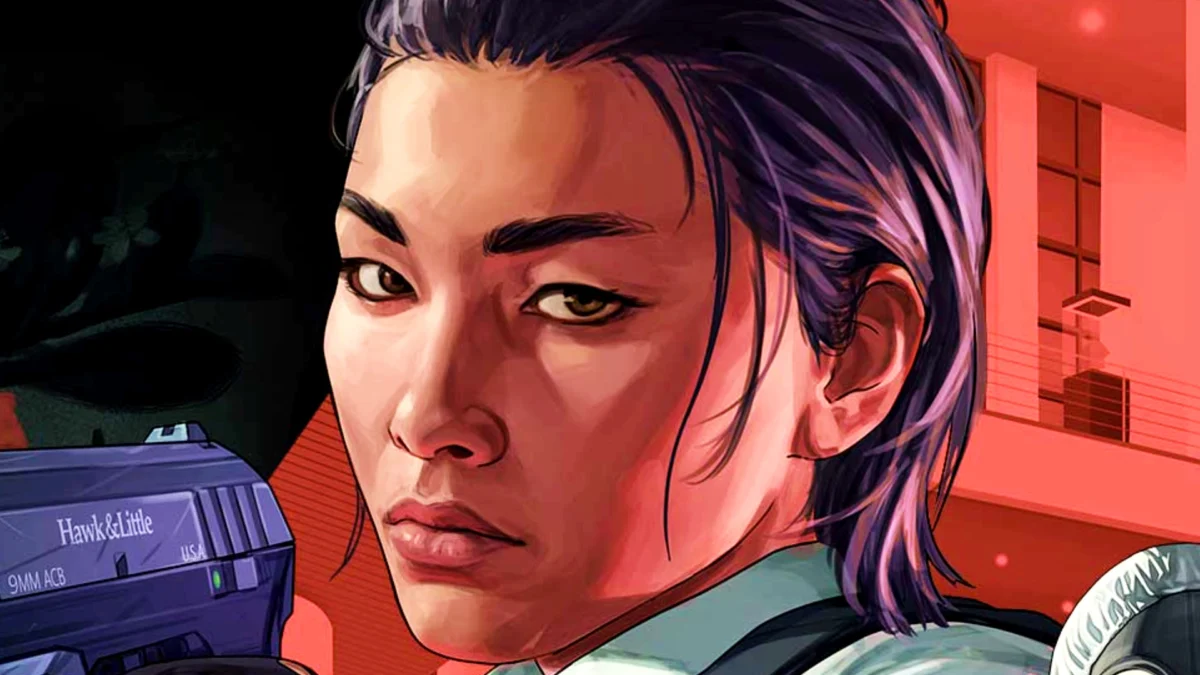
As the gaming industry turns its collective gaze toward the looming shadow of Grand Theft Auto 6, Rockstar Games has delivered a surprising, late-cycle curveball to the long-standing GTA Online community. With the announcement of "The Kortz Center Heist," scheduled to arrive on July 14, 2026, the developer is proving that the aging multiplayer titan still has some life left in its engine. Yet, beneath the veneer of new missions and high-stakes art theft lies a growing sense of uncertainty regarding the franchise’s future and the status of the long-awaited sequel’s multiplayer component.
The Kortz Center Heist: A Shift Toward Stealth
The premise of the new expansion is a departure from the "loud and proud" approach that has characterized much of GTA Online’s recent history. Departing from the high-octane vehicular combat and heavy-caliber shootouts of previous updates, the Kortz Center Heist demands a refined touch.
Players are tasked by the sinister banker Mr. Faber and his fixer-in-chief, Raf De Angelis, with infiltrating the titular museum. The core gameplay loop involves meticulous reconnaissance: players must stake out the location, track patrol routes, monitor camera feeds, and identify primary and secondary art targets. The financial rewards are explicitly tied to discretion; Rockstar has confirmed that the market value of the stolen goods drops significantly if the art is known to be "hot." Consequently, the mechanic of replacing original masterpieces with high-quality forgeries—manufactured in a player-owned Art Studio—is central to maximizing the payout.
This mechanical pivot suggests a desire from the development team to test new systems that emphasize player agency, observation, and methodical planning. By shifting the focus from twitch reflexes to tactical patience, Rockstar may be gauging how a more "stealth-oriented" gameplay loop resonates with a community that has spent over a decade perfecting the art of the chaos-fueled firefight.

Chronology of a Multiplayer Titan
To understand why the Kortz Center Heist feels like such a pivotal moment, one must look back at the trajectory of GTA Online.
- 2013-2015: The foundational years. Players learned the ropes through simple contact missions and the first rudimentary heists, establishing the social structures that would define the game for years.
- 2020: The Cayo Perico Heist marked a turning point. It introduced a massive, standalone island and, crucially, allowed for solo completion of a major heist. It set the gold standard for what a GTA expansion could be.
- 2024: The Cluckin’ Bell Farm Raid offered a smaller, more narrative-focused experience. It felt like a low-effort, high-charm epilogue, leading many analysts to believe that Rockstar had effectively moved their primary development resources toward the GTA 6 pipeline.
- 2026: The announcement of the Kortz Center Heist arrives at a time when the community had largely accepted the "winding down" of major content updates. Its emergence has triggered a fresh debate: is this a final, polished send-off, or the start of a renewed commitment to the current game while GTA 6 experiences internal delays?
Supporting Data: Why This Matters for GTA 6
The silence regarding the multiplayer component of GTA 6—specifically the PC port and the nature of its online ecosystem—remains the most significant variable in the gaming world. Rockstar’s official communications have been laser-focused on the single-player narrative experience for the sequel’s launch.
If we examine the "Kortz Center" update as a testing ground, several patterns emerge. The promised "unique level of replayability," characterized by shifting objectives and randomized secondary targets, mirrors the modular design philosophy often associated with next-generation open-world titles. By introducing these features in the familiar, stable environment of GTA 5, Rockstar can collect telemetry data on player behavior, identifying which stealth mechanics are engaging and which become tedious.
Furthermore, the longevity of GTA Online is an anomaly in the industry. Most games see a precipitous drop in engagement after five years; GTA Online has maintained a massive, active player base for thirteen. The "sunk cost" for players—who have invested thousands of hours and, in many cases, significant real-world currency into their digital empires—creates a complex transition problem for Rockstar. Moving these players to a new platform without alienating them is perhaps the studio’s most difficult task for the remainder of the decade.

Official Responses and Developer Strategy
Rockstar Games has maintained a typically guarded posture regarding the long-term future of the platform. However, the Newswire entry for the Kortz Center update provides some insight into their design philosophy. By labeling the update "The Next Big Score," the studio avoids the language of a "final update."
Industry insiders suggest that this branding is intentional. Rockstar is balancing two competing priorities:
- Retention: Keeping the massive user base of GTA 5 engaged to ensure revenue stability while GTA 6 finalizes its development cycle.
- Experimentation: Using the established game as a sandbox to iterate on AI pathing, stealth detection, and mission variety, all of which will inevitably inform the architecture of the GTA 6 multiplayer suite.
The studio has incentivized player participation through aggressive pre-launch bonuses—a standard tactic to spike player counts before a major drop. By offering $500,000 in-game for logging in and $1,000,000 for completing a heist before the launch date, Rockstar is clearly prioritizing a high-concurrency launch day for the Kortz Center mission.
Implications: The Looming Reckoning
As we approach the July 14, 2026, launch date, the implications of the Kortz Center Heist extend far beyond the mission itself. We are witnessing the maturation of a game that has outlived its own hardware generation twice over.

The Question of Portability
The most pressing question remains: what happens to the character progression, the properties, and the wealth of the millions of players currently residing in Los Santos? If GTA 6 represents a total reboot, the social fallout could be significant. If, however, Rockstar is testing features that allow for a transition or a "legacy integration" of these assets, the Kortz Center Heist may be the bridge between the old world and the new.
The Evolution of Heist Design
The shift toward stealth-heavy, multi-stage planning suggests that the next iteration of the GTA franchise may prioritize a more sophisticated, "Immersive Sim" approach to crime. If the Kortz Center Heist succeeds in keeping players engaged without the crutch of constant gunfights, it will validate a design shift that could define the next decade of Rockstar titles.
Final Thoughts
Whether this is the last hurrah for the Los Santos era or the beginning of a "second wave" of support remains to be seen. What is certain is that Rockstar is not yet ready to abandon the platform that changed the industry. As players gather their crews to stake out the Kortz Center, they are doing more than just chasing a high payout; they are participating in a living experiment.
The heist begins in a matter of days. For those who have called Los Santos home for over a decade, it is an opportunity to prove that even in a world looking toward the future, the past still holds plenty of excitement. As for the future, the answers may be hidden within the museum’s walls, waiting for those clever enough to look past the surface and steal the truth.


 Asep Darmawan
 Iffa Jayyana