Nana Muazin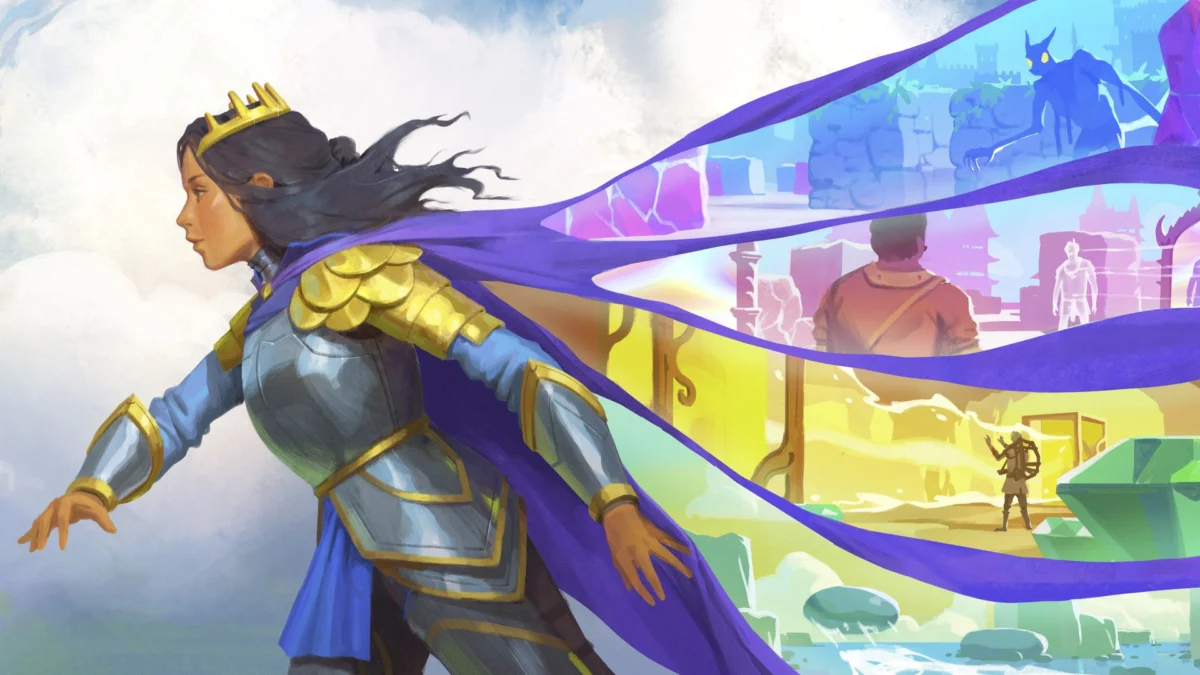
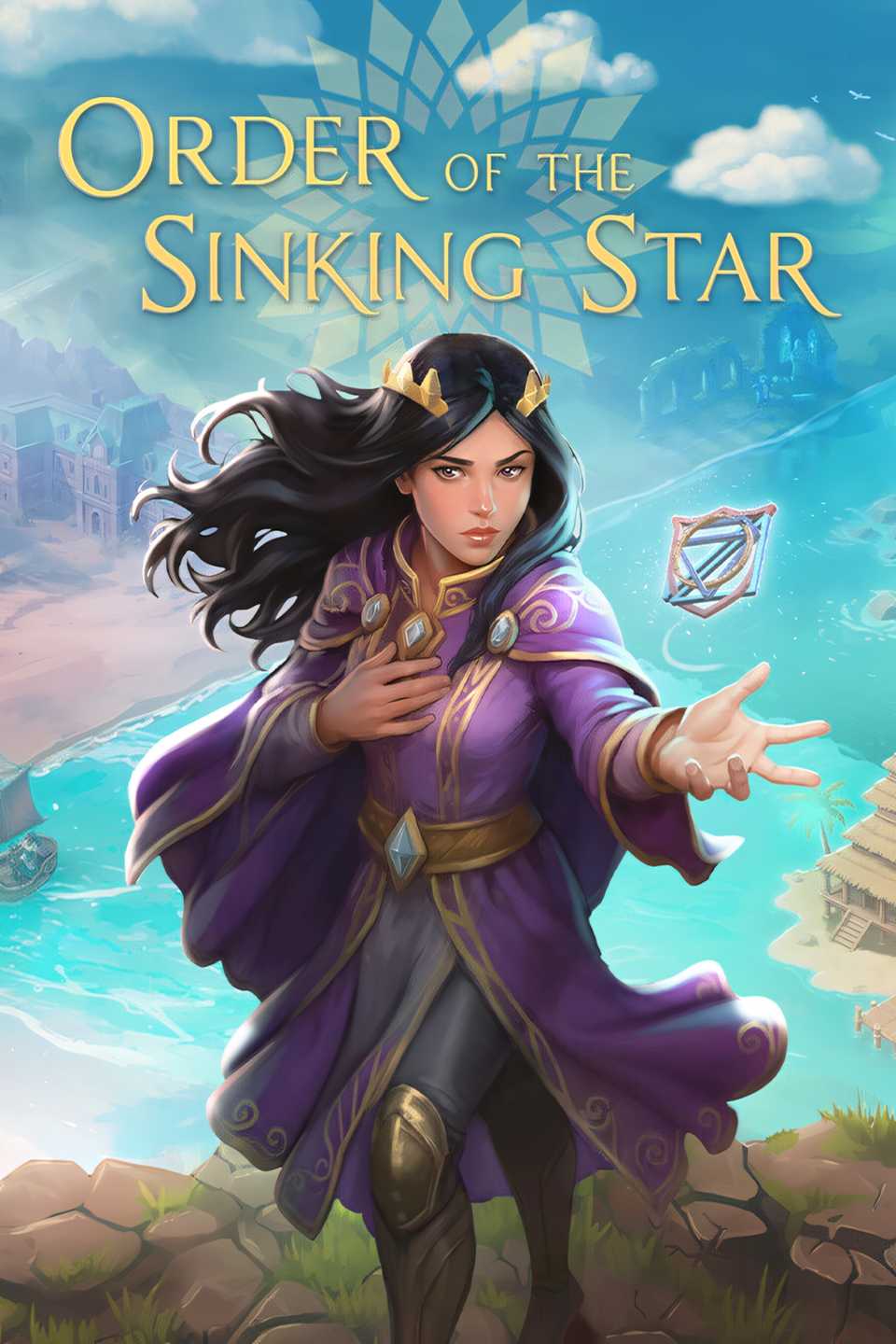
After more than a decade of relative silence, legendary game designer Jonathan Blow—the visionary mind behind the industry-altering titles Braid and The Witness—has finally broken his hiatus. At this year’s Summer Game Fest, Thekla, Inc. unveiled Order of the Sinking Star, a title that signals a bold evolution for the studio. While the title itself may strike some as abstract or verbose, the gameplay mechanics on display suggest a project that is as intellectually rigorous as it is artistically ambitious.
The Long Road to Return: A Chronology of Anticipation
To understand the gravity of Order of the Sinking Star, one must look at the timeline of Jonathan Blow’s career. His debut, Braid (2008), is widely credited with catalyzing the indie game revolution, proving that small-scale development could yield high-concept, critically acclaimed masterpieces. Following that success, he spent seven years meticulously crafting The Witness (2016), an open-world exploration of perspective and logic that became a benchmark for environmental storytelling.
Since 2016, Thekla, Inc. has remained largely quiet regarding new releases, save for the recent Braid: Anniversary Edition. The industry had begun to wonder if Blow had retired or if he was working on something too massive to contain. Order of the Sinking Star is the answer to those years of speculation. By returning to the puzzle-adventure genre, Blow is not merely iterating on past successes; he is attempting to synthesize the lessons of the last decade into a cohesive, supernatural experience that challenges the very boundaries of player interaction.
Core Mechanics and Character Variety
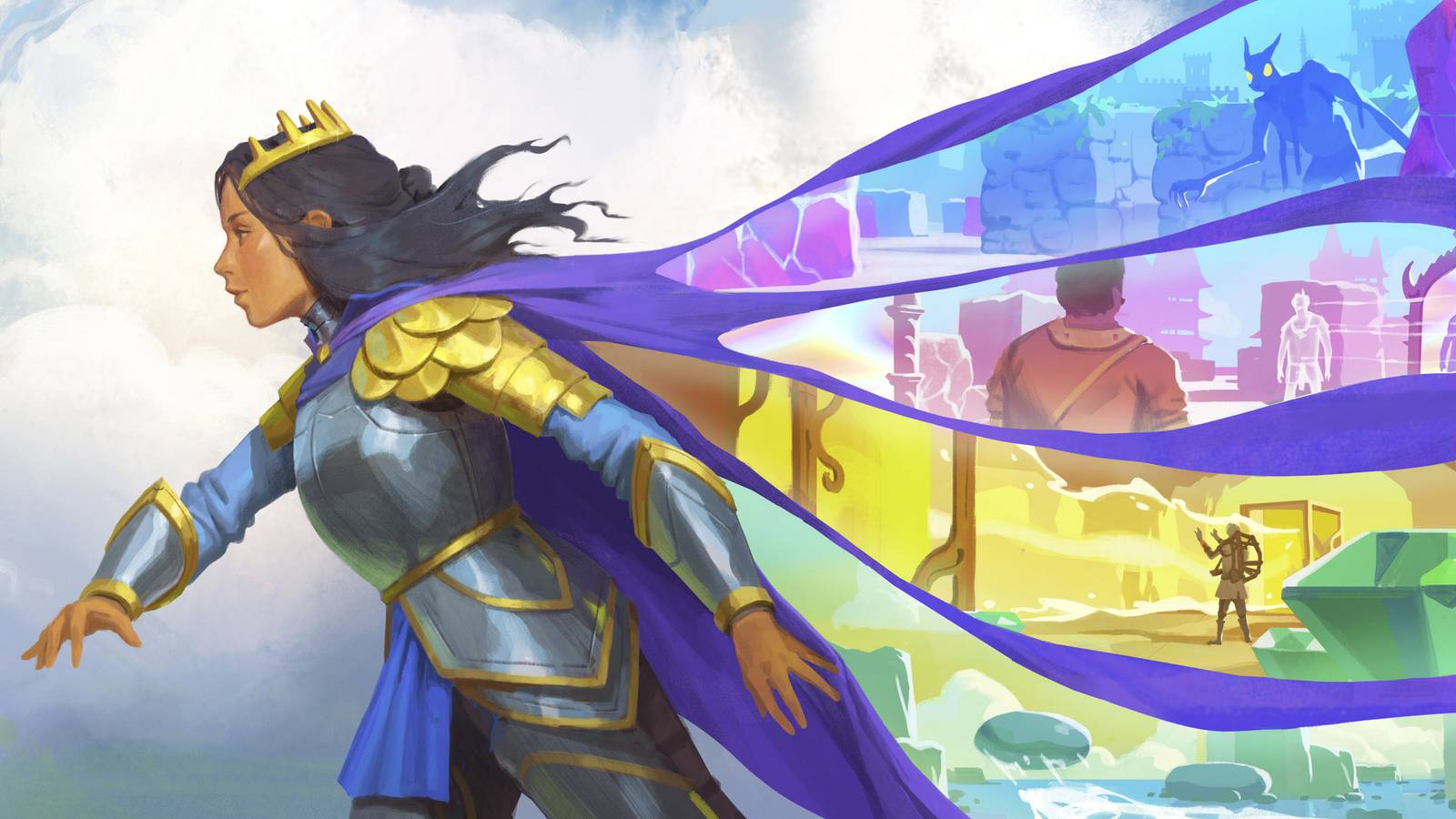
At the heart of Order of the Sinking Star lies a sophisticated approach to character-based puzzle solving. Unlike the solitary, introspective journey of The Witness, this new title introduces a rotating cast of protagonists, each possessing distinct traits and mechanical capabilities.
During our hands-on session, the divergence in gameplay styles was immediately apparent. The initial character we controlled possessed a straightforward, strength-based utility—the ability to shift heavy objects—which served as an introduction to the game’s tactile physics. However, the complexity ramped up significantly with the introduction of a more advanced character capable of manipulating reality through a gem-based system. This character could destroy, move, teleport, and entirely restructure sections of the environment.
This level of agency creates a "recursive" puzzle design where backtracking is not a chore, but a core component of the exploration. Players will find themselves revisiting earlier biomes with new abilities, unlocking shortcuts, and discovering that the world is far more interconnected than it first appears. The game encourages a state of "productive lostness," where the challenge of navigating these loops provides a deep sense of gratification upon successful resolution.

Environmental Design: An Interconnected World
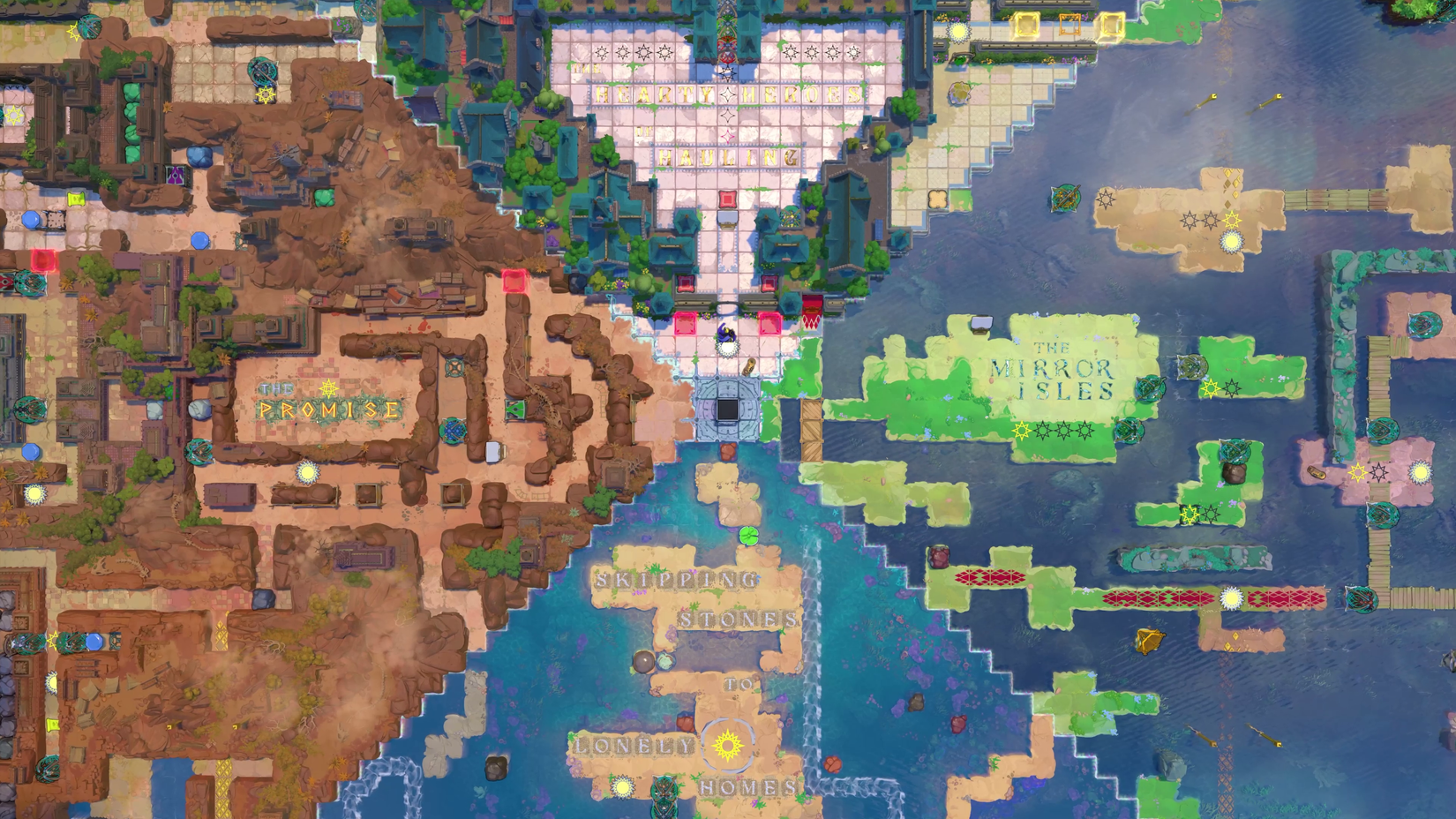
The world-building in Order of the Sinking Star moves away from the singular island setting of previous works. Players are thrust into a sprawling overworld characterized by diverse biomes, ranging from lush, open-air vistas to claustrophobic, subterranean labyrinths.
A standout feature is the game’s commitment to emergent physics. In one encounter, we were tasked with skipping stones across a pond to form a bridge. This required an acute understanding of angle, velocity, and the influence of stream currents. It is a testament to Blow’s design philosophy that such a "simple" task can be elevated into a complex spatial puzzle.
Furthermore, the game experiments with perspective and spatial awareness through the use of mirrors. By teleporting a character’s reflection, players must coordinate between two distinct realities, swapping control to manipulate objects that are physically blocked in one plane but accessible in another. This "rewiring" of the brain—forcing the player to think in reverse or through reflected logic—is a hallmark of the title’s intellectual depth.
Technical Precision: The Tile-Based Foundation
Despite the supernatural aesthetic, the game is built upon a foundation of strict, tile-based movement. By restricting movement to cardinal positions, Thekla, Inc. ensures that the challenge remains squarely on the player’s ability to solve the puzzle, rather than their ability to manipulate a 3D character controller with twitch reflexes. This choice emphasizes precision and foresight.
To mitigate the frustration inherent in such complex, strict puzzle logic, the developers have introduced a comprehensive rewind feature. This is not merely a "do-over" button; it is a diagnostic tool that allows players to dissect their own logic errors. Whether resetting a single move or an entire segment, the system empowers the player to iterate on their solutions without the penalty of artificial "game over" states. It is a design choice that respects the player’s time while maintaining the high difficulty ceiling for which Blow is known.
Implications for the Industry
The announcement of Order of the Sinking Star comes at a pivotal time for the puzzle genre. As titles increasingly lean into cinematic action, the return of a design-first, logic-heavy game from an industry veteran like Blow serves as a reminder of the medium’s unique capacity for intellectual stimulation.
The game is slated for release later this year, with confirmed platforms including PC and the Nintendo Switch 2. This multi-platform approach, particularly the inclusion of the next-generation Nintendo hardware, suggests that the game is optimized for both portable and docked play, likely benefiting from the precise, tactile nature of Nintendo’s controllers.
A Master at Work: What We Can Expect
From our time with the demo, it is clear that Order of the Sinking Star is a refinement of everything that made Blow’s previous work iconic. The seamless blend of environmental storytelling with rigorous, rule-based puzzle mechanics is a rare feat. It is a game that does not just ask the player to solve a puzzle; it asks the player to learn a language, internalize its grammar, and then use that knowledge to dismantle the barriers the developers have placed in their path.
As the industry waits for the final release, the discourse surrounding the game will likely focus on the balance between its supernatural themes and its rigid, logical internal structure. If the demo is any indication, Order of the Sinking Star is poised to be another landmark title that will be analyzed, debated, and admired for years to come.
Final Thoughts
Jonathan Blow has spent the last decade refining his craft, and Order of the Sinking Star feels like the culmination of that quiet period of reflection. By embracing character-specific abilities and an interconnected, multi-biome world, Thekla, Inc. is pushing the puzzle genre into new, uncharted territory.
While we only experienced a small fraction of the final product, the "oddly addicting" nature of the puzzles left a lasting impression. It is the kind of game that occupies your thoughts long after you have stepped away from the screen—a sign that, once again, Jonathan Blow has managed to capture the elusive essence of what makes video games a uniquely profound medium. As we look toward the launch later this year, the question remains: how much deeper does this rabbit hole go? If history is any indicator, the answer is: much deeper than we can currently imagine.


 Asro
Asro
 Muslim