Sagoh
Sagoh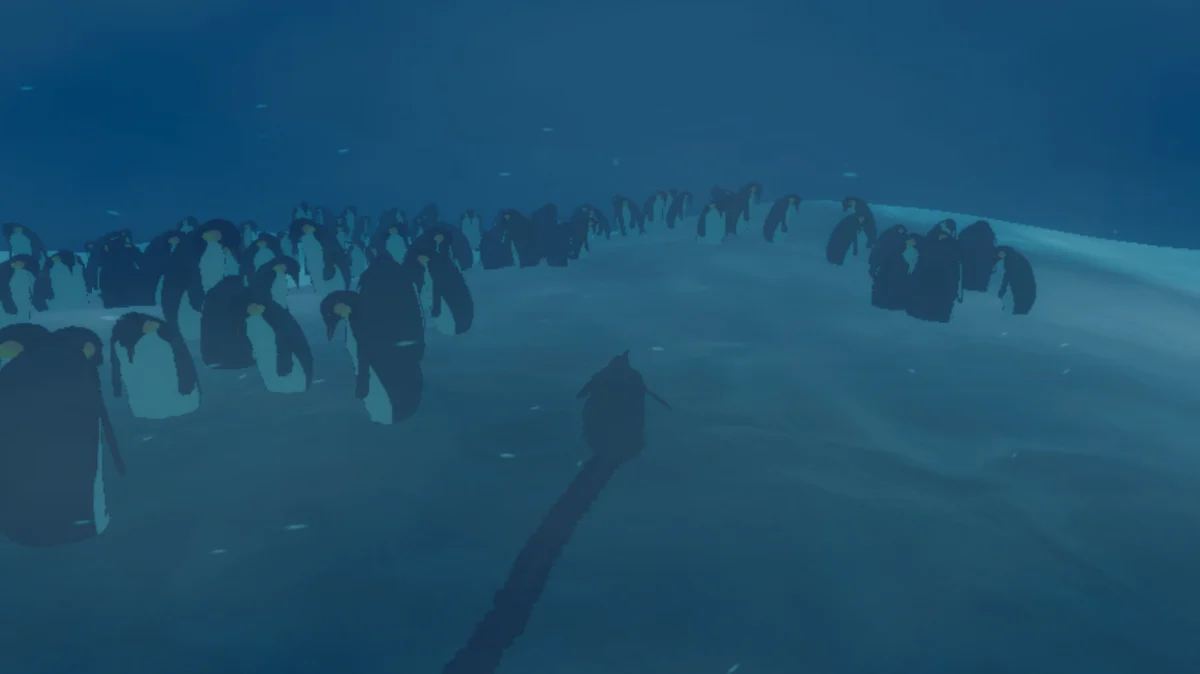
In an era where the digital storefronts are flooded with thousands of titles monthly—a far cry from the hand-curated Steam experience of the early 2000s—it has become increasingly difficult for independent developers to cut through the noise. Yet, it is precisely within this saturated ecosystem that some of the most daring, experimental, and intellectually rigorous work is emerging. Enter Penguin Colony, the latest project from ORIGAME DIGITAL, the studio behind the BAFTA-winning dystopian photography simulator Umurangi Generation.
Directed by Naphtali Faulkner, Penguin Colony is not merely a game; it is a profound, genre-bending interrogation of Lovecraftian horror, stripping away the sanitized, pop-culture iconography of Cthulhu to reveal the uncomfortable, historical truths buried beneath.
The Genesis of an Antarctic Nightmare
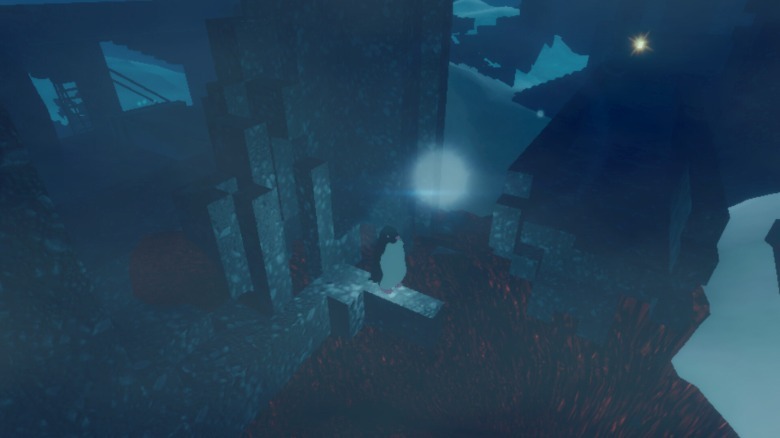
The project represents two years of full-time development, stemming from an unlikely source of inspiration: a family viewing of the animated film Happy Feet. While the initial hook—the tactile, physics-based joy of sliding across Antarctic ice—sounds whimsical, the resulting game is anything but.
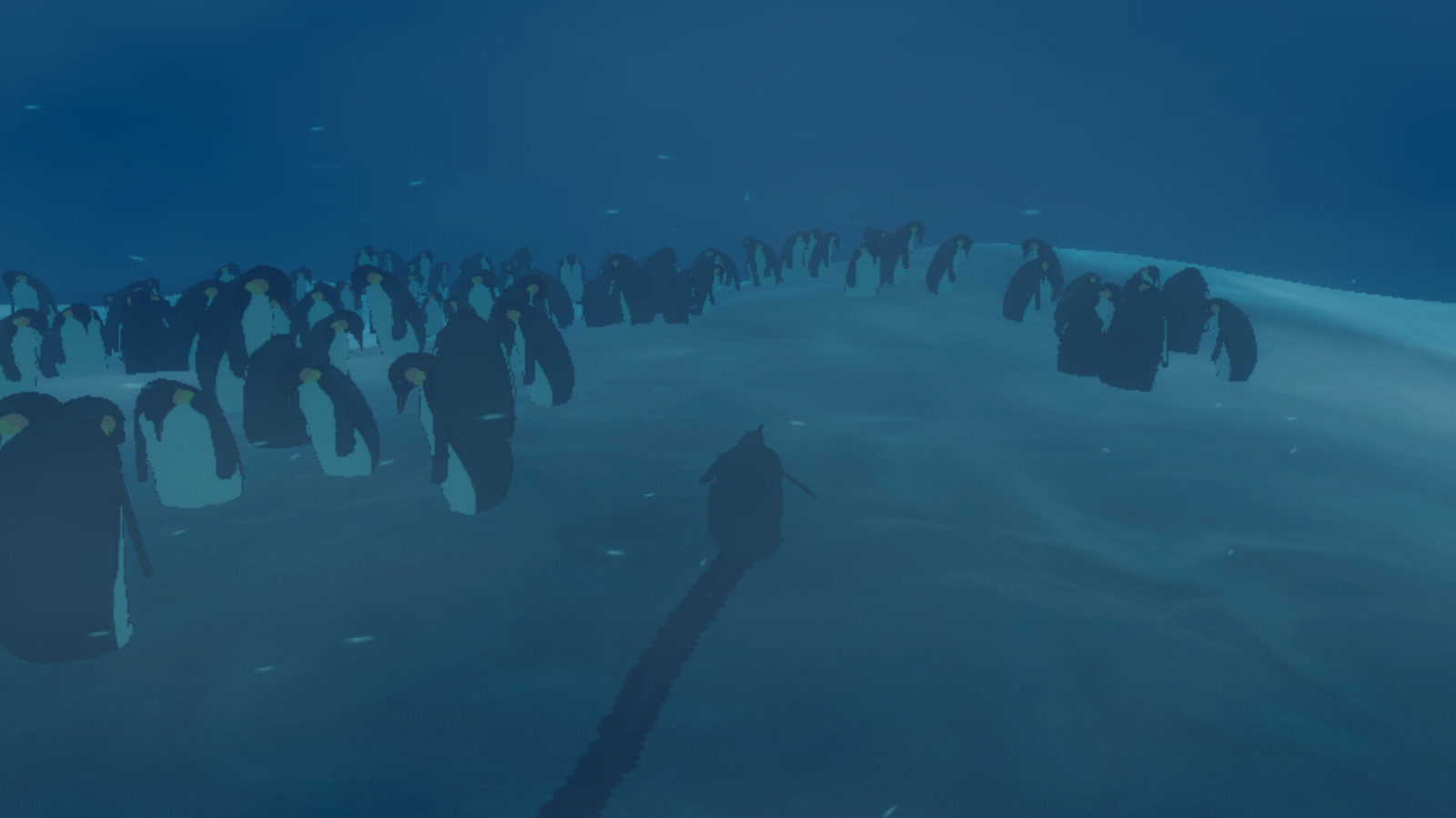
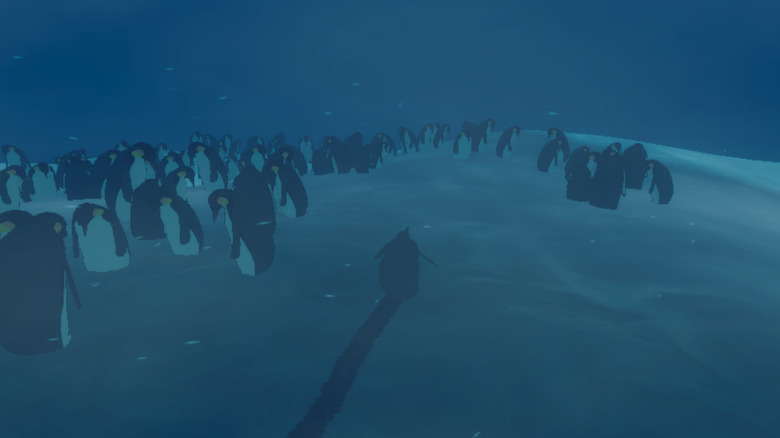
Penguin Colony positions the player as a waddling Antarctic penguin, acting as a "neutral vessel" in a world where the horror is not just supernatural, but deeply systemic. The game serves as a direct critique of the "colonial indifference" that defined the works of H.P. Lovecraft. By contrasting the perspective of a complicit, oblivious human expeditioner with the ancestral knowledge of the Kaitiaki, the game forces players to confront the reality that what Lovecraftian protagonists often dismissed as "primitive cults" were, in fact, sophisticated cultural systems misunderstood and exploited by imperialist forces.
Chronology of Development and Vision
The development of Penguin Colony is rooted in the lessons learned during the creation of Umurangi Generation. Following the critical success of their 2020 debut, ORIGAME DIGITAL faced the logistical hurdles of porting and managing multiple concurrent projects—a period Faulkner describes as a lesson in the necessity of focus and rapid, decisive movement.
- 2020: Umurangi Generation launches to critical acclaim, establishing ORIGAME DIGITAL as a studio capable of blending political commentary with unique mechanical systems.
- 2022: Development on Penguin Colony begins in earnest, utilizing a mostly solo core team supported by Indigenous contractors and guest artists.
- 2024: The studio formalizes Penguin Colony as the first entry in a planned trilogy that aims to dismantle and recontextualize the Lovecraftian mythos.
- 2026 (Projected): Global release scheduled for PC and the upcoming Nintendo Switch successor, with publishing handled by Fellow Traveller.
Unlike many contemporary horror titles that treat Lovecraft’s monsters as "cute easter eggs," Faulkner’s vision is to lean into the discomfort. "The central idea is to examine and re-evaluate themes present throughout all the works: invasion, annexation, and indifference," says Faulkner. By rejecting historical negationism—the common practice of ignoring Lovecraft’s personal xenophobia to make his work more palatable—Penguin Colony forces the audience to look at the source material through the lens of those who were historically marginalized by the imperialist mindset.
Supporting Data: The Saturation of the Indie Market
The need for platforms like the Engadget Indie Pitch is underscored by the sheer volume of content currently hitting the market. With approximately 2,000 new games arriving on Steam every month, the "discovery problem" is the greatest existential threat to independent creators.
| Metric | Context |
|---|---|
| Monthly Steam Releases | ~2,000 titles |
| Development Cycle | 2 Years (Full-time) |
| Studio Composition | Solo lead, supplemented by Indigenous contract labor |
| Target Platforms | PC, Switch 2 |
| Cultural Objective | Reclaiming weird fiction via Indigenous storytelling |
This density of competition means that small studios are often viewed by investors as "high risk." When those studios are Indigenous-led and focused on challenging, politically charged subject matter, that perceived risk is magnified. For ORIGAME DIGITAL, the strategy is not to chase mainstream trends but to build a sustainable model where their work can "stand on its own two feet" without relying on the validation of traditional AAA gatekeepers.
Official Perspectives: A Critique of the Industry
Faulkner is notably critical of the current state of the gaming industry, particularly the reluctance of larger publishers to foster genuine innovation. When asked what large companies could do to support developers, Faulkner’s response was a mix of practical advice and biting cynicism.
"Larger companies who can take risk should actually do it," Faulkner notes, while acknowledging that their singular focus on shareholder value makes such a shift unlikely. His proposed solution involves treating indie developers like an "art residency." He suggests that AAA studios should allocate 10 percent of their massive budgets to hire small, experienced teams for two-year windows, granting them total creative freedom. "They should go look who was on the runner-up list for every indie awards show and send them a DM," he suggests.
However, he remains skeptical of the current American AAA landscape’s capacity to evolve, noting that he has "no faith" that these institutions are capable of learning the lessons that the film industry successfully navigated 50 to 70 years ago.
Philosophical Implications: Why Games?
For Faulkner, the choice of medium is non-negotiable. He argues that video games represent the pinnacle of artistic expression because they are the only medium where "participation in the artwork is compulsory."
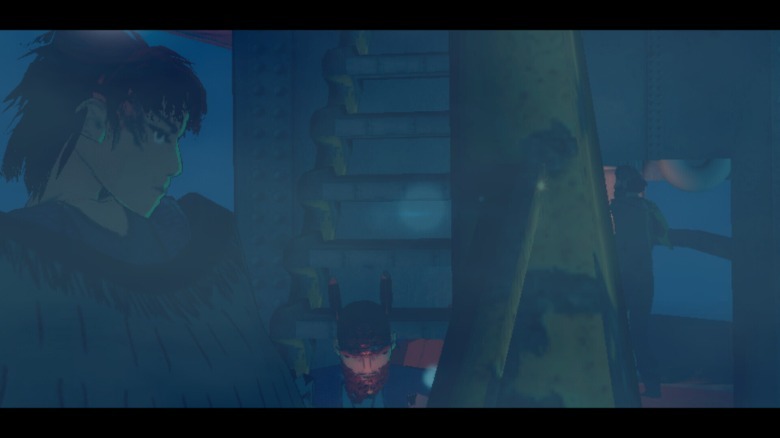
This participatory nature is central to the horror in Penguin Colony. Because the player is controlling the narrative—and because the protagonist is a penguin navigating a landscape of colonial ignorance—the player is forced to inhabit the complicity of the expedition. The game asks: What if the "monsters" in these stories were simply the people who understood the world better than the colonizers, and what if the horror was the colonizers’ refusal to listen?
Looking Forward: A Trilogy of Decay
Penguin Colony is the starting point of a larger thematic arc. The planned trilogy will continue to explore the Lovecraftian mythos, though with a distinct departure from the recognizable "Great Old Ones." There will be no Cthulhu, no Dagon, and no comfortable tropes. The second installment will pivot from the Antarctic wilderness to the "decay of small towns" and the dark secrets hidden behind closed doors in the heart of suburbia.
By deliberately choosing to start slow and avoid familiar territory, ORIGAME DIGITAL is positioning itself as a contrarian voice in the industry—a studio that prefers to challenge the player rather than coddle them. As the 2026 release window approaches, the gaming community is presented with a rare opportunity: a game that refuses to let the player off the hook.
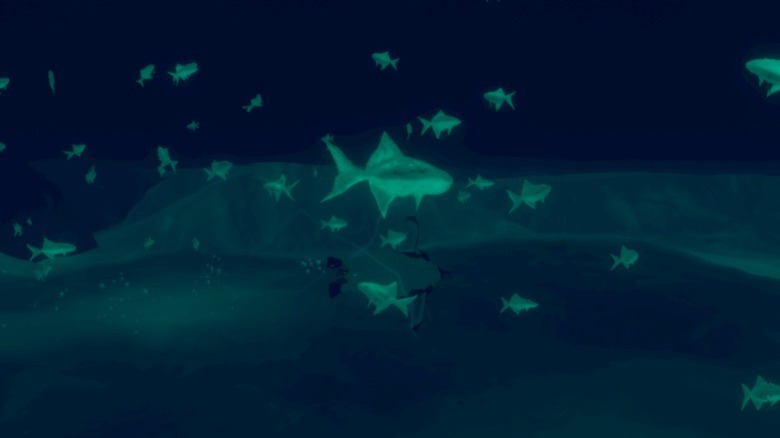
In the words of Faulkner, when asked to summarize the experience of Penguin Colony in a single sentence: "You won’t know until you do and then it is too late." It is a warning, a promise, and perhaps the most honest marketing pitch in a market that rarely dares to be so bold.


 Muslim
 Siti Muinah