Iffa Jayyana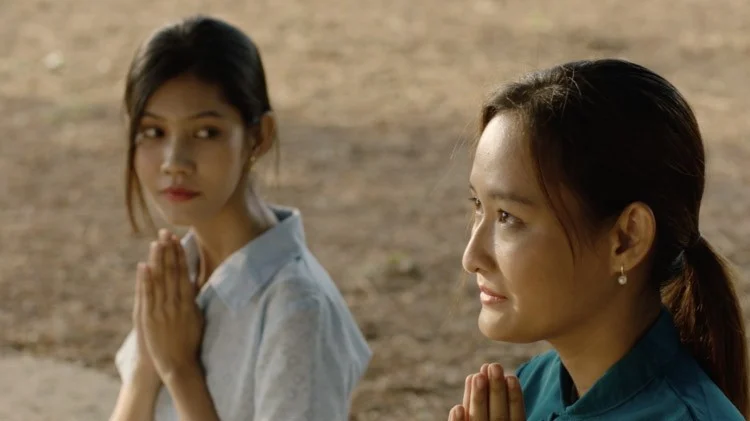
The historic Czech spa town of Karlovy Vary has once again solidified its status as a vital epicenter of global cinema. As the curtain fell on the 60th edition of the Karlovy Vary International Film Festival (KVIFF), the atmosphere was one of reflective celebration, marking not only six decades of the festival’s own history but also the 80th anniversary of its founding. This year’s event was a testament to the enduring power of storytelling, blending the gravitas of established masters with the raw, experimental energy of emerging filmmakers.
The Pinnacle of Achievement: Crystal Globe Winners
The festival’s highest honor, the Crystal Globe for Best Film, was awarded to Aung Phyoe’s Fruit Gathering. The Myanmar-born director’s feature was hailed by the main competition jury as a triumph of narrative structure and emotional depth. The jury described the film as "a lush and meditative portrait of work and friendship before morphing, unexpectedly and organically, into a harrowing drama of obsession and queer desire." The award signals a significant moment for Southeast Asian cinema, highlighting a filmmaker capable of shifting tonal gears with surgical precision.
Closely following in the acclaim was Mads Mengel’s The Guest, which secured both the Special Jury Prize and the Best Director award. Featuring an ensemble cast that includes heavyweights such as Trine Dyrholm, Simon Bennebjerg, and Josephine Park, the film was praised for its sharp, tonal modulation. The jury lauded Mengel "for giving us a seat at the table with a superb ensemble of actors, orchestrated with great intelligence and tonal assurance." The Guest has been widely compared to Thomas Vinterberg’s Festen for its intense, claustrophobic exploration of familial duty and societal decay, cementing Mengel’s status as a rising voice in European drama.
The Proxima Competition: Championing Bold New Voices
While the Crystal Globe competition highlights established prestige, the Proxima competition serves as the festival’s laboratory for innovation. In its fifth year, the section continued to push boundaries, rewarding works that defy traditional narrative constraints.
The Proxima Grand Prix was awarded to Slovak director Martina Buchelová for Lover, Not a Fighter. The jury’s citation was particularly poignant, noting that the film arrives "tenderly" in a world obsessed with grandiose, masculine narratives. "The director understands what it’s like to be young—she pulls off the Gen Z style without making it gimmicky," the jury remarked, noting the film’s rare ability to capture the constant, often painful evolution of human identity.
The Special Jury Prize in the Proxima section went to Japanese director Shuntaro Uchida’s Incinerator. The jury praised the film’s "deceptive simplicity," highlighting its poetic layers and the profound, silent observation of its young protagonist. Meanwhile, the Best Director honor in this category was bestowed upon Efthimis Kosemund-Sanidis for A Whole Person Almost, with a Special Mention going to the sibling duo Anna and Šimon Domček for their work on 33 Steps.
Chronology of a Milestone Edition
The 60th KVIFF was structured as a "double anniversary" celebration, intertwining the 60th iteration of the festival with its 80-year legacy. Throughout the week, the festival served as a bridge between the classic era of Hollywood and the digital-native future of independent film.
- Opening Days: The festival kicked off with a massive influx of international talent, with the spa town’s red carpets crowded by industry icons.
- Mid-Festival Highlights: The center of the week was defined by high-profile press conferences, notably with Jeffrey Wright and Juliette Binoche, whose reflections on the state of the industry provided a philosophical backbone to the screenings.
- Industry Awards: As the week progressed, the focus shifted to the juries. The FIPRESCI (International Federation of Film Critics) awards were a major talking point, with Ivan Ostrochovský’s Only Beautiful Things to Look at taking the prize for the main competition and Mate Ugrin’s Petty Thieves winning the Proxima FIPRESCI honor.
- Closing Ceremonies: The festival concluded on Saturday night with the presentation of the major trophies, followed by the honoring of Juliette Binoche with the Crystal Globe Award for her "outstanding artistic contribution to world cinema."
The Star Power: A Global Gathering
The 2026 edition of KVIFF was characterized by an extraordinary concentration of talent. The presence of such luminaries as Jesse Eisenberg, Maggie Gyllenhaal, and Harvey Keitel emphasized the festival’s importance as a meeting ground for the global creative class.
Dustin Hoffman’s appearance drew significant attention, with the veteran actor engaging in wide-ranging discussions about the state of American culture and the evolving role of the actor in the 21st century. Similarly, the attendance of Kevin Bacon, Kyra Sedgwick, and their son, Travis, highlighted the familial and collaborative spirit that often permeates the Karlovy Vary experience. The festival’s ability to attract such figures is not merely a result of its prestige, but of the intimate, town-wide environment that allows for meaningful dialogue between stars and attendees.
Official Responses and Jury Statements
The juries this year were noted for their articulate and deeply appreciative feedback. Regarding The Guest, the main competition jury emphasized that the film succeeds by "subtly raising questions about motherhood, filial duty, and mental illness," all while remaining "squirmingly funny."
In the acting categories, the recognition of Anna Schinz (A Happy Family) and Ghassan Saad (Pipes) showcased a commitment to rewarding performances that carry the weight of social commentary. Schinz’s portrayal of domestic complexity and Saad’s nuanced work in the Lebanese drama Pipes were both cited as anchors for their respective films, proving that even in experimental cinema, the human element remains the most potent tool.
The Ecumenical Jury, which rewards films that celebrate human values and spiritual depth, chose Tonia Mishiali’s The Lion at My Back. This selection reflects the festival’s commitment to diversity in thematic exploration, balancing the dark, satirical tones of other winners with works that touch upon the resilience of the human spirit.
Implications for the Global Film Industry
The outcomes of this year’s Karlovy Vary festival carry significant implications for the coming year of cinema.
- The Resurgence of the "Party-Gone-Wrong" Drama: With The Guest winning significant acclaim, we may see a trend in European cinema returning to high-stakes, domestic dramas that serve as microcosms for societal tension.
- The Rise of "Tender" Realism: The Proxima competition’s preference for films like Lover, Not a Fighter suggests a pivot away from the "masculine" or overly ambitious, plot-heavy films of the past, in favor of quotidian, character-driven narratives that emphasize growth and loss.
- Global Connectivity: By honoring films from Myanmar, Japan, Lebanon, Switzerland, and Slovakia, KVIFF has reinforced its role as a premier gateway for non-Western films to gain international distribution and critical momentum.
As the attendees departed the Czech spa town, the consensus was clear: the 60th edition was not just a celebration of the past, but a robust statement on the future. By maintaining its focus on artistic merit over commercial trends, Karlovy Vary has secured its position as an essential destination for those who believe that cinema is, at its core, a way to map the complexities of the human condition.
The success of Fruit Gathering and the widespread praise for the diverse international slate of winners demonstrate that the festival’s curatorial vision is more relevant than ever. As we look toward the future, the lessons learned at the 2026 KVIFF—that change is constant, that young voices deserve the stage, and that the best stories are often the ones that observe the quietest moments of life—will undoubtedly shape the cinematic landscape for years to come.


 Layla Zulfa
 Pevita Pearce