Laily UPN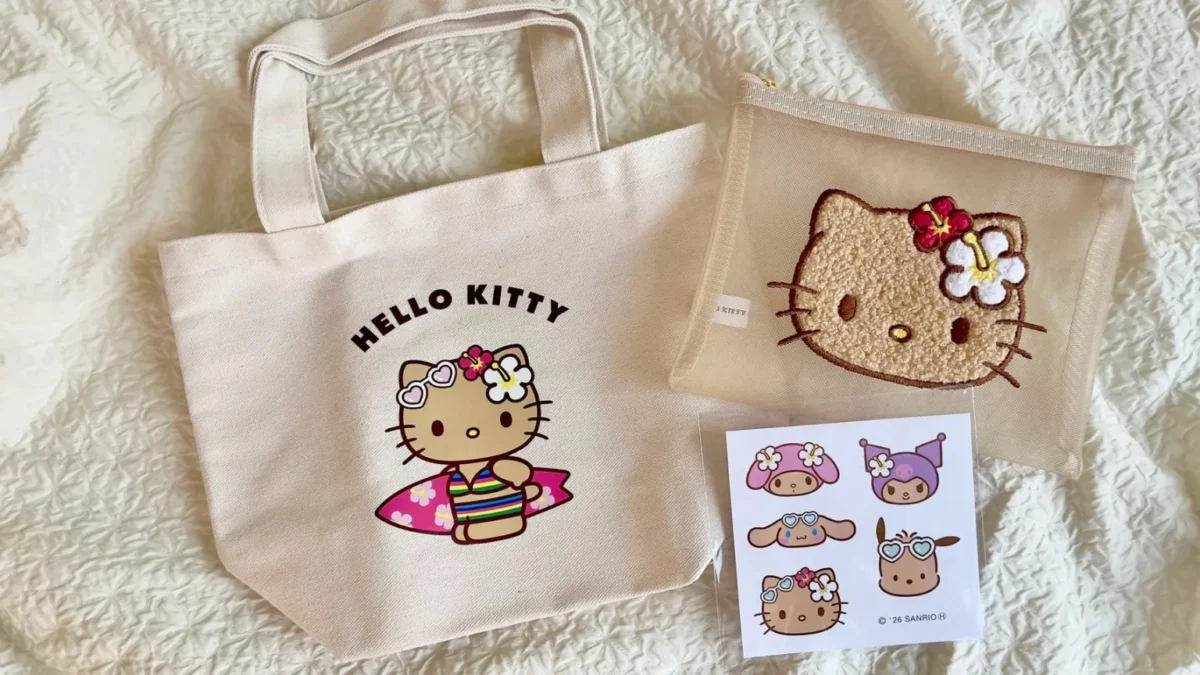
In the unique ecosystem of Japanese publishing, the value of a magazine is rarely found solely within its printed pages. For decades, the "furoku"—or high-quality, branded freebie attached to lifestyle magazines—has served as the primary driver of sales in a competitive market. This summer, the August issue of Sweet magazine has set a new benchmark for seasonal merchandise, launching an exclusive "Suntanned Sanrio" collection that has collectors and casual fans alike flocking to newsstands across the country.
Featuring iconic characters like Hello Kitty, Kuromi, and Cinnamoroll with sun-kissed aesthetics, the campaign serves as a poignant reminder of why Japanese publishing remains a global outlier in retail innovation.
The Main Event: A Summer Collection of Rare Proportions
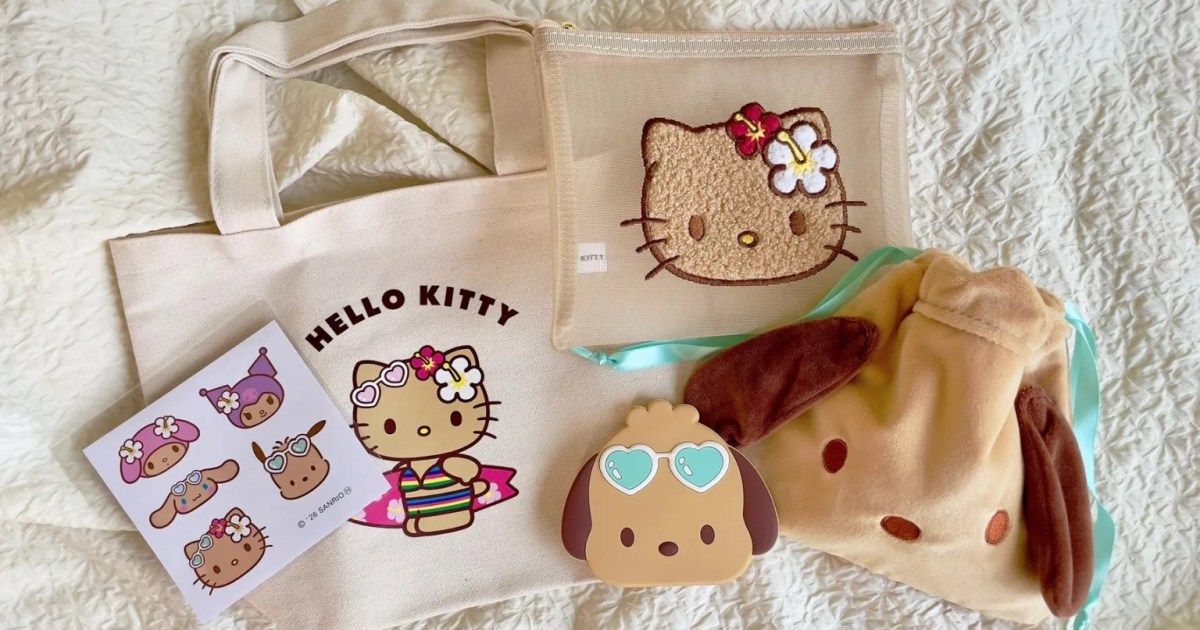
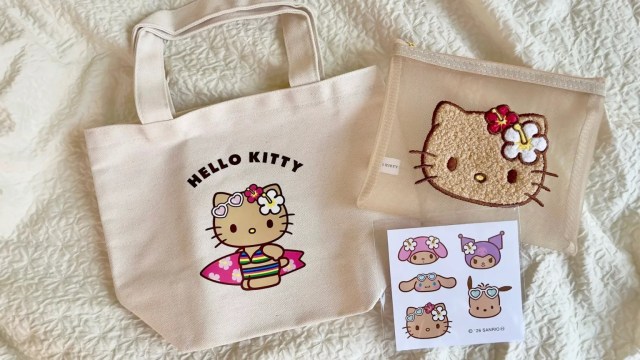
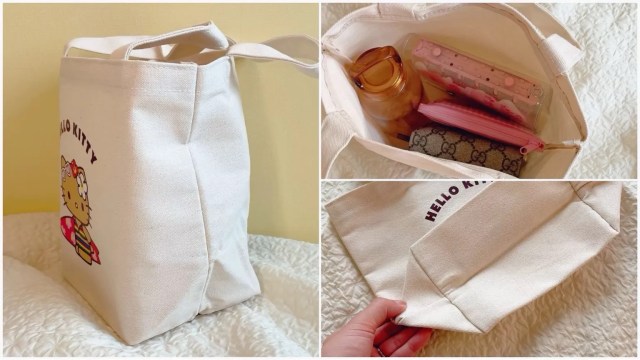
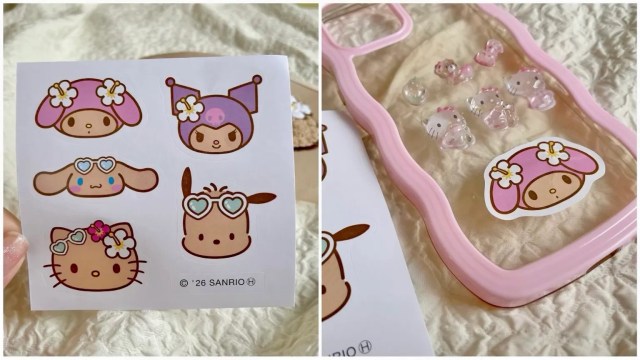
The August issue of Sweet, which hit shelves on July 10, 2026, has introduced two distinct tiers of branded merchandise. The standard edition, priced at 1,790 yen (approximately $12.20 USD), includes a comprehensive three-piece "Suntanned Sanrio Characters" set. This collection features a versatile mini tote bag, a tactile mesh pouch, and an exclusive sheet of five decorative stickers.
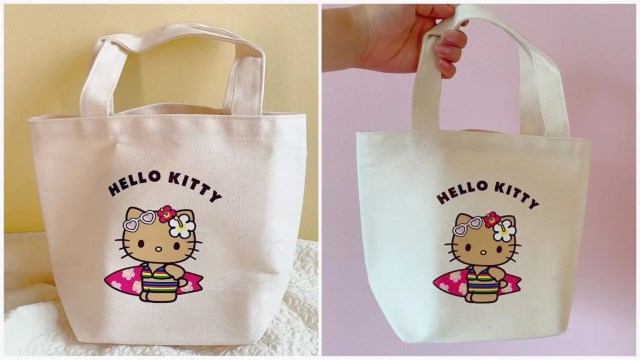
The centerpiece of this set is the mini tote, a 20 x 26 x 12 centimeter (7.9 x 10.2 x 4.7 inches) bag designed for functional daily use. Adorned with an illustration of a beach-ready Hello Kitty holding a surfboard, the bag balances aesthetic appeal with the practical durability required for daily errands. Complementing this is the mesh pouch, which utilizes a unique "fluffy textile" finish to mimic the texture of a sun-tanned character, offering a sensory experience that standard plastic merchandise lacks.
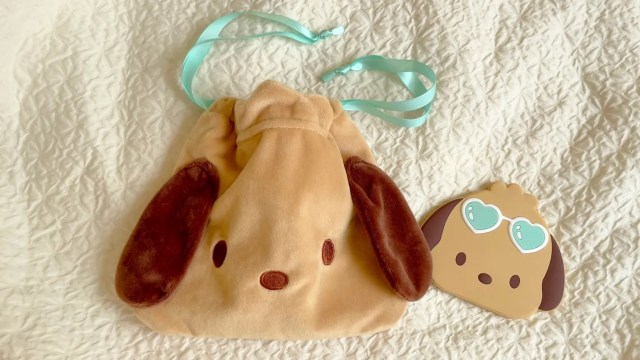
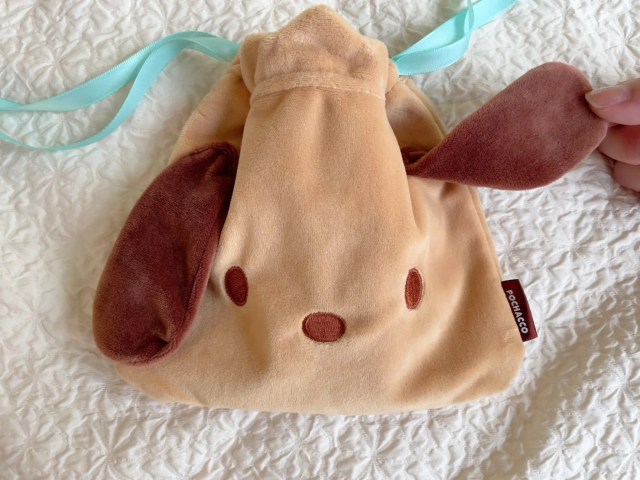
A second, "special edition" of the magazine, retailing at 1,830 yen, pivots the focus toward the beloved character Pochacco. This iteration includes a high-end, fluffy drawstring pouch shaped like the character’s face, complete with articulated ears that add a layer of playful interactivity. Paired with a matching face-shaped compact mirror—depicting Pochacco in heart-shaped sunglasses—the set is designed to be as functional as it is collectible, fitting neatly into the aesthetic landscape of Japanese "kawaii" (cute) culture.
Chronology of the "Suntanned" Phenomenon
The obsession with "suntanned" character designs is not a new development, but rather a recurring seasonal ritual in Japan. Historically, Sanrio has utilized this motif to signal the arrival of summer, transforming its winter-leaning, pastel-heavy character branding into a vibrant, beach-focused identity.
- Mid-2025: The first widespread viral success of the "Suntanned Hello Kitty" series began gaining traction, with social media platforms like X (formerly Twitter) and Instagram seeing a surge in "unboxing" videos.
- Early July 2026: Teaser campaigns for the Sweet August issue began appearing in major urban centers, including Shibuya and Shinjuku, utilizing subway advertisements to build anticipation among commuters.
- July 9, 2026: Official pre-order windows for the magazines saw a significant spike in traffic on e-commerce platforms like Amazon Japan and Rakuten, with many secondary market vendors signaling potential stock shortages.
- July 10, 2026: The official launch date. Reports from convenience stores and bookstores across Tokyo indicated high sell-through rates within the first 24 hours, confirming the trend’s enduring power.
Supporting Data: The Economics of the Furoku
To understand the scale of this launch, one must look at the economics of the Japanese magazine industry. Unlike Western markets, where digital subscriptions have largely cannibalized print, the Japanese furoku strategy has successfully tethered physical magazine sales to the desire for limited-edition, branded goods.
Research into Japanese consumer habits suggests that approximately 60% of readers of fashion and lifestyle magazines like Sweet identify the freebie as the primary motivation for their purchase. When high-value intellectual property (IP) like Sanrio is introduced, that motivation factor climbs to over 85%.
Furthermore, the price points of 1,790 and 1,830 yen represent a "sweet spot" in consumer spending. By pricing the products at a level slightly above a standard periodical but well below the cost of equivalent high-end character merchandise found in dedicated retail stores (such as Sanrio Puroland or official character shops), publishers create an irresistible value proposition. Consumers perceive the magazine as a "gift with purchase" rather than a subscription cost, which incentivizes impulse buying.
Official Perspectives and Brand Strategy
Industry analysts note that Sanrio’s collaboration strategy is masterfully calibrated to maintain "scarcity value." By limiting these designs to a specific summer window, Sanrio ensures that the items do not lose their luster through oversaturation.
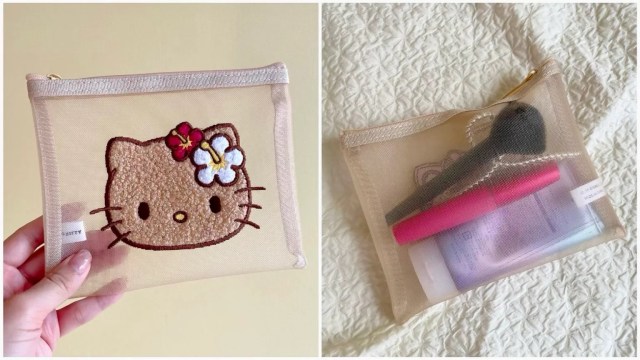
"The suntanned design is a visual shorthand for ‘limited time,’" says one retail consultant based in Tokyo. "It forces the consumer to act now. You cannot buy these items in December; they are intrinsically linked to the current season. This psychological pressure, combined with the high quality of the materials—the mesh and the plush textiles—elevates these items from ‘disposable’ to ‘collectible.’"
Sanrio has not issued a formal press statement regarding the production numbers, but retail experts estimate that the print run for these editions is significantly higher than the standard monthly average, reflecting the publisher’s confidence in the brand’s ability to drive physical foot traffic.
Implications for the Future of Retail
The success of the Sweet August issue carries broader implications for the global publishing and retail industries. As digital advertising revenue continues to fluctuate, the "bundled product" model utilized by Japanese publishers offers a blueprint for how print media can survive by reinventing itself as a vehicle for physical goods.
1. The "Experience" Economy
The inclusion of tactile items—such as the "fluffy" Pochacco pouch—highlights a shift toward sensory marketing. In an age of flat screens and digital images, consumers are increasingly drawn to products they can touch and feel. The popularity of these Sanrio items suggests that even in a digital-first world, the physical product remains the ultimate vessel for brand engagement.
2. Influencer Integration
The rise of the "unboxing" subculture has been instrumental in the success of this campaign. Japanese magazines have begun to work closely with micro-influencers who specialize in "kawaii culture," providing them with early access to the furoku. This creates an organic feedback loop: influencers showcase the utility of the items (e.g., demonstrating how the mini-tote fits a water bottle and makeup), which lowers the barrier to entry for prospective buyers.
3. Sustainability Concerns
However, the model is not without its critics. The environmental impact of producing millions of plastic-based or synthetic-textile items that are essentially "bundled" with magazines has sparked internal discussions within the Japanese publishing industry. As consumer awareness regarding environmental, social, and governance (ESG) criteria grows, there is increasing pressure for publishers to shift toward more sustainable materials for their furoku—a transition that, if successful, could redefine the next generation of magazine freebies.
Conclusion: A Cultural Phenomenon
The "Suntanned Sanrio" collection is more than a clever marketing ploy; it is a manifestation of the unique relationship between Japanese media, character licensing, and consumer culture. By transforming a static magazine into an active participant in the summer season, Sweet has successfully captured the attention of a demographic that values both form and function.
As the August issue continues to fly off the shelves, the message to the industry is clear: in a market saturated with digital content, the most powerful tool remains the tangible, the limited, and, above all, the incredibly cute. Whether these items become prized heirlooms or remain trendy accessories for the season, they have undoubtedly secured their place in the ongoing narrative of Japan’s vibrant retail landscape. For those hoping to secure their own piece of the collection, the advice from local newsstands remains the same: move fast, as the summer sun—and the stock—will not last forever.


 Neng Nana
 Asro
Asro