Reynand Wu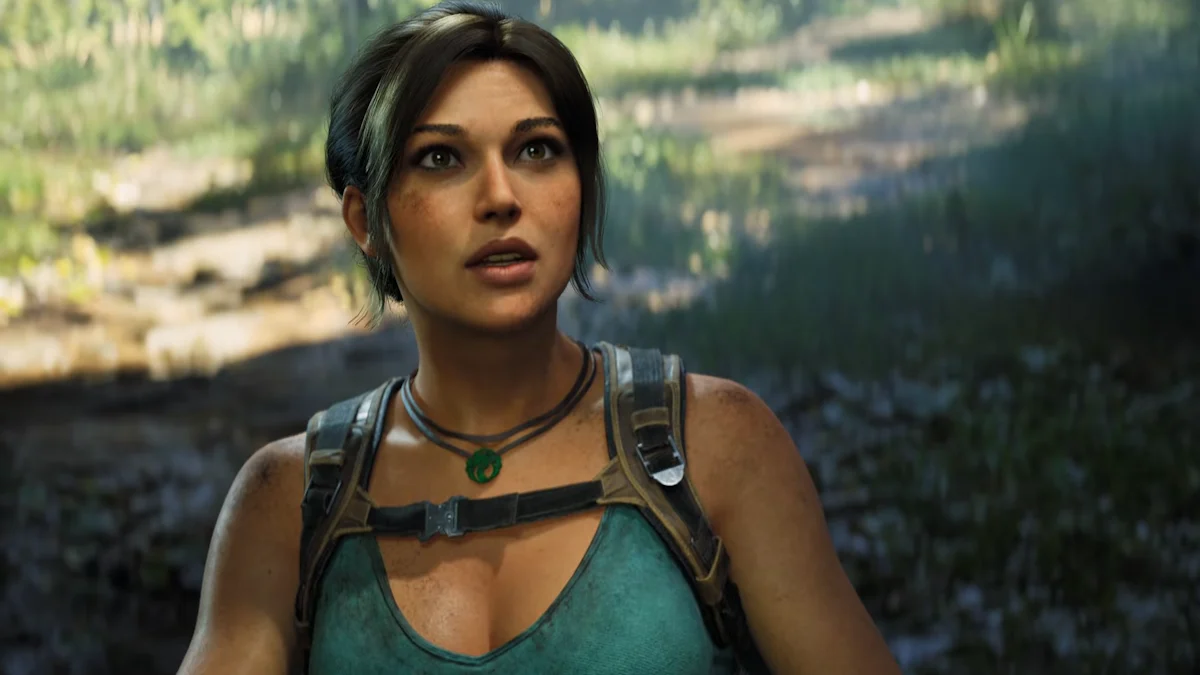
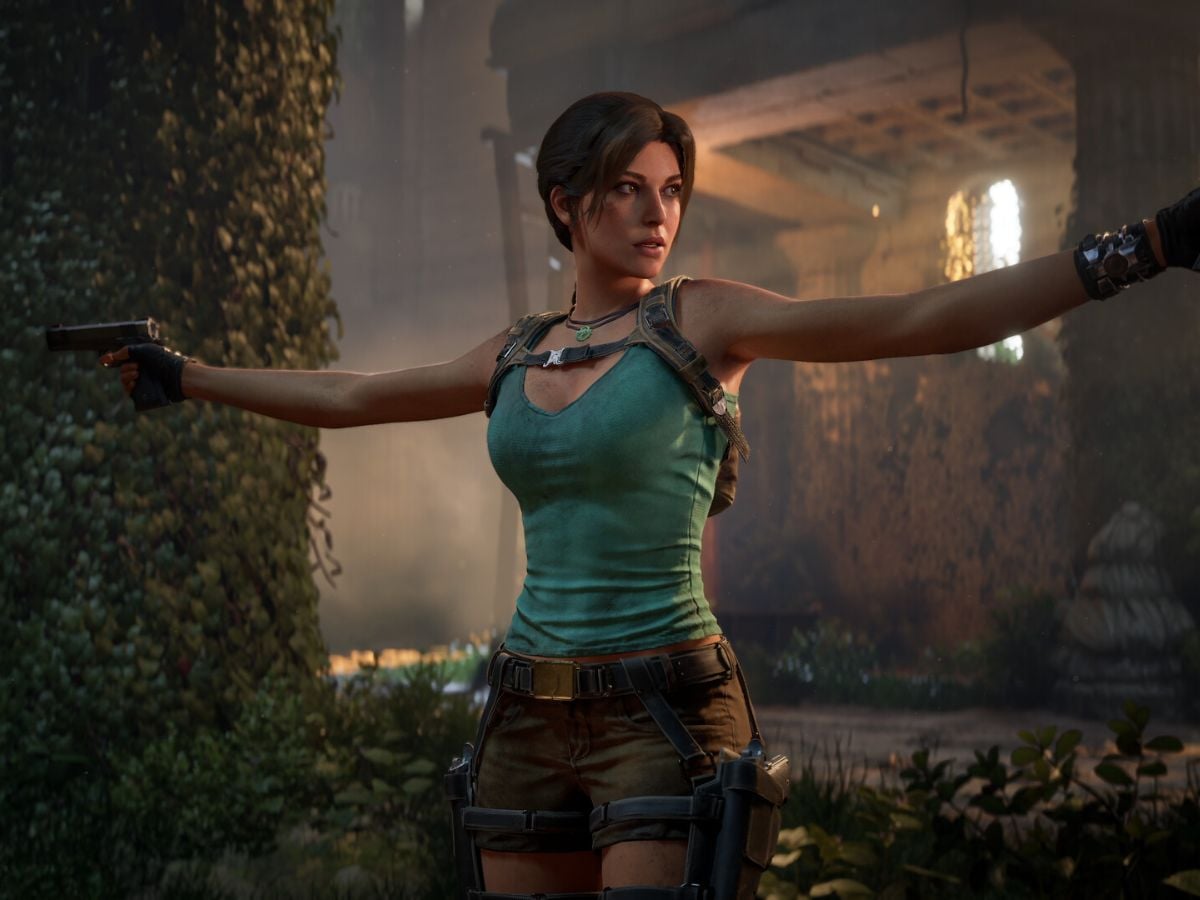
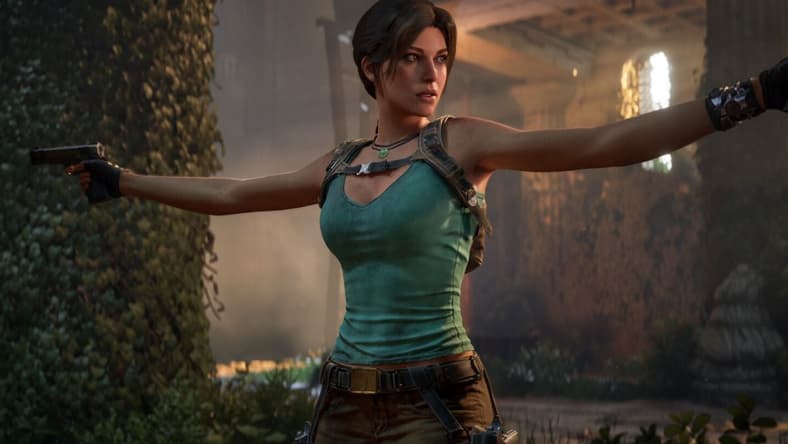
The world of performance capture in video games has long been a grueling, physically demanding discipline. However, Alix Wilton Regan, the newly cast voice and motion capture artist for the iconic Lara Croft, has redefined the term "commitment" during the production of Amazon Game Studios’ upcoming Tomb Raider: Legacy of Atlantis and its sequel, Tomb Raider: Catalyst. In a series of candid revelations, Regan has disclosed that her immersive approach to the role has led to genuine physical injury, including a self-inflicted jaw dislocation that brought production to a standstill.
The Incident: A High-Octane Recording Session Gone Wrong
The incident occurred during a routine four-hour voice-over (VO) session. According to Regan, the creative team was working on capturing additional vocalizations for intense combat sequences featured in the game. Known for her "all-in" philosophy regarding character embodiment, Regan attempted to physically mirror the exertion of the combat she was portraying.
"The biggest challenge on this has been me restraining myself at points because I throw myself into every scene with such energy," Regan explained in an interview with GameSpot. "I actually punched myself in the face the other day—this is a true story by the way."
As she engaged in the simulation of a fight, Regan threw a hook punch with such intensity that she inadvertently connected with her own jaw. The impact was significant enough to cause a dislocation. The reaction from the development team, observing via a live Zoom feed, was one of immediate alarm. "Everyone on the Zoom was like, ‘Sh—, no! We killed Lara! What, man?’" Regan recounted.
The production team was forced to halt the recording for 20 minutes while Regan—who noted she has dealt with the injury previously—manually repositioned her jaw and applied an ice pack. While the moment was undoubtedly frightening for those on the call, it highlights the extreme lengths to which modern actors are willing to go to capture the visceral reality of gaming’s most legendary treasure hunter.
Chronology of Commitment: From Minor Bruises to Physical Tolls
This jaw injury is not an isolated incident. Throughout the production schedule, Regan has frequently prioritized sensory accuracy over personal safety, often disregarding the boundaries between the actor and the avatar.
- Initial Casting and Pre-Production: Upon securing the role, Regan committed to an rigorous physical training regimen to match the athleticism required of Lara Croft.
- The "Door" Incident: In a separate discussion with WhatCulture Gaming, Regan revealed that she often performs her own stunts during motion capture, including a sequence where she repeatedly threw herself against a door to replicate the force required for Lara to bash it down.
- The Physical Toll: After several hours of repeating the action, Regan noted that her arm was hanging "limply" by her side. When a co-star questioned her condition, suggesting that her form looked wrong, she admitted, "Oh, it’s probably not."
- The Jaw Dislocation: Occurring during the latter stages of the recording for Legacy of Atlantis, this event represents the most severe injury reported to date, necessitating an immediate medical pause and cooling-off period.
Regan’s approach is a testament to the "method acting" style being applied more frequently in the digital space. She admits, "I just forget that I’m not actually Lara Croft. I have to feel everything."
The Evolution of Performance Capture (Supporting Data)
The industry has seen a massive shift in how performance capture is handled. In the early 2000s, voice work was largely static—actors stood behind a microphone, reading scripts. Today, the integration of performance capture (Mocap) and facial recognition technology requires actors to perform on a stage that mimics a film set.
Technical Demands
- Physicality: Actors are now expected to perform complex choreography while wearing heavy suits equipped with dozens of sensors.
- Vocal Integrity: The demand for "extra vocalizations"—grunts, gasps, and screams—is constant in modern action-adventure titles, putting significant strain on the vocal cords and the body.
- The "Zoom" Factor: Remote monitoring by directors and animators means that actors often have to "sell" the performance through a screen, potentially leading them to over-exaggerate movements to ensure the capture is clear, which may have contributed to Regan’s self-inflicted injury.
Industry standards for safety in Mocap studios have improved significantly, but they rarely account for the unpredictability of an actor’s own physical intensity. As games like Tomb Raider push for more cinematic realism, the physical risks to the performers are arguably reaching the same levels as those seen in live-action stunt work.
Official Responses and Studio Stance
Amazon Game Studios has remained largely quiet on the specifics of the injuries, though insiders suggest that the team is deeply impressed—and occasionally concerned—by Regan’s dedication. The consensus within the studio seems to be a mix of admiration for her work ethic and a growing need to monitor her for safety.
The incident has sparked internal discussions regarding the protocols for voice-over sessions involving physical movement. While there is no official statement indicating a change in policy, sources suggest that producers are now implementing more frequent mandatory "cool-down" breaks to ensure actors do not burn out or sustain further self-inflicted injuries during high-intensity sequences.
Implications for the Future of the Tomb Raider Franchise
The implications of Regan’s dedication are twofold: they serve as a marketing tool for the authenticity of the upcoming remakes, but they also raise questions about the long-term sustainability of such an intense performance style.
1. Authenticity as a Benchmark
Fans of the original 1996 Tomb Raider have expressed concern about the new direction of the franchise, particularly regarding the casting and tone. By demonstrating such extreme commitment, Regan is effectively "earning" the role in the eyes of the fanbase. Her willingness to physically endure the role positions her as a successor who truly understands the grit of Lara Croft.
2. The Ethics of Performance
There is a growing ethical conversation in the gaming industry about the physical safety of actors. If an actor feels compelled to throw themselves into doors or punch themselves in the face to get the "perfect" take, it suggests a culture where the final product is valued over the well-being of the human talent. While Regan frames her choices as personal agency, studios must ensure that they are providing a supportive environment where actors do not feel that "doing it for real" is the only way to deliver quality work.
3. Expectations for Legacy of Atlantis and Catalyst
The hype surrounding Tomb Raider: Legacy of Atlantis (2027) is now inextricably linked to these behind-the-scenes stories. The audience will be looking for the specific scenes where Regan sustained these injuries, which could ironically lead to a deeper scrutiny of the animation quality. If the performance captures the visceral, raw reality of a survivor like Lara Croft, the sacrifices made by Regan will likely be viewed as a cornerstone of the game’s success.
Conclusion
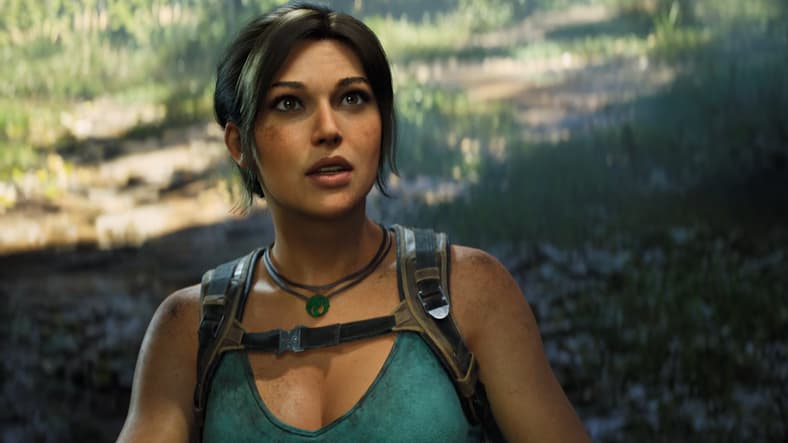
Alix Wilton Regan’s journey as the new voice and motion of Lara Croft is already shaping up to be one of the most intense performances in modern video game history. While a dislocated jaw and an injured arm are certainly not the intended outcomes of a recording session, they serve as a stark reminder of the passion and intensity required to bring an iconic character to life.
As Amazon Game Studios moves toward the 2027 release, the focus will undoubtedly shift from the physical toll of production to the quality of the final game. However, for those watching the development of the Tomb Raider franchise, Regan’s "all-in" approach has set a high bar for performance, proving that for some, the line between the character and the actor is not just blurred—it is effectively non-existent. The fans will be watching, and if the final product matches the intensity of the behind-the-scenes stories, the Legacy of Atlantis may well be remembered as a high-water mark for motion-captured performances.

 Sagoh
Sagoh
 Ammar Sabilarrohman