Ali Ikhwan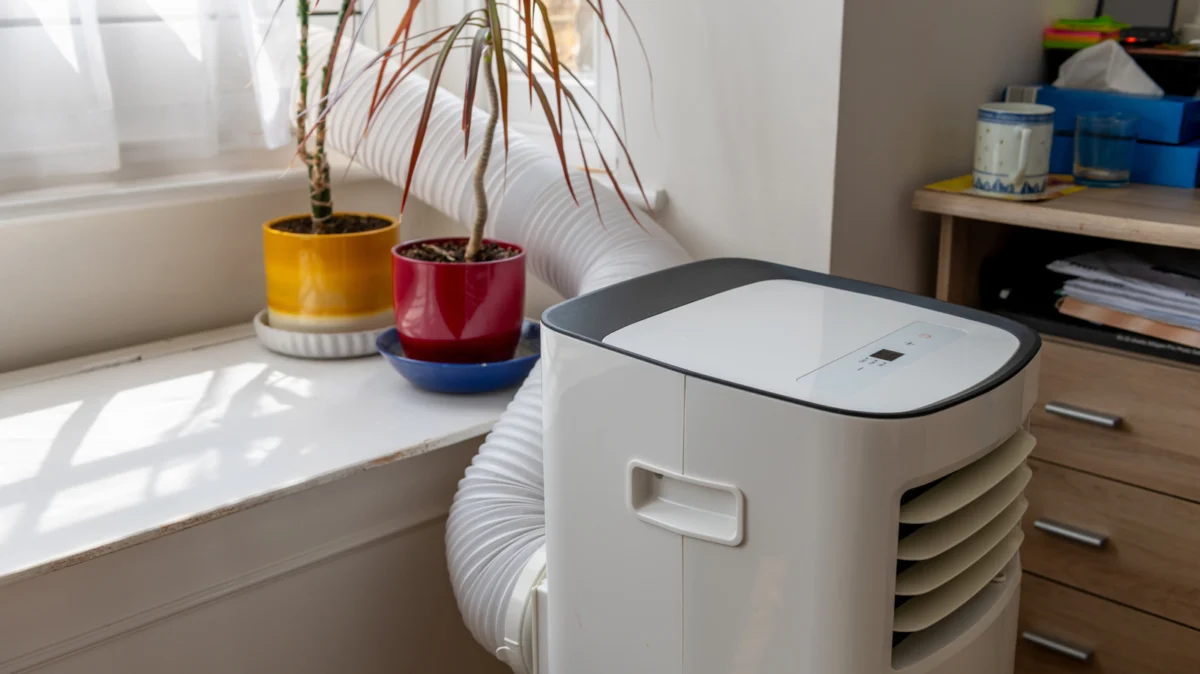
As temperatures climb globally, portable air conditioners have become a lifeline for renters, apartment dwellers, and those living in older homes where installing central HVAC systems is either cost-prohibitive or physically impossible. Because they offer a "plug-and-play" solution, these units have surged in popularity, accounting for nearly 20% of the cooling market by 2025. However, a persistent point of consumer confusion remains: must every portable cooling unit be tethered to a window with a bulky exhaust hose?
The short answer is nuanced. While true refrigerant-based air conditioners absolutely require venting to function, there is a separate class of appliances often marketed as "portable ACs" that operate on entirely different principles. Understanding the distinction between these technologies is not just a matter of convenience; it is a matter of cooling effectiveness, humidity management, and avoiding costly purchasing mistakes.
Main Facts: The Thermodynamics of Cooling
To understand why venting is necessary, one must understand the basic laws of thermodynamics. Cooling a room is not simply about "making air cold"; it is about moving heat from one place to another.
A true, refrigerant-based portable air conditioner functions similarly to a refrigerator. It uses a chemical refrigerant to absorb heat from the indoor air. As the warm air passes over the unit’s internal evaporator coils, the refrigerant absorbs the heat energy, turning from a liquid to a gas. A compressor then forces this gas through a condenser coil, where the heat is released.
Crucially, if that heat is not pushed outside through an exhaust hose, it is simply recycled back into the room. If you were to run a refrigerant-based AC without a vent, you would effectively be creating a "closed-loop" heater: the compressor itself generates heat during operation, meaning the room would actually grow warmer rather than cooler.
The Essential Components of a Vented System
- The Compressor: The "heart" of the machine that pressurizes the refrigerant.
- The Evaporator Coil: Where heat is pulled from the room’s air.
- The Condenser Coil: Where heat is released to the exterior.
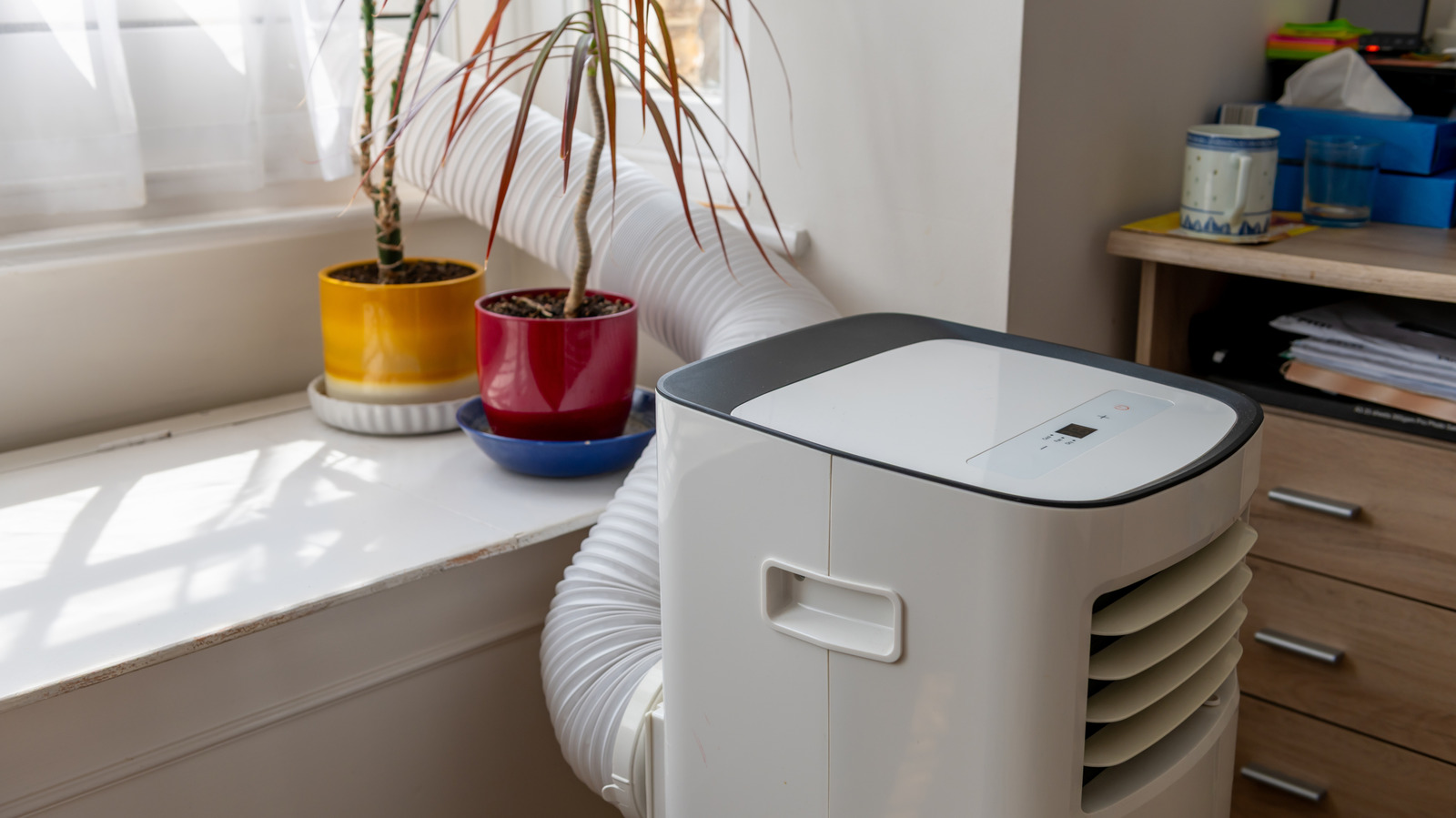
- The Exhaust Hose: The critical pathway for heat expulsion.
Chronology of Portable Cooling Evolution
The history of portable cooling reflects a shift from industrial-grade necessity to consumer-accessible comfort.
- Early 20th Century: The invention of the modern air conditioner by Willis Carrier focused on industrial humidity control. These systems were massive, immobile, and expensive.
- 1970s–1980s: The rise of "swamp coolers" (evaporative coolers) in the American Southwest. These units provided relief in arid climates but were never intended for high-humidity environments.
- Early 2000s: The introduction of compact, rolling refrigerant-based units designed for the residential market. These models revolutionized apartment living, allowing tenants to bypass building restrictions on window-mounted units.
- 2020–Present: A technological boom in "smart" portable ACs. Features like dual-hose systems—which take in outside air for cooling rather than using indoor air—have significantly improved efficiency. Automatic louvers, Wi-Fi connectivity, and "self-evaporative" technology have moved these units from niche appliances to essential household technology.
Supporting Data: Why "Ventless" Is Often a Misnomer
The primary source of consumer frustration stems from the marketing of "ventless" portable air conditioners. In reality, these are usually evaporative coolers. While they are "portable" and do not require a hose, they are not, strictly speaking, air conditioners.
Evaporative Cooling vs. Refrigerant Cooling
Data from The New York Times Wirecutter and the U.S. Geological Survey (USGS) highlights a stark divide in performance:
- The Humidity Trap: Evaporative coolers function by pulling hot air through water-saturated pads. This process adds significant moisture to the air. Testing indicates that these units can increase ambient indoor humidity by up to 3% for every 1-degree drop in temperature.
- The Climate Ceiling: While these units can drop temperatures by as much as 20 degrees, they only achieve this in extremely arid environments (where humidity is below 30%). In the humid Eastern United States, an evaporative cooler will fail to cool the air and will instead make the room feel muggy, damp, and uncomfortable.
- The Refrigerant Advantage: Refrigerant-based units act as dehumidifiers as a byproduct of their operation. As warm air hits the cold coils, water vapor condenses into liquid. This water is then either drained or evaporated through the exhaust hose, resulting in a room that is both cooler and less humid.
Official Responses and Industry Standards
Consumer advocacy groups, including Consumer Reports, have consistently urged manufacturers to be more transparent regarding the limitations of "ventless" units. The industry has responded by moving toward clearer labeling, yet the overlap in naming conventions remains.
The consensus among HVAC experts is that for any living space where comfort is the priority, a vented, refrigerant-based system is the only viable option. "If you are living in a climate with high summer humidity, an evaporative cooler will, at best, be ineffective, and at worst, encourage mold growth due to the increased moisture in the home," notes one industry analyst.
Furthermore, the EPA’s ENERGY STAR program focuses its efficiency ratings exclusively on refrigerant-based models, as they are the only units capable of providing consistent, measurable cooling across diverse geographic climates.
Implications for the Consumer
Choosing the wrong unit can have significant financial and health implications.
1. Financial Impact
A high-quality refrigerant-based portable AC can cost between $300 and $800, whereas an evaporative cooler might cost $100. However, the "budget" option often leads to a "double-buy" scenario: the consumer purchases the cheaper unit, realizes it doesn’t work, and is forced to purchase the more expensive unit anyway.
2. Environmental and Health Considerations
High humidity is a catalyst for respiratory issues and structural damage. In poorly ventilated rooms, the moisture added by an evaporative cooler can settle into drywall and carpeting, potentially fostering the growth of mold or mildew. Conversely, a refrigerant-based unit helps maintain a "dry-cool" environment, which is generally considered the healthiest indoor climate.
3. Installation Realities
For those concerned about the aesthetic of a vent hose, modern technology has introduced more discreet window kits. Many 2026-model portable ACs come with transparent or low-profile sliding panels that minimize the visual impact of the exhaust hose. Before purchasing, consumers should check the dimensions of their window frames to ensure compatibility with the provided venting kit.
Conclusion: Making the Right Choice
If you are looking for a portable solution to beat the heat, the verdict is clear: if it doesn’t have a vent, it isn’t an air conditioner in the functional sense.
To ensure your home remains a sanctuary during heat waves, prioritize refrigerant-based models. While they require a window exhaust, they provide the only reliable, physics-backed method of heat extraction and humidity control. Always look for the BTU (British Thermal Unit) rating appropriate for your square footage, and if you live in a humid region, prioritize models with "self-evaporative" technology to reduce the frequency of manual tank drainage. By understanding the underlying mechanics of these machines, you can bypass the marketing jargon and invest in the comfort your home truly needs.


 Evan Lee Salim