Iffa Jayyana
In the world of PC building, the power supply unit (PSU) has long been the "silent workhorse"—a utilitarian, often neglected component hidden away in the dark corners of a case. For decades, the industry standard has focused primarily on two metrics: raw wattage and efficiency ratings. While the integration of Gallium Nitride (GaN) technology has recently allowed for smaller footprints and higher power density to fuel the insatiable hunger of modern high-end GPUs and AI-focused hardware, the fundamental design of the PSU has remained largely static.
However, Lian Li is signaling a shift in this stagnant landscape. With the announcement of their upcoming Edge V2 series, set for a September release, the company is looking to transform the PSU from a mere box of circuits into a central hub for system management and cable optimization.
Main Facts: The Edge V2 Innovation
The Lian Li Edge V2 series is not just another iteration of power delivery; it is a fundamental rethink of how a PSU interacts with the rest of the PC ecosystem.
The core of the series retains the popular "extended lip" design, which features 90-degree-angled cable connections. This design has already proven successful in mitigating the cable clutter that often plagues tight enclosures, allowing for a cleaner aesthetic and better airflow management.
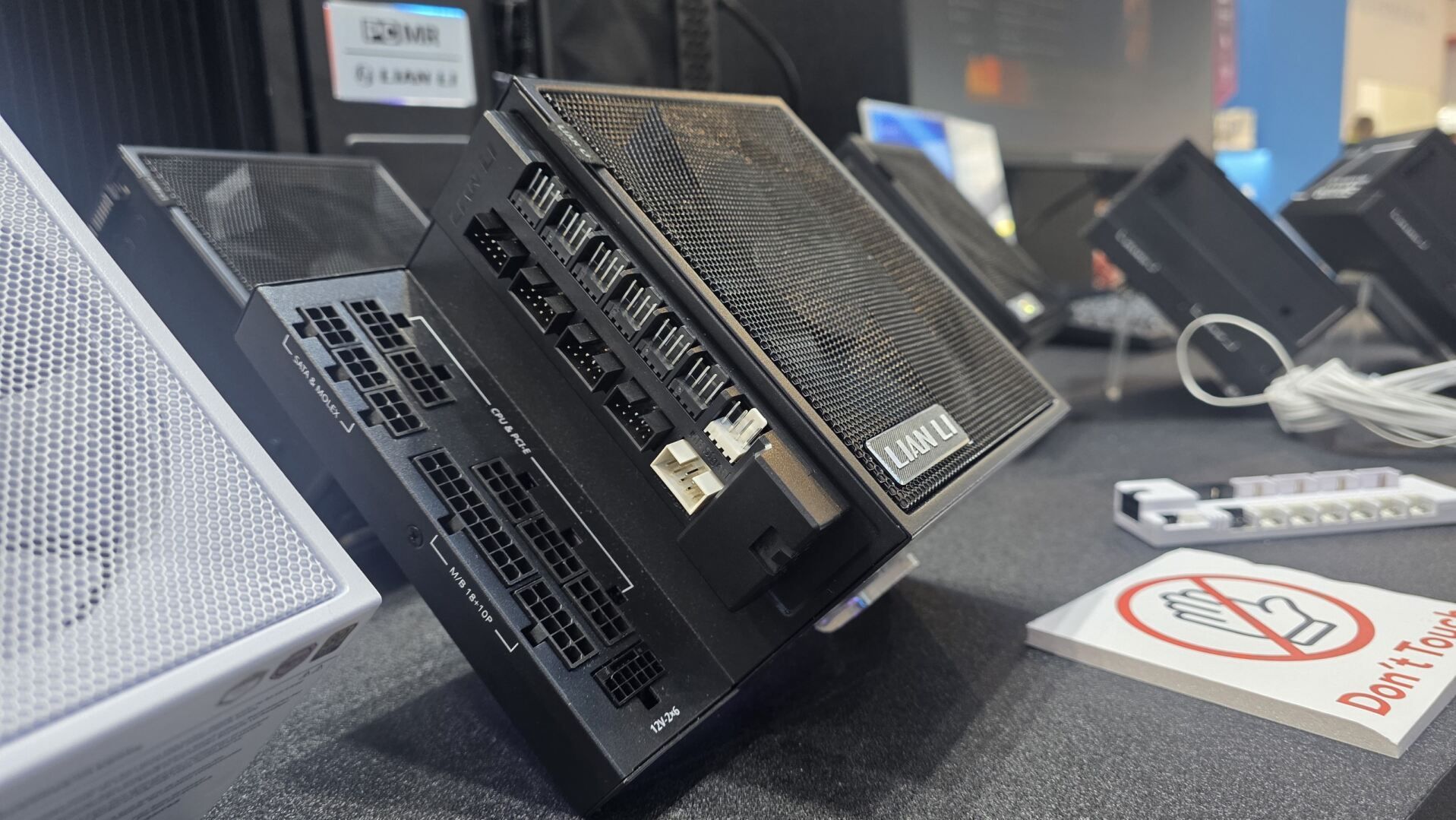
However, the V2 introduces three significant "quality-of-life" innovations:
- Intelligent Maintenance Alerts: The units feature an LED indicator on the side of the chassis that shifts from green to red, signaling to the user exactly when the intake fan requires cleaning.
- Modular Dust Management: Much like premium PC cases, the V2 includes a magnetically attached fan filter, allowing users to remove and clean the intake without specialized tools.
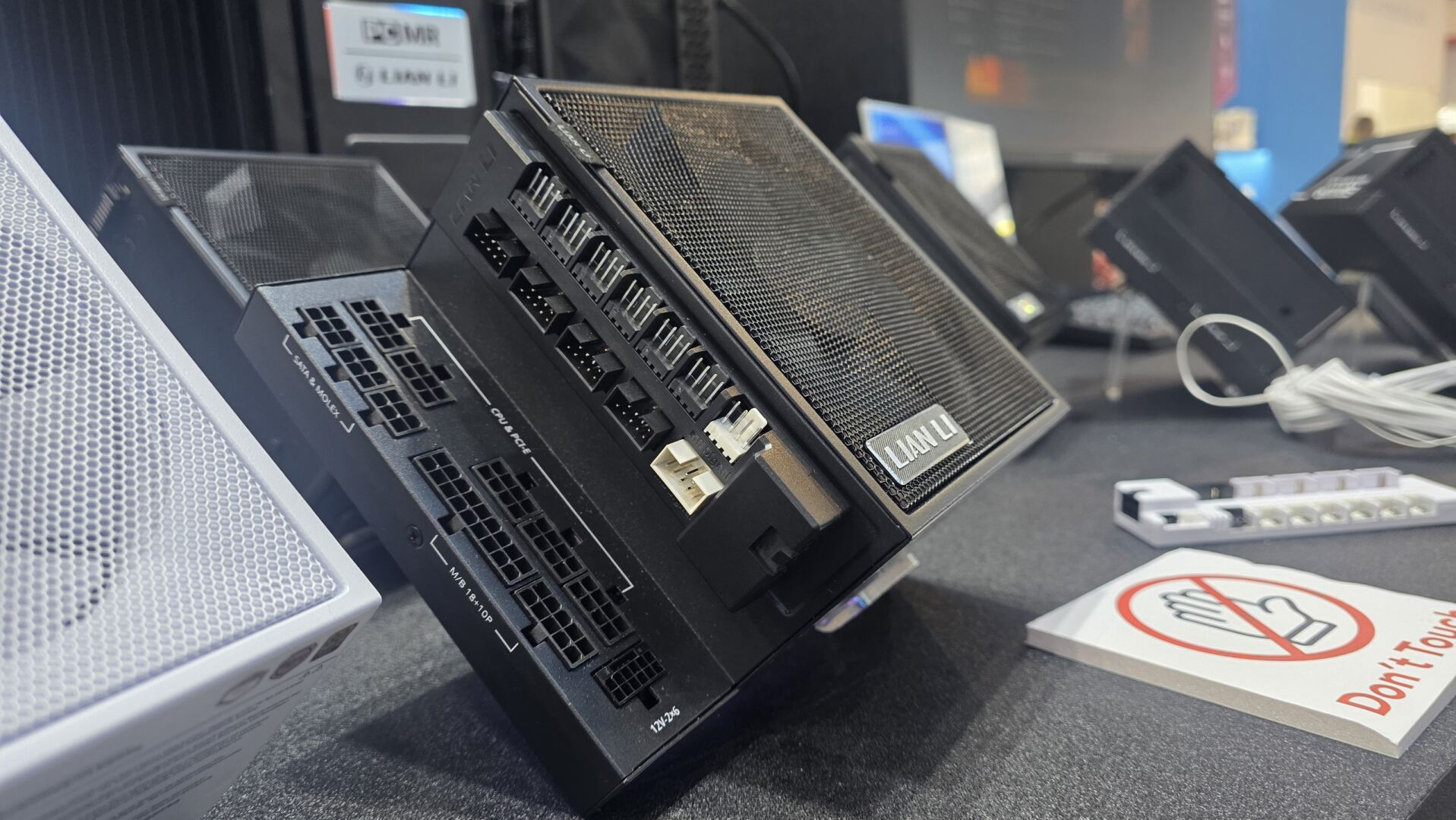
- Integrated Hub Architecture: Perhaps the most radical departure is the inclusion of a detachable, magnetic-pin hub on the inner edge of the PSU. This hub provides expansion for six four-pin fan connectors and four USB 2.0 headers, effectively acting as an onboard control center for peripherals and cooling arrays.
Chronology of Development
The trajectory of Lian Li’s PSU innovation has been marked by a transition from "invisible component" to "integrated solution."
- Pre-2023: The market was dominated by standard ATX designs where cable management was an afterthought, often leaving builders to struggle with cable routing behind the motherboard tray.
- Late 2023: Lian Li introduced the original Edge concept, focusing on the L-shaped connector orientation to address the immediate physical bottleneck of fitting large, stiff cables into modern, compact cases.
- Computex 2024: The company unveiled the Edge V2 prototypes. This event marked the shift from simple cable routing to comprehensive system integration, as the company showcased the detachable hub and the maintenance-aware LED system.
- September 2024 (Projected): The official retail launch of the 1,000W, 1,200W, and 1,350W models.
Supporting Data: Specifications and Capacity
To support the demands of modern enthusiasts, the Edge V2 series covers the high-performance spectrum. Lian Li has opted to skip the entry-level wattage tiers, focusing instead on the high-end market where cable complexity is at its peak.
| Model Wattage | Target Audience | Primary Use Case |
|---|---|---|
| 1,000W | Enthusiasts | Single high-end GPU (RTX 4080/4090) + CPU |
| 1,200W | Power Users | Overclocked systems, multiple drives |
| 1,350W | AI/Workstation | Dual-GPU setups or local AI model training |
The inclusion of a USB 3.0 passthrough on the internal hub is a strategic move. Many modern motherboards suffer from a shortage of internal USB headers, which are often occupied by AIO coolers and RGB controllers. By providing a passthrough, Lian Li ensures that the user does not sacrifice their existing motherboard connectivity to utilize the PSU’s built-in hub.
Technical Implications and Challenges
While the features of the Edge V2 are objectively exciting, they introduce a set of technical and practical questions that the community is currently debating.
The Cable Density Paradox
The primary concern among hardware analysts is the "density issue." By consolidating power cables, fan headers, and USB connectors in a single, localized area, the Edge V2 creates a high-density cable zone. The original Edge design was meant to alleviate cable mess, yet by inviting users to plug their fan and accessory cables directly into the PSU, Lian Li risks creating a new, highly concentrated "cable knot."
Thermal Dynamics
There is also the question of thermal interference. Power supplies generate significant heat under load. By placing sensitive fan and USB controllers directly on the housing of the PSU, there is a risk that internal heat could affect the longevity of these components or, in extreme cases, contribute to signal degradation for the USB controllers. Lian Li has not yet provided data on how the hub’s electronics are isolated from the PSU’s primary heat sinks, a detail that will be critical when independent labs perform thermal testing in the coming months.
Official Responses and Market Positioning
Lian Li has positioned the Edge V2 as a "builder-first" product. In their briefings at Computex, company representatives emphasized that the goal was to reduce the time spent on "fiddly" cable management. By allowing the hub to be detached, wired, and then magnetically re-snapped to the PSU, they are addressing the ergonomic frustration of reaching into deep, dark corners of a case to plug in a single fan header.
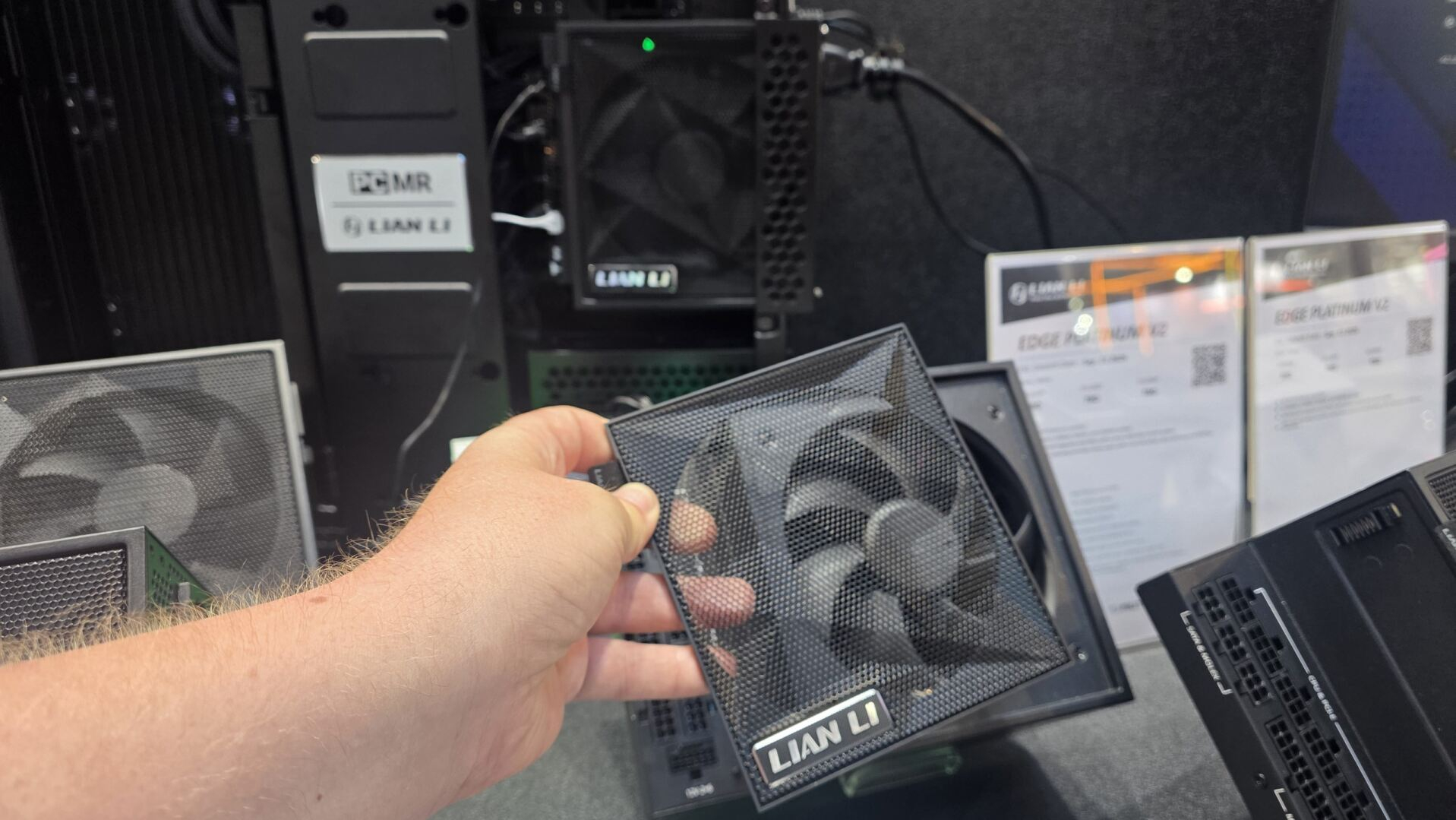
The company has remained silent on pricing, which is a critical piece of the puzzle. Given the premium nature of the feature set—particularly the magnetic modular hub and the integrated status LEDs—it is expected that the Edge V2 will command a premium over standard 80 Plus Platinum units.
Implications for the Future of PC Building
The Edge V2 represents a "modular revolution." For years, we have seen the rise of "back-connect" motherboards (like those from MSI and ASUS), which move all connectors to the rear of the board. Lian Li’s approach is a complementary philosophy: if the motherboard can’t be easily connected, why not make the power supply the secondary motherboard of the system?
If the Edge V2 is successful, we may see a shift in PSU design language across the industry. Competitors like Corsair, Seasonic, and EVGA may find themselves under pressure to move beyond simple power delivery and begin incorporating hub functionality or system-wide monitoring tools directly into their units.
The Verdict: A Risky, Rewarding Evolution
The Edge V2 is a bold gamble. It acknowledges that the modern PC is not just a collection of parts, but a complex, interconnected system where the physical act of building is as important as the performance results. While the potential for a "cable pile-up" is a valid concern, the sheer utility of a modular, accessible fan and USB hub cannot be overstated.
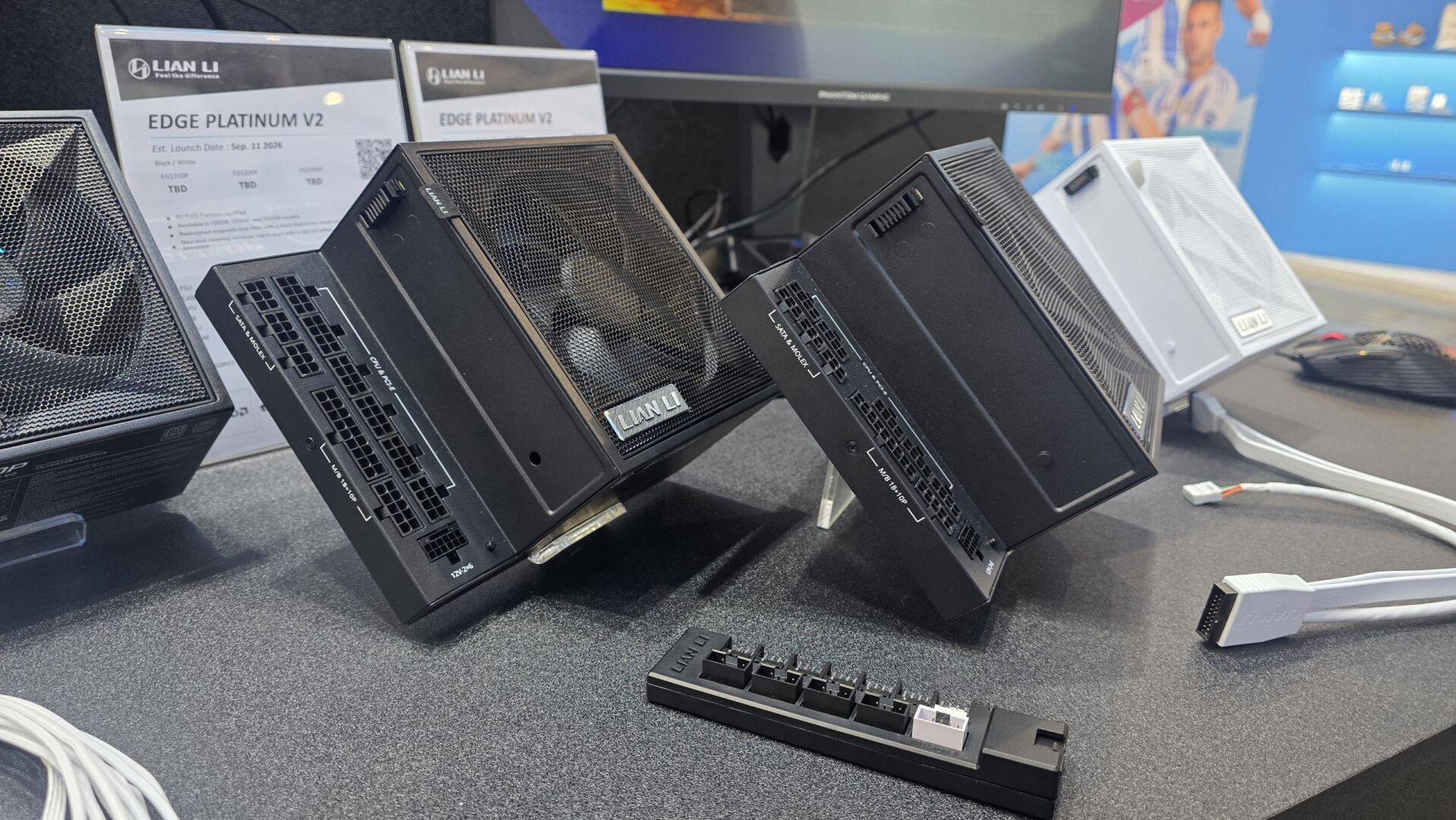
As we look toward the September launch, the industry will be watching closely. If the thermal management holds up and the cable density remains manageable, Lian Li may have inadvertently set a new standard for what a PC builder should expect from their power supply. The days of the "dumb" power supply, it seems, are numbered.
For the latest updates on the Lian Li Edge V2 series, including confirmed pricing and independent thermal test results, keep a close watch on hardware forums and professional review outlets as we approach the Q3 release window.


 Ammar Sabilarrohman
 Reynand Wu