Jia Lissa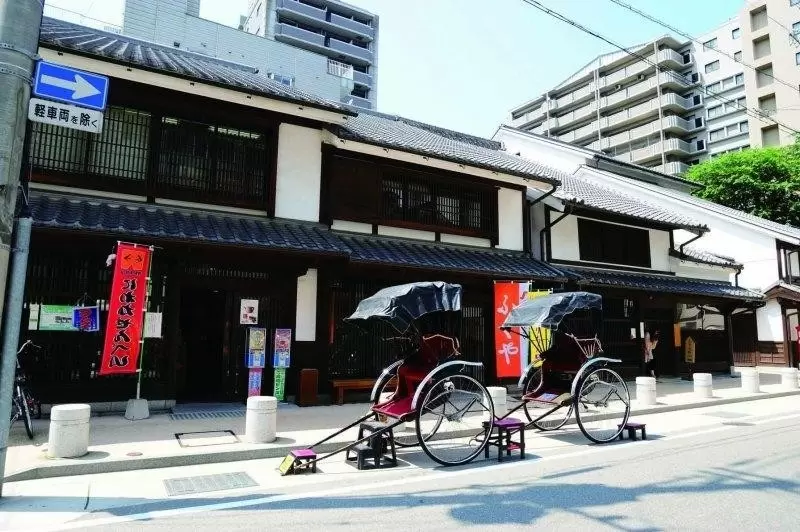
Hakata, the historic heart of Kyushu, has long served as a gateway to Asia—a bustling metropolis where ancient traditions and a contemporary urban pulse beat in perfect synchronization. Whether you are seeking the tranquility of centuries-old temples, the vibrant energy of Japan’s famous yatai (street food stalls), or the modern sophistication of a regional economic hub, Hakata offers a tapestry of experiences.
This comprehensive guide presents 25 must-visit locations, carefully curated for both first-time visitors and seasoned travelers looking to peel back the layers of Fukuoka’s most storied district.

The Heart of the City: Exploring Hakata Station and Its Environs
Hakata Station is more than just a transit hub; it is the center of gravity for the entire region. Within walking distance, visitors can find a blend of commercial innovation and historical preservation.
1. JR Hakata City
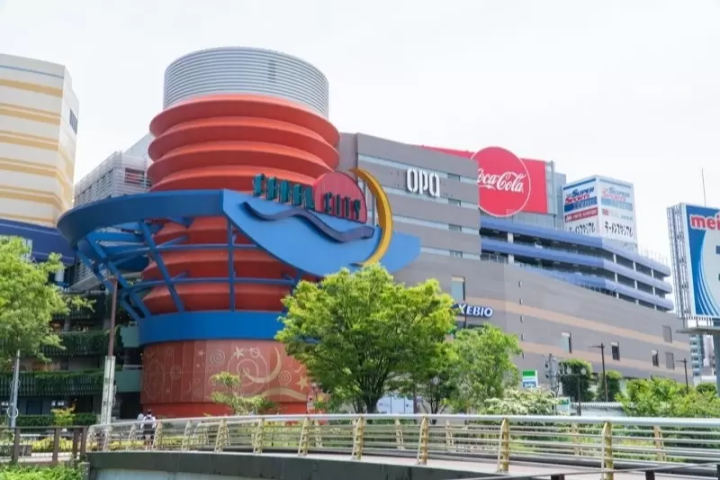
A architectural marvel directly connected to the station, JR Hakata City is the premier destination for shopping and dining. Beyond its expansive retail floors, the rooftop garden, "Tsubame no Mori Hiroba," offers a seasonal sanctuary. It is an ideal spot for families to enjoy play areas while adults take in a panoramic, elevated view of the Fukuoka skyline.
2. Canal City Hakata
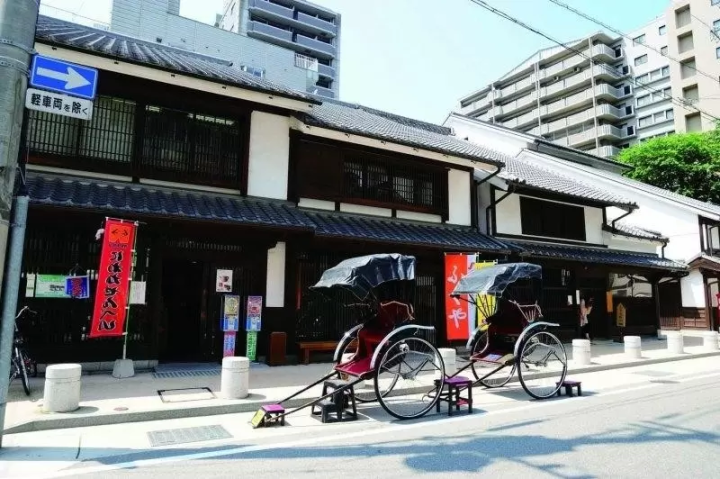
Dubbed a "city within a city," this massive complex has defined Fukuoka’s modern entertainment landscape since 1996. Spanning 43,500 square meters, it houses theaters, boutiques, and an iconic canal. The daily fountain shows and 3D projection mapping displays on the building’s curved glass surfaces are essential viewing for any visitor.
3. Hakata Machiya Furusato-kan
To understand modern Hakata, one must look at the Meiji and Taisho eras. This museum, composed of three distinct buildings, showcases the traditional lifestyle of local merchants. The "Townhouse Building" is a masterclass in architectural restoration, while the "Exhibition Building" provides live demonstrations of traditional Hakata crafts.
4. Kushida Shrine
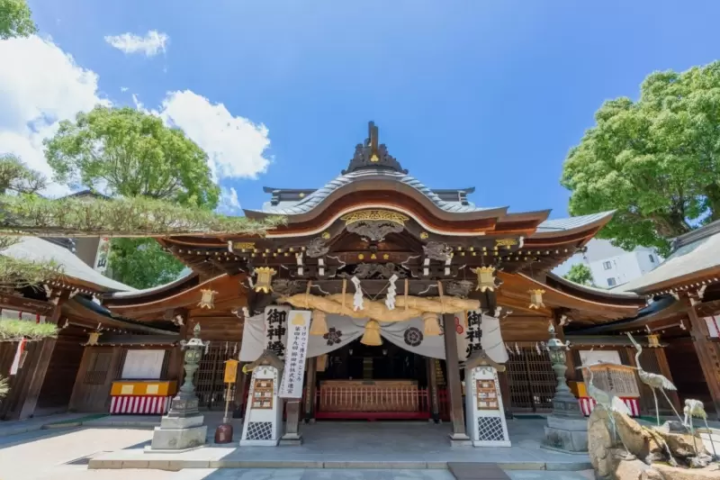
As the guardian deity of Hakata, Kushida Shrine is steeped in spiritual and cultural significance. It is the spiritual home of the Hakata Gion Yamakasa, a UNESCO Intangible Cultural Heritage festival. Pilgrims and tourists alike flock to the "Sacred Crane Well" (Reizen Tsuru no Ido), where the water is said to grant health and longevity.
5. Nangakusan Tochoji Temple
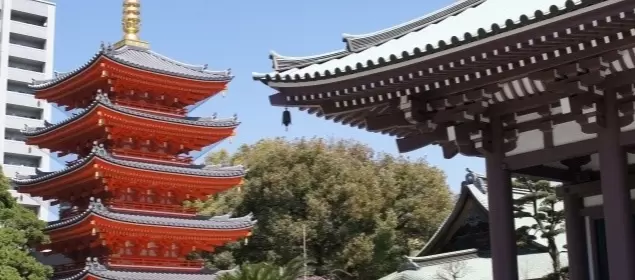
Founded by the legendary monk Kukai (Kobo Daishi), Tochoji is the oldest esoteric Buddhist temple in the region. It houses the Fukuoka Great Buddha, a 10.8-meter-tall wooden masterpiece. The base of the statue features a "journey through hell and paradise" corridor, a symbolic pilgrimage that remains one of the most unique spiritual experiences in Japan.

6. Rakusui-en
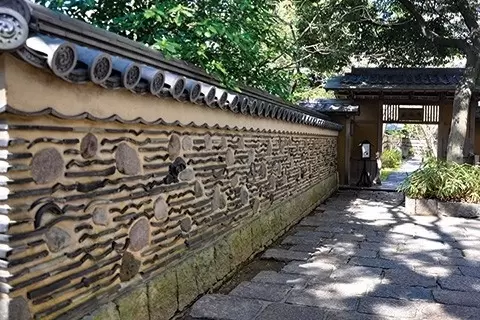
Once the villa of a prominent Hakata merchant, Rakusui-en is now a meticulously maintained Japanese garden. It offers a rare, quiet refuge from the downtown bustle, where visitors can enjoy authentic matcha tea while overlooking the tranquil ponds and seasonal flora.

The Pulse of Entertainment: Nakasu and Tenjin
Moving toward the city’s entertainment core, the Nakasu and Tenjin districts offer a more energetic, modern atmosphere.
7. Fukuoka Asian Art Museum
This institution is globally recognized for its focus on Asian art. With a collection of over 5,000 works, it bridges the gap between historical regional art and contemporary expression, covering a vast geographical area from Mongolia to Indonesia.
8. Tenjin Underground Shopping Mall
Stretching 590 meters, this underground network is an architectural delight modeled after 19th-century European streetscapes. With 150 shops and boutiques, it is the city’s primary fashion hub, protected from the elements and illuminated by elegant stained glass.

9. Bayside Place Hakata
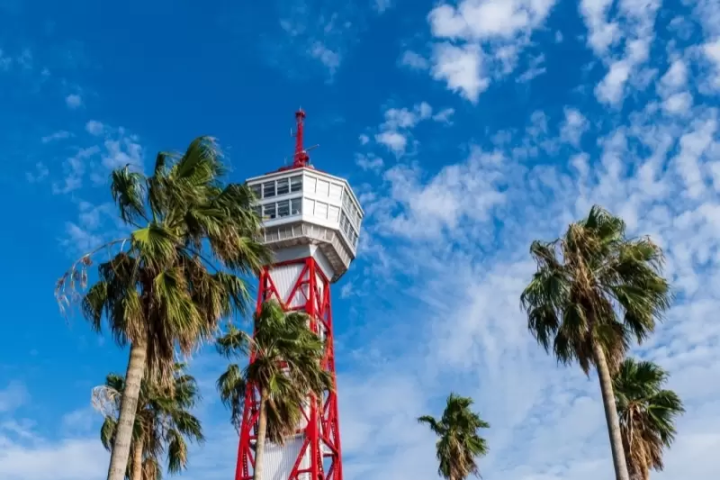
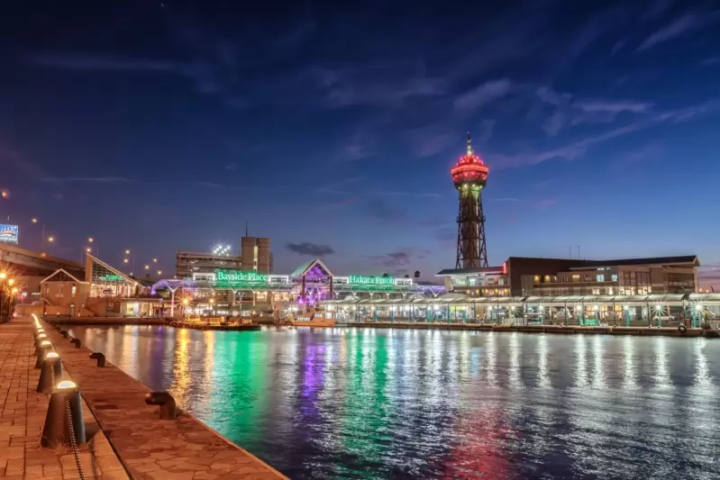
Positioned next to the Hakata Wharf, this complex captures the maritime soul of the city. Beyond its aquarium and the iconic Hakata Port Tower, the bayside market is a must-visit for foodies, offering fresh seafood and regional produce directly from the source.
10. Ohori Park
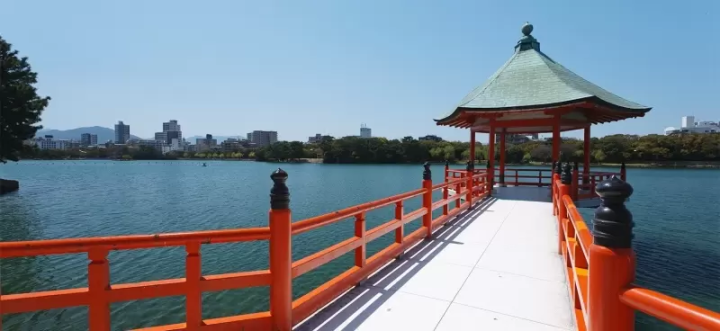
One of Japan’s premier waterfront parks, Ohori Park is built around a large pond that was once part of the moat system of Fukuoka Castle. With a 2-kilometer jogging path and serene Japanese gardens, it serves as the "green lung" for the local population.
11. Fukuoka City Zoological and Botanical Garden
Home to over 110 species of animals and 2,600 types of plants, this facility provides an educational excursion for families. It is particularly noted for its conservation efforts and diverse horticultural displays.

Expanding Horizons: Beyond the City Center
For those looking to venture further, the wider Fukuoka area offers expansive entertainment and scenic landscapes.
12. BOSS E・ZO FUKUOKA
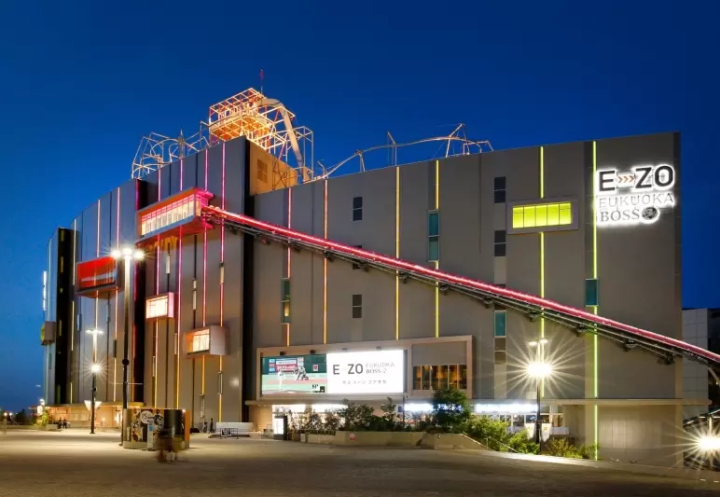
Located adjacent to the PayPay Dome, this is a cutting-edge experiential facility. From virtual reality attractions to the teamLab Forest museum and the Yoshimoto comedy theater, it is designed for a full day of immersive entertainment.
13. Fukuoka Tower
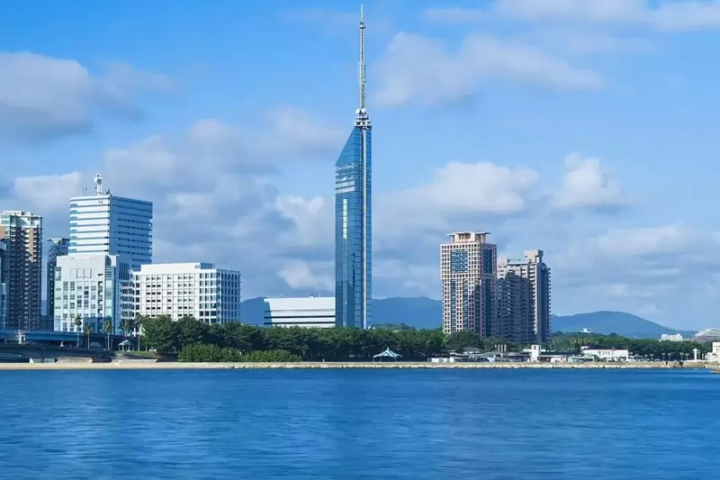
Standing 234 meters tall, this seaside tower offers a 360-degree view of the coast and city. At night, its illumination turns it into a beacon for romantic outings, providing a stunning backdrop to the neighboring Momochi Beach.
14. Marine World Uminonakamichi
Reimagined in 2017 with a "Seas of Kyushu" theme, this aquarium offers an intimate look at local marine life. The dolphin and sea lion shows are perennial favorites, set against the backdrop of the expansive Hakata Bay.
Hidden Gems for the Discerning Traveler
For the repeat visitor, these four spots offer a deeper connection to Hakata’s history and hidden character.
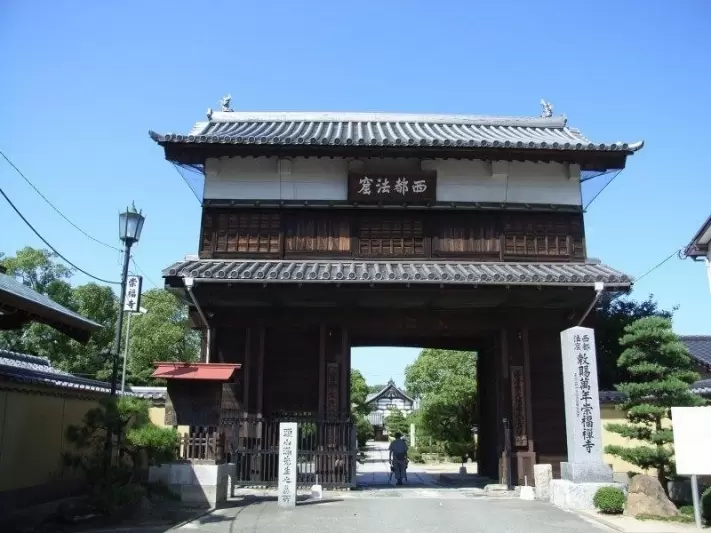
- 15. Sofuku-ji Temple: The ancestral temple of the Kuroda family. It is a haven for history enthusiasts, featuring remains from the Fukuoka Castle gates and the oldest Chinese-style gate in the ward.
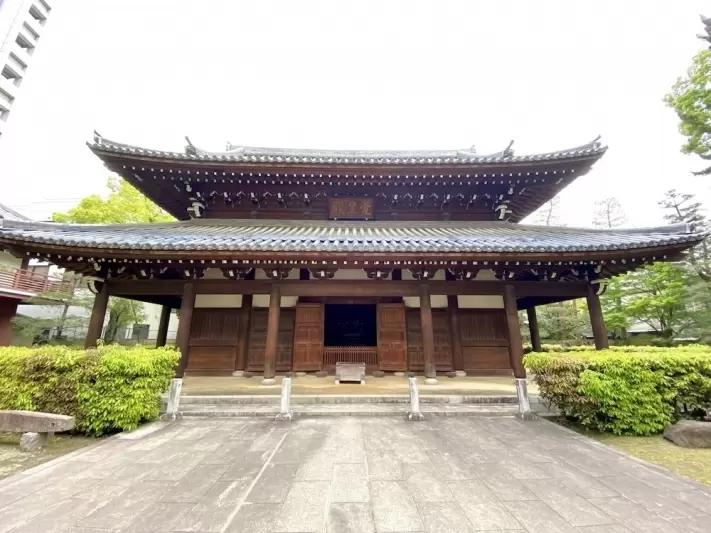
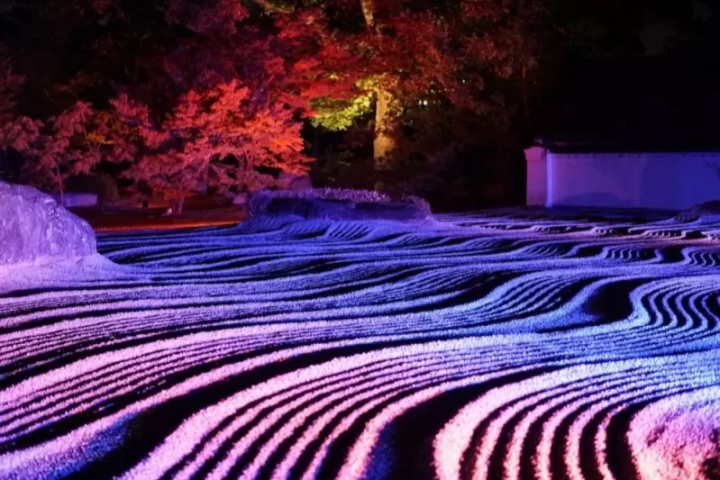
- 16. Jotenji Temple: The birthplace of the Hakata Gion Yamakasa and a site of major cultural significance regarding the introduction of flour-based foods like udon and soba to Japan. Its "Sentotei" dry landscape garden is a masterpiece of light and shadow.
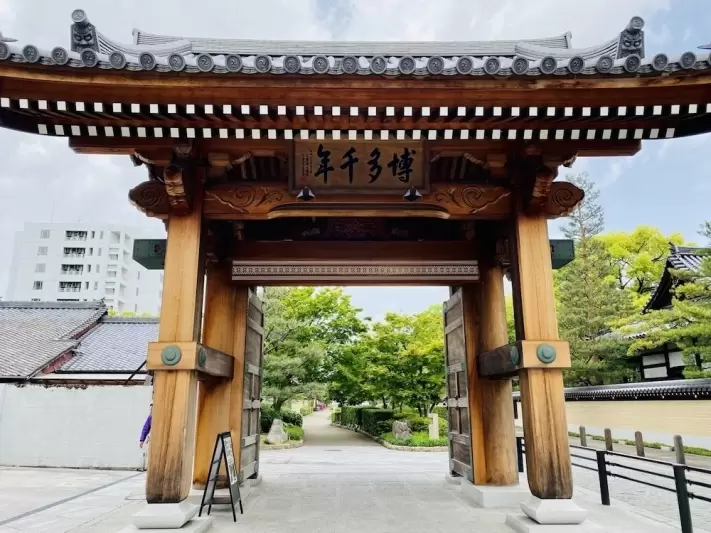
- 17. Hakata Millennium Gate: A modern symbol of tradition, this gate was constructed using 1,000-year-old camphor wood to serve as the grand entrance to the city’s historic temple district.
- 18. Fukuoka City Literature Museum: A quiet, intellectual corner of the city that archives the rich literary history of Fukuoka, perfect for those seeking to understand the region’s cultural evolution.
Tranquil Escapes: Adult Getaways
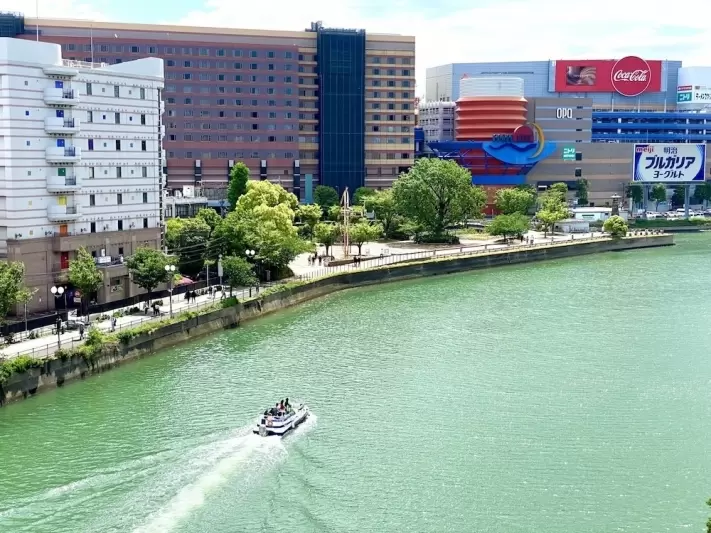
19. Nakagawa River Cruise
A romantic and relaxing way to view the city. Gliding past the neon lights of Nakasu and the architectural marvels of the riverfront, this cruise offers a unique perspective on the city’s nightlife.
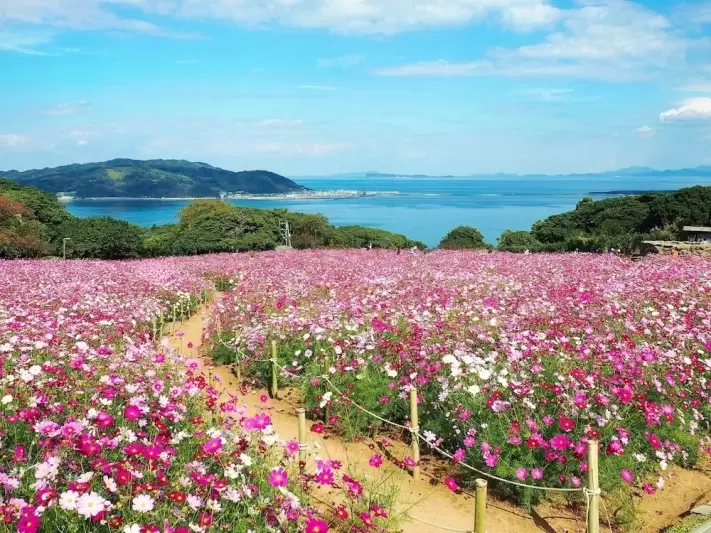
20. Nokonoshima Island
A short ferry ride reveals this island, a sanctuary for seasonal flowers and panoramic vistas. Once the home of writer Kazuo Dan, it remains a place of reflection and natural beauty.
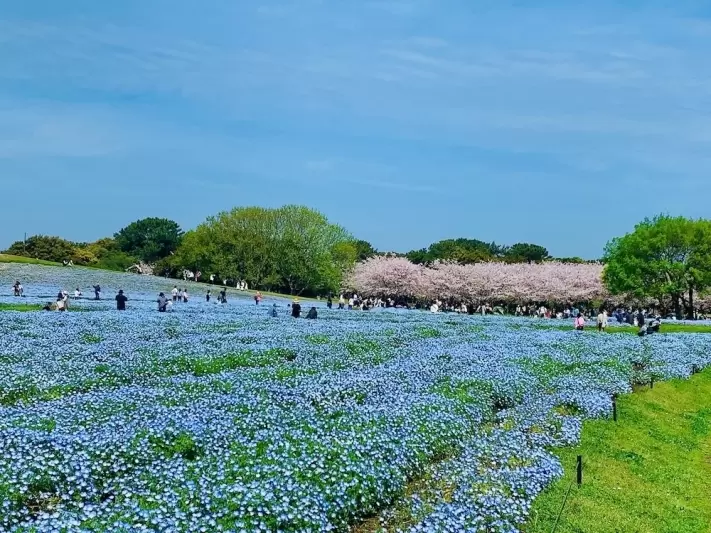
21. Uminonakamichi Seaside Park
A sprawling national park that offers everything from bicycle trails and amusement parks to animal encounters. It is the ultimate destination for those looking to reconnect with nature within a short transit time from the city center.
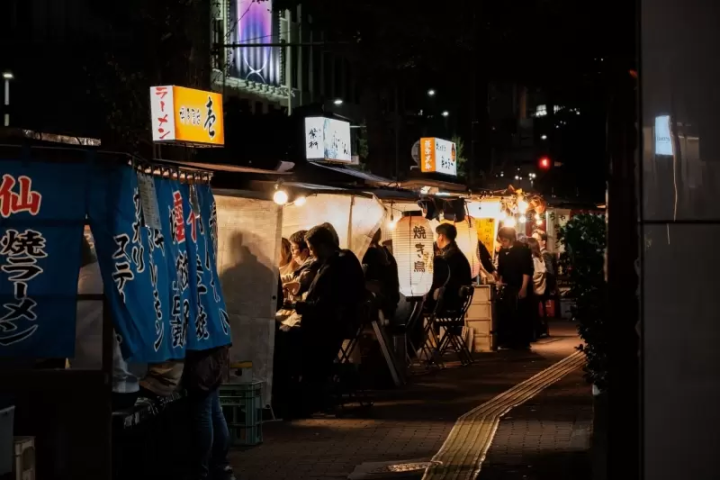
The Culinary Soul: The Yatai Experience
No trip to Hakata is complete without visiting the yatai. These street stalls are the heart of local social life.
- 22. Taishu Teppanyaki Yatai Nakanakanaka: Famous for its cast-iron skillet dishes and the original craft beer offerings, specifically their signature juicy dumplings.
- 23. Hakata-kko Junjo Yatai Kiryu: Known for dumplings made with the unique dough used for Umegae Mochi. Their "Hakata Gurumaki" is a local cult favorite.
- 24. KENZO: A Nakasu institution. Their yakiramen (fried ramen) topped with a runny egg is widely considered the best late-night comfort food in the city.
- 25. Takechan fr Tsukasa: A testament to the skill of modern stall masters, offering authentic tonkotsu ramen and high-quality grilled local chicken.
Accommodations: A Strategic Base
To maximize your exploration of these 25 locations, the Oriental Hotel Fukuoka Hakata Station serves as the ideal headquarters. With its location just one minute from the station, it offers seamless access to the subway and bus networks. The hotel’s commitment to "high-quality hospitality" and a breakfast buffet featuring over 50 local ingredients ensures that guests are energized for their daily adventures. Whether you are returning from a late-night stall crawl in Nakasu or a morning hike on Nokonoshima, the hotel provides the perfect, sophisticated respite to conclude your Hakata journey.

Chronology and Context
- 1240-1242: Foundations of key temples like Sofuku-ji and Jotenji are established, marking the early influence of Zen Buddhism.
- 1996: Canal City Hakata opens, signaling a new era of large-scale urban development in Fukuoka.
- 2017: Marine World Uminonakamichi completes its massive renovation, modernizing the aquarium experience for international standards.
Implications for Travelers
Hakata’s strength lies in its walkability and the integration of transit with heritage sites. By staying near the station, visitors can effectively reduce travel fatigue while maintaining access to both the historical "Old City" and the modern entertainment corridors. As the city continues to prioritize the preservation of its yatai culture and temple districts, it remains one of Japan’s most dynamic yet accessible travel destinations.


 Neng Nana
 Asro
Asro