Nana
Nana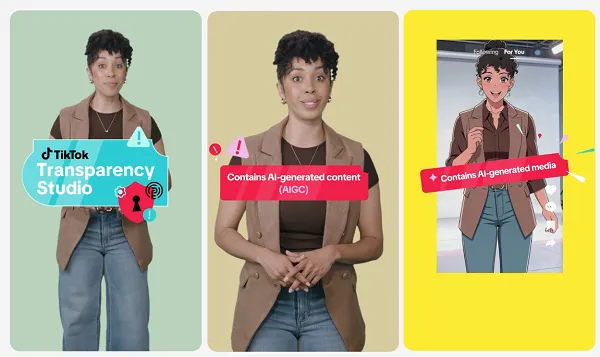
In an era defined by the rapid proliferation of generative artificial intelligence, TikTok has unveiled a comprehensive, multi-layered initiative aimed at curbing the tide of AI-generated content (AIGC) that has begun to flood its platform. As the lines between human creativity and algorithmic output blur, the social media giant is moving to fortify its ecosystem through enhanced educational programs, advanced detection protocols, and expanded transparency mandates. This strategic pivot highlights the precarious balancing act platforms must perform: embracing the creative potential of AI while simultaneously safeguarding the integrity of the user experience against a deluge of low-quality, deceptive, or harmful automated content.
Main Facts: A Three-Pronged Defense
TikTok’s latest announcement centers on three primary pillars: user literacy, technical detection, and universal labeling. Recognizing that technological gatekeeping alone is insufficient, the company is investing heavily in human-centric solutions.
The cornerstone of this effort is a newly launched AI Literacy Guide. Developed in collaboration with industry experts, including the National Association for Media Literacy Education (NAMLE) and AI ethics specialist Henry Ajder, the guide serves as an educational roadmap. It provides users with video explainers and practical methodologies to discern when content has been synthesized by machines. This educational drive will be further bolstered by a dedicated in-app hub, slated to launch in the coming weeks, which will provide real-time guidance to users when they search for AI-related terminology.
Beyond education, TikTok is tightening its technical net. The company is augmenting its detection systems to specifically identify and mitigate "AI slop"—the massive influx of spam and misinformation that threatens to overwhelm the feed. This includes a robust expansion of its labeling infrastructure, building upon a foundation that has already tagged over 3 billion videos as AI-generated.
The Chronology of an AI Crisis
To understand the urgency behind these measures, one must look at the recent trajectory of AI on social media.
- Early 2024: TikTok intensified its purge of fake accounts, reporting the removal of more than 86 million accounts in the first three months of the year alone. This massive cleanup served as a precursor to the company’s broader focus on automated content integrity.
- Mid-2024: The proliferation of sophisticated generative tools—ranging from deepfake video creators to automated text-to-speech engines—led to a noticeable spike in viral misinformation. Creators and bad actors alike began leveraging these tools to produce content at a pace that manual moderation could no longer match.
- Current Phase: Recognizing that the "tsunami" of AI content was beginning to dilute the quality of user feeds, TikTok shifted from reactive moderation to a proactive, integrated strategy involving external educational partnerships and internal algorithmic upgrades.
Supporting Data: The Scale of the Challenge
The sheer volume of content circulating on TikTok makes the platform a unique battleground for AI transparency. According to company disclosures, over 3 billion videos currently carry an AIGC label. This figure is achieved through a hybrid system:
- Content Credentials: Utilizing industry-standard metadata (such as the C2PA standard) to track the provenance of digital assets.
- Creator Labeling: Providing tools for users to manually identify their own AI-assisted content.
- Invisible Watermarking: Deploying proprietary technical signals embedded within files to identify synthetic media even when the creator fails to disclose it.
Despite these efforts, the challenge persists. With the accessibility of generative AI lowering the barrier to entry for content creation, the platform has seen a surge in "low-effort" content—the so-called "AI slop" that offers little creative value but clutters user discovery feeds. The financial incentives embedded in the creator economy further exacerbate this, as some users utilize AI to mass-produce content in hopes of hitting the algorithm’s reward metrics.
Official Responses and Strategic Rationale
In its official statement, TikTok emphasized that education is the most potent tool for long-term platform health. "We know from experts that education is critical to giving people control over their experiences with AI," a company spokesperson noted. "That’s why we’ve worked with industry partners… to create a new guide that helps our community use AI tools responsibly."
Regarding the crackdown on spam, the company’s stance is clear: evolution is a necessity. "We’ve long prohibited spam and used technology to find and remove it at scale… but as this kind of content evolves, so must the ways in which we protect the integrity of our platform."
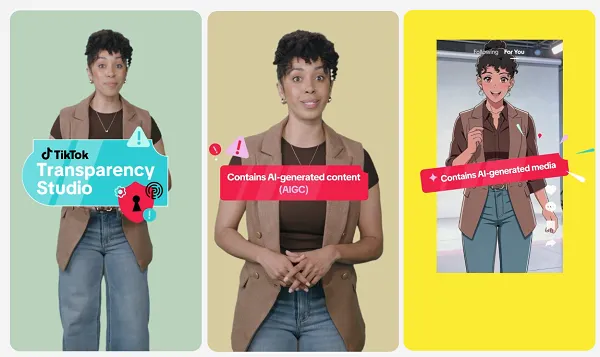
TikTok has specifically identified high-stakes categories—politics and current events, financial advice, and medical content—as the primary targets for its enhanced detection systems. By prioritizing these areas, the company hopes to prevent the erosion of public trust, which is often the first casualty of unchecked AI misinformation.
Implications: The Future of the "Feed"
The broader implications of this move suggest a significant shift in the social media landscape. For years, the goal of these platforms was to maximize content volume to keep users engaged. However, the rise of generative AI has inverted this value proposition. If the feed is saturated with synthetic, repetitive, or misleading content, the "value" of the human-generated content that made the platform successful is threatened.
1. The Dilution of User Trust
If users begin to feel that their feed is dominated by artificial, non-human content, they are likely to disengage. The "tsunami" of AI-generated posts threatens to turn discovery feeds into noise, making it difficult for creators to build genuine connections with their audiences. TikTok’s move to label and curate this content is, therefore, a survival strategy.
2. The Paradox of AI Promotion
TikTok faces a fundamental irony: it is a platform that relies on sophisticated AI algorithms to curate content, yet it must now deploy those same technologies to suppress the byproduct of other AI tools. This creates a "confusing approach" where AI is simultaneously promoted as a creative enabler and a destructive force. The platform is essentially trying to distinguish between "good AI" (which adds value, humor, or utility) and "bad AI" (which is used for mass-spam or deception).
3. The Shift Toward Curated Humanism
In the coming year, we can expect a pivot in how social platforms rank content. As TikTok improves its detection of AI spam, we may see a "human-first" algorithmic bias. Content that is verified as human-created or that demonstrates high-quality, non-automated interaction may be prioritized over high-frequency AI outputs.
4. Regulatory Pressure and Social Responsibility
By partnering with organizations like the Raspberry Pi Foundation and NoFiltr, TikTok is signaling to regulators that it is taking an active role in public AI literacy. This move is likely intended to head off potential legislation that would hold platforms strictly liable for the harms caused by AI-generated misinformation. By creating its own framework for transparency, TikTok is attempting to set the standard for the industry rather than waiting for external mandates to dictate its operational policies.
Conclusion: A New Era of Digital Literacy
As we navigate the maturation of generative AI, the distinction between "original" and "synthetic" will become the primary metric for content quality. TikTok’s initiative is not merely a technical update; it is an acknowledgment that the social media age is entering a new phase.
The success of these measures will depend on the platform’s ability to maintain a delicate equilibrium. If the detection systems are too aggressive, they risk stifling legitimate innovation and creative expression. If they are too passive, the platform risks losing the trust of its core user base. Ultimately, the burden of truth is shifting—not just to the platforms, but to the users themselves. As TikTok provides the tools and the education to spot AI content, the responsibility to navigate this digital landscape will increasingly rest on the audience’s ability to think critically about the media they consume. Whether this "war on slop" succeeds will define the next decade of digital interaction.

 Basiran
 Ali Ikhwan