

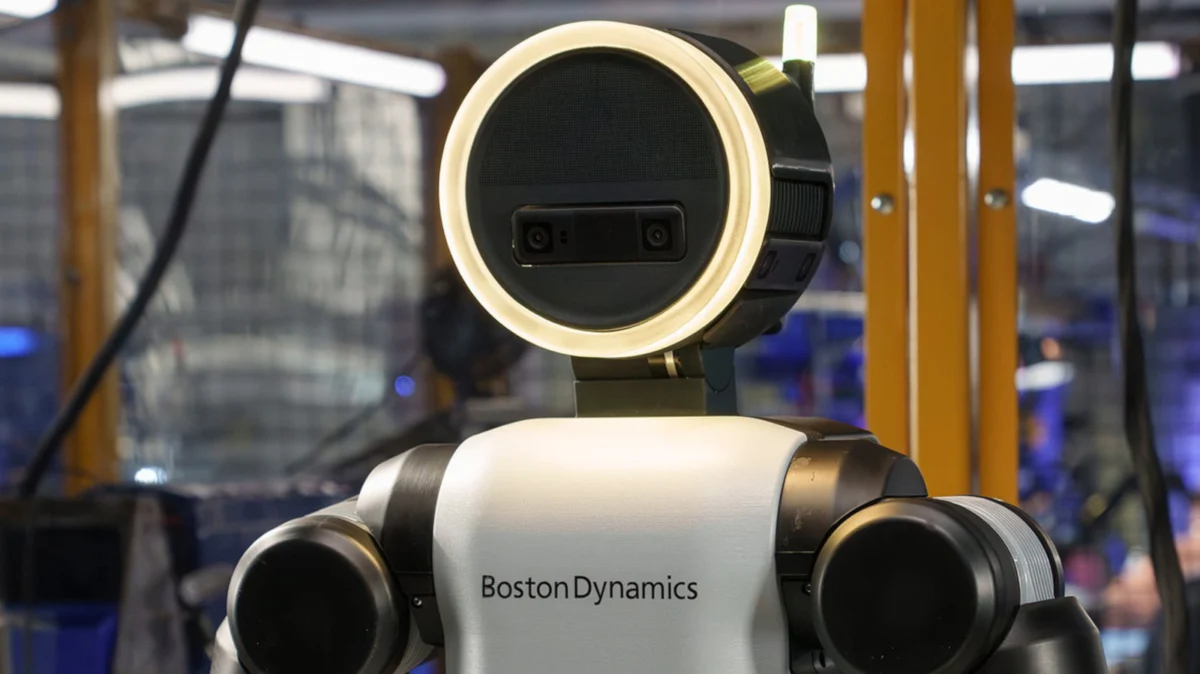
In a move that signals a seismic shift in the industrial landscape, South Korean automotive giant Hyundai Motor Group is reportedly finalizing plans to acquire the remaining stake of Boston Dynamics currently held by SoftBank. This strategic consolidation marks the end of a long-term transition for the robotics firm, moving it from a specialized research lab under the umbrella of Google and then SoftBank, into the core of a global manufacturing powerhouse.
By securing full ownership, Hyundai intends to pivot from being an automotive manufacturer to an integrated provider of "Physical AI." This transition centers on the rapid commercialization of the Atlas humanoid robot, a machine that has long captivated the public imagination and is now on the cusp of industrial deployment.
The Core Facts: A Strategic Consolidation
According to recent reports from Bloomberg, Hyundai is currently in the advanced stages of reviewing its contractual obligations to purchase the final 9.9 percent stake held by the Japanese conglomerate SoftBank. This transaction is estimated to be valued at approximately $325 million.
This move follows Hyundai’s initial acquisition of an 80 percent controlling stake in Boston Dynamics in 2020, a deal valued at $1.1 billion at the time. Since that initial purchase, the synergy between the two companies has grown significantly, with Hyundai integrating robotics into its automotive production lines and logistics operations. By moving to 100 percent ownership, Hyundai aims to streamline its decision-making processes, remove the complexity of third-party minority shareholders, and fully align the R&D trajectory of Boston Dynamics with its own ambitious industrial goals.
A Chronology of Innovation and Ownership
The journey of Boston Dynamics from an MIT spin-off to a cornerstone of Hyundai’s future is a testament to the rapid evolution of robotics.
- 1992: Boston Dynamics is founded as a spin-off from the Massachusetts Institute of Technology, initially focusing on developing robots for the U.S. military.
- 2013: Google (Alphabet) acquires the company, bringing it into its "Moonshot" division. During this era, the company focused heavily on locomotion and balance, producing viral videos of the bipedal Atlas robot.
- 2017: Alphabet sells Boston Dynamics to SoftBank, seeking to offload hardware-heavy ventures that did not fit their primary software and services focus.
- 2020: Hyundai Motor Group announces its acquisition of an 80 percent stake in Boston Dynamics, valuing the company at $1.1 billion.
- 2026 (Q1): Boston Dynamics unveils a "production-ready" version of the Atlas robot at CES, shifting the narrative from experimental research to industrial utility.
- 2026 (July): Reports emerge that Hyundai is moving to acquire the final 9.9 percent stake from SoftBank, aiming for total control.
The Rise of Physical AI
Hyundai’s interest in Boston Dynamics is not merely about owning hardware; it is about the integration of "Physical AI." While the tech world has been preoccupied with Large Language Models (LLMs) and generative text, Hyundai is betting that the next frontier is the embodiment of intelligence in physical machines that can navigate and manipulate the real world.
"Through this integrated approach, the group aims to accelerate the development, validation, and commercialization of Physical AI technologies and robotics solutions," Hyundai stated in a recent press release. By owning the full stack—from the mechanical engineering of the Atlas limbs to the neural networks that guide its decision-making—Hyundai hopes to create a seamless ecosystem where robots can learn from one another and improve their performance in real-time.
Partnerships: The NVIDIA and DeepMind Connection
Hyundai is not undertaking this monumental task alone. The company has secured high-level partnerships with industry titans NVIDIA and Google DeepMind. NVIDIA provides the high-performance computing infrastructure and simulation environments (such as Omniverse) required to train these robots in virtual reality before they ever step onto a factory floor. Meanwhile, Google DeepMind’s expertise in advanced machine learning and reasoning is being leveraged to help the Atlas robot understand complex, unstructured tasks—the kind of work that has traditionally been too "messy" for standard industrial automation.
The Atlas Roadmap: From Factory Floor to Global Utility
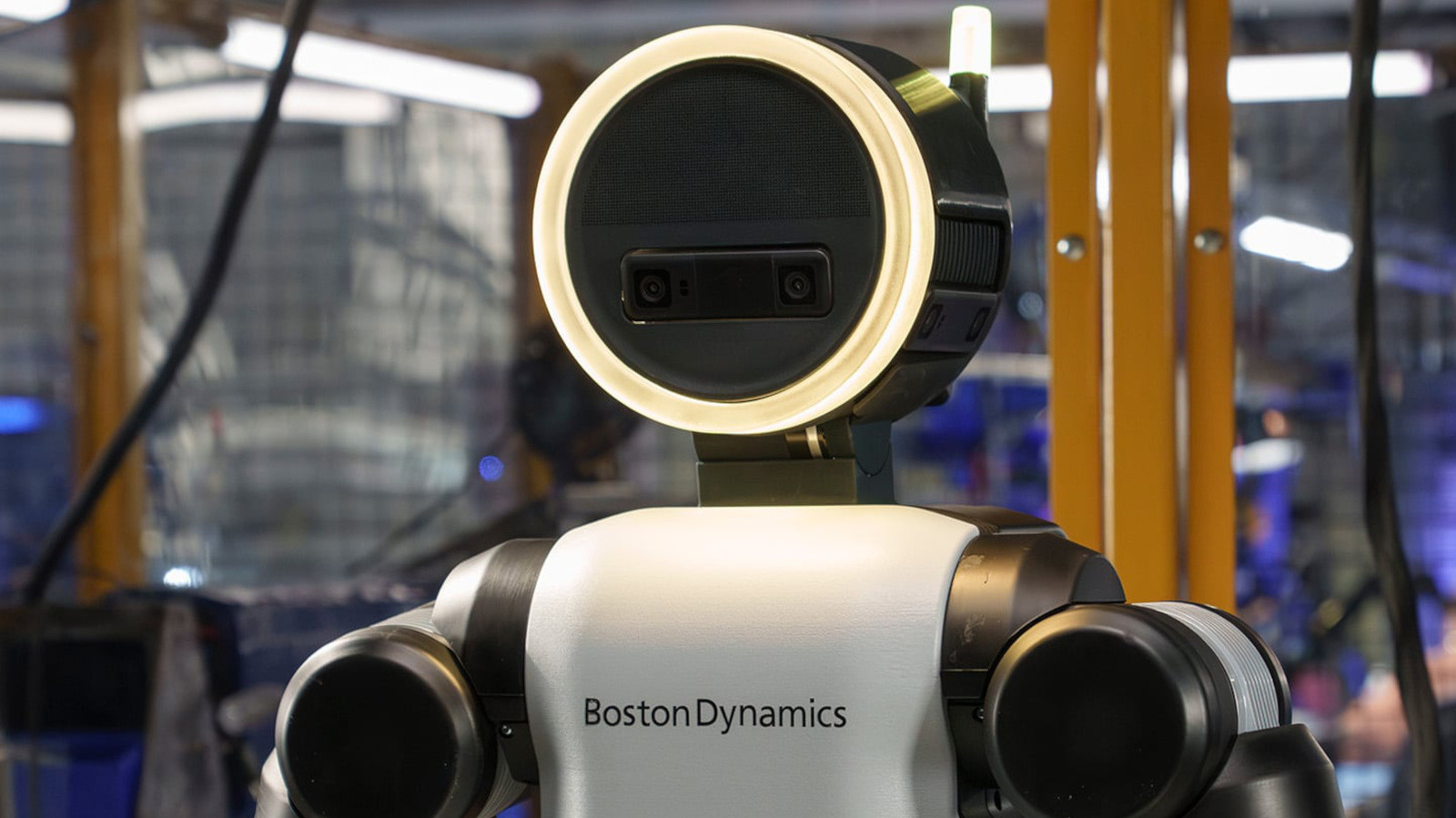
The Atlas robot has come a long way from its early days of performing backflips for viral YouTube videos. The modern iteration, showcased at the FIFA World Cup where it was seen handing a match ball to a referee, is a more stable, agile, and sophisticated machine designed for human-centric environments.
The 2028 Production Goal
Hyundai has set an ambitious timeline. The company plans to begin mass production of the Atlas humanoid at its state-of-the-art manufacturing facility in Georgia, USA, by 2028. The goal is to reach an output of 30,000 units per year.
Phased Deployment Strategy
The integration of Atlas will happen in stages:
- Phase One (Logistics and Welding): Initially, Atlas robots will be deployed for repetitive, high-precision tasks that are currently hazardous or monotonous for human workers. This includes heavy lifting in logistics and standardized spot-welding on vehicle assembly lines.
- Phase Two (Complex Assembly): By 2030, Hyundai expects these machines to handle more nuanced tasks, such as component assembly and interior installation, which require a higher degree of dexterity and adaptability.
Implications for the Global Economy
The transition to total ownership by Hyundai could have far-reaching implications for the automotive sector and beyond.
1. The Future of Work
As Hyundai scales production to 30,000 units annually, the conversation surrounding labor and automation will inevitably intensify. While proponents argue that robots will take on "dull, dirty, and dangerous" jobs, labor advocates are already expressing concerns about the potential for human displacement in the manufacturing sector. Hyundai has emphasized that its robots are intended to work alongside humans in a collaborative fashion, acting as force multipliers rather than simple replacements.
2. Setting the Standard for Humanoids
For years, the humanoid robot market was fragmented and experimental. By standardizing production through its automotive manufacturing prowess, Hyundai is attempting to do for humanoids what Henry Ford did for the automobile: make them accessible and functional at scale. If successful, the Hyundai-Atlas model could become the global benchmark, forcing competitors like Tesla (with its Optimus project) and various Chinese robotics firms to accelerate their own timelines.
3. Economic Impact on South Korea and the US
By utilizing its Georgia plant for production, Hyundai is signaling that the future of robotics is deeply tied to domestic manufacturing in the West. This creates a bridge between South Korean engineering leadership and American industrial capacity, potentially insulating the company from the volatility of global supply chains.
Official Responses and Industry Outlook
While SoftBank has remained relatively quiet regarding the sale, the move is widely viewed as a typical exit strategy for the Japanese investment firm, which prefers to capitalize on its initial bets once the technology reaches a certain maturity level.
For Hyundai, the narrative is one of transformation. Executives have noted that the automotive industry is reaching a plateau in terms of traditional vehicle efficiency, and the next wave of growth will come from the "Mobility of Things"—the ability to move goods and perform services in the physical world with the same efficiency that software currently moves information.
As the industry looks toward 2028, the success of the Atlas robot will hinge on whether Hyundai can bridge the gap between a high-cost laboratory prototype and a reliable, cost-effective industrial tool. If they succeed, they will not just be selling cars; they will be selling the infrastructure of the future workforce.
The acquisition of the remaining stake in Boston Dynamics is more than a financial transaction; it is a declaration that the age of the humanoid robot in the factory is no longer a matter of "if," but "when." As Hyundai moves to fully integrate these machines, the world watches to see if the dream of a robot-augmented future can truly become a mass-market reality.











