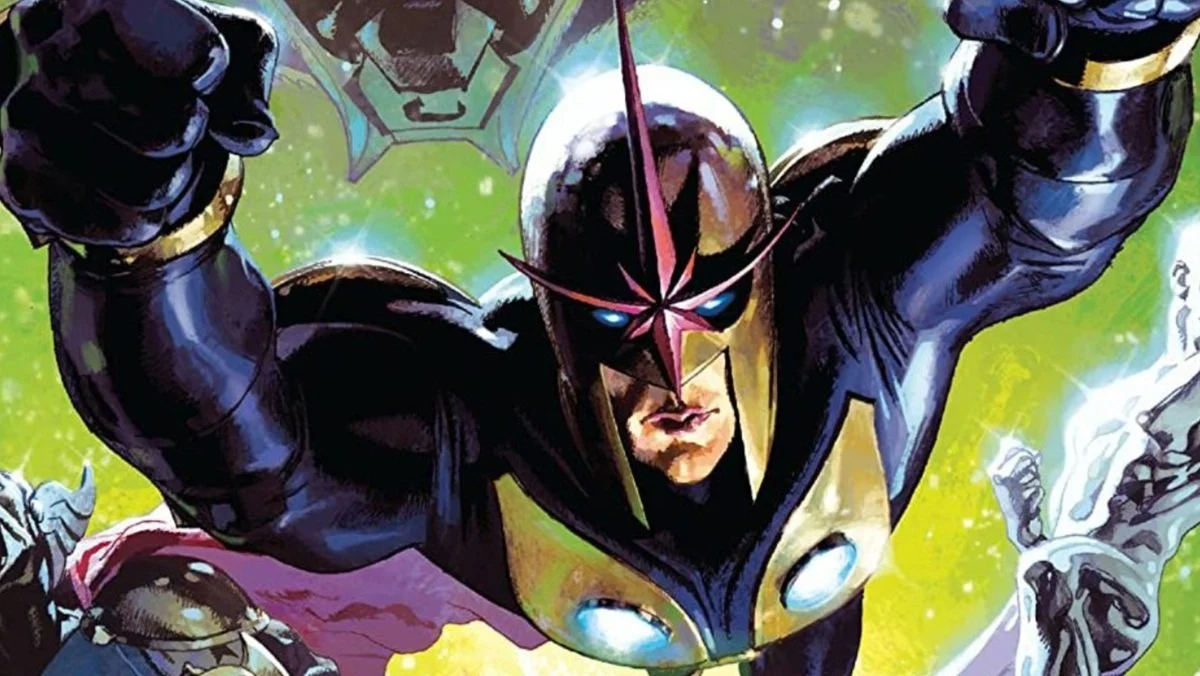
In a move that has sent shockwaves through the comic book community and the film industry alike, Marvel Studios has officially greenlit a feature film centered on the intergalactic peacekeeper known as Nova. According to reports from Deadline, the project is officially back on the slate, with Michael Waldron—the architect behind the acclaimed Loki series and the writer of Doctor Strange in the Multiverse of Madness—tapped to spearhead the creative vision for the film.
This announcement marks a significant pivot for Marvel Studios, which had previously oscillated between developing Nova as a standalone theatrical release and a limited series for Disney+. After a period of development stagnation that saw the project shelved, the sudden reactivation of Nova suggests a strategic realignment within the Marvel Cinematic Universe (MCU) as it looks to diversify its cosmic landscape.
A Turbulent Chronology: From Development Hell to the Silver Screen
The journey of Nova to the big screen has been anything but linear. For years, fans have clamored for the introduction of Richard Rider, the quintessential Nova Centurion. In the early days of the MCU, the character was frequently cited as a logical successor to the Guardians of the Galaxy corner of the franchise.
The concept underwent several iterations over the last decade. Initially envisioned as a cinematic debut during the MCU’s Phase 4 planning, the project was later demoted to a potential Disney+ series. This shift was largely attributed to the complex narrative logistics of introducing an intergalactic police force into an already crowded multiverse. However, by mid-2024, Marvel Television officially paused the development of several projects, including Nova, Horror Inc., and Strange Academy, as the studio shifted its focus toward quality control and streamlined output.
The surprise announcement in 2026 suggests that Marvel has found the right creative hook to justify the investment. By choosing Michael Waldron—who has demonstrated a unique ability to handle complex lore, time-travel mechanics, and multiversal stakes—Marvel is signaling that Nova will not be a simple space-adventure, but likely a pillar of the MCU’s future cosmic narrative.
Understanding the Mythos: Who is Richard Rider?
To the uninitiated, Nova represents one of the most compelling "everyman" archetypes in the Marvel canon. First appearing in The Man Called Nova #1 in 1976, the character was created by Marv Wolfman and John Romita Sr. The origin story is a quintessential space opera trope: Richard Rider, a seemingly ordinary teenager from Hempstead, New York, is chosen by a dying Rhomann Dey, the last surviving member of the Xandarian Nova Corps.
As the alien officer passes away, he transfers his uniform and the collective power of the Nova Force to the unsuspecting teenager. Suddenly, Rider is thrust from the mundanity of high school life into the role of a Nova Centurion, tasked with protecting the galaxy as a member of an intergalactic police force.
The parallels to DC Comics’ Green Lantern are impossible to ignore. Much like Hal Jordan being chosen by the dying Abin Sur to join the Green Lantern Corps, the "dying alien hands off power to an Earth human" narrative is a foundational trope of the space-cop genre. While fans have long debated the similarities, both companies have historically engaged in a cycle of creative "homage" and competition, ensuring that the rivalry remains a constant in the comic book industry.
The "Lanterns" Factor: Competition or Coincidence?
The timing of this announcement has raised eyebrows among industry analysts. With DC Studios preparing for the premiere of their highly anticipated Lanterns series this August, the announcement of a Nova film feels like a strategic counter-move.
Is this merely a coincidence? History suggests otherwise. When news first broke that DC was moving forward with Lanterns—a project under the watchful eye of James Gunn, who previously helmed the Guardians of the Galaxy trilogy—it created a clear competitive pressure. By greenlighting Nova, Marvel is effectively ensuring that they have a "cosmic cop" franchise to mirror the prestige and scale of the DC project.
The optics suggest a race to capture the audience’s imagination regarding intergalactic peacekeeping. If Lanterns succeeds in redefining the sci-fi genre for television, Marvel will have Nova ready to serve as a cinematic response. If Lanterns falters, Marvel maintains the high ground by offering a more traditional, big-budget blockbuster approach to the same fundamental concept.
Integration into the Modern MCU
Despite the skepticism surrounding its timing, Nova serves a critical structural purpose within the current MCU. The groundwork for the Nova Corps was laid as far back as 2014’s Guardians of the Galaxy, where they acted as the primary planetary defense force for Xandar.
In the climax of that film, the Guardians, alongside the Nova Corps, successfully repelled Ronan the Accuser. However, the tragedy of the Nova Corps was established in Avengers: Infinity War, where it was revealed that Thanos decimated Xandar and decimated the Corps to secure the Power Stone.
The Nova film has a rich thematic tapestry to pull from. Whether the story focuses on the remnants of the Corps attempting to rebuild, or a "prequel-style" exploration of the Corps at the height of its power, the internal history of the MCU provides a ready-made conflict. Furthermore, the character of Richard Rider provides a human anchor, allowing the audience to process the vast, terrifying scale of the cosmos through a relatable lens.
The Michael Waldron Effect: Why He Was the Right Choice
The selection of Michael Waldron as the creative lead is the most telling aspect of this news. Having successfully navigated the tonal tightrope of Loki, Waldron has proven he can balance character-driven drama with the absurd, reality-bending requirements of a high-budget franchise.
His work on Doctor Strange in the Multiverse of Madness showcased his willingness to take risks with established characters, and his tenure on Loki provided some of the most profound character growth in the history of the MCU. For a character like Nova—who is often portrayed as a reluctant hero burdened by the immense responsibility of his powers—Waldron’s talent for exploring themes of duty, isolation, and destiny is perfectly suited.
Implications for the Future of the MCU
As we look toward the next five years of Marvel content, the announcement of Nova suggests a move away from the "multiverse-of-everything" fatigue. Instead, the studio appears to be refocusing on specific, high-stakes galactic stories.
If Nova is successful, it could serve as a bridge between the street-level heroes of New York (like Daredevil and Spider-Man) and the cosmic entities like the Eternals or the Celestials. The Nova Corps, by nature, operates in the gray areas of the galaxy, allowing for stories that are grittier and more militaristic than the lighthearted tone of the Guardians films.
Furthermore, the film provides Marvel with an opportunity to re-introduce the cosmic side of their universe without the immediate need for a team-up movie. By focusing on a single, powerful protagonist, Marvel can tighten its narrative focus, avoiding the bloated ensemble casts that have characterized some of their less successful recent outings.
Conclusion: A New Dawn for Marvel’s Cosmic Expansion
While we remain in the early stages of development with few details regarding casting or plot, the resurrection of Nova is a win for fans who have waited decades to see the character take center stage.
The project represents a maturation of the Marvel Cinematic Universe—a willingness to delve into the deeper, more niche corners of the comic book history, and a savvy acknowledgment that the competition from DC is only going to increase in intensity. With Michael Waldron at the helm, the Nova movie is not just a necessity for the studio’s bottom line; it is a creative opportunity to define the next era of the Marvel cosmic mythos.
As the industry watches the "cosmic cop" race unfold between Marvel and DC, one thing is certain: the galaxy is about to get a lot more crowded, and for fans of intergalactic intrigue, that is exactly what we have been waiting for.