Evan Lee Salim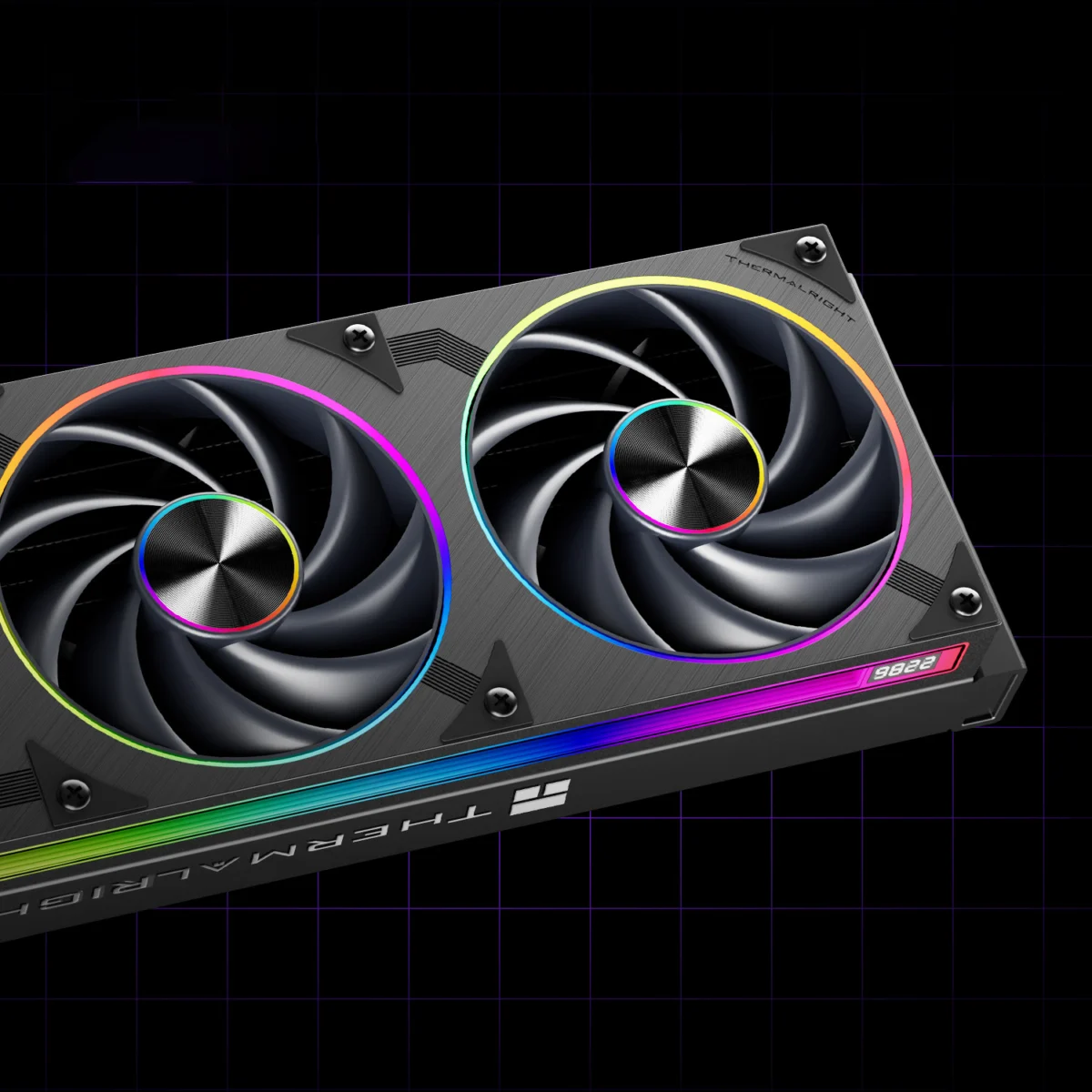
In the hyper-competitive landscape of PC cooling solutions, manufacturers are constantly seeking ways to differentiate their products beyond raw thermal performance. Thermalright, a brand long celebrated for delivering high-performance cooling at aggressive price points, has officially entered the "luxury display" segment of the market. With the launch of the Dynamic Vision PRO 360 ARGB Black, the company is not merely offering an AIO (all-in-one) cooler; it is introducing a centerpiece component designed to dominate the aesthetic profile of any high-end gaming or workstation build.
Featuring an industry-leading 5.5-inch magnetic LCD screen and a specialized VRM cooling architecture, the Dynamic Vision PRO 360 is Thermalright’s boldest attempt yet to bridge the gap between enthusiast-grade performance and high-fidelity customization.
Main Facts: A Technical Overview
The Dynamic Vision PRO 360 ARGB Black represents a significant engineering shift for Thermalright. While the brand has historically focused on functional excellence—most notably with its peerless air coolers—this new liquid cooling unit signals a pivot toward the "showcase" market.
The Display Revolution
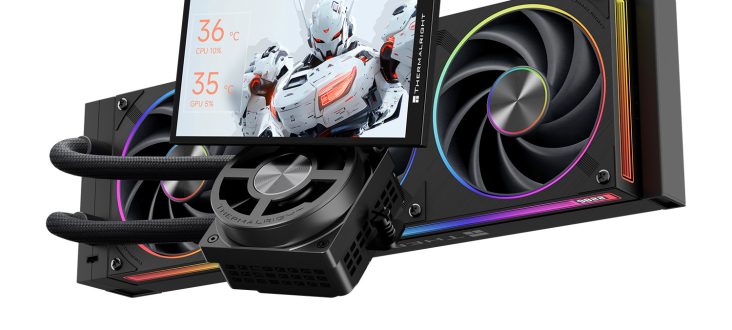
The most striking feature of the new unit is its massive 5.5-inch LCD screen. Unlike traditional AIOs that feature small, circular 1.5-inch or 2.1-inch OLED panels, the Dynamic Vision PRO utilizes a screen size typically reserved for internal PC sensor panels. By mounting this display magnetically atop the pump block, Thermalright offers users an unprecedented degree of modularity. The magnetic attachment system allows for easy removal and precise angle adjustments, ensuring that the display remains perfectly oriented regardless of the orientation of the water block installation.
Thermal Architecture and VRM Cooling
Performance remains the backbone of the unit. The cooling block integrates a dedicated VRM (Voltage Regulator Module) fan. Operating at a steady 2500 RPM, this fan generates 20.8 CFM of airflow and 2.3 mmH2O of static pressure. By focusing this airflow directly onto the motherboard’s power delivery components, Thermalright addresses a common issue in liquid-cooled systems: the lack of airflow around the CPU socket, which can often lead to thermal throttling of the motherboard components during heavy overclocking sessions.
Furthermore, the pump itself is a high-speed unit, capable of reaching 6800 RPM. This ensures rapid coolant turnover, which is essential for managing the heat density of modern high-TDP processors from both Intel and AMD.
Chronology: The Evolution of Thermalright’s Design
To understand the significance of the Dynamic Vision PRO, one must look at the trajectory of Thermalright over the last decade.
- 2015–2018: The Air Cooling Dominance. Thermalright solidified its reputation through legendary air coolers like the Le Grand Macho and the Silver Arrow series. During this time, the company focused almost exclusively on metalwork, heat pipe efficiency, and noise-normalized performance.
- 2019–2021: Entering the AIO Market. As the industry shifted toward AIOs, Thermalright cautiously entered the space with the Aqua Elite and Frozen series. These were strictly "value" products, designed to outperform competitors at half the price.
- 2022–2023: The Aesthetics Pivot. The company began integrating ARGB lighting and more refined pump designs. However, they remained largely conservative, avoiding the high-cost LCD screens favored by competitors like Corsair or NZXT.
- 2024–2025: The Flagship Era. The release of the Dynamic Vision PRO 360 marks the culmination of this evolution. By adopting high-end display technology and premium industrial design, Thermalright is now positioning itself as a direct competitor to "premium" cooling brands, challenging the status quo where high aesthetics necessitated high price tags.
Supporting Data: Performance Specifications
Thermalright has provided a breakdown of the technical specifications that govern the performance of the Dynamic Vision PRO 360.
Radiator and Fan Array
The cooling performance is handled by a 360mm radiator, which is standard for modern high-end builds. However, the accompanying TL-U36 fans are the star of the radiator performance. These are 25mm-thick, single-frame fans that prioritize static pressure and light diffusion.
- Fan Speed: Up to 2400 RPM.
- Airflow: Up to 71.5 CFM.
- Static Pressure: 2.69 mmH2O.
- Visual Features: The fans feature an innovative "infinity mirror" effect at the center hub, complemented by an ARGB strip running the full length of the fan frame. This creates a cohesive, high-luminance aesthetic that is currently trending in enthusiast PC builds.
The use of a single-frame design is a strategic choice. By ganging the fans together, Thermalright simplifies cable management, reducing the "cable clutter" that often plagues 360mm installations. This design choice aligns with current market demands for cleaner, more minimalist internal layouts.
Official Responses and Market Positioning
While Thermalright has not issued a formal manifesto regarding the release, company representatives have emphasized that the Dynamic Vision PRO 360 is a response to consumer feedback. Many users have expressed frustration with the "walled gardens" of software associated with premium AIOs. By focusing on a high-quality display and robust, universal hardware, Thermalright is attempting to provide a "hardware-first" solution that allows users more control over their system aesthetics without relying on proprietary, often bloated, software suites.
Industry analysts note that this product launch comes at a critical time. As the PC cooling market becomes saturated with near-identical AIOs, the "massive display" trend has become a way for brands to justify premium price points. By bringing this feature to their ecosystem, Thermalright is forcing a price correction in the premium tier, likely putting pressure on other manufacturers to lower their margins on similar LCD-equipped coolers.
Implications: The Future of PC Cooling
The release of the Dynamic Vision PRO 360 has several implications for the broader hardware ecosystem.
1. The Death of the Small LCD
For years, the 2.1-inch circular LCD was the gold standard. However, the 5.5-inch display on the Dynamic Vision PRO is arguably more functional. It allows for full-screen dashboards, video playback, and complex system monitoring that smaller screens cannot accommodate. We expect to see a market shift toward larger, rectangular displays as users realize that the space atop the CPU block is underutilized.
2. VRM Cooling as a Standard
The inclusion of a dedicated VRM fan is a welcome return to form. As processors demand more power, VRMs are running hotter than ever. If Thermalright’s design proves successful, we may see a resurgence in AIOs that prioritize motherboard component longevity over just pure CPU thermal dissipation.
3. The "Aesthetic Tax"
Historically, "premium" features like LCD screens were locked behind a high "aesthetic tax." Brands would charge $300+ for such units. Thermalright’s entry into this space suggests they will continue their trend of aggressive pricing. If they can offer a 5.5-inch display at a competitive price point, it will democratize high-end PC aesthetics, making them accessible to a wider demographic of PC builders.
Conclusion: A New Benchmark?
The Thermalright Dynamic Vision PRO 360 ARGB Black is more than just a cooler; it is a statement piece. By combining the massive 5.5-inch LCD with the high-performance TL-U36 fan array and the integrated VRM cooling, Thermalright has created a product that addresses the three most important aspects of modern PC building: Performance, Aesthetics, and Utility.
For the end user, the decision to purchase this unit will come down to a question of taste. Do you prefer the subtle, minimalist look of a hidden pump, or do you want your system to act as a digital canvas? With the Dynamic Vision PRO 360, Thermalright has ensured that those who choose the latter now have a professional-grade option that doesn’t compromise on thermal throughput.
As we look toward the future, it is clear that Thermalright is no longer just the "budget-friendly air cooler" brand. They have successfully transitioned into a full-service cooling powerhouse, capable of competing with the most established names in the industry. Whether this leads to a new "display war" among manufacturers remains to be seen, but for the PC enthusiast, the competition can only result in better, more feature-rich hardware.
Would you prefer an oversized display for your AIO, or do you prefer smaller displays that sit directly inside the CPU block? As the market moves toward larger, more integrated displays, the line between a computer and a piece of digital art continues to blur. Share your thoughts on the latest design trends in the comments below.


 Reynand Wu
 Basiran