

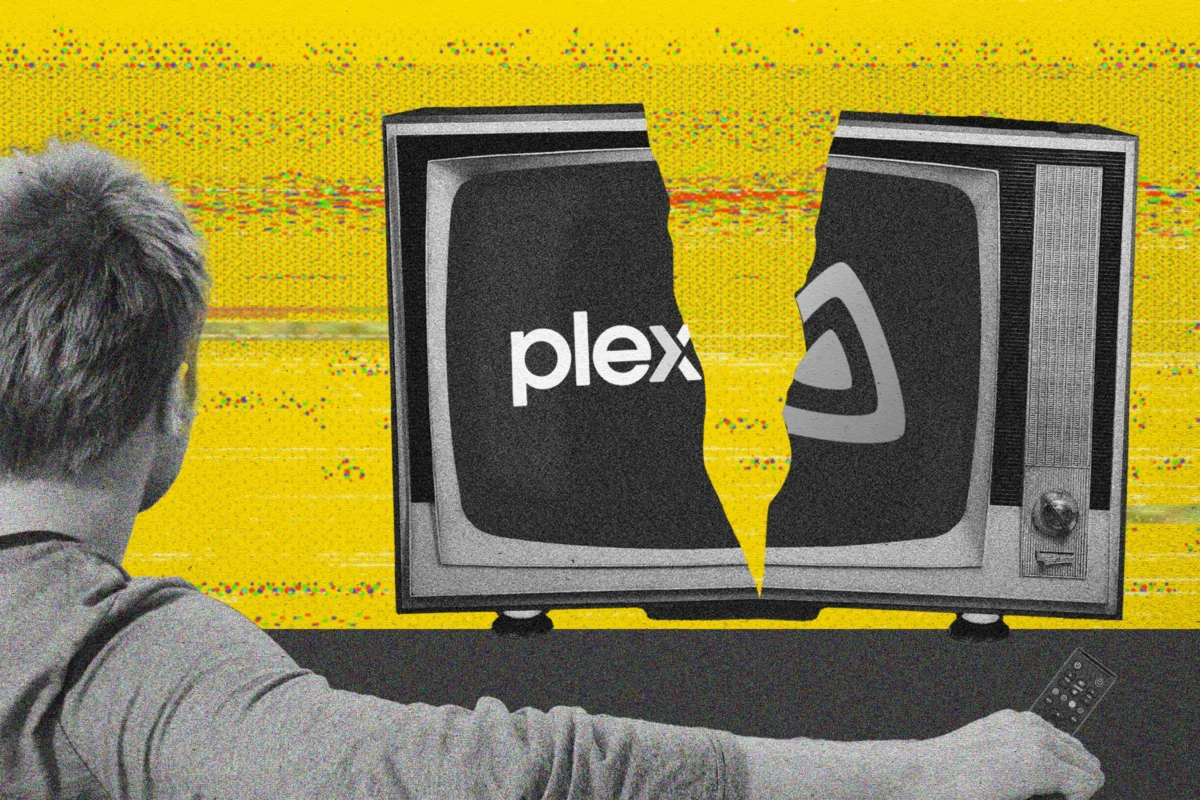
For years, Plex has been the undisputed titan of the personal media server world. It transformed the daunting task of organizing digital movie collections and TV show libraries into a sleek, Netflix-like experience that anyone—even those without a degree in computer engineering—could master. However, a growing sense of disillusionment is permeating the community. As the platform pivots toward ad-supported streaming and social integration, power users are beginning to ask a difficult question: Is it time to jump ship to the open-source alternative, Jellyfin?
The Shift: Plex’s Corporate Pivot
The friction between Plex and its long-term user base stems from a fundamental divergence in philosophy. Plex, once a boutique tool for enthusiasts to manage local files, has evolved into a media conglomerate. The company is aggressively pushing its own ad-supported, on-demand streaming content, often prioritizing these services in the user interface over the user’s own, carefully curated libraries.
Recent updates have introduced social features and user reviews—additions that many long-time users find intrusive and unnecessary. For those who view their server as a private sanctuary for personal media, these features feel like digital clutter. The core concern is that the software is no longer being designed solely for the people who pay for it, but rather for the advertisers who want to reach them.
The Cost of Loyalty
The economic argument for leaving Plex has also become harder to ignore. Users traditionally pay an annual subscription of approximately $70 for the "Plex Pass," which unlocks premium features like hardware transcoding, offline downloads, and advanced DVR capabilities.
For those looking to lock in a permanent solution, the "Lifetime Pass" was once the gold standard. However, the company’s recent decision to hike the lifetime price from $250 to $750 has sent shockwaves through the community. At current annual rates, a user would need to remain a subscriber for over a decade to break even on that investment. In an era where software-as-a-service (SaaS) companies rise and fall with alarming speed, a $750 non-refundable commitment is a gamble that many, including long-term power users, are no longer willing to take.
The Contender: Introducing Jellyfin
Enter Jellyfin, the open-source, community-driven alternative. Born as a fork of Emby, Jellyfin is free, transparent, and—crucially—contains no telemetry or "corporate-first" features. It aims to provide the same core functionality as Plex without the bloat. But, as with most transitions from a polished corporate product to an open-source project, the experience is not a simple 1:1 swap.
Chronology of the User Experience
To understand the viability of a switch, one must examine the progression of setting up a media ecosystem:
- The Local Foundation: For basic home streaming, Jellyfin is a resounding success. Users can install the server software, point it at their media directories, and enjoy a functional library within minutes. The metadata scanning is robust, and the client applications—available for almost every major platform—are responsive and clean.
- The Remote Access Barrier: This is where the "ease-of-use" gap widens. Plex handles remote connectivity through its own cloud infrastructure, allowing users to watch content away from home without needing a networking degree. Jellyfin lacks this central relay. Achieving remote access requires manual intervention: port forwarding, setting up a reverse proxy, or configuring a VPN. For the average user, this is a daunting barrier; for the power user, it is merely a weekend project.
- The Live TV and DVR Hurdle: Perhaps the most significant challenge lies in the Live TV and DVR experience. Plex offers a seamless integration with tuner hardware and provides integrated Electronic Program Guide (EPG) data. Jellyfin’s support is more restrictive, often favoring specific hardware like the HDHomeRun. Getting a standard PC-based tuner card to function often requires third-party middleware like NextPVR, which introduces complexity and potential failure points.
Supporting Data: Feature Comparison
| Feature | Plex | Jellyfin |
|---|---|---|
| Pricing | Subscription / $750 Lifetime | Free / Open Source |
| Remote Access | Native / "Plug and Play" | Requires Manual Setup |
| Metadata/EPG | Built-in | Requires External Sources/Plugins |
| Corporate Bloat | High (Ads, Social, News) | None |
| Customization | Low | High (Plugins, Themes) |
The Implications of Open Source
The primary implication of moving to Jellyfin is the shift from "consumer" to "administrator." While Plex offers a "set it and forget it" experience, Jellyfin requires active management.
However, this comes with profound advantages. Because Jellyfin is open-source, the community has developed an incredible array of plugins. Users can customize the interface, automate subtitle downloads, create newsletters for new content, and even design their own server branding. For those who find joy in the "tinkering" aspect of home lab administration, Jellyfin is not just an alternative—it is an upgrade.
Official Stances and Community Feedback
The community sentiment, as highlighted by figures like free software advocate Gardiner Bryant, is nuanced. Bryant and others have noted that while Jellyfin is a triumph of open-source engineering, it currently suffers from specific bugs that Plex has long since smoothed over—most notably in offline synchronization and photo management.
Furthermore, there is an underlying tension regarding external services. For instance, obtaining high-quality TV listings for a PVR often involves services like Schedules Direct. Because of technical incompatibilities and occasional disputes, users have reported that certain configurations can lead to account bans or service blocks, illustrating the risks of building a custom "Frankenstein" setup.
The Verdict: Who Should Switch?
The decision to migrate depends entirely on the user’s threshold for complexity versus their desire for autonomy.
- Stay with Plex if: You prioritize convenience above all else, rely heavily on Live TV and DVR, want your family or friends to access your server without needing a tech-support call, and aren’t bothered by the presence of ad-supported streaming content.
- Switch to Jellyfin if: You are a privacy advocate who dislikes corporate telemetry, you enjoy the process of "building" your software environment, you have the technical knowledge (or willingness to learn) to handle networking, and you want a media server that will never be sold or turned into an advertising billboard.
Conclusion: The Future of Personal Media
The rise of Jellyfin is a direct response to the "enshittification" of modern streaming platforms. As Plex continues to prioritize its bottom line over the utility of its local-media-focused user base, Jellyfin provides a critical safety valve.
While the author of this report will likely continue to pay for a Plex subscription for the sake of daily convenience and DVR stability, the existence of Jellyfin serves as a vital check on corporate overreach. It is a reminder that in the digital age, the best way to ensure the longevity of your media collection is to own the tools that manage it. For now, Plex remains the king of the living room, but the engineers at Jellyfin are slowly, methodically, building the kingdom that might eventually replace it.











