

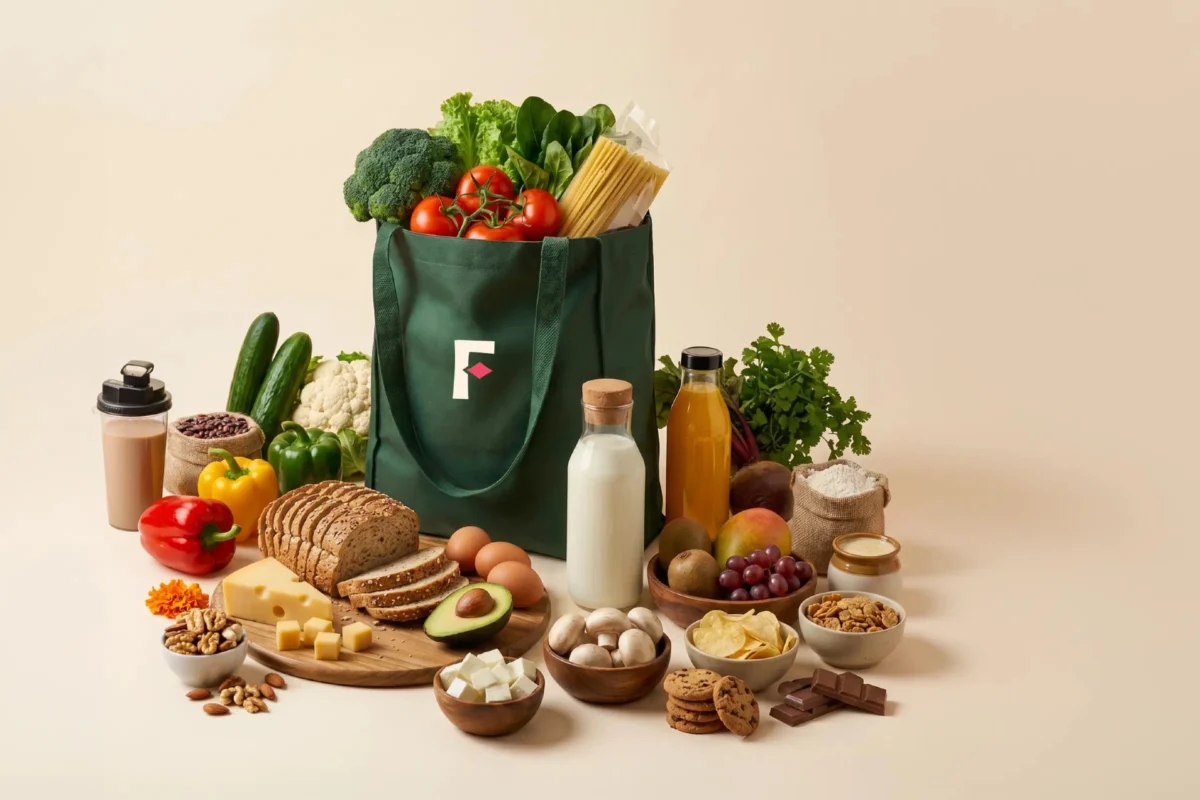
In a retail landscape defined by a relentless “race to the bottom” regarding delivery times, Bengaluru-based startup FirstClub is charting a distinctly different path. While the Indian quick-commerce sector has been largely preoccupied with shaving minutes off delivery windows, FirstClub has successfully convinced global investors that quality, curation, and trust—not just velocity—represent the next frontier of growth.
This strategic departure has paid off handsomely. In a Series B funding round co-led by Peak XV Partners and Sofina, FirstClub has secured $55 million, catapulting its valuation to $255 million. This figure marks a staggering doubling of its valuation in just nine months, following a $120 million valuation achieved in September 2025. With this latest infusion, the company’s total lifetime funding has reached $86 million, signaling a strong vote of confidence from backers including Accel, RTP Global, and Paramark Ventures.
The Shift from Velocity to Value: A Market Analysis
India’s quick-commerce market has been a runaway success story, ballooning from approximately $6.2 billion in FY25 to an estimated $11 billion–$12 billion in FY26, according to recent data from ICICI Securities. The sector’s giants have built their empires on the promise of 10-to-20-minute deliveries, fundamentally altering consumer expectations for grocery procurement.
However, FirstClub—founded in 2024 by former Flipkart executive Ayyappan R—is betting on a growing “premiumization” trend. The startup operates on the hypothesis that the market has reached a saturation point for speed-only services and is now ripe for a player that prioritizes the integrity of the supply chain.
By offering a curated catalog of roughly 4,000 products—a mere fraction of the tens of thousands of SKUs found on mass-market platforms—FirstClub is positioning itself as a boutique alternative to the convenience-store model. The company differentiates itself through rigorous quality control: fresh produce undergoes stringent inspection, certain staples are subjected to lab testing, and the firm actively collaborates with brands to create exclusive, high-end products.
Chronology of a Rapid Ascent
The trajectory of FirstClub serves as a microcosm of the current venture capital interest in the "quality-first" consumer segment:
- 2024: FirstClub is founded by Ayyappan R, leveraging his deep institutional knowledge from his tenure at Flipkart to identify gaps in the premium grocery space.
- September 2025: The company completes a significant funding round, establishing a valuation of $120 million. This milestone confirmed that the "curated" model was gaining traction among urban, affluent households.
- May 2026 (The Present): Following nine months of aggressive growth, the startup secures a $55 million Series B round, pushing its valuation to $255 million. The firm reports crossing 1 million orders and securing a base of 170,000 households in Bengaluru alone.
Data-Driven Growth: The Customer Profile
Unlike the typical quick-commerce platforms where demand is driven by high-volume, low-margin commodities like onions, potatoes, and tomatoes, FirstClub’s data reveals a different consumer archetype.
A significant 60% of FirstClub’s customer base consists of women-led households, a demographic often more inclined to prioritize the provenance and quality of ingredients. The company’s best-selling items are telling: avocados, persimmons, and high-end Modi apples frequently outsell standard pantry staples.
Financially, the startup is operating at an annualized Gross Market Value (GMV) of roughly $50 million. The unit economics are compelling for an early-stage firm: active customers place, on average, more than four orders per month, with an average ticket size of ₹1,200 (approximately $13). This higher-than-average basket value suggests that the startup has successfully captured a segment of the market that is price-insensitive, provided the quality meets their standards.
Official Perspectives: Why Investors are Betting on Quality
The participation of heavyweights like Peak XV Partners underscores a shifting sentiment among institutional investors regarding the long-term viability of the grocery business.
GV Ravishankar, Managing Director at Peak XV, articulated the firm’s investment thesis, noting that India is witnessing the emergence of an affluent, health-conscious cohort that is increasingly "informed."
"There will be a specific set of consumers who gravitate toward a better-quality platform that serves trustworthy products," Ravishankar noted in an interview. "As Indians become wealthier and more informed, there will be more and more people who make that choice."
Ravishankar draws a parallel between FirstClub’s rise and the historical evolution of retail in developed economies. He argues that as a market matures, it inevitably fragments. While a "one-size-fits-all" model centered on speed and convenience will always exist, there is now an undeniable niche for platforms that prioritize specialized, premium goods—much like the rise of specialty grocery chains in the United States or Europe.
Strategic Roadmap: What Comes Next?
With the $55 million in new capital, FirstClub is shifting from a "proof of concept" phase to a period of controlled geographical and categorical expansion.
Geographic Expansion
Currently, the company operates 21 stores in Bengaluru. The immediate priority is to solidify its footprint in Hyderabad, where it has already launched three pilot locations. The strategy is to replicate the Bengaluru playbook: identifying neighborhoods with high concentrations of affluent, health-conscious families and establishing localized micro-fulfillment centers that prioritize quality control over massive inventory depth.
Category Diversification
FirstClub is not content to remain strictly in the grocery space. According to Ayyappan R, the company intends to branch out into:
- Home and Kitchen: Leveraging their existing logistics to deliver premium home goods.
- Gifting: Tapping into the high-margin, curated gifting market that aligns with their premium brand identity.
- Household Essentials: Expanding beyond food to include curated cleaning and lifestyle products.
Implications for the Future of Retail
The success of FirstClub poses a critical question for the industry: Is the era of "speed at all costs" coming to an end?
While the giants of Indian quick-commerce are unlikely to abandon their 10-minute delivery model, the success of FirstClub suggests that the market is bifurcating. The "mass" market will continue to prioritize speed and price, but the "premium" segment—which represents a significant portion of the disposable income in Tier-1 cities—is signaling a preference for transparency, quality, and curation.
For traditional retail and existing e-commerce giants, the lesson is clear: if you cannot compete on the logistics of speed, you must compete on the logistics of trust. By focusing on the "what" rather than the "when," FirstClub has managed to carve out a defensible moat in an industry often criticized for its lack of differentiation.
"People don’t need a very large selection, but they need the right quality selection, consistently delivered every single time," Ayyappan R remarked. As FirstClub scales, its ability to maintain that consistency will determine whether this premium model can truly disrupt the broader retail landscape or if it will remain a high-end niche player.
For now, the capital markets have made their choice. In the high-stakes game of Indian e-commerce, the narrative is shifting from who can deliver the fastest to who can deliver the best.












No comments yet. Be the first to join the conversation!