Pevita Pearce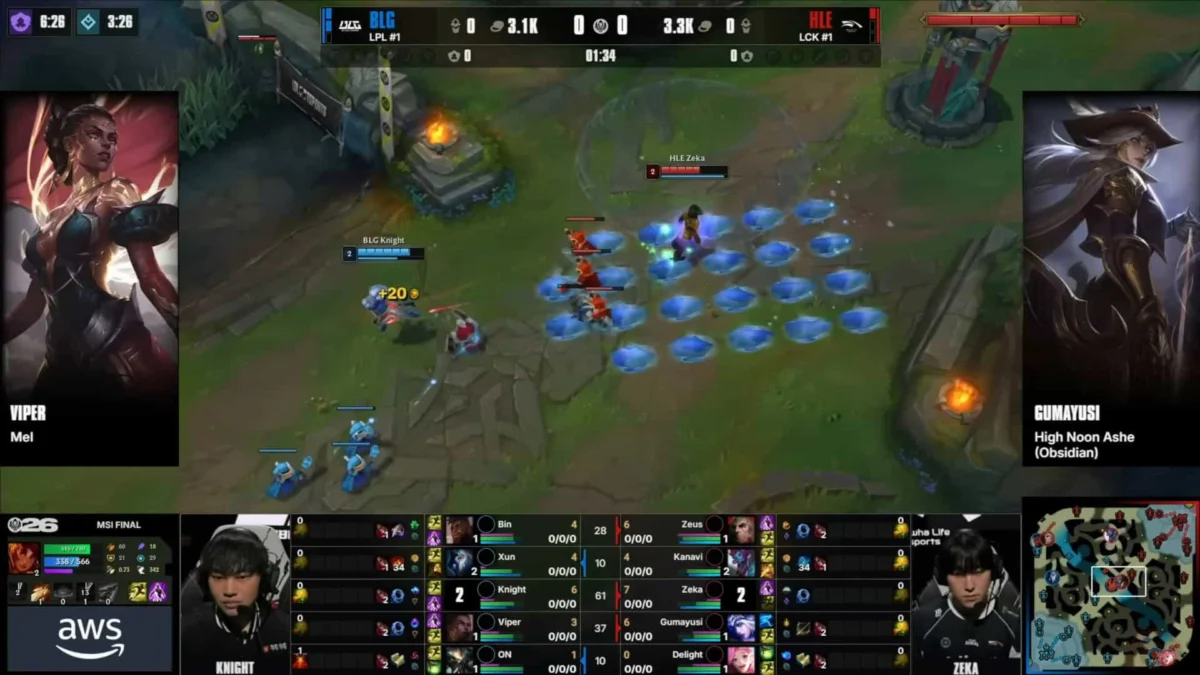
By Craig Robinson, Senior Editor
Last Updated: 15/07/2026
The dust has finally settled on the Mid-Season Invitational (MSI) 2026, and while the trophies have been lifted and the confetti swept away, the impact of Hanwha Life Esports’ (HLE) dominant 3-2 victory over Bilibili Gaming (BLG) is still being felt—specifically, in the wallets of League of Legends players worldwide.
Capitalizing on the fervor surrounding their championship run, Riot Games has launched a targeted, limited-time sale featuring the very skins utilized by HLE during their high-stakes Grand Finals performance. For fans who watched the broadcast and found themselves coveting the aesthetic flair of their favorite pros, this serves as a golden opportunity to emulate the champions.
The Sale: A Tactical Move for Esports Engagement
As of this week, a wide array of League of Legends skins—specifically those donned by the HLE roster during the MSI Grand Finals—are available at a 33% discount. The sale, which was initially identified by the community-driven "LoL Leaks and Rumors" social account and subsequently verified by our editorial team, is scheduled to run through July 20, 2026.
This initiative is far from a random marketing effort; it is part of a sophisticated, ongoing cross-promotion strategy employed by Riot Games. During live broadcasts, viewers now see more than just gameplay. Subtle in-game banners and broadcast overlays frequently highlight the specific skin names and splash art of the champions being played in real-time. This integration, alongside other initiatives like the recently revealed T1 "Riftbound" collector cards, represents a concerted effort to weave the esports viewing experience into the player’s personal commerce journey.
Chronology of the MSI 2026 Grand Finals
The series between HLE and BLG was a tactical masterclass, stretching to a grueling five-game set that showcased not only elite mechanical prowess but also a diverse champion pool.
- Game 1: HLE established an early tempo, though the champion selection highlighted some limitations in the skin-sale strategy. For instance, the Lee Sin played by the HLE jungler utilized the "Heavenscale" skin. Because Heavenscale is classified as a "Legacy Vault" item, it was unavailable for the general sale. Consequently, Riot substituted this with the classic "Traditional Lee Sin" skin for the promotion. Similarly, an un-skinned Orianna performance necessitated a recommended alternative, proving that the promotion is a dynamic, manual process rather than a fully automated one.
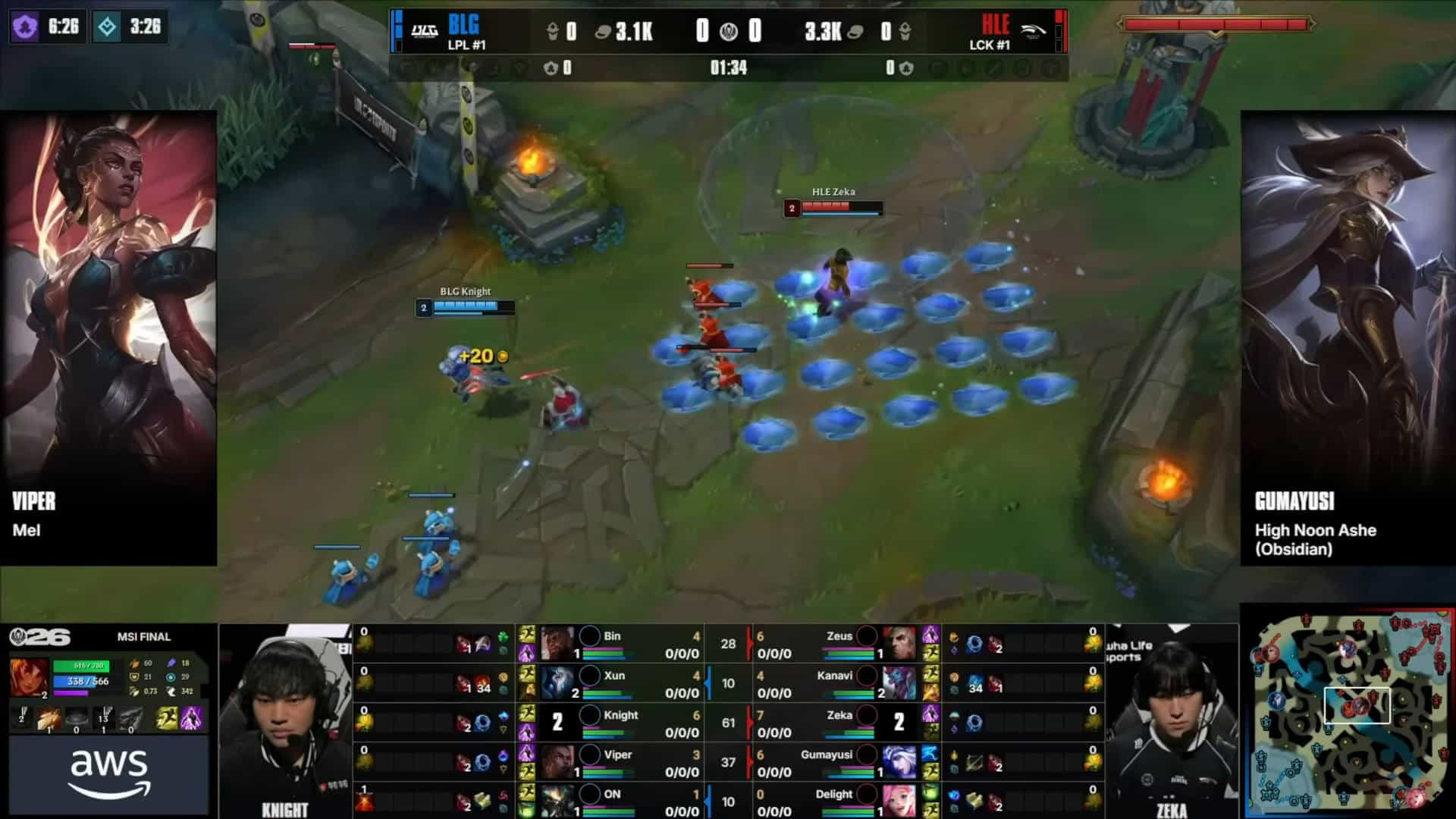
- Games 2-4: As the series swung back and forth, the tension on the Rift intensified. The visibility of premium skins, such as the High Noon Ashe (a legendary-tier 1850 RP skin), became a focal point for viewers. The fact that such a high-value item was included in the 33% discount window has been noted as a significant highlight for the community.
- Game 5: The deciding match culminated in a series of team fights that will likely be replayed for years. The skins used in this deciding game have seen the highest surge in interest, as fans flock to the store to replicate the loadouts that secured the MSI trophy for HLE.
The Mechanics of the Promotion
Riot’s strategy here is rooted in psychological marketing. By surfacing these items immediately following a high-octane team fight, they tap into the "hero moment" phenomenon. When a viewer watches a player like Kanavi or a standout HLE member execute a flawless play, they don’t just want to win; they want to look like the winner.
However, the execution is not without its nuances. As previously noted, the system must navigate the complexities of limited-availability skins. The decision to swap unavailable skins for "recommended" alternatives is a practical solution to a logistical hurdle, ensuring that even if a player uses a rare or legacy skin, the store remains stocked with accessible, relevant alternatives for the consumer.
Financial Implications and the "Pro-Pick" Incentive
The correlation between professional play and cosmetic sales raises a fascinating, albeit controversial, question regarding the financial incentives within the professional League of Legends circuit.
Currently, the sale is heavily weighted toward HLE’s champion pool. This raises an obvious point of discussion: Is there an implicit or explicit incentive for pro players to select champions with high-value skins during major finals?
While there is no evidence of a mandate from Riot to favor certain skins, the direct connection between these picks and the post-tournament revenue generated for the publisher is undeniable. In an era where esports organizations are facing severe financial constraints and struggling to find sustainable revenue models, the industry is looking for ways to bolster team earnings.
If these sales were to evolve into a direct revenue-sharing model—where players or teams received a percentage of the sales generated by the skins they used on the international stage—it could provide a much-needed lifeline to struggling organizations. As it stands, the current model benefits the publisher primarily, but it highlights a clear pathway for potential future monetization that could favor the competitors themselves.
Community Reception and Strategic Analysis
The reaction from the community has been largely positive, with many players appreciating the convenience of the "curated" store selection. Rather than scrolling through the entire catalog, players are presented with a thematic collection that mirrors the tournament narrative.
From a strategic standpoint, this is a masterclass in event-based marketing. By tying the sale to a specific event and a specific winner, Riot transforms the "MSI 2026" narrative from a passive viewing experience into an active, participatory event. The 33% discount is substantial enough to trigger "FOMO" (Fear Of Missing Out) while ensuring that the volume of sales compensates for the lower unit price.
Looking Forward: The Future of Esports Commerce
As we look toward the remainder of the 2026 season and the inevitable build-up to the World Championship, it is likely that this model will be refined further. We may see more integration between professional play and in-game cosmetics, potentially moving toward player-signature skins or more complex, event-exclusive bundles.
For the fans, the message is clear: watch closely, as your favorite play might just lead to a discounted trip to the store. For the organizations, the hope remains that as this commercial ecosystem matures, the financial fruits of these promotions will trickle down more effectively to the teams that make the spectacle possible.
Important Note for Collectors: The current sale will conclude on July 20, 2026. Historically, Riot Games refreshes the store and updates patch cycles in the early evening (GMT), so those hoping to secure these items should ensure their transactions are completed well in advance of the deadline.
Craig Robinson has been covering the intersection of technology, gaming, and professional esports since 2015. Having cut his teeth at Manchester Metropolitan University, he has returned to the beat to provide deep dives into the stories shaping the digital landscape.
For more breaking news, technical analysis, and deep-dive features, subscribe to our Google News feed and never miss an update from the world of competitive gaming.

 Siti Muinah
 Muslim