

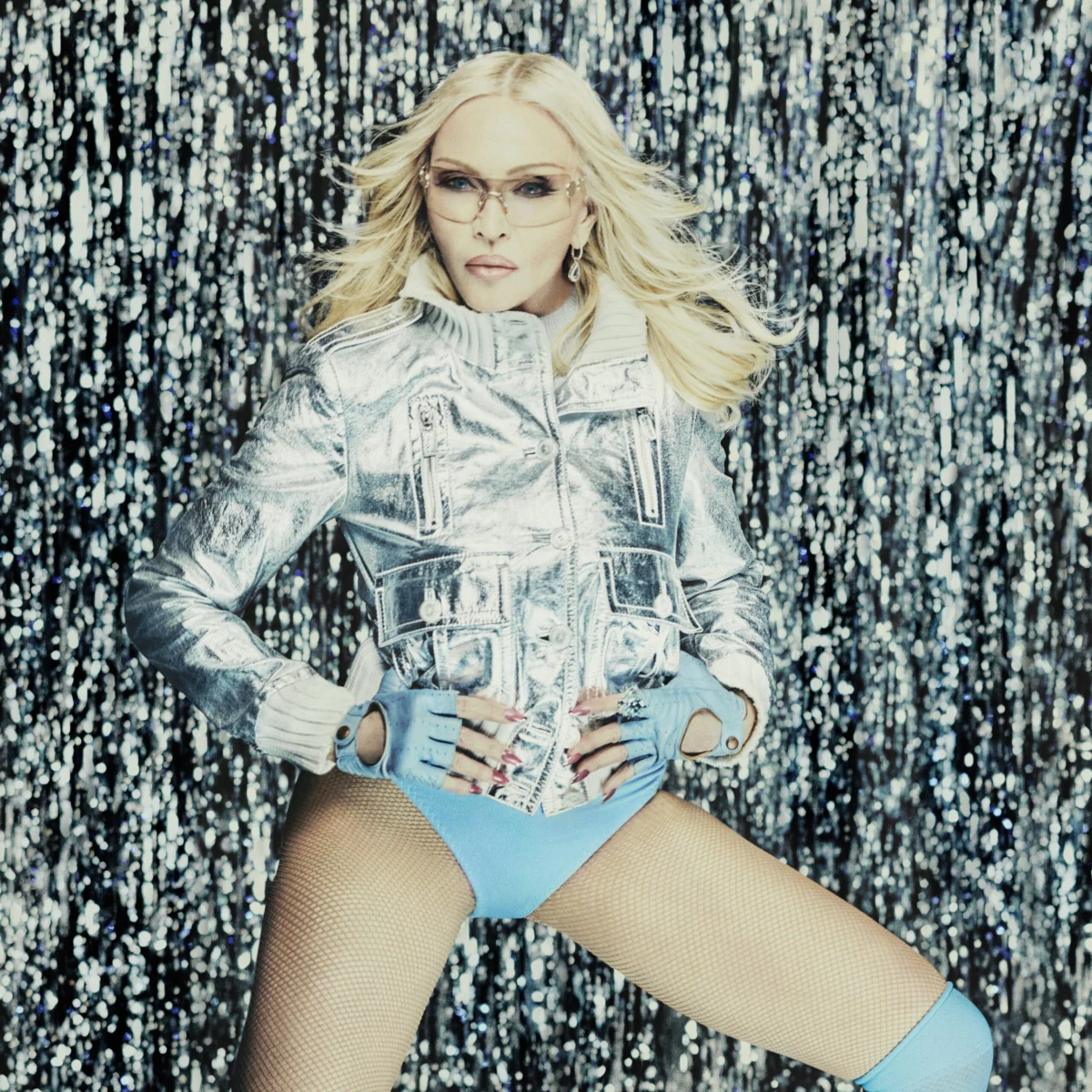
In a display of enduring cultural dominance, Madonna has officially reclaimed the pinnacle of the music industry. On Sunday, Billboard confirmed that the pop icon’s latest studio effort, Confessions II, has debuted at No. 1 on the Billboard 200 chart. This monumental achievement marks the 10th time in her storied career that the singer has secured the top spot, further cementing her status as one of the most successful recording artists in history.
The album, which serves as a spiritual successor to her critically lauded 2005 masterpiece Confessions on a Dance Floor, arrived with significant momentum. According to Billboard, Confessions II bowed with 134,000 equivalent album units, a robust figure driven by a mix of traditional sales and streaming engagement.
A Breakdown of the Numbers
The mechanics of Madonna’s latest chart-topping success reveal a dedicated fan base that continues to prioritize physical and digital ownership alongside modern consumption habits. Of the 134,000 units earned in its opening week, 114,000 were attributed to traditional album sales—a rarity in an era where streaming often dominates total unit calculations.
Beyond the pure sales figures, the album also made a formidable impact on digital platforms, racking up 20.1 million on-demand streams. This balance of physical purchasing power and streaming accessibility demonstrates that while Madonna remains a legacy artist, her reach across younger, streaming-heavy demographics remains potent.
The Road to the Summit: A Chronology of the ‘Confessions II’ Rollout
Madonna’s return to the No. 1 spot was not an accident; it was the result of a meticulously planned, high-energy promotional campaign that spanned several months and multiple global stages.
April: The Coachella Tease
The campaign officially kicked off in the high-desert heat of Indio, California. During Sabrina Carpenter’s headlining set at the Coachella Valley Music and Arts Festival in April, Madonna made a surprise appearance. The moment served as more than just a guest spot; she used the massive platform to debut the album’s lead single, "Bring Your Love." The collaboration with one of pop’s current torchbearers provided the perfect bridge between the icon’s past and the industry’s present.
May: The Pop-Up Phenomenon
Following the Coachella announcement, the rollout moved into urban centers. Madonna took her music to the streets with a series of exclusive, intimate pop-up shows. By performing in the heart of West Hollywood and the neon-lit sprawl of New York’s Times Square, she created a sense of scarcity and urgency that mobilized her core fan base. These performances were not merely concerts; they were "events" that generated viral content across social media, ensuring that the anticipation for the full album remained at a fever pitch.
June: The Cinematic Experience
Innovation has always been a hallmark of the singer’s career, and the Confessions II campaign was no exception. Last month, she unveiled a short film tied to the album’s thematic vision at the Tribeca Film Festival. By aligning her musical output with cinematic prestige, she elevated the album from a standard collection of tracks to a multimedia artistic statement, garnering praise from critics who lauded her ability to evolve without sacrificing her signature aesthetic.
Critical Reception and Industry Context
The success of Confessions II is particularly significant when viewed against the backdrop of her recent discography. Her previous studio album, 2019’s Madame X, debuted at No. 2, narrowly missing the top spot. While Madame X was an experimental and polarizing work, Confessions II has been met with near-universal acclaim.
Industry critics have been quick to draw parallels between this new project and 2005’s Confessions on a Dance Floor, an album widely considered the gold standard of 21st-century dance-pop. Reviewers have noted that Confessions II manages to capture the same kinetic energy and lyrical vulnerability that defined its predecessor, while incorporating modern production techniques that feel fresh rather than derivative.
The Competitive Landscape
Securing the No. 1 spot required overcoming a crowded and competitive field. The race for the top of the charts was particularly fierce this week.
- No. 2: Olivia Rodrigo’s You Seem Pretty Sad for a Girl So in Love held strong in its fourth week, maintaining an impressive pace with over 100,000 units. Rodrigo’s ability to remain in the upper echelons of the chart alongside an industry titan like Madonna speaks to the cross-generational appeal of pop music today.
- No. 3: Rising star Ella Langley debuted at No. 3 with her latest project, Dandelion.
- No. 4: Country superstar Morgan Wallen’s I’m the Problem continued its consistent run, proving the enduring power of the country-crossover demographic.
- No. 5: Hip-hop heavyweight Drake rounded out the top five with Iceman, underscoring the diversity of genres currently dominating the Billboard 200.
Looking Ahead: The FIFA World Cup Halftime Show
With the No. 1 debut now confirmed, the campaign for Confessions II is far from over. Madonna is set to leverage this momentum on the global stage. It was recently announced that she will serve as a co-headliner for the inaugural FIFA World Cup Halftime Show.
The lineup is nothing short of historic, featuring a blend of global icons including Justin Bieber, BTS, and Shakira. For Madonna, the performance represents an opportunity to introduce the tracks from Confessions II to an audience of hundreds of millions. This high-profile booking suggests that the label and the artist are focused on long-term longevity for the album, rather than just a front-loaded debut.
Implications for the Pop Music Industry
The success of Confessions II sends a clear message to the music industry: the "legacy artist" narrative is evolving. In an age where industry analysts often speculate on the shelf life of pop icons, Madonna’s return to the No. 1 spot serves as a masterclass in audience engagement.
By strategically blending traditional sales tactics—such as exclusive physical releases and intimate fan experiences—with modern streaming strategies and cross-genre collaborations, she has managed to remain relevant. Furthermore, the critical consensus surrounding the album proves that audiences are still hungry for narrative-driven, cohesive bodies of work, even in a streaming environment that often favors individual track performance.
As she prepares to take the stage at the FIFA World Cup, the music world will be watching to see if Confessions II can sustain its momentum. If the last few months are any indication, the Queen of Pop is far from finished. She has proven, once again, that she is not just keeping pace with the current musical landscape; she is actively shaping it.
For the latest updates on music news and exclusive insights into your favorite artists, be sure to subscribe to the THR newsletter and receive daily updates directly to your inbox.










