Asep Darmawan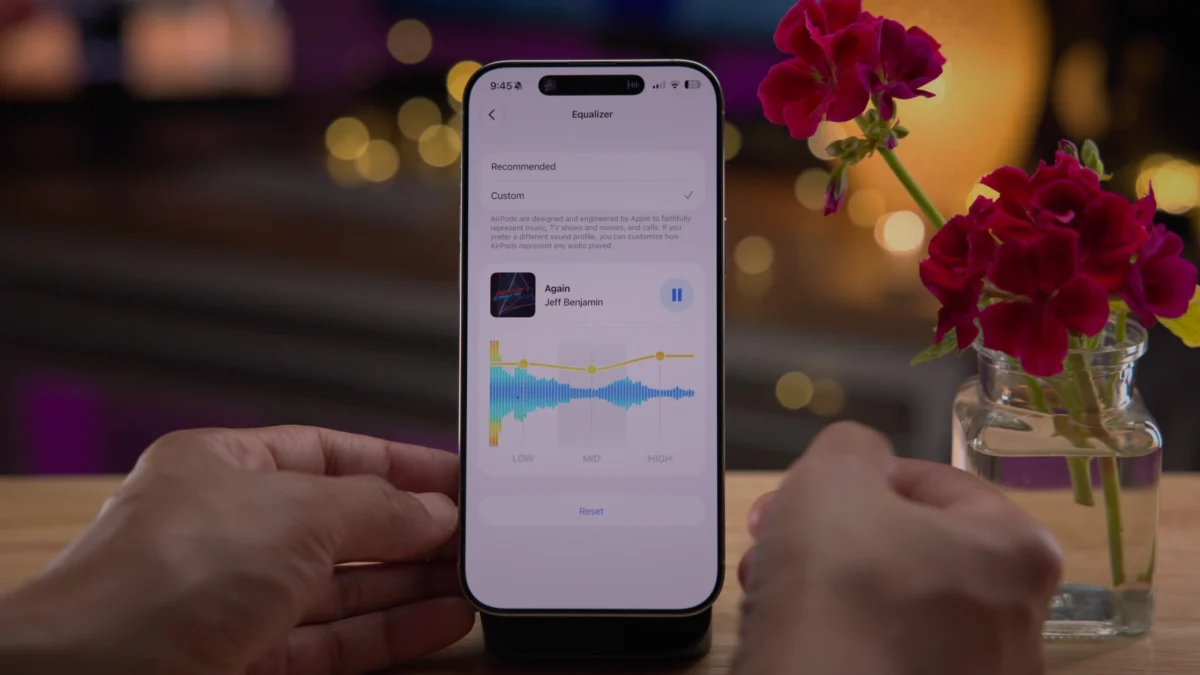
While the headlines this week have been dominated by the wide-reaching release of the iOS 27 public beta, Apple has quietly introduced a transformative update for its audio ecosystem. For years, users have clamored for granular control over the sonic profile of their AirPods, often relying on clunky system-wide accessibility settings or third-party workarounds. That era has officially ended. With the release of AirPods firmware version 9.0.314 (build 9A314b), Apple is finally rolling out a native Custom EQ feature, giving listeners the power to sculpt their audio experience.
The Main Facts: What You Need to Know
The new firmware update, currently available through the public beta channel, marks the first time Apple has opened its "walled garden" approach to sound signature modification for its wireless earbuds. Previously, Apple maintained that the default tuning of its AirPods was the "reference" experience—meticulously engineered to represent music, television, and film exactly as the creators intended.
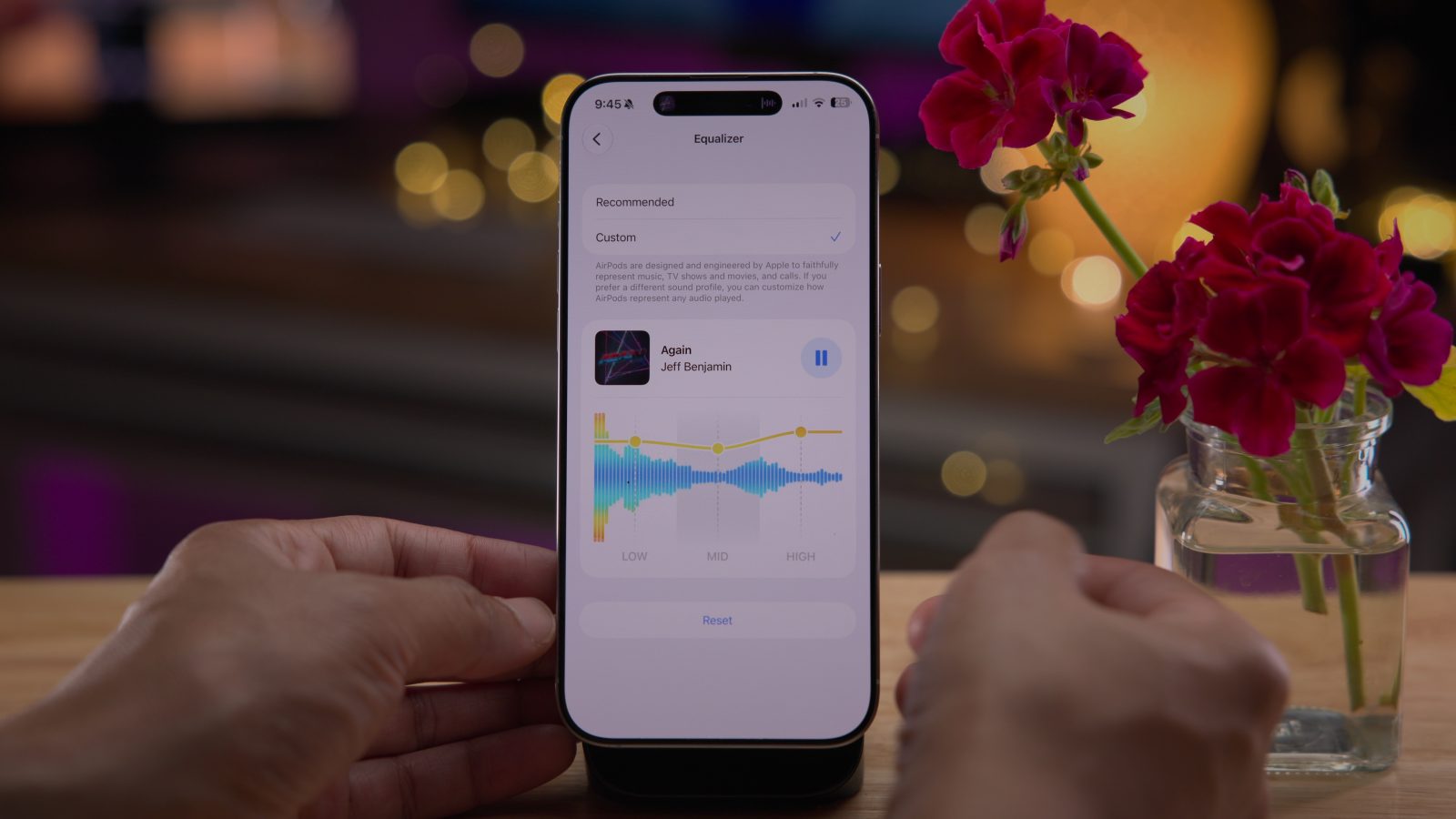
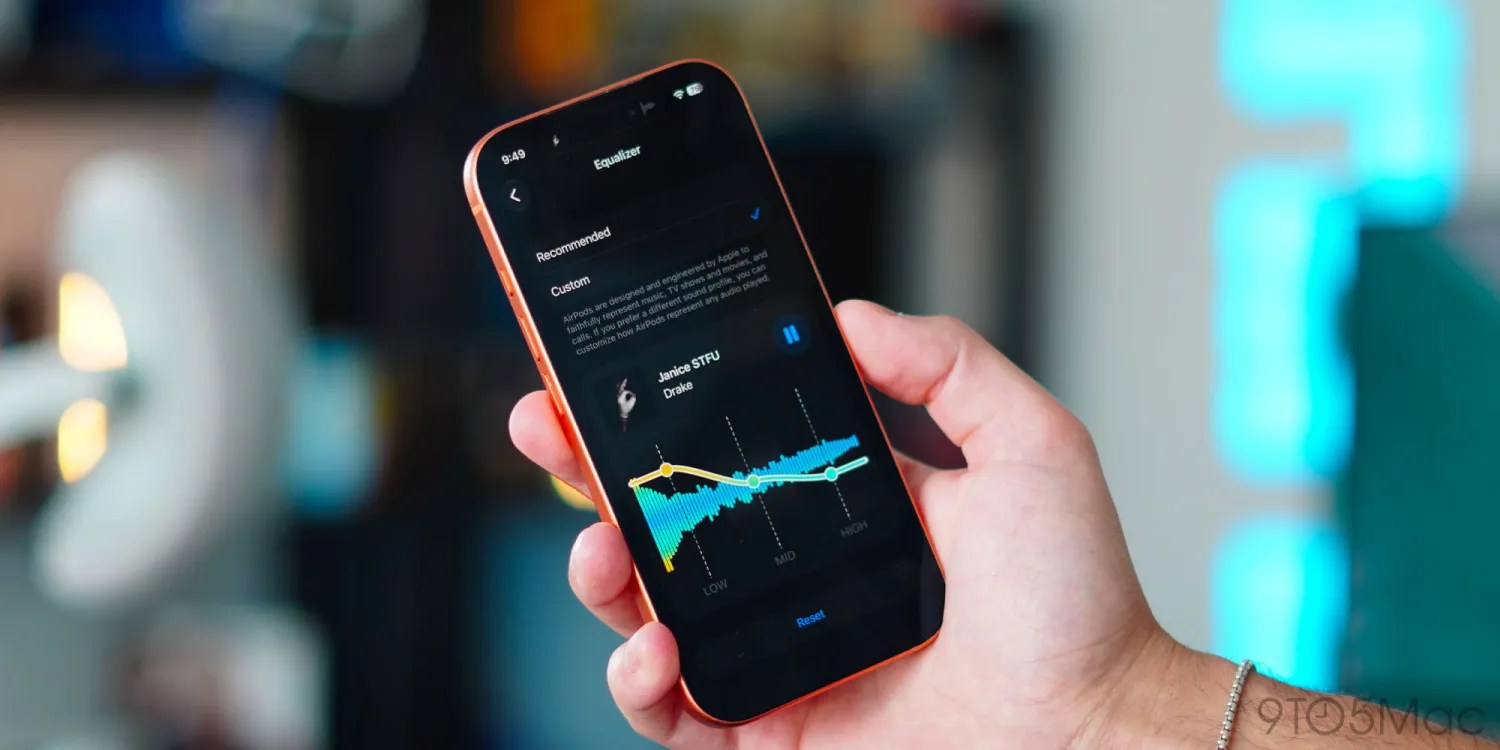
However, with the 9.0.314 update, Apple is acknowledging that sound is subjective. The new feature provides a three-band equalizer interface within the iOS Settings app. Users can now independently adjust the Lows, Mids, and Highs to better suit their personal listening preferences, whether they crave a bass-heavy club sound or a crisp, analytical profile for podcasts and acoustic tracks.
The update is currently restricted to hardware equipped with Apple’s powerful H2 chip. This includes the AirPods Pro 2, the newly released AirPods Pro 3, the standard AirPods 4, and the latest iteration of the AirPods Max 2. By leveraging the processing overhead of the H2 silicon, Apple ensures that these adjustments are applied with minimal latency, providing a seamless listening experience that feels baked into the OS.

A Chronology of the Release
The path to this update has been one of high anticipation and slow, methodical development.
- Early 2026: Rumors began circulating regarding a "Sound Personalization" suite for the upcoming iOS 27 release. Analysts speculated that Apple would prioritize hearing health features, but many hoped for standard equalization tools.
- June 2026: Apple officially teased new audio routing capabilities during the iOS 27 keynote, hinting at "deeper integration" between the AirPods and the iPhone’s system-wide audio engine.
- July 13, 2026: The broader iOS 27 public beta was released to the general public, capturing the attention of tech enthusiasts and developers alike.
- July 14, 2026: Just 24 hours after the iOS 27 drop, Apple pushed the AirPods public beta firmware (9.0.314). The rapid follow-up signaled that the audio features were intended to be a flagship component of the new mobile software ecosystem.
Supporting Data and Technical Implementation
The implementation of this EQ is designed for ease of use rather than professional-grade mastering. Apple has opted for a three-band system—a choice that reflects the company’s "ease-of-use" philosophy. While seasoned audiophiles might desire a 10-band or parametric EQ, the three-band system is significantly more accessible for the average consumer.
How to Access the Beta
Enrolling in the firmware beta is a straightforward process, though it requires users to be running the iOS 27 beta on their paired iPhone.
- Navigate to Settings on your iPhone.
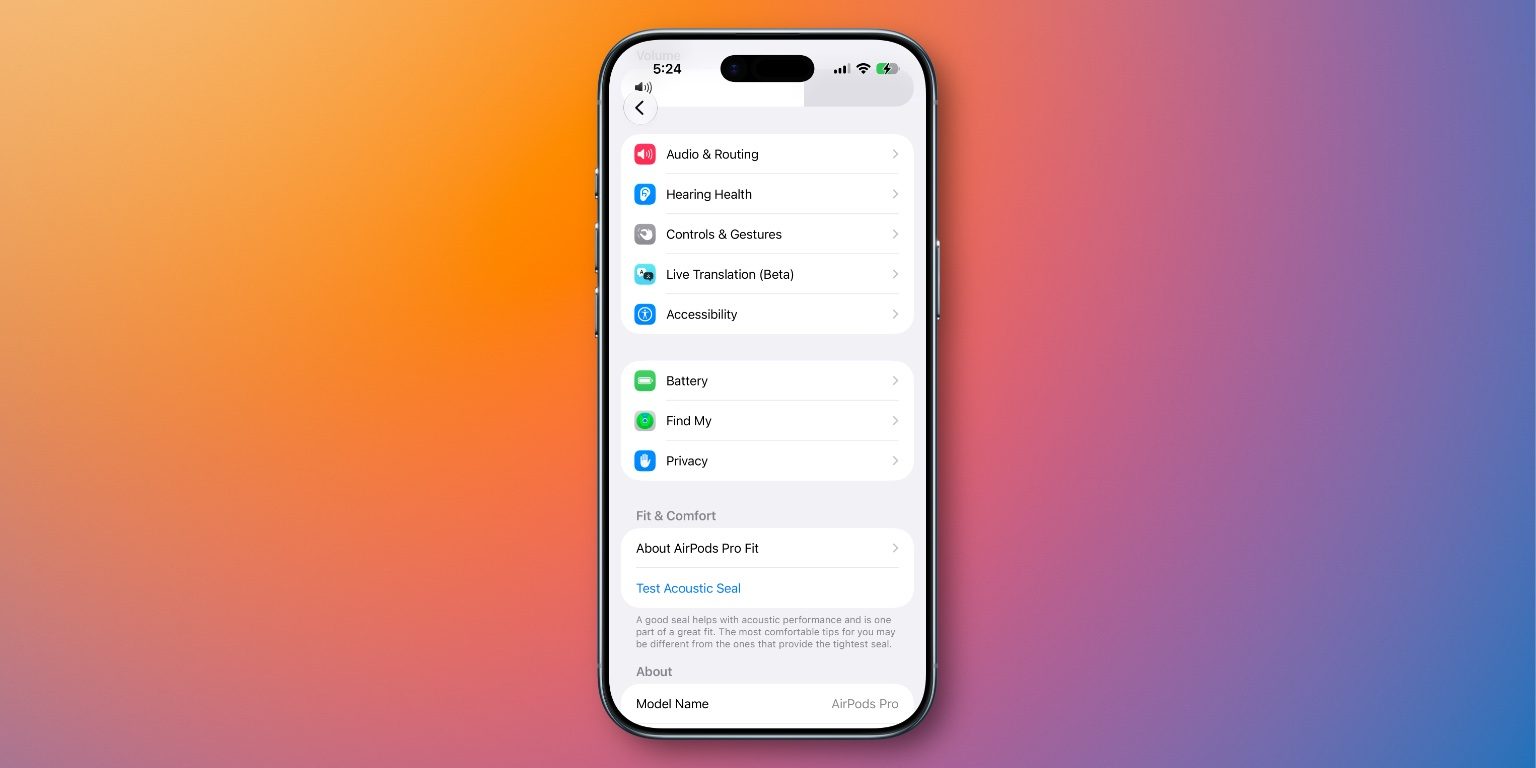
- Select the AirPods tab (visible when your earbuds are connected).
- Scroll to the Beta Firmware section and toggle the switch to "On."
- Once enabled, the firmware will automatically install when the AirPods are placed back into their charging case and remain within close proximity to the iPhone.
The Real-Time Advantage
One of the most impressive aspects of this implementation is the "Live Preview" feature. Within the EQ settings menu, Apple has integrated a playback controller that links directly to Apple Music. This allows users to toggle their EQ adjustments while a song is playing. Because the H2 chip handles the processing, the transition between settings is instantaneous, allowing for real-time A/B testing of different frequency curves.
Official Stance and Philosophy
Apple’s official statement regarding the change is characteristically measured: "AirPods are designed and engineered by Apple to faithfully represent music, TV shows and movies, and calls. If you prefer a different sound profile, you can customize how AirPods represent any audio played."
This statement highlights a delicate balance. Apple is not admitting that its previous sound profile was "wrong"; rather, it is positioning the Custom EQ as a tool for personalization. By providing these controls, Apple is effectively mitigating the "one-size-fits-all" criticism that has followed the AirPods line since its inception in 2016. It is a strategic pivot that recognizes the diverse range of genres and personal tastes found within the Apple Music and Apple Podcasts user base.
Implications for the Audio Market
The introduction of native EQ on AirPods has significant implications for the wider audio industry.
1. The Death of Third-Party EQ Apps
For years, the App Store has been flooded with "EQ booster" apps that often require complex routing or operate as separate music players. By integrating these controls directly into the system settings, Apple is essentially deprecating a significant segment of the App Store’s utility category. This is a move toward a more unified, "it just works" experience that forces third-party developers to find new ways to add value.
2. Standardizing Premium Expectations
By bringing EQ to the standard AirPods 4 and the Pro models, Apple is setting a new industry standard. Competitors like Sony, Bose, and Sennheiser have long offered robust EQ controls via their proprietary apps. Apple’s move forces other manufacturers to ensure their hardware integration is just as fluid, or risk losing ground to the seamless ecosystem Apple provides.
3. Future-Proofing the Hardware
The H2 chip is clearly being positioned as the central nervous system of the Apple audio experience. By offloading the EQ processing to the H2, Apple ensures that the iPhone’s CPU is not burdened, maintaining battery life efficiency. This suggests that future AirPods hardware will be increasingly software-defined, with Apple capable of "updating" the sound signature or adding features like spatial audio enhancements and refined noise-cancellation profiles through simple OTA (Over-the-Air) firmware updates.
What Lies Ahead: Beyond the EQ
While the Custom EQ is the headline, it is part of a larger push in iOS 27 to make audio a more personalized experience. The update also includes expanded "Audio and Routing" menus, which allow for more granular control over how the iPhone handles audio handoff between devices, improved latency management for gaming, and new accessibility settings designed for those with mild hearing impairments.
As we look toward the final public release of iOS 27 this autumn, it is clear that Apple’s strategy is focused on retention. By giving users granular control over their listening experience, Apple is ensuring that the AirPods remain the most "personal" accessory in its lineup.
Conclusion: A Welcome Step Forward
The addition of Custom EQ to the AirPods firmware is not a radical reimagining of the hardware, but it is a long-overdue refinement. It represents a maturation of the product line, shifting from a "take it or leave it" sound profile to a customizable audio platform.
For the vast majority of users, the default Apple sound signature will likely remain the preferred choice. However, for those who have spent years wishing for a bit more "punch" in the bass or more clarity in the vocals, this update is a massive win. As the public beta continues to iterate, we can only hope that Apple continues to refine these controls, perhaps eventually adding a more granular, multi-band equalizer for those who want to take their listening experience to the next level.
Whether you are a casual listener or a dedicated audiophile, the 9.0.314 update is worth exploring. It is a reminder that even the most established products can benefit from listening to the feedback of their user base.
Are you planning to test the new Custom EQ? Which frequency band do you find yourself adjusting the most? Join the conversation in the comments below.

Note: As this is a beta release, users should be aware that firmware updates can occasionally cause connectivity issues or battery drain. Ensure your AirPods are fully charged before beginning the update process.


 Pevita Pearce
 Lina Hope